

















A sharp difference of perspective has emerged within the Congress party regarding the strategic value and tangible outcomes of India's participation in multilateral forums like BRICS. Senior party leader and former union minister P Chidambaram recently raised concerns about the concrete returns secured by the nation from recent summits. In contrast, fellow Congress MP Shashi Tharoor offered a broader diplomatic assessment, stressing that the grouping serves as a vital platform for the Global South and showcases India's growing international influence. This internal dialogue comes as Delhi prepares to host the upcoming BRICS gathering, triggering a fresh political exchange between the opposition and the ruling Bharatiya Janata Party (BJP).
Chidambaram Questioned Practical Benefits of Multilateral Engagements
The discussion was set off by comments from former union minister P Chidambaram, who scrutinised India's diplomatic posture across various international platforms. Speaking on the country's membership in multi-nation alliances, he referenced organizations such as BRICS, the Shanghai Cooperation Organisation, G20, and QUAD. Chidambaram argued that while India's participation across these tables has increased, it remains crucial to evaluate what specific, countable advantages the country has gained from them.
Chidambaram remarked that he could not identify any significant concrete outcomes resulting from the last two or three BRICS summits. Expressing skepticism about the upcoming event in Delhi, he noted that it was unclear how many presidents and prime ministers would ultimately attend. He further questioned what purpose hosting such large scale events serves for India's immediate national interests.
BJP Hits Back Calling Out 'Disgruntled Mindset'
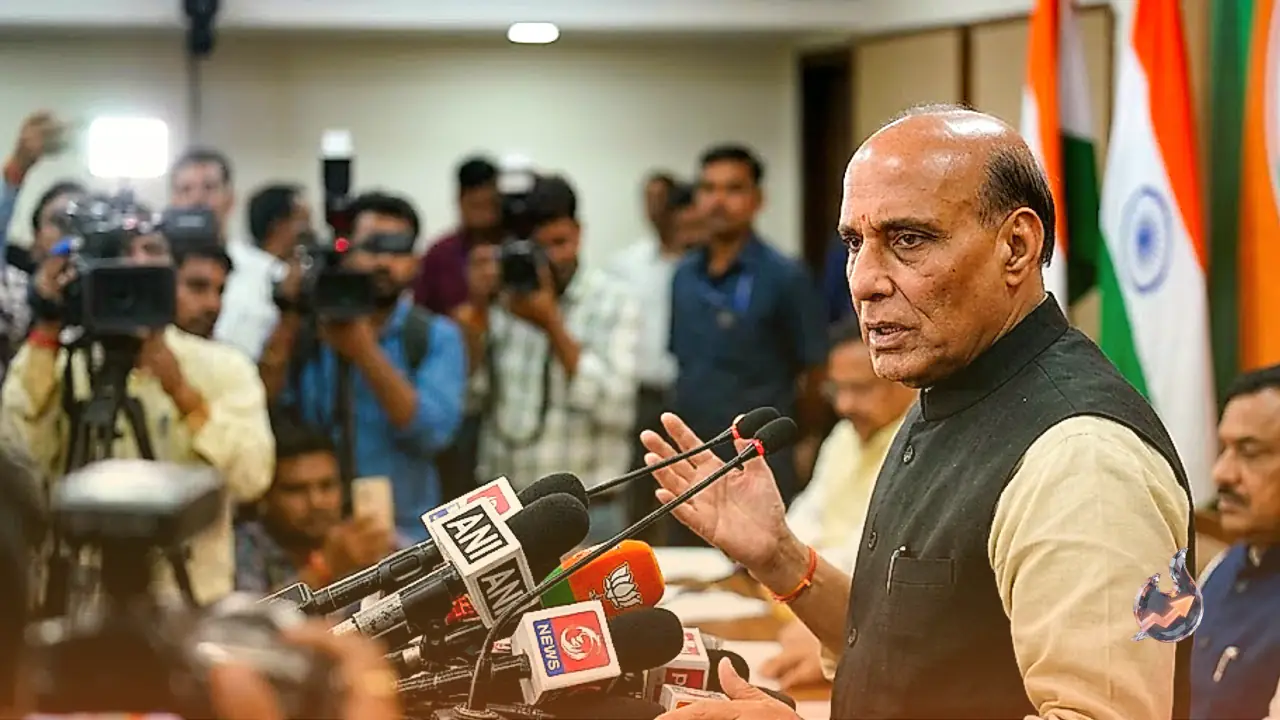
In response to Chidambaram's statements, the Bharatiya Janata Party launched a robust critique, accusing opposition figures of failing to appreciate India's rising global standing. During the resulting political back-and-forth, BJP representatives analogized Chidambaram's stance to that of a disgruntled family member at a wedding who finds fault regardless of the arrangements.
BJP spokesperson Pradeep Bhandari shared a video clip on social media platform X, alleging that certain opposition leaders were questioning multilateral forums at the behest of their top party leadership. Meanwhile, former Congress leader Gourav Vallabh also addressed Chidambaram's points by detailing five specific benefits associated with BRICS membership. The ruling party maintained that questioning host duties and multilateral diplomacy diminishes the country's unified stance on the global stage.
Shashi Tharoor Outlines Strategic and Diplomatic Significance
Offering a distinct analysis, Congress MP Shashi Tharoor outlined why BRICS remains an indispensable diplomatic vehicle for India. While he did not explicitly name or criticize Chidambaram, Tharoor's evaluation provided a clear counter-narrative, contending that international diplomacy cannot be judged solely through short-term accounting or commercial balance sheets.
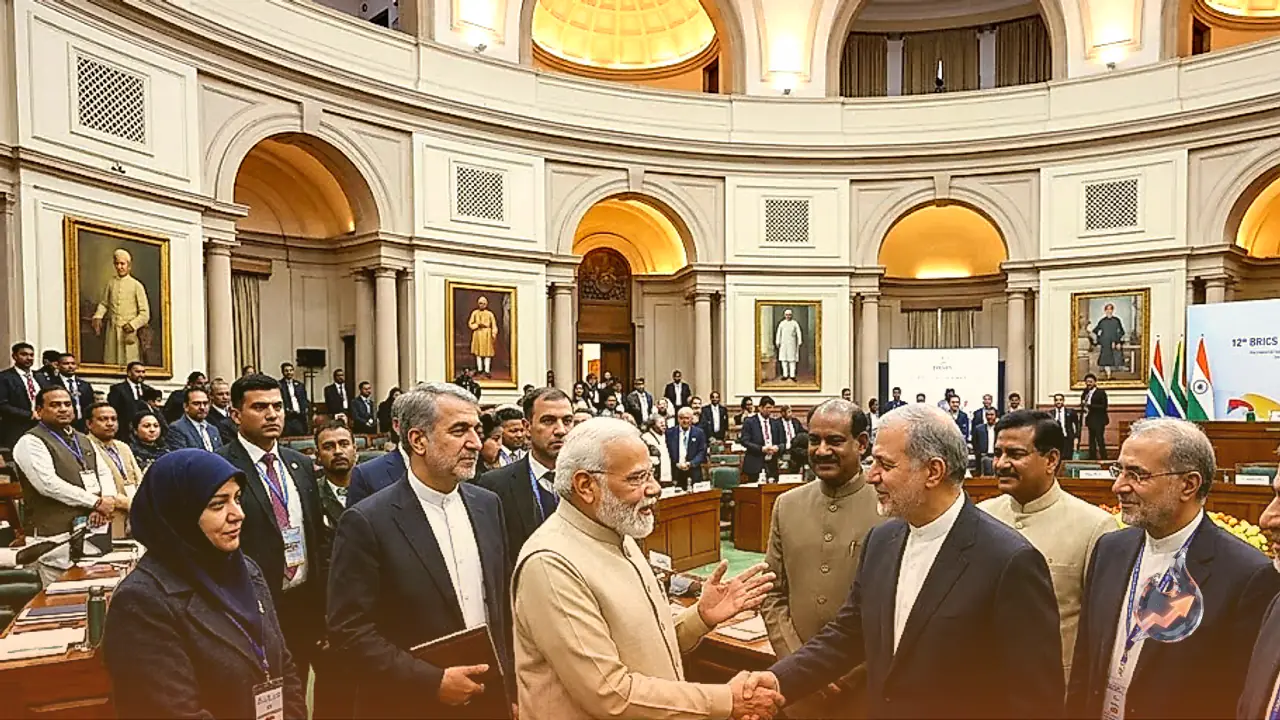
Tharoor emphasized that while the Global South comprises more than 100 nations, the 11 constituent members of BRICS represent approximately 41 percent of the world's population and global economic output. He noted that bringing together a bloc of this demographic and economic weight is inherently significant. According to Tharoor, hosting a summit featuring around a dozen foreign heads of state and government highlights India's diplomatic convening power, demonstrating its ability to bring diverse countries together for high level deliberation.
Frictions, Consensus Failures, and Trade Imbalances Identified
Even while arguing for the forum's strategic importance, Tharoor candidly highlighted the internal structural limitations that handicap BRICS. He acknowledged that differing foreign policy objectives and national interests among member states frequently hinder consensus on critical international disputes.
To illustrate this point, Tharoor referenced recent major global events, including the war in Ukraine and regional escalations involving Iran. He pointed out that BRICS foreign ministers were previously unable to agree on a joint statement regarding these ongoing conflicts, forcing India to release a Chair's statement instead. Tharoor cautioned that if similar impasses recur at future summits, it would signal a structural weakness within the organization.
Furthermore, Tharoor drew attention to economic realities, specifically noting that India faces a trade deficit with BRICS partners. While total volume of trade among member countries has expanded, India's imports have grown substantially while its exports have experienced a decline. He described this trade imbalance as a legitimate concern that requires strategic policy attention alongside diplomatic engagements.
Two Divergent Approaches to Measuring Diplomatic Success
The contrasting commentary from the two prominent leaders underlines a fundamental dialogue regarding how foreign policy should be evaluated in India. One approach, reflected in Chidambaram's remarks, prioritizes immediate, quantifiable economic and strategic returns. The alternative view, articulated by Tharoor, considers global convening authority, soft power, and multilateral leadership within the Global South as valuable long term outcomes. As Delhi readies itself for the upcoming summit, this debate highlights the complexities surrounding India's global engagements.