






















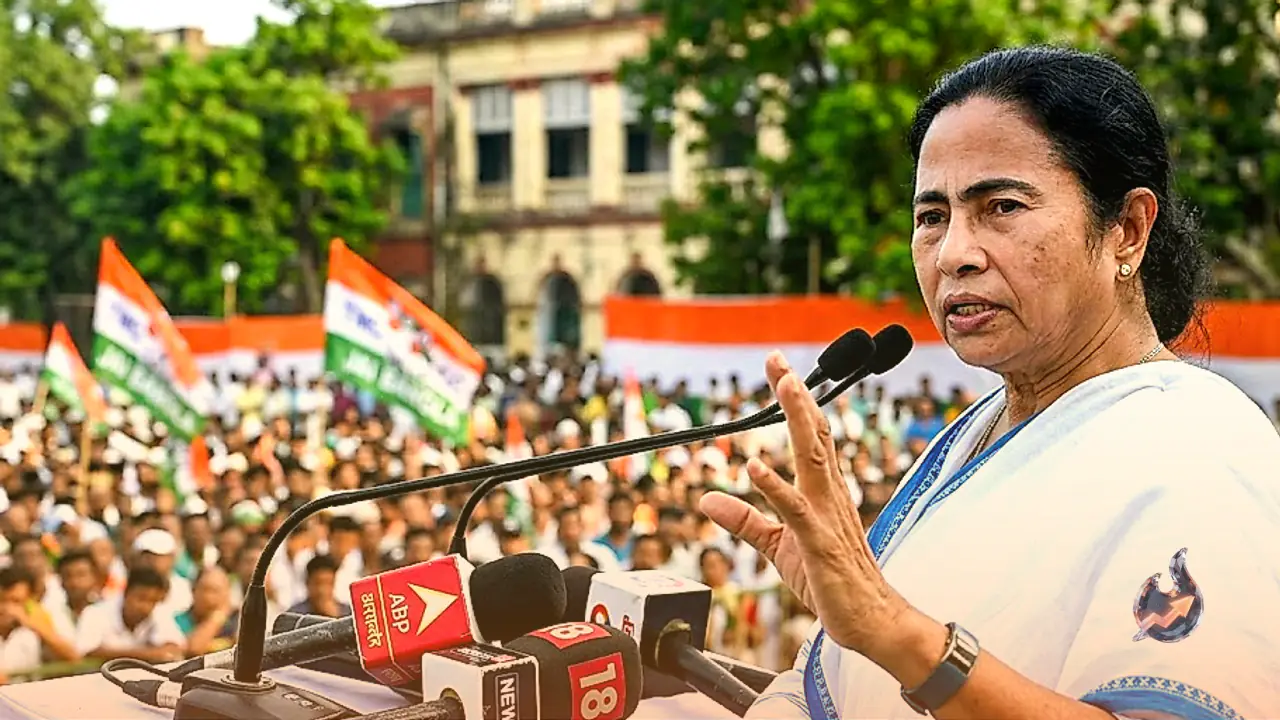

Opposition leaders have accused the Centre of trying to use a fresh Delimitation Bill to break up traditional opposition strongholds and split anti-BJP votes, a move they say is aimed at helping the ruling party retain power. The allegation has gained fresh attention as it ties into a specific claim from West Bengal, where Mamata Banerjee has said the BJP wants to carry out a delimitation exercise to trifurcate the state.
What delimitation means for voters
Delimitation is the process of redrawing the boundaries of electoral constituencies, usually to reflect updated population figures. Because it can shift how many seats a region gets and how those seats are carved up, any change to constituency boundaries directly affects which party has an advantage in a given area. Opposition parties argue that redrawing boundaries in a way that splits their existing support base across multiple constituencies would weaken their overall vote share, even if their total number of supporters does not change.
Mamata Banerjee's charge over Bengal
Banerjee has alleged that the BJP intends to use the delimitation exercise to trifurcate West Bengal, effectively splitting the state's political geography ahead of the West Bengal Election 2026. Her charge suggests that dividing the state through delimitation could break up voting blocs that currently favour her party, spreading them across new constituency lines drawn by the exercise.
A wider Opposition worry ahead of elections
Banerjee's allegation reflects a broader unease among opposition parties that the Delimitation Bill could be used as a tool to engineer electoral outcomes rather than simply update constituency maps. With the West Bengal Election 2026 already underway as a political battleground, the timing of the delimitation exercise has added urgency to opposition demands for scrutiny of how new boundaries are drawn and how they could reshape the contest between the Centre's ruling party and state-level opposition forces.