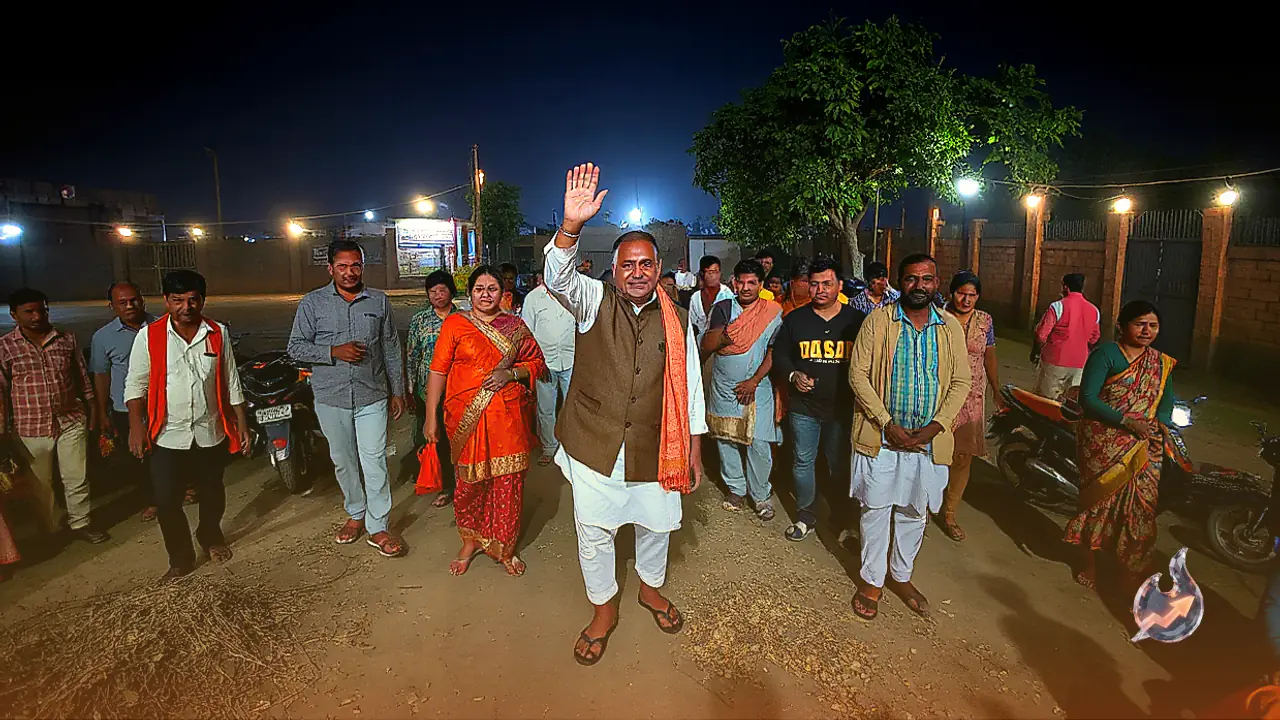




















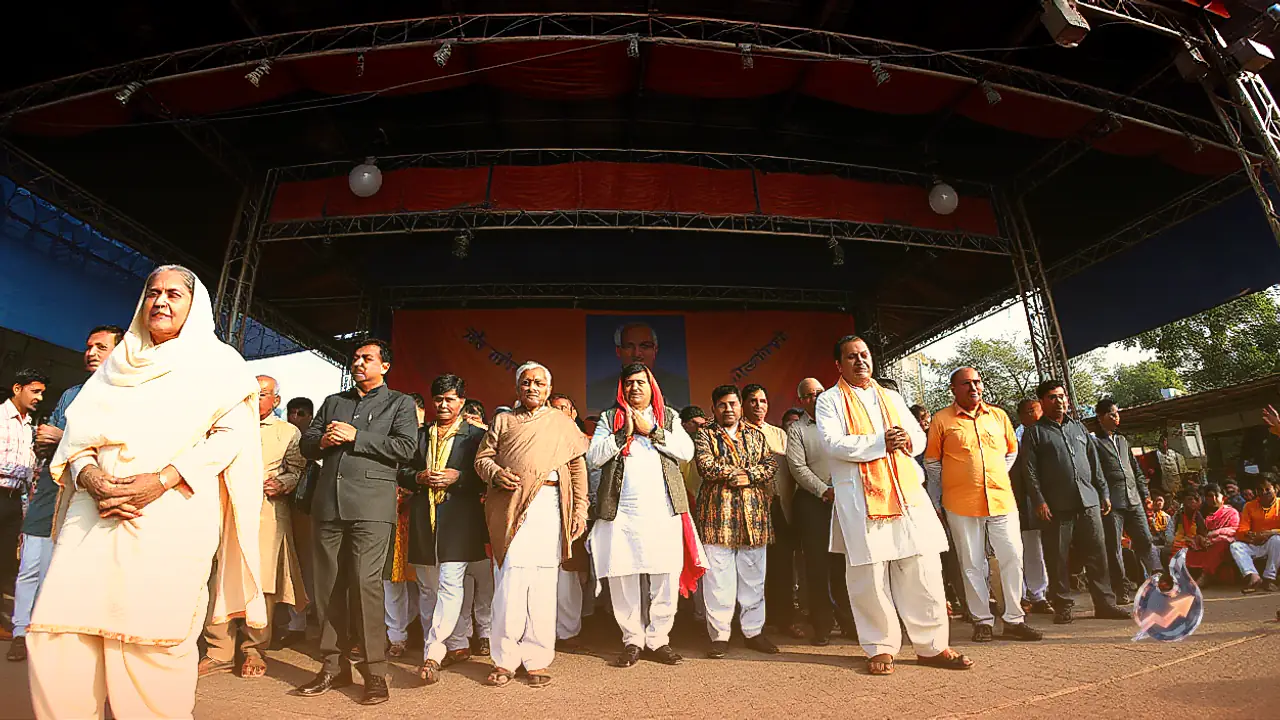

Political activity across Uttar Pradesh is intensifying as political parties map out their strategies for the upcoming 2027 assembly elections, with the Bahujan Samaj Party working hard to reclaim its lost political ground. In this ongoing political buildup, the date of December 6 holds immense significance for the party, as the scheduled gathering at the Dr. Bhimrao Ambedkar Samajik Parivartan Sthal in Lucknow on Mahaparinirvan Diwas is shaping up to be much more than a routine tribute event. The occasion is expected to serve as a major platform for party chief Mayawati to rally her cadres and unveil key electoral strategies ahead of the high-stakes polls. District presidents from all 75 districts will gather to review crucial organizational matters, including booth management and the meticulous selection of prospective candidates. While the party leadership has not yet officially released a detailed election manifesto or a formal list of nominees, recent organizational meetings and public statements from the top leadership suggest that several strong political messages will emerge from the gathering.
Empowerment and Share in Power
The party supremo has already been actively championing the core political slogan advocating for complete ownership of governance alongside voting rights. During the December 6 event, she is expected to make a passionate appeal to Dalits, backward classes, minorities, and other marginalized sections of society to unite under the banner of the party. Her primary emphasis will likely center on ensuring that the Bahujan community transforms from a mere vote bank into a formidable political force capable of securing an active share in state power. Through such focused messaging, the leadership aims to reconnect with its core voter base and consolidate its support network.
Strengthening Organization at the Booth Level
Recent high-level meetings convened with district presidents from all 75 districts have thoroughly evaluated booth management efficiency, organizational shortcomings, and candidate identification processes. Consequently, Mayawati is expected to issue strict directives to district and assembly-level office bearers to assign responsibilities down to individual booths, weed out inactive workers, and complete all electoral preparations well ahead of schedule. Cementing organizational strength at the grassroots level remains a top priority for the party leadership as they prepare for the electoral battle.
Signals on Candidate Selection and Timelines
The careful selection of candidates has always been a critical and sensitive component of the party's electoral playbook. Rather than announcing nominees at the eleventh hour as seen in past cycles, the party is reportedly working on identifying strong and viable faces well in advance. The December 6 gathering could see Mayawati laying down specific timelines or organizational guidelines regarding potential candidates, providing much-needed clarity to local workers and aspirants across various constituencies.
Aggressive Stance on EVMs and Electoral Systems
During recent deliberations, the party chief reiterated her persistent demand to replace electronic voting machines with traditional ballot papers for conducting elections. She also voiced serious concerns regarding the overall fairness of the current electoral apparatus, pointing to the alleged misuse of financial clout, muscle power, and state administrative machinery. Given these strongly held positions, she is likely to articulate her party's posture toward the election commission as well as the central and state governments in an even more aggressive manner during the upcoming event.
Reaffirming the Solo Electoral Strategy
The party has already indicated that it will contest the 2027 assembly elections entirely on its own without entering into any formal alliances. Reports emerging from September 2026 underscored that the party chief had firmly ruled out joining hands with any coalition, choosing instead to go solo. Therefore, the December 6 platform will likely be utilized to reiterate this independent strategy and assure party workers that preparations are underway to return to power entirely through their own collective strength and grassroots mobilization.
Growing Political Challenges for BJP and SP
The renewed discussions surrounding the party's potential resurgence carry significant weight because the Dalit voter demographic in Uttar Pradesh remains crucial for both the ruling Bharatiya Janata Party and the opposition Samajwadi Party. The ruling party has made concerted efforts over successive elections to build inroads among non-Jatav Dalit communities, while the opposition party relies heavily on its PDA coalition formula to attract Dalit voters. Consequently, any political consolidation by the Bahujan Samaj Party could pose fresh challenges for both major rivals.
Keen Eyes on Akash Anand's Role
Following his reinstatement within the party hierarchy and his appointment to the position of national coordinator, discussions regarding Akash Anand's precise political role have continued to generate considerable interest. His presence could prove vital in connecting with young voters and the newer generation of party workers. Observers will closely watch his level of activity and his physical presence alongside Mayawati during the December 6 event, although no official confirmation has been issued regarding whether he will deliver a public speech or assume any new formal responsibilities.
A Three-Pronged Electoral Test
Should the party successfully recapture a substantial share of the Dalit electorate, it could notably impact both the ruling party's non-Jatav support base and the opposition's coalition arithmetic. However, this does not guarantee an immediate, blanket return of all Dalit votes, as voter preferences vary significantly across different regions and communities. The December 6 event will serve as a triple test for the organization, measuring its ability to gather massive crowds, display tangible organizational muscle, and deliver a compelling political message to marginalized sections across all communities. While the overarching goal is to replicate the stunning comeback achieved in 2007, realizing that ambition will require sustained grassroots activity, strong candidates, localized leadership, and an effective strategy to convert raw votes into winning assembly seats.