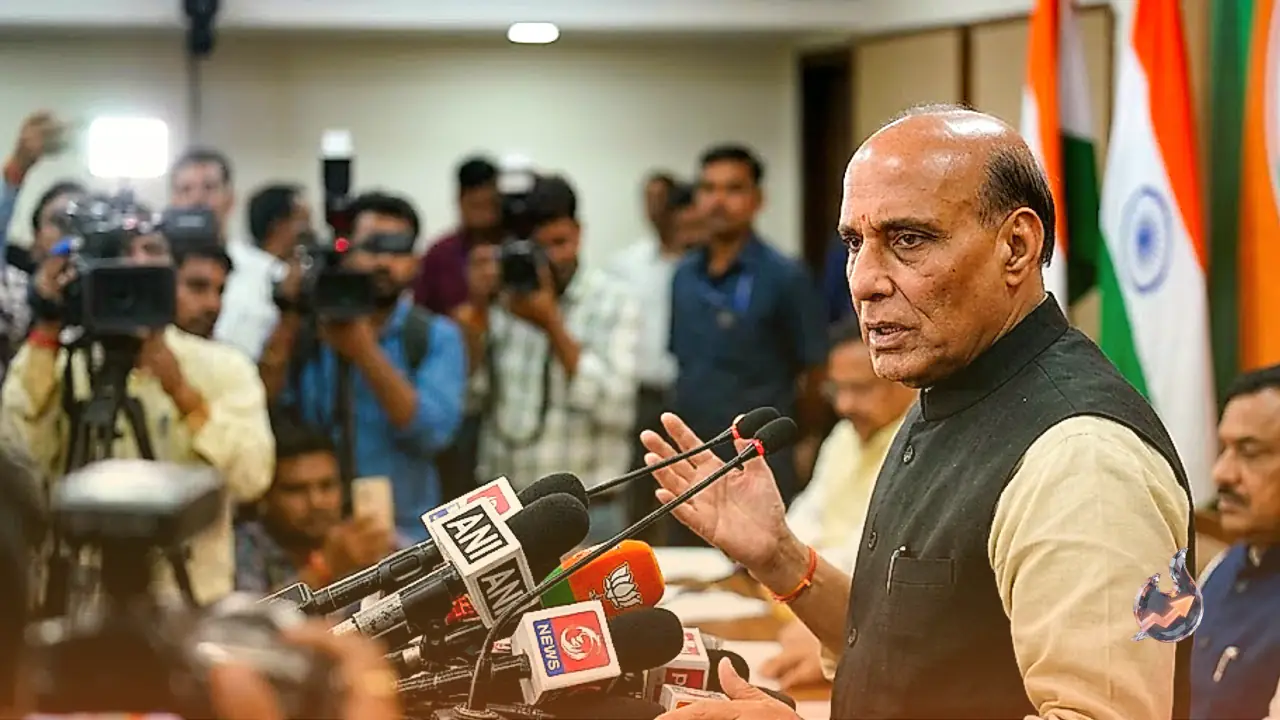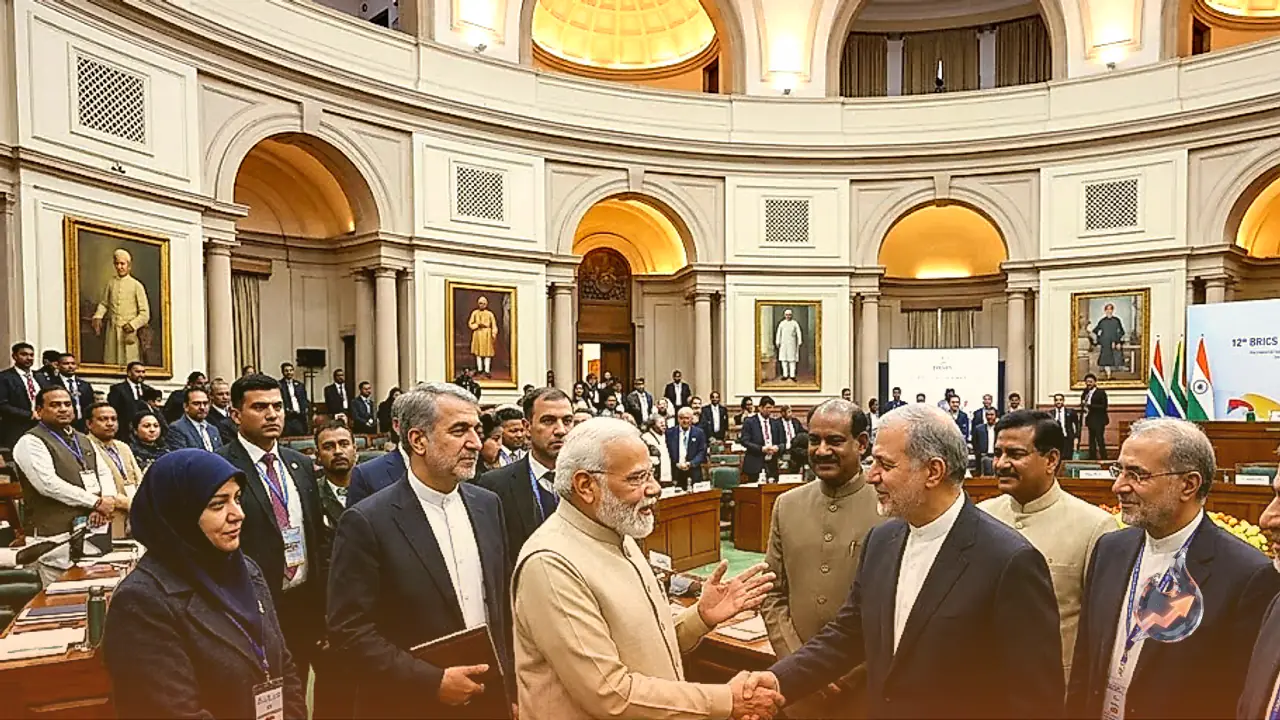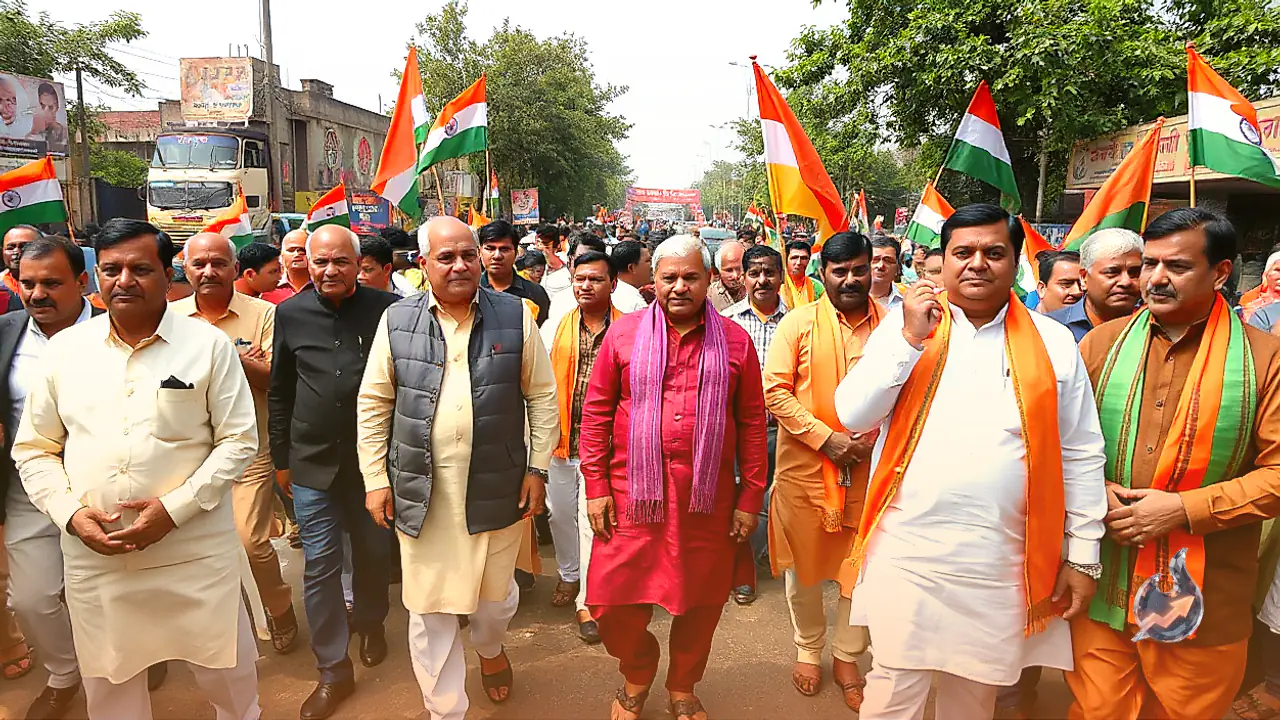


















The ongoing monsoon session of Parliament witnessed a complete breakdown of legislative proceedings on Thursday, as the opposition aggressively cornered the ruling government over the irregularities in the NEET examination. The massive uproar over the paper leak controversy forced the presiding officers to adjourn both the Lok Sabha and the Rajya Sabha until twelve noon. While the political temperature reached a boiling point inside the legislative chambers, the situation outside proved equally volatile. A rapidly escalating protest in the heart of the national capital prompted authorities to completely shut down sixteen major transit stations, throwing morning commutes into disarray across New Delhi.
Prime Minister Promises Swift Justice
In an attempt to address the growing national outrage, Prime Minister Narendra Modi made a significant announcement early Thursday morning. Acknowledging the gravity of the examination irregularities, he declared the establishment of dedicated fast-track courts. These specialized judicial bodies are intended to handle the swift disposal of all pending cases related to the paper leak. The Prime Minister took a firm stance, declaring unequivocally that anyone found guilty of jeopardizing the future of young students will face severe consequences and will not be spared under any circumstances.
Taking to the social media platform X to broadcast this decision, Modi emphasized that protecting the interests and securing the future of the nation's youth remains the highest priority of his administration. He elaborated that the fast-track courts are designed to ensure that the culprits receive rigorous punishment in the shortest possible time. Furthermore, he noted that clear directives have already been communicated to the relevant governmental departments to implement these measures immediately. The Prime Minister framed this initiative as a critical and necessary step in an ongoing series of governmental actions aimed at safeguarding the integrity of the educational evaluation process.
Opposition Rejects Government Assurances
The Prime Minister's early morning declaration failed to pacify the agitating opposition leaders. Rahul Gandhi, holding the position of the Leader of the Opposition in the Lok Sabha, maintained a rigid stance and adamantly repeated his demand for the immediate resignation of the Union Education Minister, Dharmendra Pradhan. Gandhi argued that mere procedural announcements are insufficient given the scale of the crisis. He utilized his official handle on X to launch a direct and scathing attack on the government's handling of the entire situation.
Gandhi accused the highest levels of leadership of inflicting unprecedented damage upon the prospects of the younger generation. He alleged that the ruling administration has not only allowed the complete capture and destruction of the country's education system but has actively encouraged this downfall. He further charged the government with providing a protective shield to every individual responsible for the fiasco. Laying out clear conditions, Gandhi stated that the students' demands are straightforward, seeking the immediate removal of Pradhan from his ministerial post, a formal public apology directed at the affected candidates, and stringent punitive action against authorities who unleashed violence upon peaceful demonstrators.
Kharge Condemns Police Action on Students
The offensive against the government was further amplified by Congress President Mallikarjun Kharge, who directed his criticism straight at Narendra Modi. Kharge challenged the Prime Minister to look directly into the eyes of the young citizens who have been physically wounded during street demonstrations. Responding to the government's pledge that culprits would not go unpunished, the veteran leader questioned where the youth are supposed to turn when all avenues for justice appear closed to them.
In a strongly worded post on X, Kharge painted a devastating picture of the systemic collapse occurring under the current regime's watch. He dismissed the newly announced measures as nothing more than hollow rhetoric and fragmented solutions that fail to address the core rot. Kharge focused heavily on the physical toll the protests have taken, strongly condemning the administration for deploying excessive force. He detailed how the authorities resorted to aggressive lathi charges and utilized both pellet guns and shock batons against unarmed candidates. He described the crackdown as a display of fearless and brutal savagery, noting that the government treated the protesting students as if they were not the children of their own nation.
Demand for Formal Parliamentary Debate
The demand for accountability translated into formal parliamentary maneuvers within the upper house. Congress Member of Parliament Randeep Surjewala submitted an official notice in the Rajya Sabha invoking the stringent Rule 267. This specific provision of the Rules of Procedure and Conduct of Business in the Council of States allows a member to request the suspension of all pre-scheduled legislative work to debate an issue of extraordinary public importance. Surjewala's notice targeted the listed business for July 23, 2026.
In his submission, Surjewala made his intentions absolutely clear. He demanded that the house must set aside standard procedures, including the critical zero hour, the question hour, and all other items on the day's agenda. His objective was to force an immediate and comprehensive parliamentary discussion covering three main pillars, namely the widespread NEET question paper leak, the aggressive police retaliation against the protesting student community, and the urgent necessity for comprehensive educational reforms. He categorized the prevailing situation as a deep-rooted institutional crisis infecting the entire examination framework of India, arguing that it warrants the highest level of legislative scrutiny.
Massive Transit Disruptions Hit the Capital
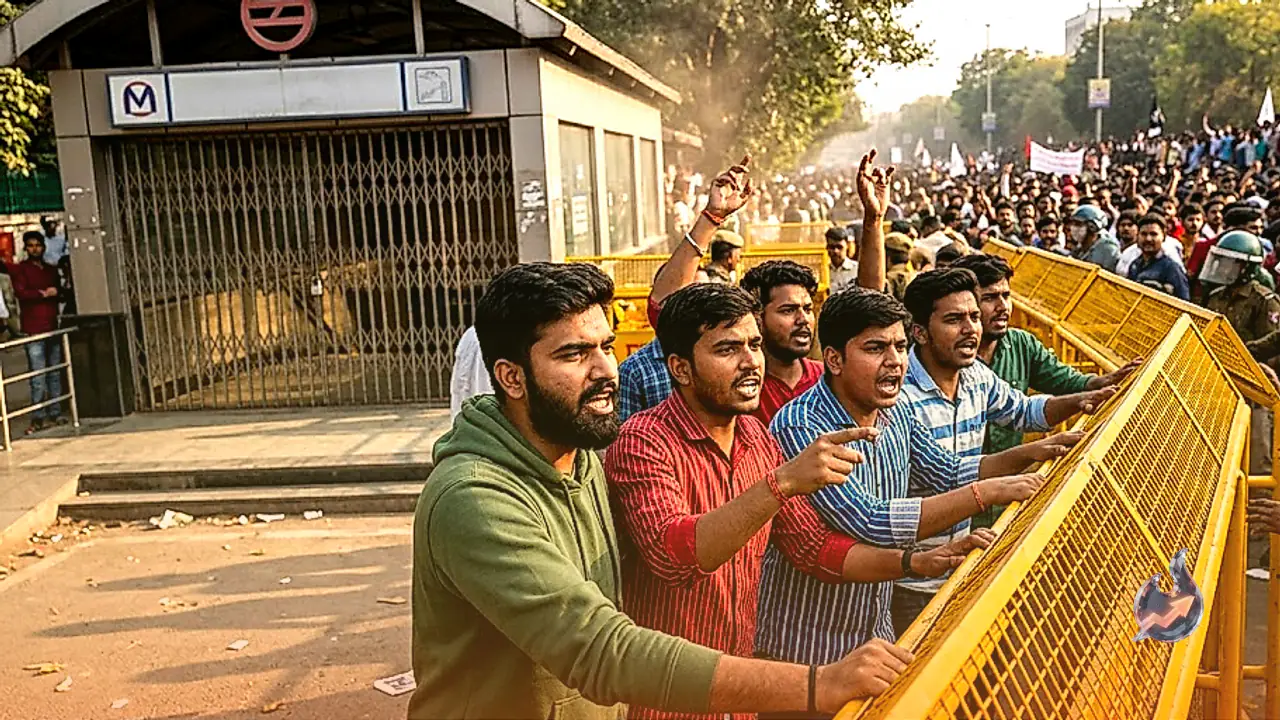
While lawmakers clashed over policy and accountability, the tangible impact of the political unrest gripped the streets of the capital. The Delhi Metro Rail Corporation, the agency managing the city's rapid transit network, abruptly suspended operations at sixteen critical stations on Thursday morning. The DMRC cited pressing security reasons for this sudden lockdown, stating that the closures would remain in effect until further directives are received from the authorities.
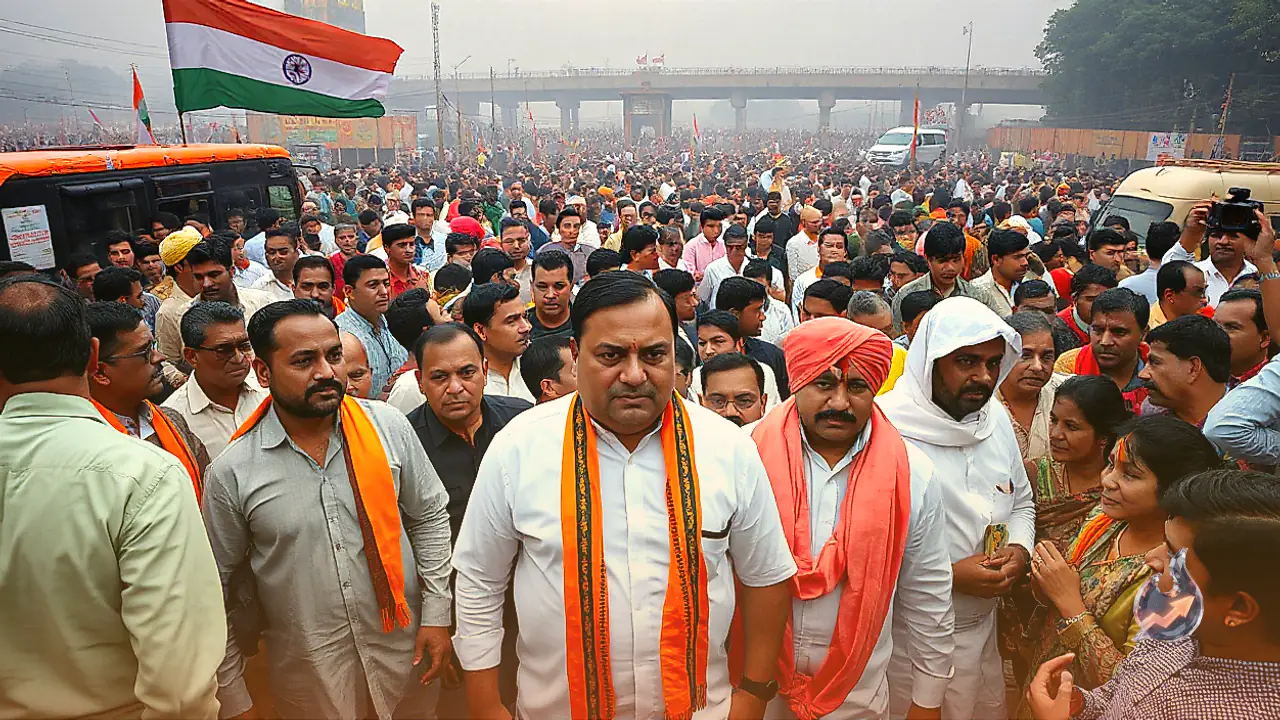
This drastic measure was taken in direct response to a massive and rapidly growing gathering at Jantar Mantar. Supporters and members of the Cockroach Janta Party had convened at the historic protest site, leading to concerns about crowd control and public safety in the surrounding highly sensitive zones. Through a formal update posted on X, the DMRC listed the affected locations, which serve as the primary arteries for commuters accessing the central business and administrative districts.
The sweeping closures paralyzed access to major interchange points and prominent landmarks. The barricaded stations included Rajiv Chowk, a major commercial hub, alongside Central Secretariat, Mandi House, ITO, and Khan Market. The authorities also shut down entry and exit gates at Lok Kalyan Marg, Patel Chowk, Ramakrishna Ashram Marg, Barakhamba Road, Supreme Court, Sewa Teerth, Janpath, Delhi Gate, Indraprastha, Jor Bagh, and Shivaji Stadium. This widespread transit disruption added a layer of logistical chaos to a day already dominated by intense political confrontation and national debate over the future of education.