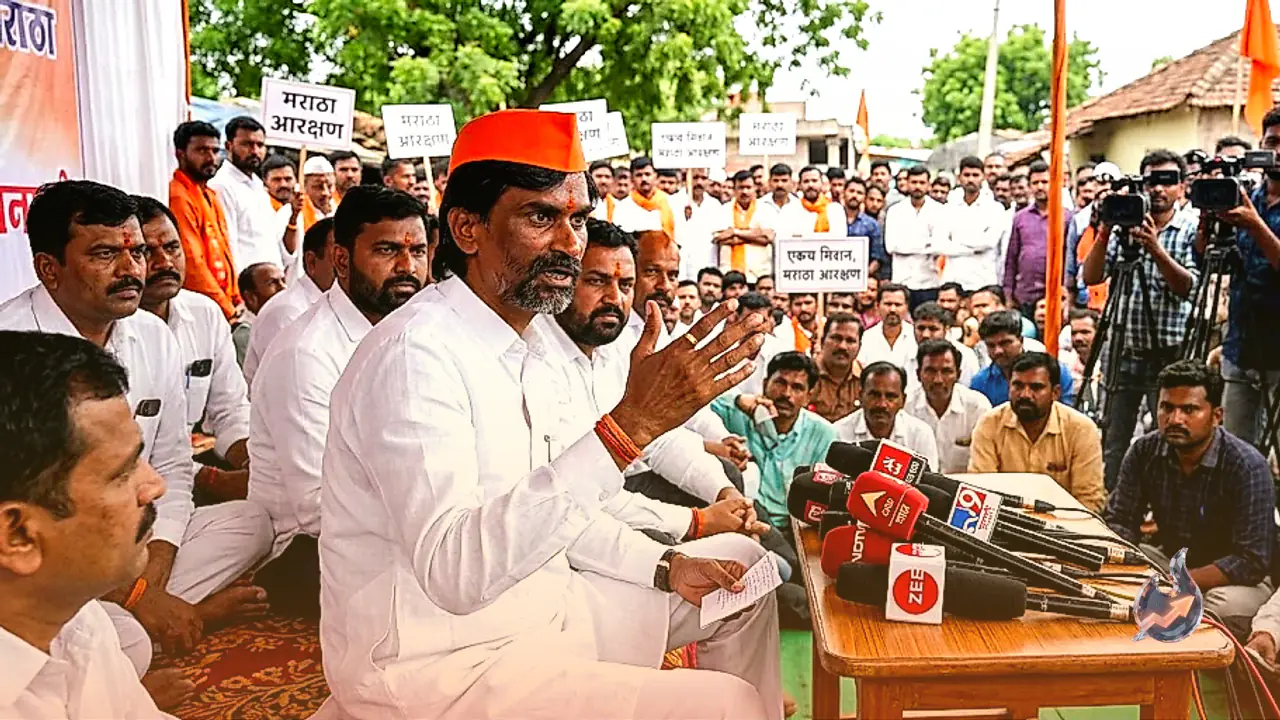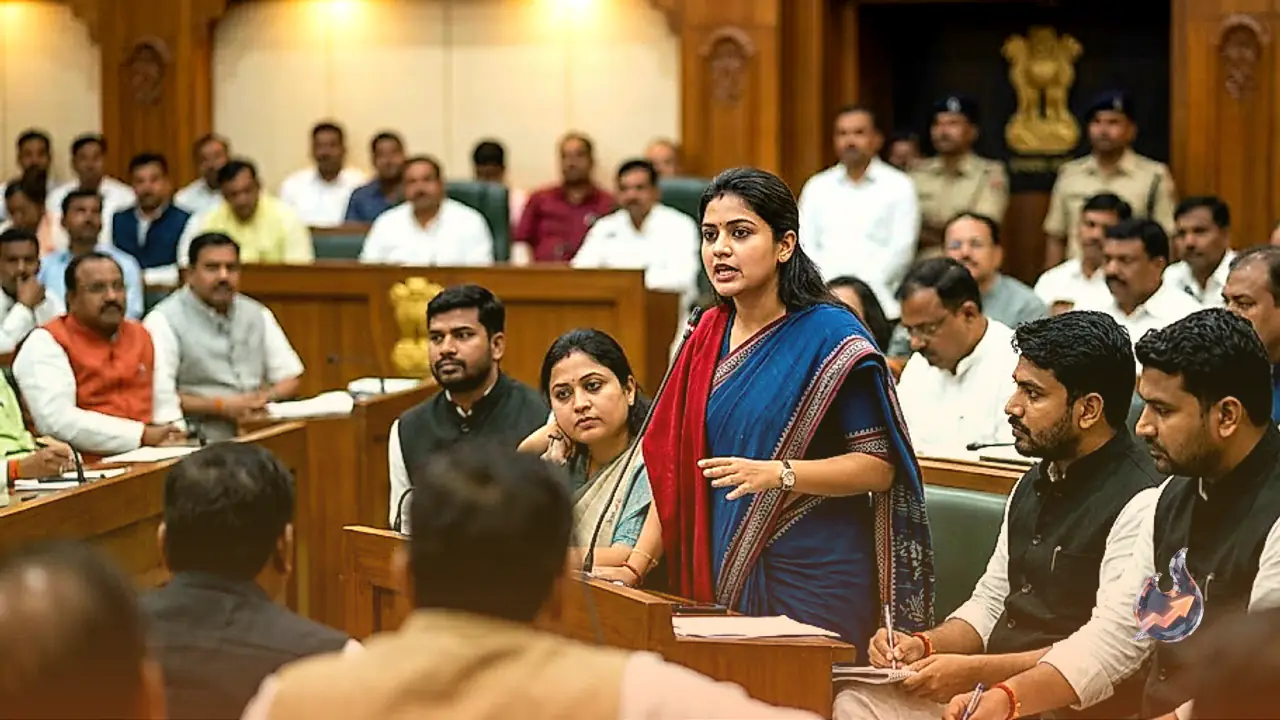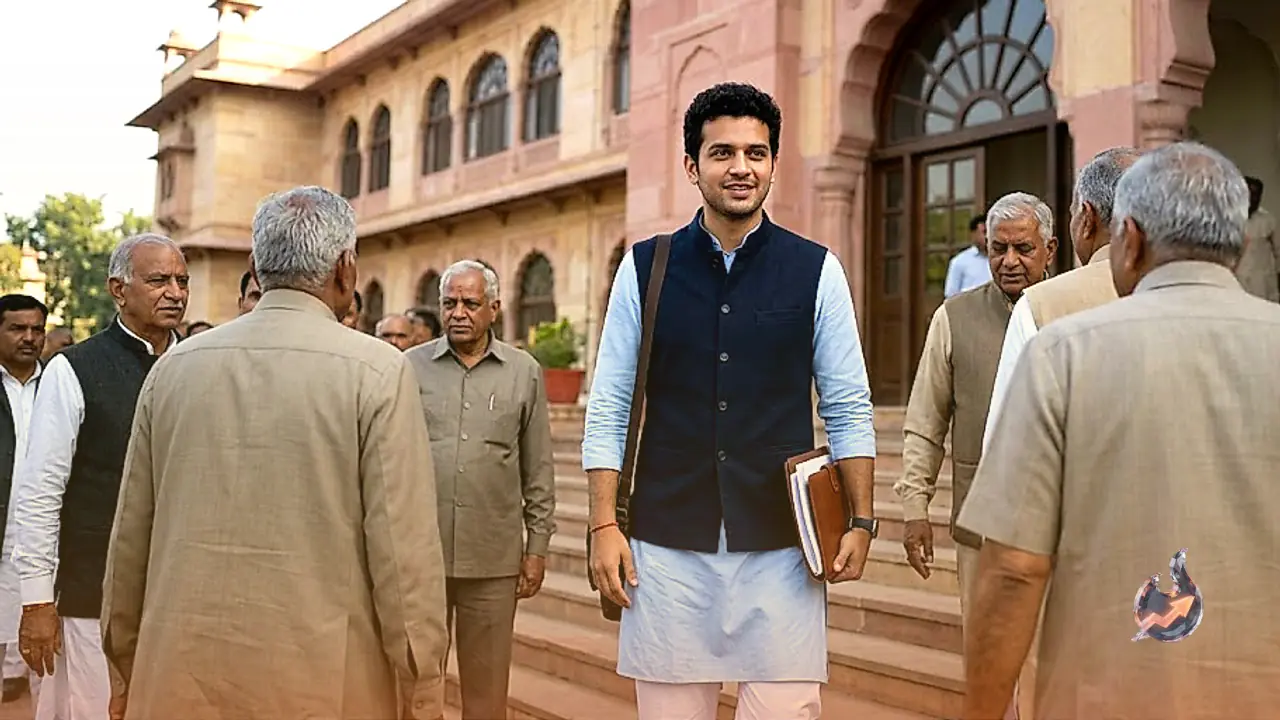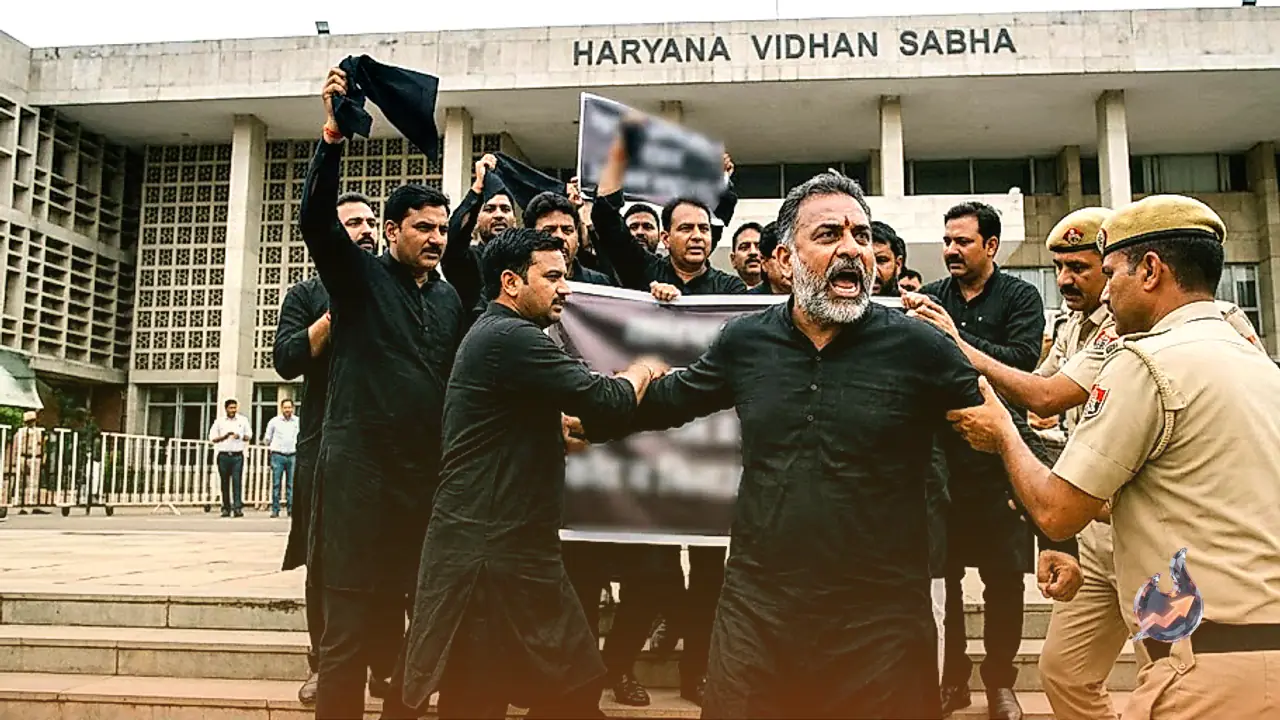



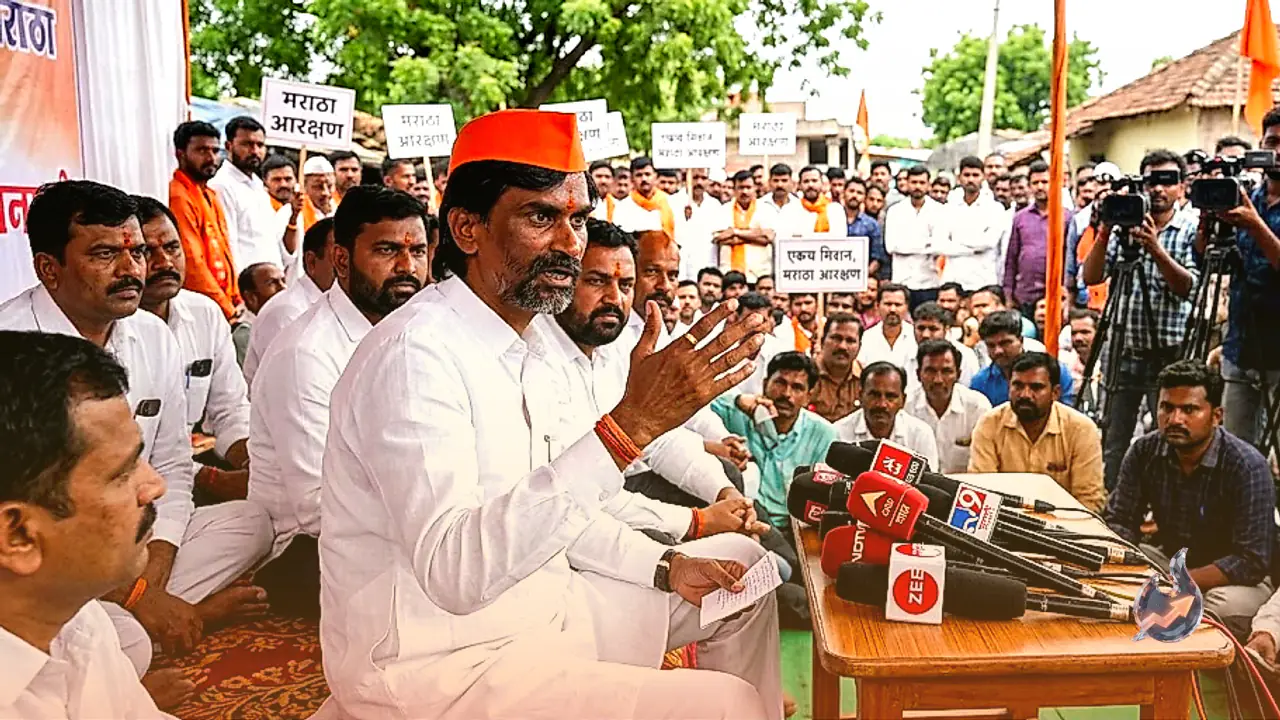
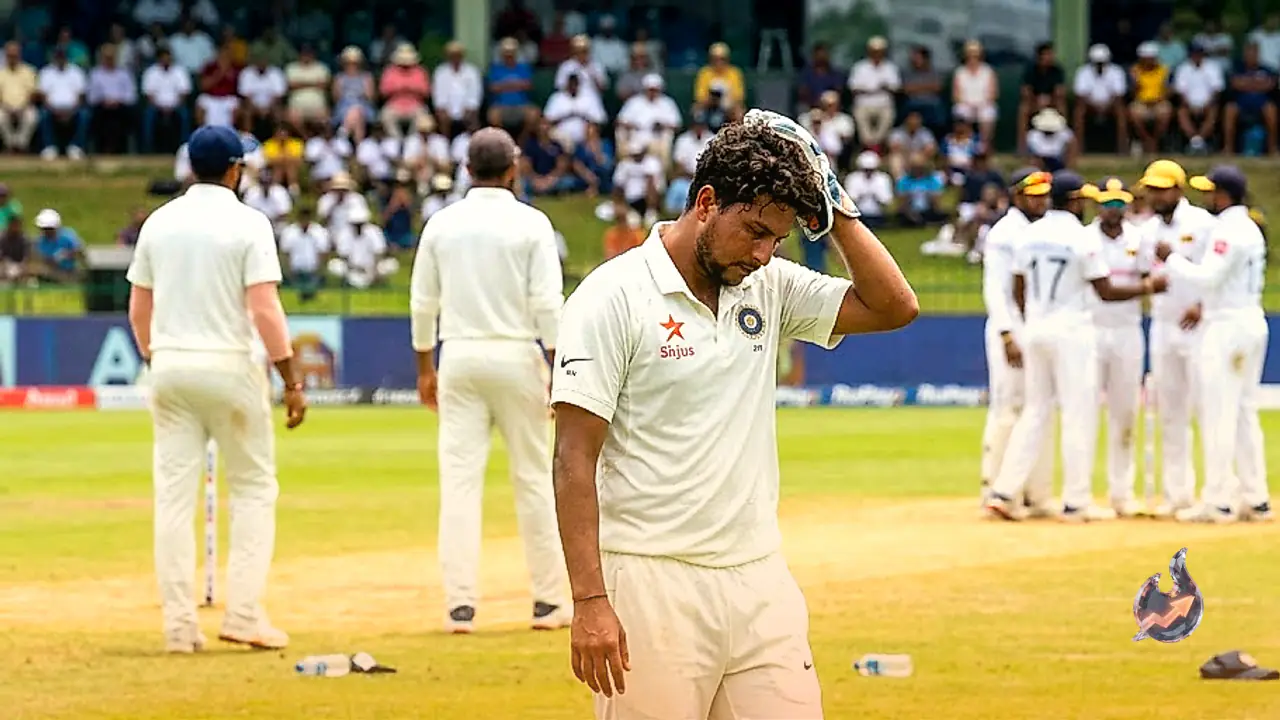














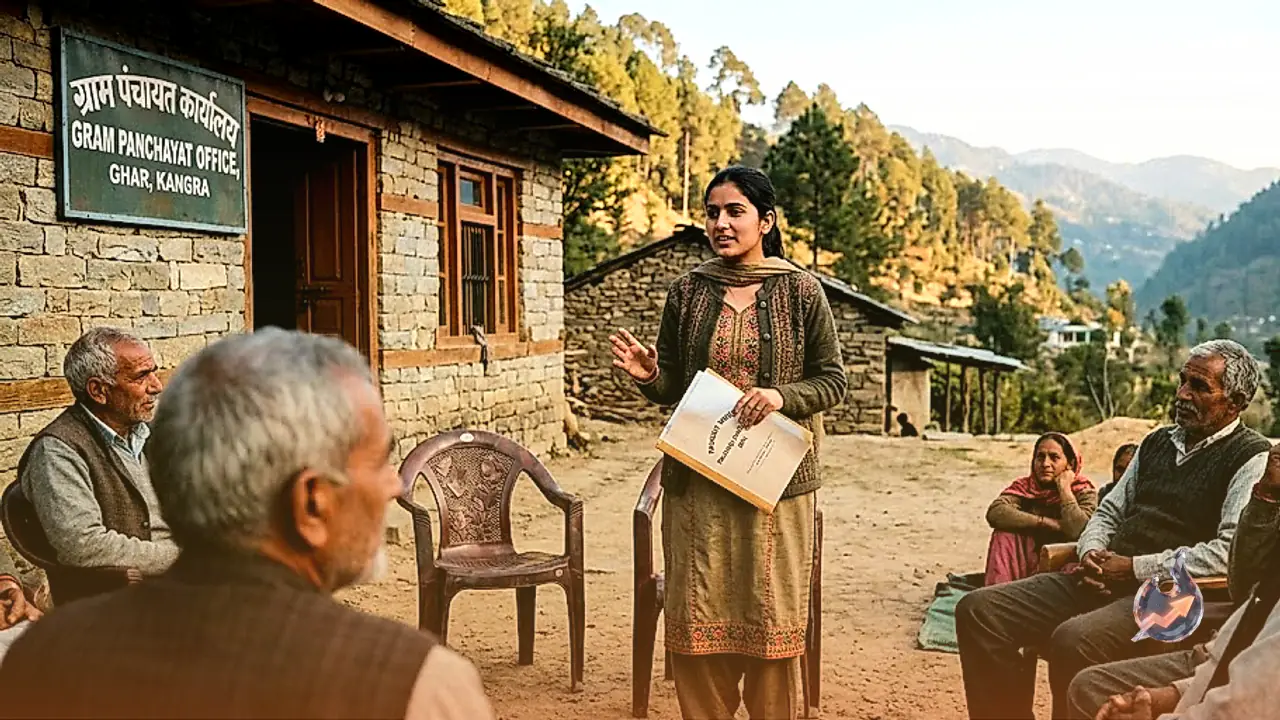

Across the country, political parties are increasingly shifting their focus toward engaging Generation Z voters. Following the widespread protests surrounding the NEET examination in Delhi, the political potential of younger demographics has become a focal point of discussion. Senior political figures, including Congress leader Rahul Gandhi, have been actively interacting with Gen Z to build targeted outreach strategies. However, an analysis of state-level legislative representation reveals a stark contrast between grassroots administration and state assembly seats. In Himachal Pradesh, the state assembly currently has zero Gen Z members, even as youth participation thrives in local governance bodies.
Age Breakdown of Young Legislators in Himachal Assembly
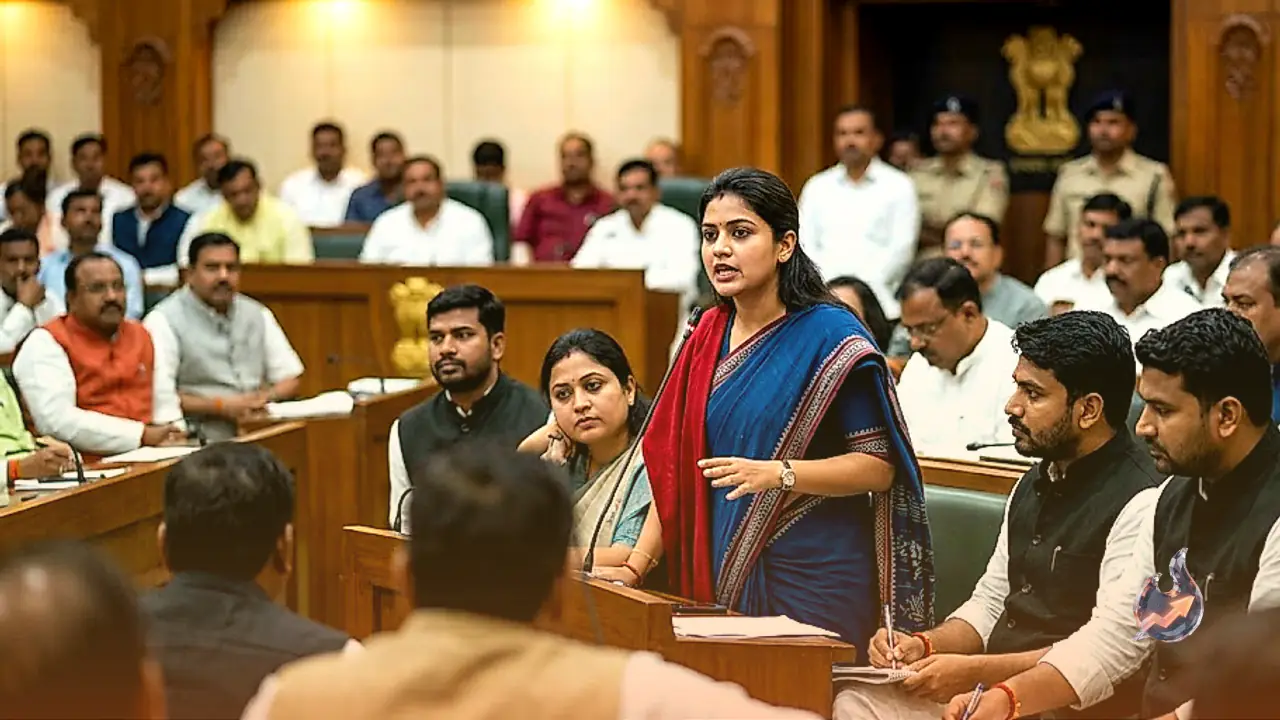
While Himachal Pradesh lacks any assembly member belonging strictly to the Gen Z age bracket, the legislative body does feature 8 MLAs aged between 30 and 40 years. The youngest serving member of the assembly is Anuradha Rana, who represents the Lahaul Spiti constituency. She was born in 1933 and is currently 33 years old, having secured her initial election victory at the age of 31. Her election marked a notable achievement for young leadership in the mountainous region.
Among other relatively young assembly members, Vikramaditya Singh is currently 36 years old, having first entered the legislature in 2017 when he was just 26. Additionally, BJP MLA Deep Raj from Karsog and BJP MLA Lokendra Kumar from Anni are both 37 years old. Hamirpur Sadar MLA Aashish Sharma stands at 39 years of age. These statistics underline that while lawmakers in their thirties have established a presence, representatives under the age of 28 are completely absent from the state assembly.
Grassroots Democracy Sees Massive Gen Z Wave
In contrast to the state legislature, local government elections in Himachal Pradesh have witnessed overwhelming involvement from Gen Z candidates and voters. During the local body and panchayat elections conducted in May, approximately 52,000 individuals were registered as first-time voters. This fresh electorate played a crucial role in shaping electoral outcomes across rural areas.
Electoral data highlights that 10,200 nominations were initially filed by Gen Z candidates for panchayat posts. Following nominations and withdrawals, more than 8,000 Gen Z contenders actively contested the polls. When results were declared, around 4,000 candidates between the ages of 21 and 30 secured victories, effectively taking charge of local governance structures. However, urban local bodies showed a different trend: across the municipal corporations of Dharamshala, Solan, Mandi, and Palampur combined, only a single Gen Z candidate managed to win a seat.