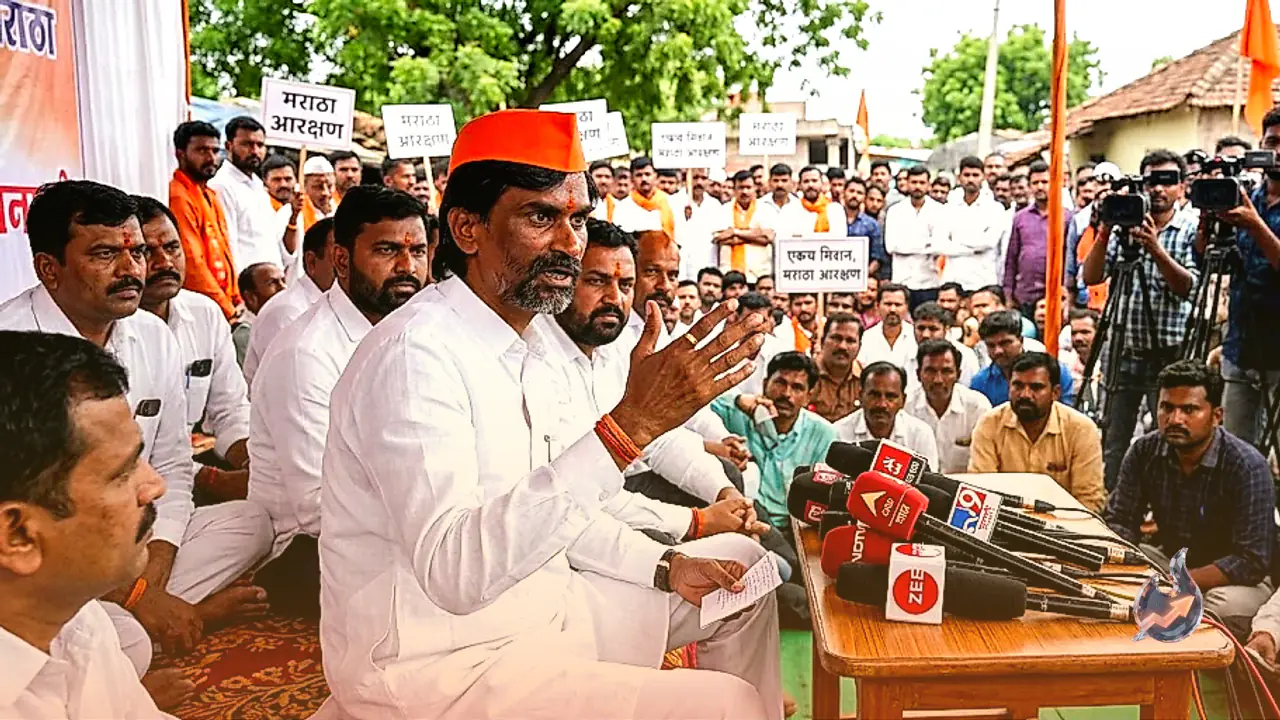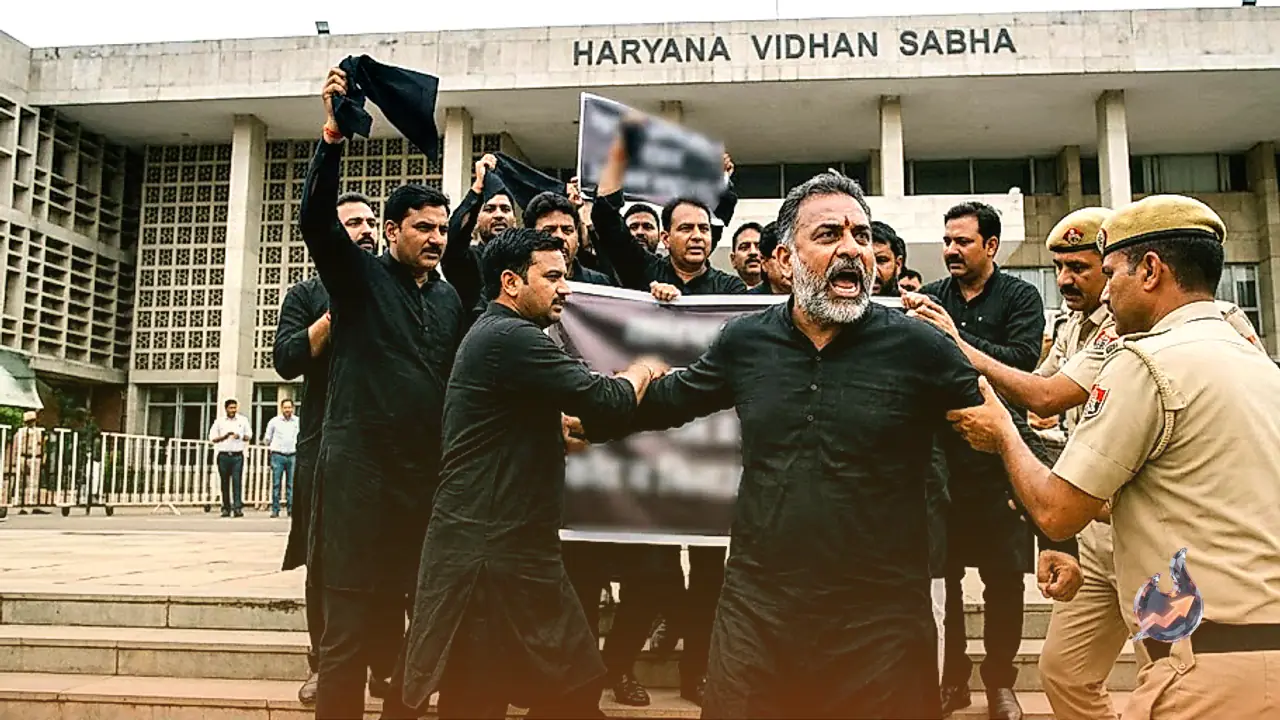















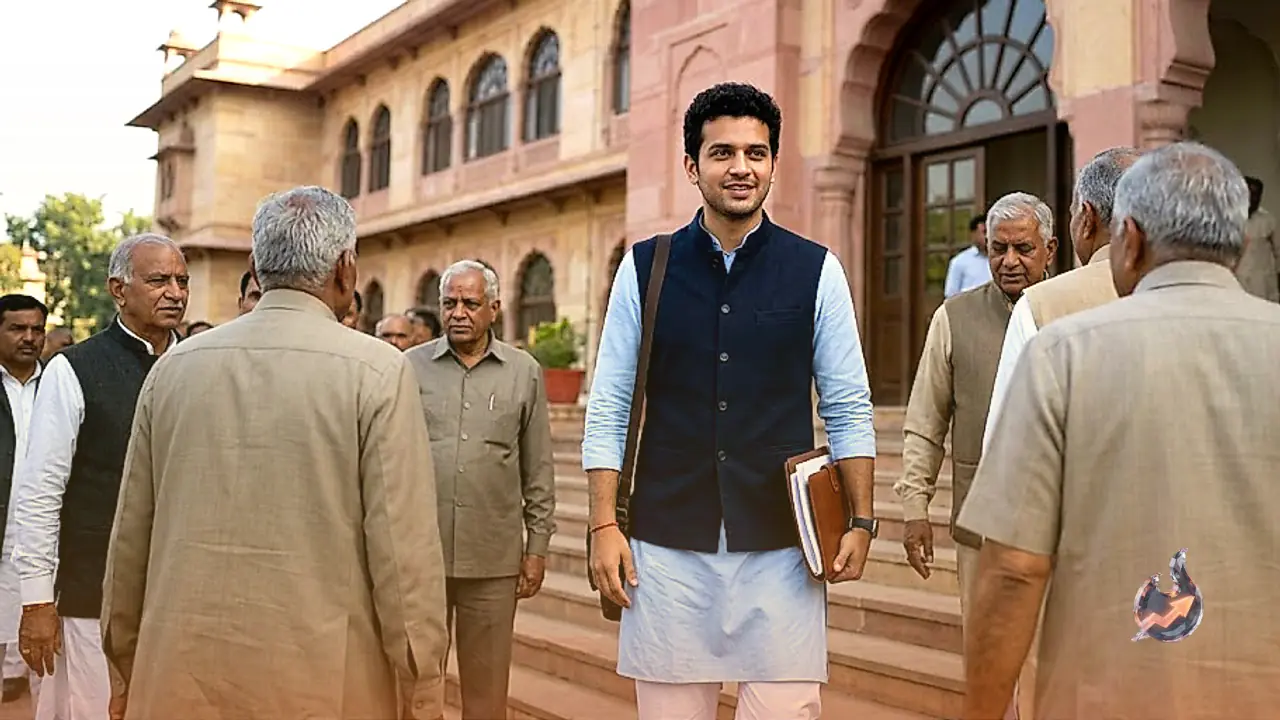

Following intense nationwide demonstrations led by Gen Z youth at Delhi's Jantar Mantar over the NEET paper leak controversy, young voters across India are reshaping the national political discourse. Student organizations like the Cockroach Janta Party (CJP) have been expanding their presence across multiple states, including Rajasthan, to demand extensive education system reforms. However, despite their growing activist presence, Generation Z remains starkly underrepresented inside the halls of power. In the 200-member Rajasthan Legislative Assembly, independent MLA Ravindra Singh Bhati stands as the sole representative belonging to Generation Z, even though the state is home to approximately 25 million young people within this age demographic.
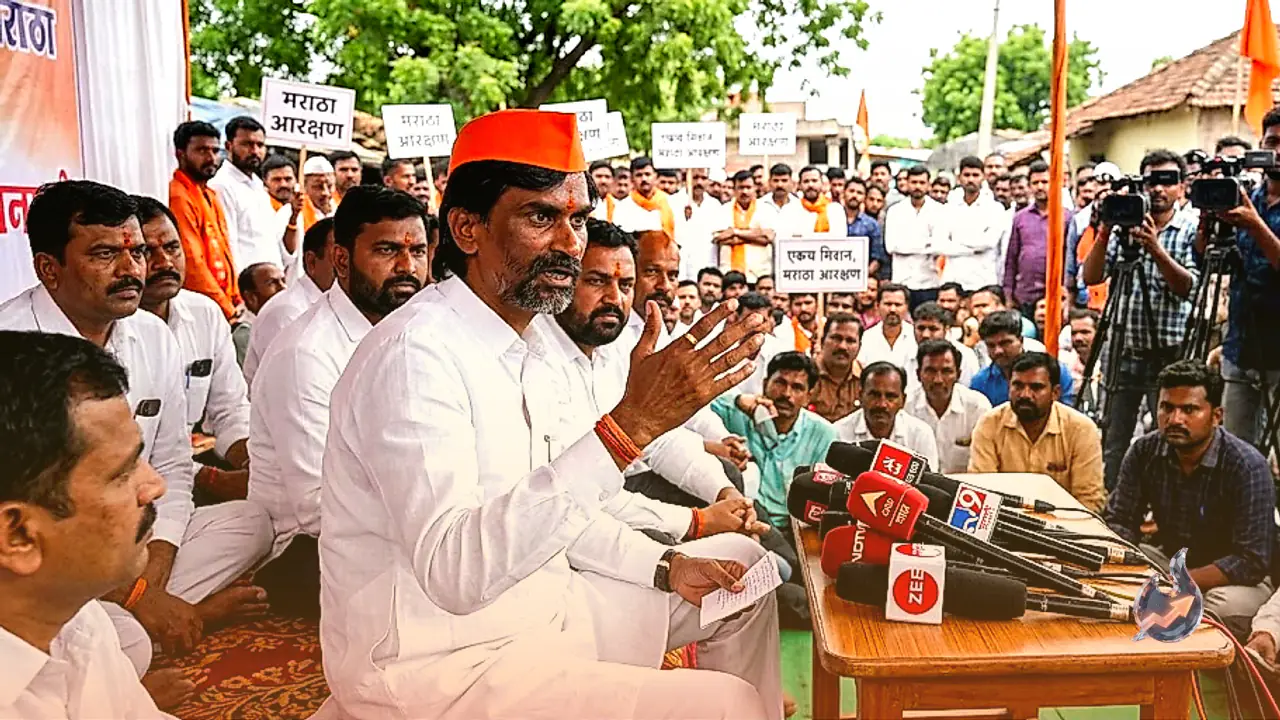
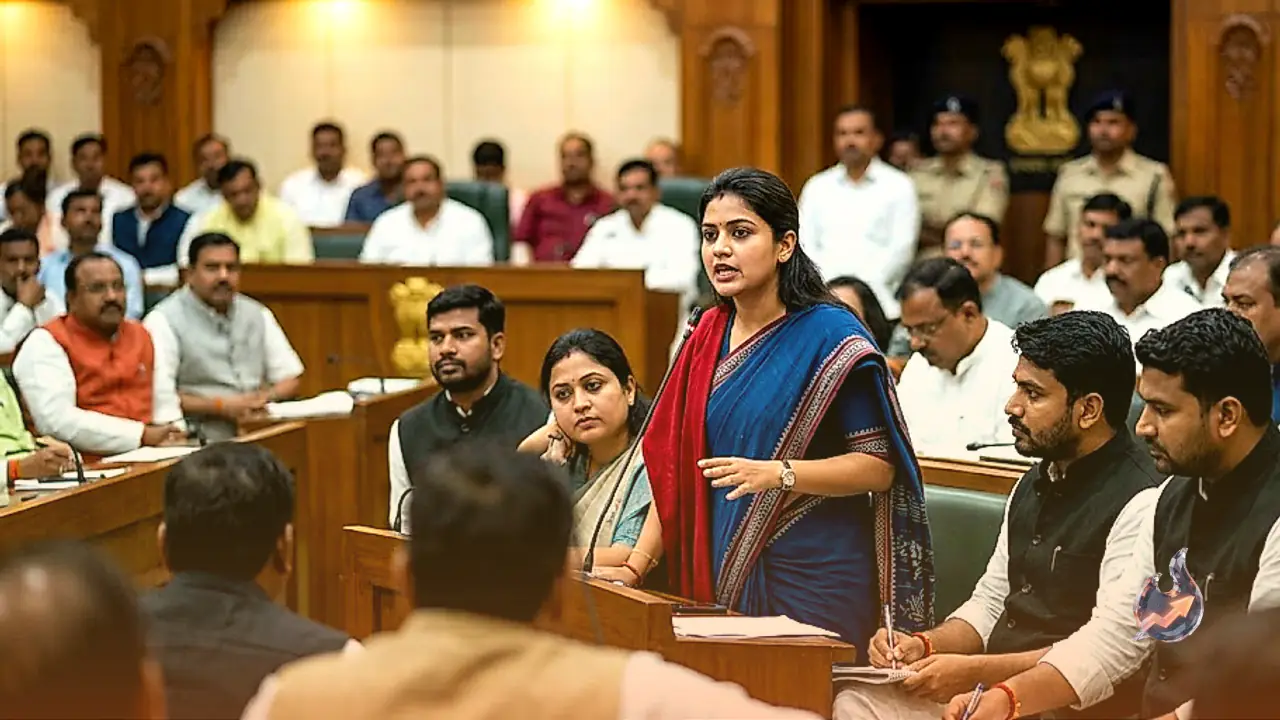
Shiv MLA Ravindra Singh Bhati: Sole Gen Z Representative in the 200-Seat House
Generation Z encompasses individuals born between 1997 and 2012, bringing their age bracket to between 14 and 29 years old in 2026. While India is globally recognized for its massive youth population, Rajasthan reflects this demographic strongly, boasting over 25 million Gen Z citizens out of a total state population exceeding 85 million. Yet, across all 200 assembly constituencies in Rajasthan, Ravindra Singh Bhati is the only member who falls within this age group. Bhati, who contested and won as an independent candidate from the Shiv constituency in Barmer district, successfully mobilized thousands of young supporters during his campaign meetings, establishing himself as a prominent young voice in state politics.
Official Legislative Records and Age Profiles of Rajasthan's Youngest Leaders
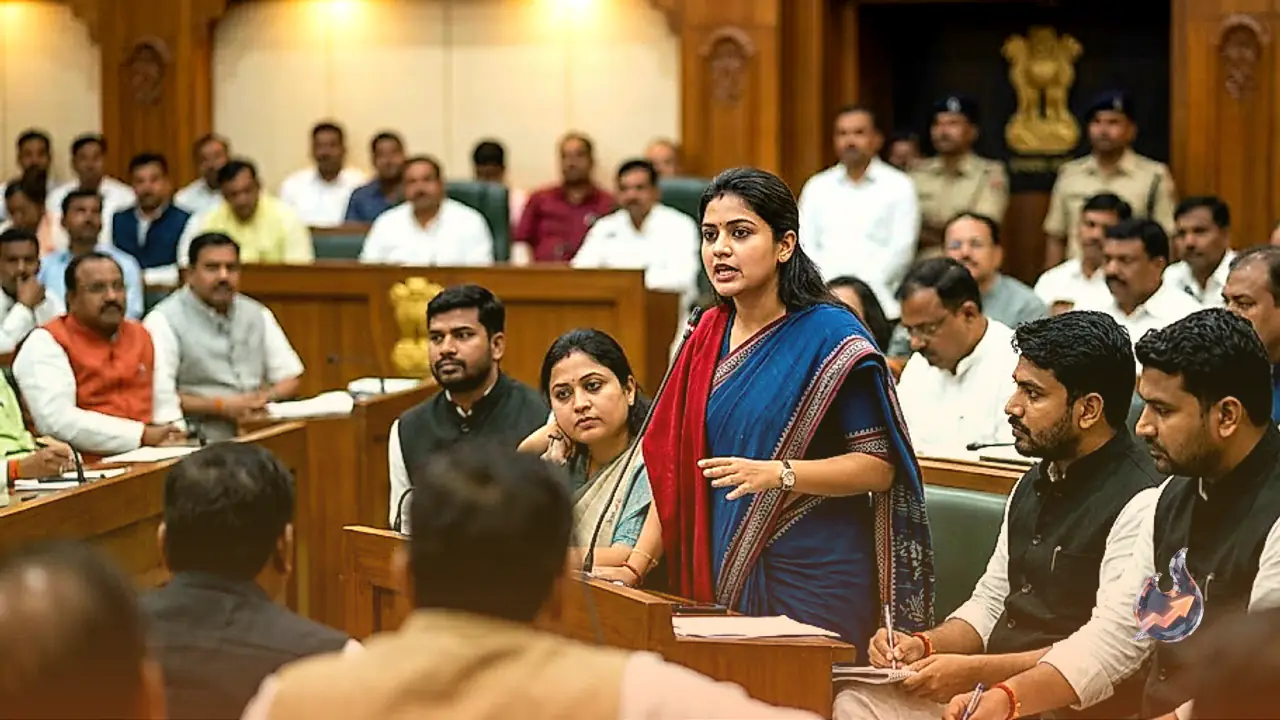
According to official personal records maintained on the Rajasthan Legislative Assembly website, Ravindra Singh Bhati was born on January 30, 1998, making him the youngest sitting member of the state assembly. The second-youngest legislator in the house is Anshuman Singh Bhati, who represents the Kolayat constituency in Bikaner district. Anshuman Singh Bhati was born on December 12, 1995, placing him just outside the 1997 cutoff for Generation Z. He comes from a well-known political family, being the grandson of former senior BJP cabinet minister Devi Singh Bhati and the son of the late former Member of Parliament Mahendra Singh Bhati. Meanwhile, in parliamentary politics, Member of Parliament Sanjana Jatav stands out as Rajasthan's lone Gen Z representative in the Lok Sabha. Representing the SC-reserved Bharatpur constituency, Jatav was born on May 1, 1998.
Shifting Political Perspectives Following Nationwide Youth Protests
The recent wave of grassroots activism surrounding the NEET paper leaks, coupled with the organizational growth of groups like the Cockroach Janta Party, has forced major political entities to reevaluate their outreach strategies. Both the Bharatiya Janata Party (BJP) and the Indian National Congress have begun adapting their policies to specifically address Gen Z concerns. Rather than viewing young citizens as passive voters, political organizations and governments at both central and state levels are establishing direct communication channels to engage with the emerging generation on education, employment, and policy matters.
Government Outreach and Strategic Recruitment Ahead of Local Body Polls
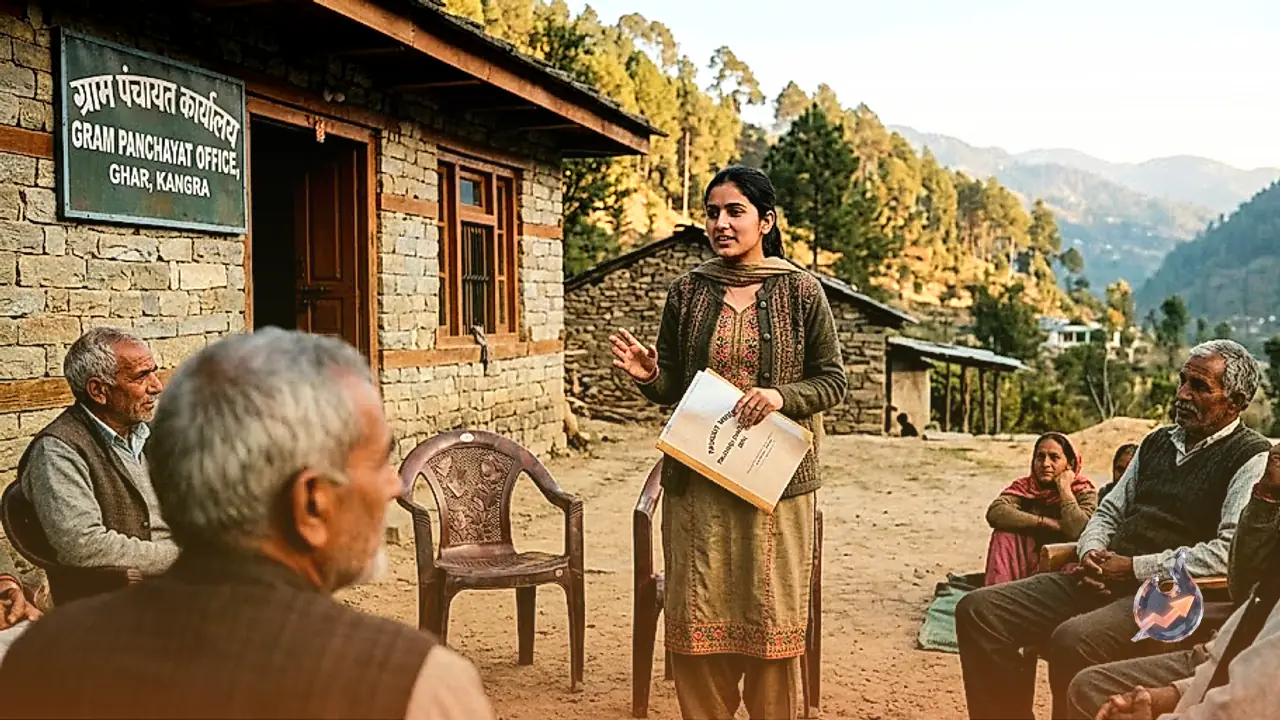
In Rajasthan, Chief Minister Bhajan Lal Sharma has implemented a direct outreach program aimed at integrating first-time voters into civic life. Under this initiative, the state administration sends personalized greeting cards and written messages to citizens turning 18, congratulating them and encouraging active participation in democratic processes. Simultaneously, both the BJP and Congress are promising increased representation for Gen Z candidates in upcoming municipal and panchayat elections. To operationalize this commitment, Congress launched a dedicated 'Panchayat Task Force Campaign' to recruit and elevate young local leaders. As a new generation of voters reaches adulthood, political parties are treating their aspirations with heightened seriousness to prevent political backlash in upcoming electoral cycles.