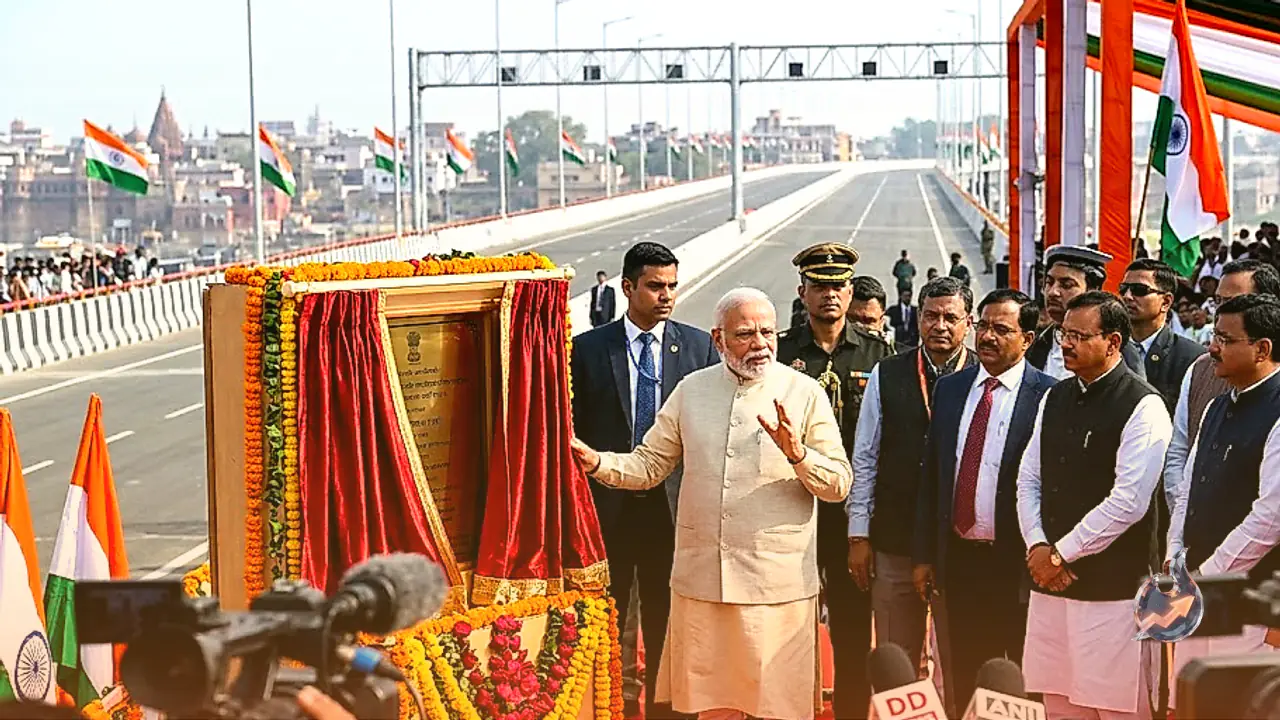
















Political rhetoric and sharp wordplay have long been central to Indian electioneering, but a fresh series of terms coined by Prime Minister Narendra Modi has triggered intense exchanges between the ruling party and the opposition. From major national addresses to academic interactions, the Prime Minister has frequently deployed vivid metaphors to target his critics. Rather than ignoring these sharp political jibes, leaders from the Congress and other opposition parties have actively responded, attempting to reframe the narrative and turning these phrases into a battlefield of ideological arguments.
The Independence Day Speech and the Origin of 'Mental Naxal'
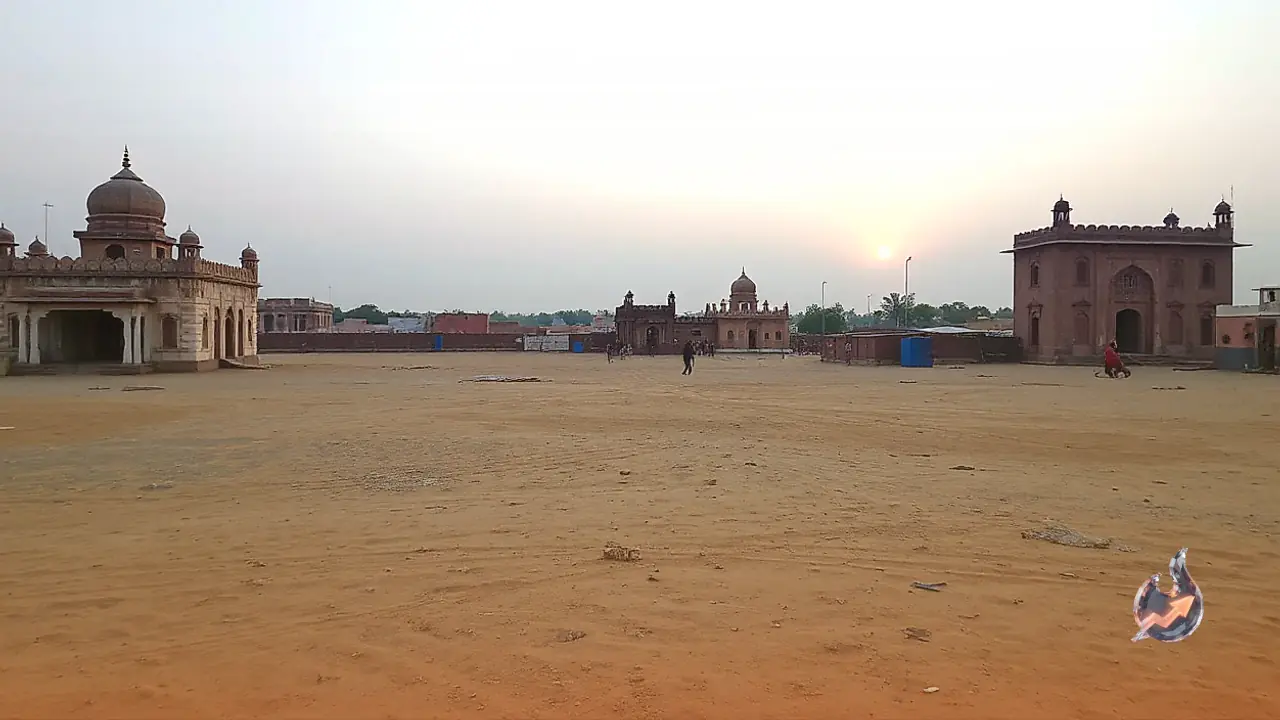
During his address to the nation from the Red Fort on 15 August 2026, Prime Minister Narendra Modi introduced the phrase 'Mental Naxal' (Dimagi Naxal) to describe a specific brand of obstructive ideology. Conventionally, Naxalism is viewed as a violent, destructive movement aimed at overthrowing the democratic system, a concept universally rejected by mainstream civil society due to its history of bloodshed. Consequently, political observers expected opposition parties to distance themselves completely from any association with such terminology. Instead, several prominent political figures chose to engage directly with the phrase.
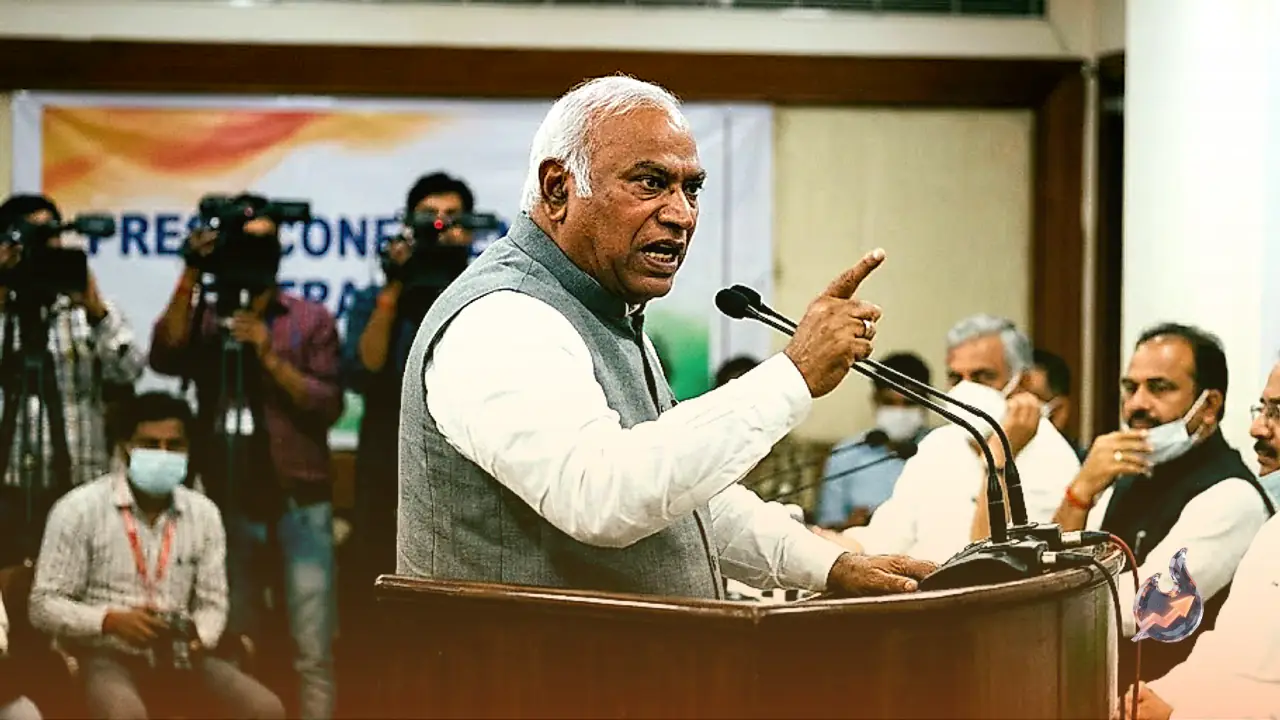
Senior leaders across the opposition spectrum, including representatives from the Congress and the Aam Aadmi Party, began offering their own interpretations of the term. Former Finance Minister and senior Congress leader P. Chidambaram was among the first to react publicly. Soon after, Congress National President Mallikarjun Kharge mounted a strong defense of opposition politics, stating, "If talking about rights is being a dimagi naxal, then we are all dimagi naxals." This strategy transformed what was intended as a political insult into a broader debate about democratic rights and dissent.
Opposition Leaders Formulate Counter-Arguments
The pushback against the Prime Minister's remarks quickly spread beyond the Congress. Aam Aadmi Party convenor and former Delhi Chief Minister Arvind Kejriwal voiced strong objection to the terminology. Kejriwal argued, "According to Prime Minister Modi's definition, anyone who dares to question the government or seek change in a rotten system is called a dimagi naxal." He accused the administration of using labels to delegitimize legitimate political opposition and public questioning.
P. Chidambaram escalated his response by sharing two separate statements on social media in a single day. In his initial post, he declared, "I am proud to be a dimagi naxal!" In a subsequent post, he characterized the phrase as an established political tactic utilized by the ruling Bharatiya Janata Party to divert attention from governance challenges. Other prominent opposition figures, including Rashtriya Janata Dal MP Manoj Jha, Jammu and Kashmir Peoples Democratic Party chief Mehbooba Mufti, and Trinamool Congress MP Kirti Azad, similarly issued statements criticizing the terminology and defending their critical stance against the government.
The Crackdown on Naxalism and Changing Political Stances
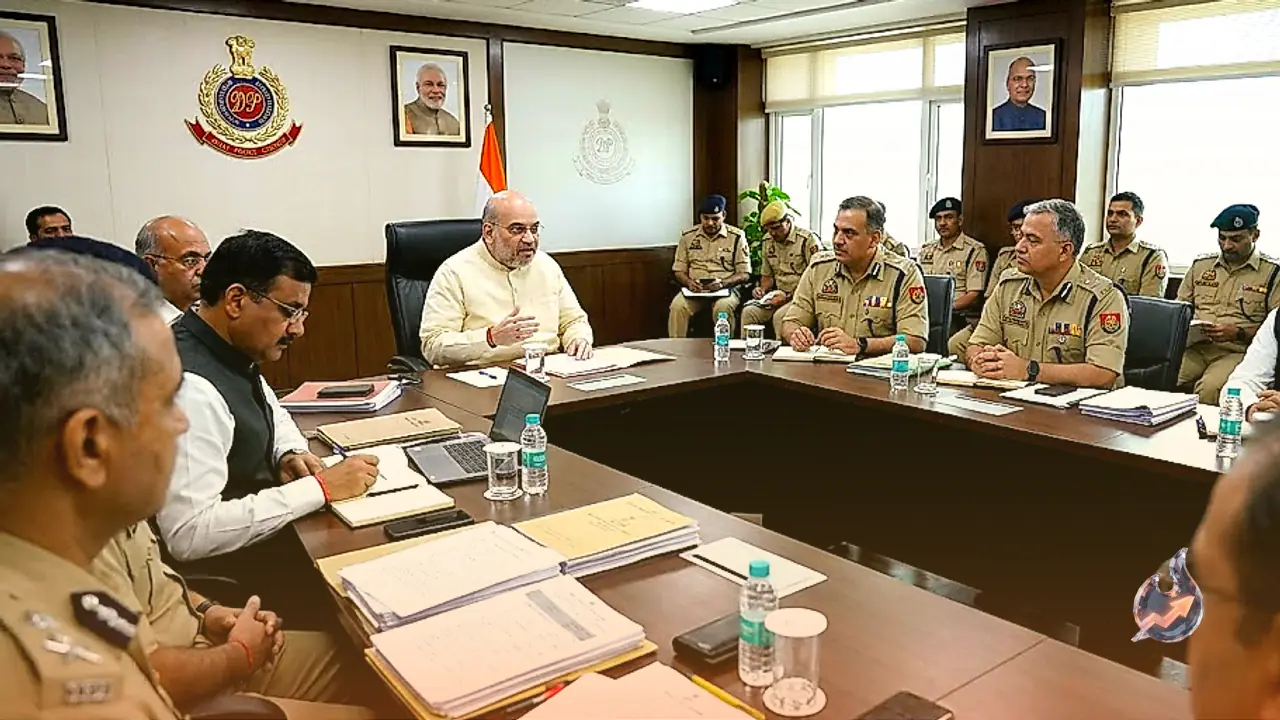
The elimination of left-wing extremism remains one of the central achievements highlighted by the Modi administration. Under the direction of Union Home Minister Amit Shah, targeted security operations have significantly reduced the presence of insurgent groups in what was historically referred to as the Red Corridor. The footprint of Naxalism, which previously affected around 126 districts across various states, has shrunk dramatically. The Home Ministry had set a firm deadline of 31 March 2026 to eradicate Naxalism completely, forcing numerous armed cadres to lay down weapons and surrender.
Historically, the Congress party has also maintained a strong official stance against Naxal violence. During the 1970s, the state government in West Bengal led by the Congress executed severe security measures to suppress Naxalite violence, resulting in heavy casualties. However, public dissatisfaction with the widespread bloodshed ultimately shifted political momentum in West Bengal, enabling Left parties to establish a decades-long tenure in power. Years later, former Prime Minister Manmohan Singh explicitly declared Naxalism to be the single greatest internal security threat to India's economic progress. Observers note that despite this historical record, present-day opposition leaders are adopting aggressive stances against PM Modi's terminology primarily to resist his political messaging.
From 'Chowkidar' to 'Angry Uncle': The Evolution of Political Phrases
Strategic analysts point out that opposition attempts to counter Prime Minister Modi's rhetorical moves have sometimes yielded unexpected political consequences. Ahead of the 2019 general elections, Rahul Gandhi coined the slogan 'Chowkidar Chor Hai' to allege irregularities in the Rafale fighter jet deal. In response, PM Modi launched the counter-campaign 'Main Bhi Chowkidar', mobilizing party supporters nationwide and turning the opposition's primary line of attack into a widespread political asset for the BJP.
More recently, the Prime Minister introduced another striking metaphor that drew widespread reactions. Speaking at an event hosted by Shri Ram College of Commerce (SRCC), PM Modi described two contrasting mindsets in society, contrasting those who build national strength with chronic critics whom he likened to an 'Angry Uncle' (Naraaj Phupha) who finds fault with every celebration or development project. Responding to this, Mallikarjun Kharge accused the Prime Minister of inventing new epithets every year, citing terms such as 'Andolanjeevi', 'Urban Naxal', 'Khan Market Gang', 'Dimagi Naxal', and 'Naraaj Phupha' as attempts to conceal policy shortcomings. Furthermore, Rahul Gandhi asserted that whenever citizens or opposition parties raise crucial questions regarding public safety, accidents, or government performance, such labels are deployed to avoid accountability.