






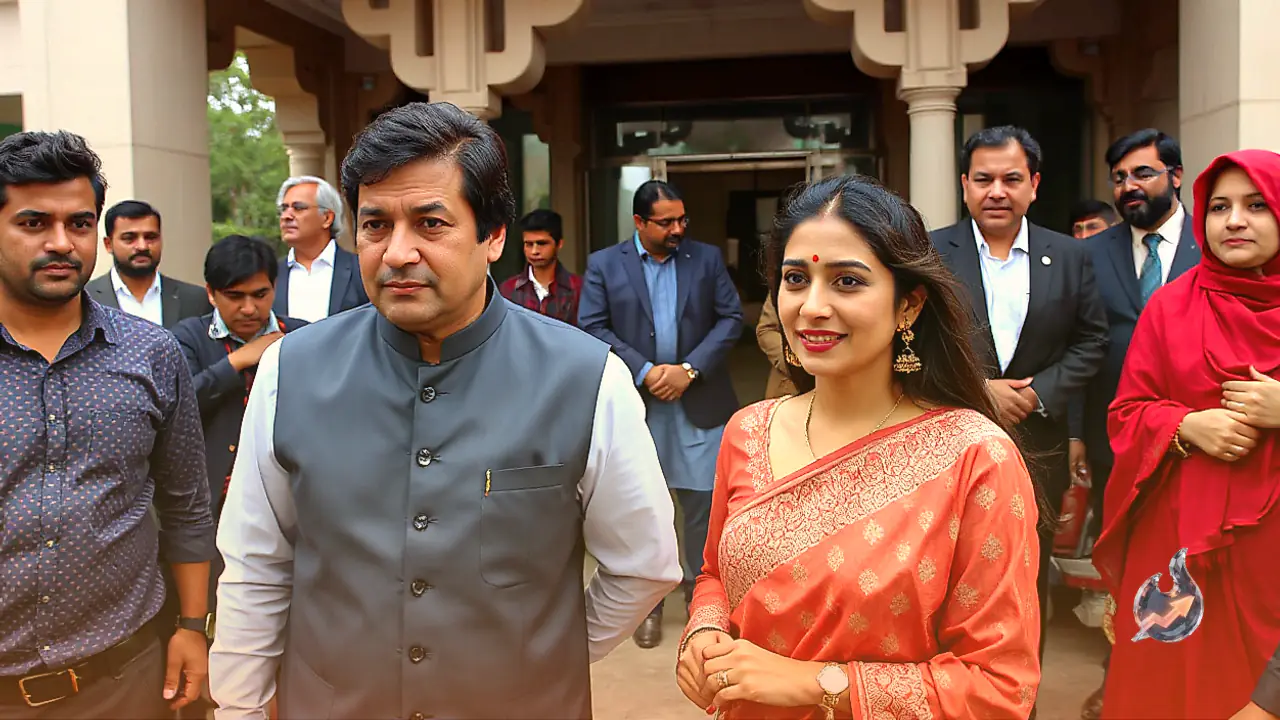















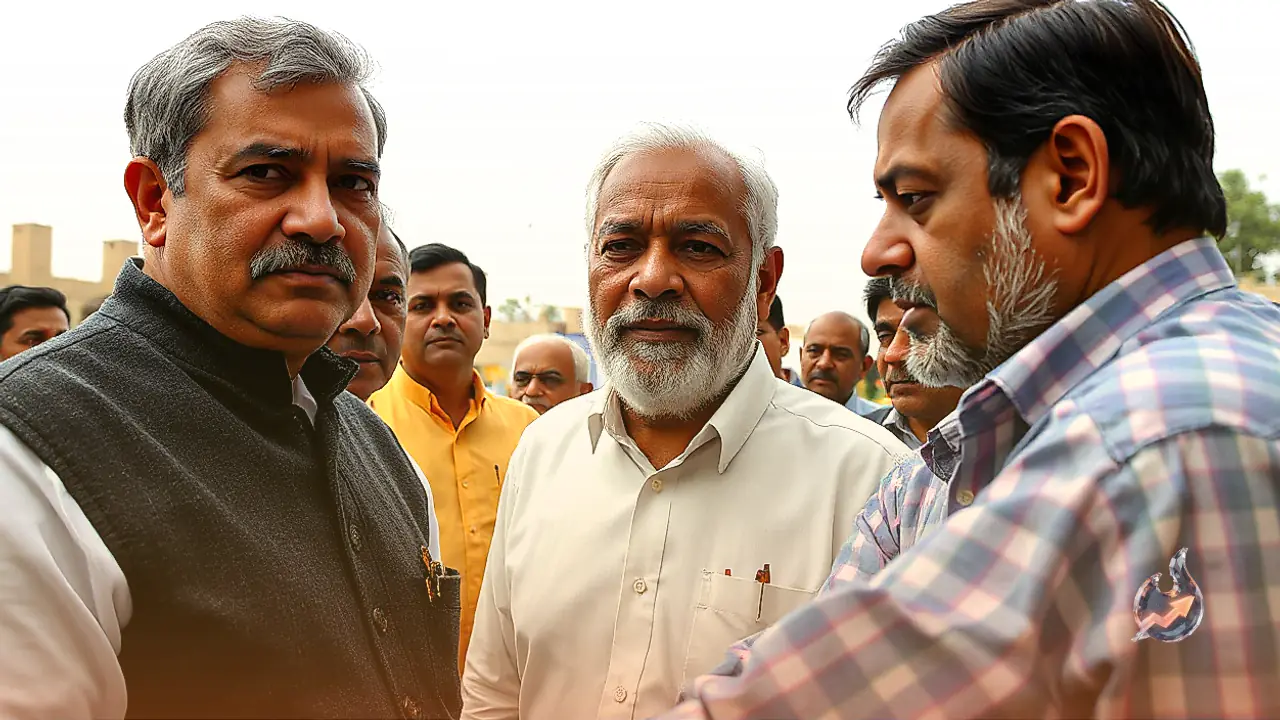

Democratic frameworks grant every citizen the right to dissent, raise questions, and criticize governance, yet the choice of language used to express these views remains a subject of intense debate. Recently, veteran actor Naseeruddin Shah released a video containing sharp remarks directed at the ruling party BJP, describing it as false and alleging that individuals holding differing ideologies face retaliation. Alongside these political statements, he also brought up the concerns of students at the Satyajit Ray Film and Television Institute, drawing widespread public attention.
Addressing Student Issues Versus Tone
Raising concerns regarding the students at the Satyajit Ray Film and Television Institute and demanding administrative transparency is entirely within democratic boundaries. If any injustice has occurred toward students, a proper investigation should take place to ensure accountability. However, when criticism directed at a political party that secured power through millions of votes relies on harsh rhetoric, the core discussion shifts away from substantive issues and turns into a debate over language and decorum.
Prior Criticisms and Division in Public Discourse
This is not the first instance of Naseeruddin Shah voicing opposition against government policies and decisions. While holding and expressing dissenting views is a fundamental right, utilizing aggressive language repeatedly risks overshadowing the actual message. Strong and bitter words tend to polarize audiences instantly; supporters applaud while critics dismiss the argument entirely without listening to the underlying substance.
The Weight of Responsibility for Public Figures
Known for his acclaimed performances and serious roles in cinema, Naseeruddin Shah carries substantial influence and experience that commands attention. Consequently, his responsibilities toward society are significant. Given that celebrities hold considerable sway over public opinion, statements made by senior artists can shape societal perceptions broadly. Political disagreements do not necessitate framing every discussion around hostility, as thoughtful articulation often yields better engagement.
Maintaining Decorum While Asking Tough Questions
Institutional challenges are best addressed by presenting verifiable facts and concrete evidence to strengthen arguments. In a functioning democracy, the most effective voices combine rigorous scrutiny with respect for linguistic boundaries. While anger might generate temporary headlines, respectful and constructive dialogue leaves a lasting and meaningful impact on public discourse.