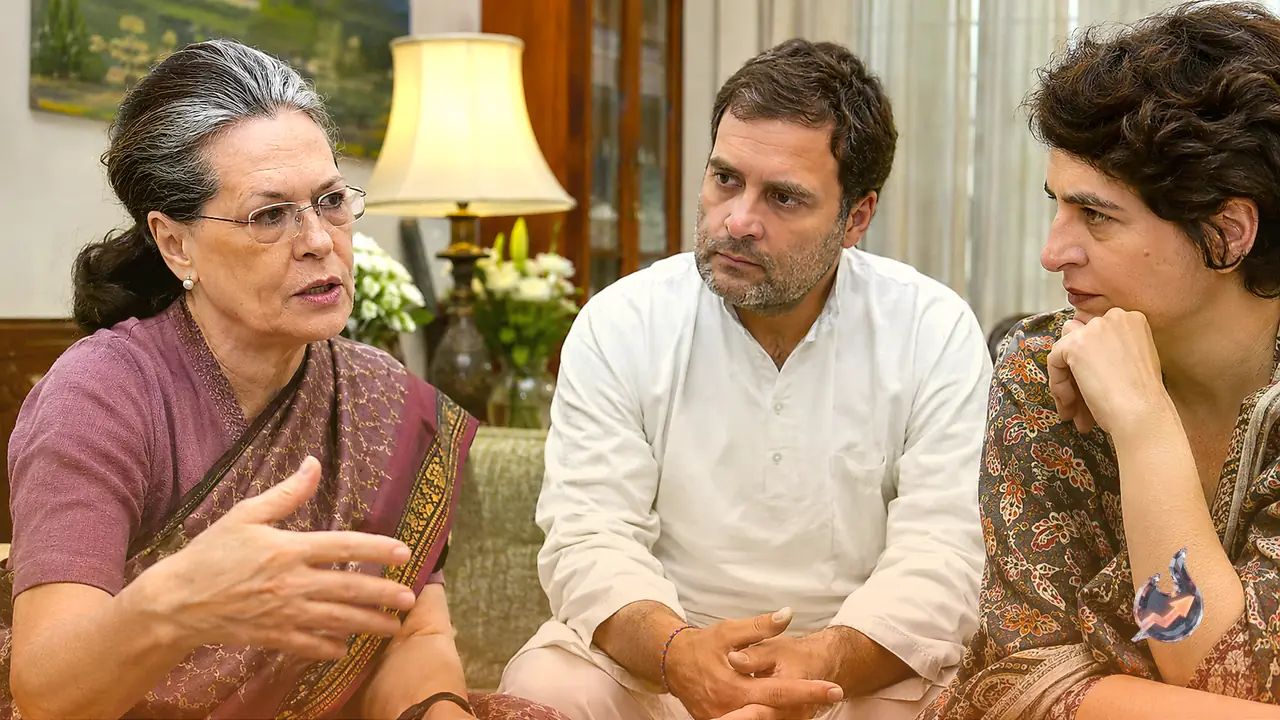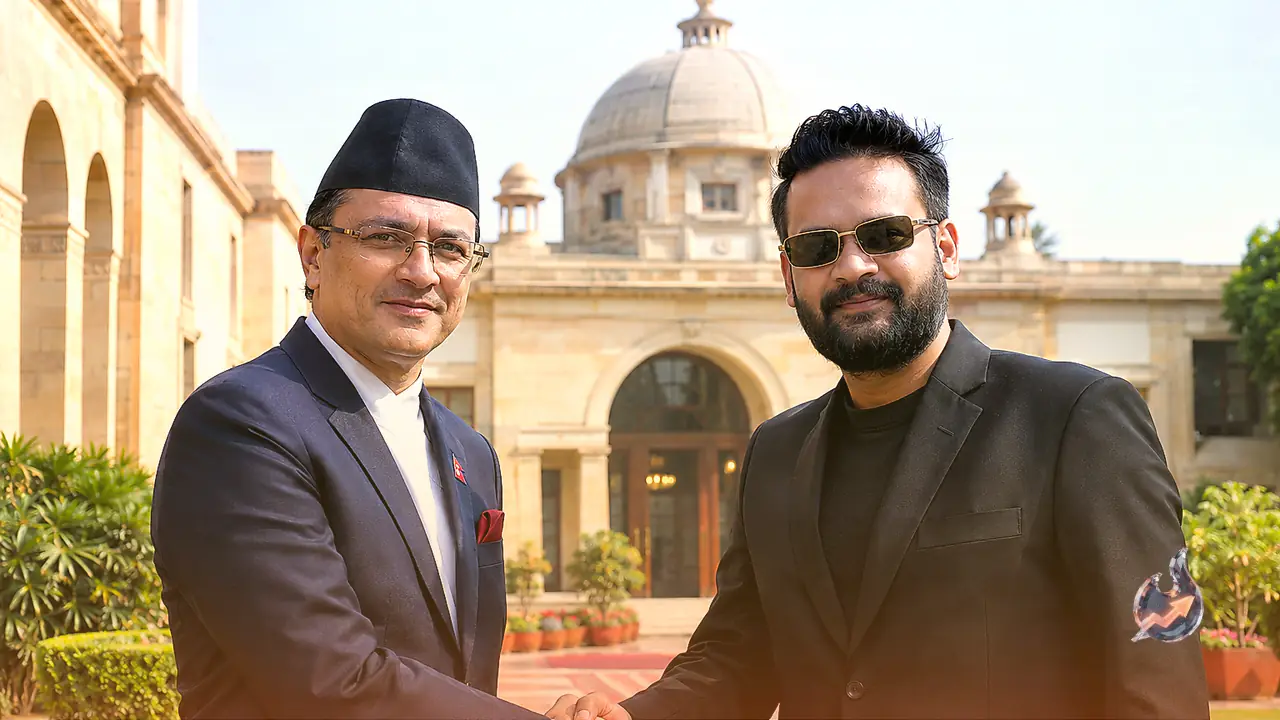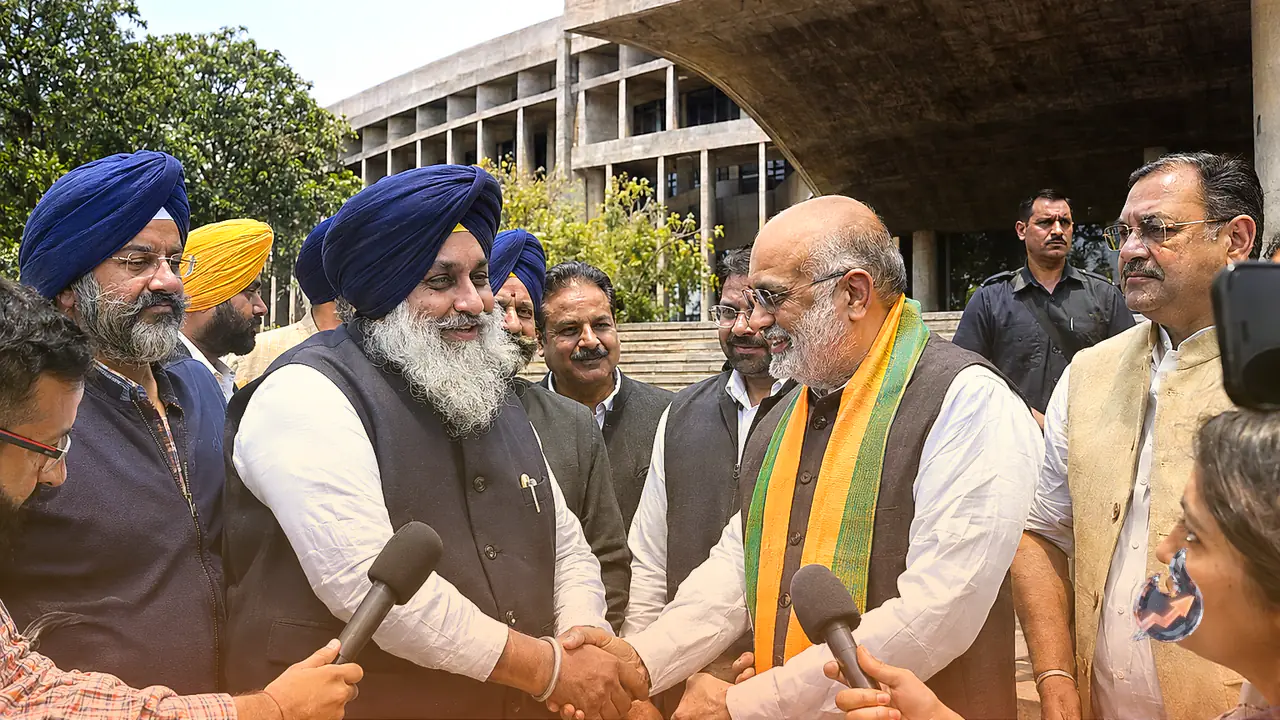

The political landscape in Punjab is witnessing intense discussions regarding a potential reunion between the Shiromani Akali Dal and the Bharatiya Janata Party. Observers note that this possible alliance has largely emerged out of political necessity rather than a spontaneous choice. Having tested their electoral strength independently in previous outings, both regional and national players realized that facing the ruling administration separately was no longer viable. With Arvind Kejriwal known for his sharp election machinery and tactical campaigning, opposition forces recognized that mounting a serious challenge required closing ranks and putting aside past differences.
A critical factor in these ongoing deliberations has been the deliberate and measured pace adopted by both leaderships. Instead of rushing into a hasty pact, the parties took adequate time to address historical grievances, iron out differences, and build a consensus on core issues concerning the state of Punjab. Most importantly, the framework of the proposed partnership explicitly establishes the Shiromani Akali Dal as the senior partner within the state. Furthermore, it has been made unequivocally clear that Sukhbir Badal will spearhead the electoral battle as the designated chief ministerial face, leaving no room for ambiguity regarding leadership.
Strategic Advantages and Electoral Dynamics
Both political entities possess robust organizational resources and financial backing, positioning them strongly for the upcoming electoral contest. Adding to their strength this time are strategic assets who previously engineered successful electoral victories for the ruling party in Punjab, but have now aligned with the opposition camp. Consequently, this formidable combination could prove severely damaging for an administration already battling anti-incumbency sentiment, as well as for a fractured opposition struggling with internal discord. The coming together of these traditional forces threatens to completely reshape the competitive balance in the region.
The Question of Sheikh Hasina's Return to Bangladesh
Beyond domestic politics, international attention remains sharply focused on Bangladesh, particularly regarding whether former leader Sheikh Hasina will proceed with her stated plan to return to her homeland on December 16, and what consequences might follow. Observers suggest she may prefer arriving on a regular commercial flight, surrendering voluntarily before the judiciary, and arguing that the pending legal cases against her are politically motivated. However, her political opponents are likely to counter that the legally mandated window for appeals has closed and that the judiciary has already rendered verdicts, demanding her immediate incarceration upon arrival.
Despite these possibilities, the likelihood of such a smooth return remains minimal, given that the administration has already declared she will face immediate arrest at the airport and be sent directly to prison. Such a move would likely trigger widespread street protests and confrontations between authorities and her supporters, with the state labeling her actions treasonous while loyalists glorify her resilience. Alternatively, a negotiated arrangement could emerge where her return is managed through backchannel discussions, resulting in house arrest while legal appeals proceed through the courts, though this judicial path would be protracted. To watch full episodes and detailed discussions on these developments, viewers can tune into programs like Aaj Ki Baat.