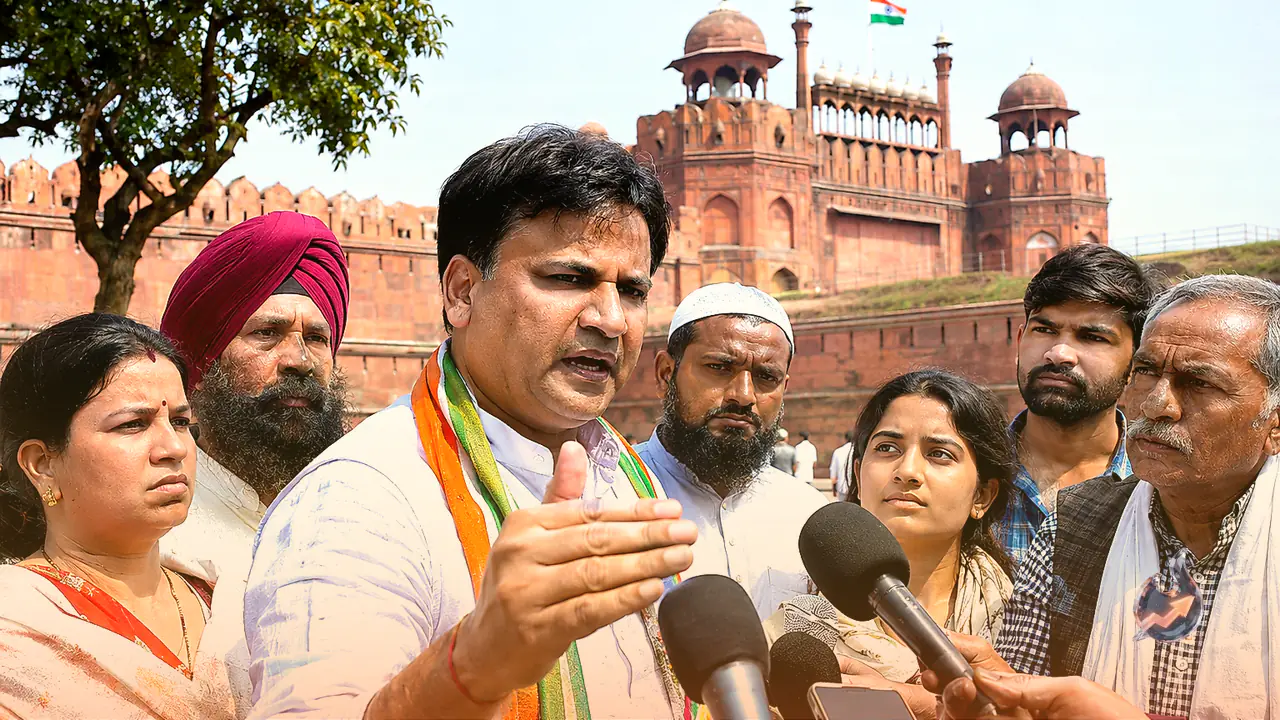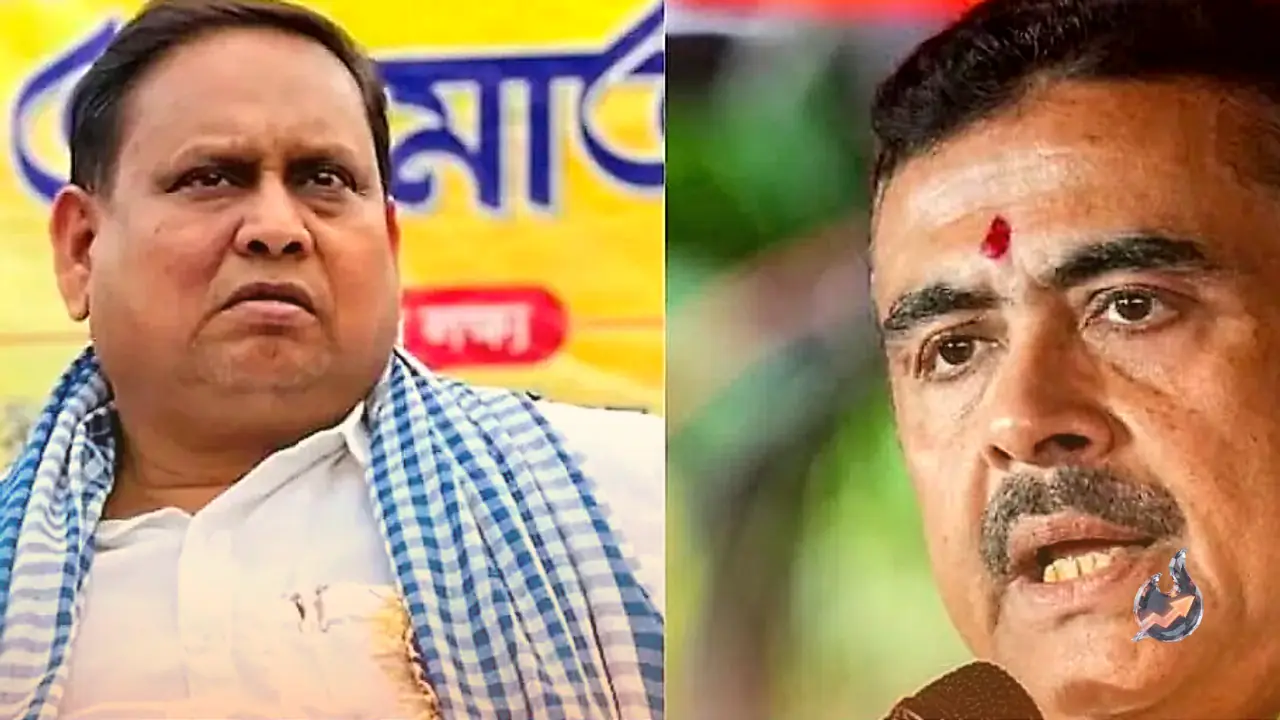

West Bengal politics has been stirred up following controversial remarks made by All India Trinamool Congress leader Humayun Kabir regarding cow slaughter, beef consumption, and the ongoing debate over a potential ban in the state. His comments have drawn intense scrutiny from political opponents and critics on social media alike.
Concerns Over Mutton Price Surge
Addressing the statements made by Suvendu Adhikari regarding calling the cow a mother and stopping its smuggling and slaughter, Kabir raised financial concerns about the common public. He stated that mutton is already priced around 1,100 rupees per kilogram. If beef sales are prohibited, consumers will shift toward mutton, potentially driving its price up to 2,000 rupees per kilogram. He emphasized that beef serves as an important source of protein for poor Muslims, tribals, and certain Hindu communities, making this potential price hike a serious burden for underprivileged families.
Nationwide Uniformity and Fairness
Kabir questioned the selective implementation of bans, asking why restrictions should apply only in West Bengal while beef remains permitted in South India, Kerala, Goa, Mizoram, and Nagaland. He argued that if a ban is imposed in only one state while others are exempt, questions will inevitably arise about who is being targeted. He maintained that any such regulation should be applied uniformly across the entire country rather than singling out specific regions or communities.
Impact on Rural Economy and Ecosystem
Highlighting the agricultural dynamics of the region, Kabir noted that numerous Hindu families in Bengal rear cattle. After milk production ceases, certain male cattle are sent for slaughter as part of an established economic cycle and rural ecosystem. With a total population of around 11 crore in West Bengal, an estimated 3 to 4 crore people consume beef. Implementing a blanket ban would severely disrupt this existing economic framework and livelihood model.
Double Standards and Central Policies
Directing criticism toward the central leadership, Kabir stated that the Prime Minister should first introduce a uniform law nationwide if such a policy is desired. He pointed out the irony that beef is readily served in elite five-star hotels while separate restrictions apply to ordinary citizens, questioning the fairness of such legislation. He also raised doubts about whether such a bill would successfully pass through the legislative assembly, calling it a matter of political morality rather than just religious sentiment.
References to Ancient Texts and History
Citing passages from the Ramayana and other religious scriptures, Kabir noted that historical texts contain references to meat consumption in ancient times, including mentions related to Lord Rama's exile period. He also invoked Swami Vivekananda, describing him as a revered saint and reformer of Hindu society, while questioning why sudden political fervor over cow protection is being used to target specific marginalized communities and the poor.
Debate Over Changing the State Name
Turning to the proposal of renaming West Bengal, Kabir suggested that the matter should be thoroughly evaluated by language experts. He proposed sending the naming convention to linguistic scholars, giving them four to five years to recommend an appropriate title. He suggested dropping the prefix 'West' or 'पश्चिम' entirely, stating that retaining just 'Bongo' or 'Bangla' would be ideal, with 'Bangla' being the best choice among them.