



















A fresh political controversy has broken out in Karnataka over the historical narrative surrounding the integration of the erstwhile princely state of Hyderabad into the Indian Union. Karnataka Home Minister Priyank Kharge has strongly rejected claims made by Bharatiya Janata Party National General Secretary B.L. Santhosh regarding the role of the Rashtriya Swayamsevak Sangh during the period of partition and annexation. B.L. Santhosh had claimed that RSS volunteers rescued Congress President Mallikarjun Kharge's family from the atrocities of the Razakars. Refuting this assertion, Priyank Kharge stated that his family and the residents of the region were protected not by the RSS, but by then Prime Minister Jawaharlal Nehru, Home Minister Sardar Vallabhbhai Patel, and the Indian Army. He raised questions regarding historical events, asking why the Indian military had to execute Operation Polo if the RSS had already been protecting the local population.
A Fresh Political Clash Over Hyderabad's Annexation History
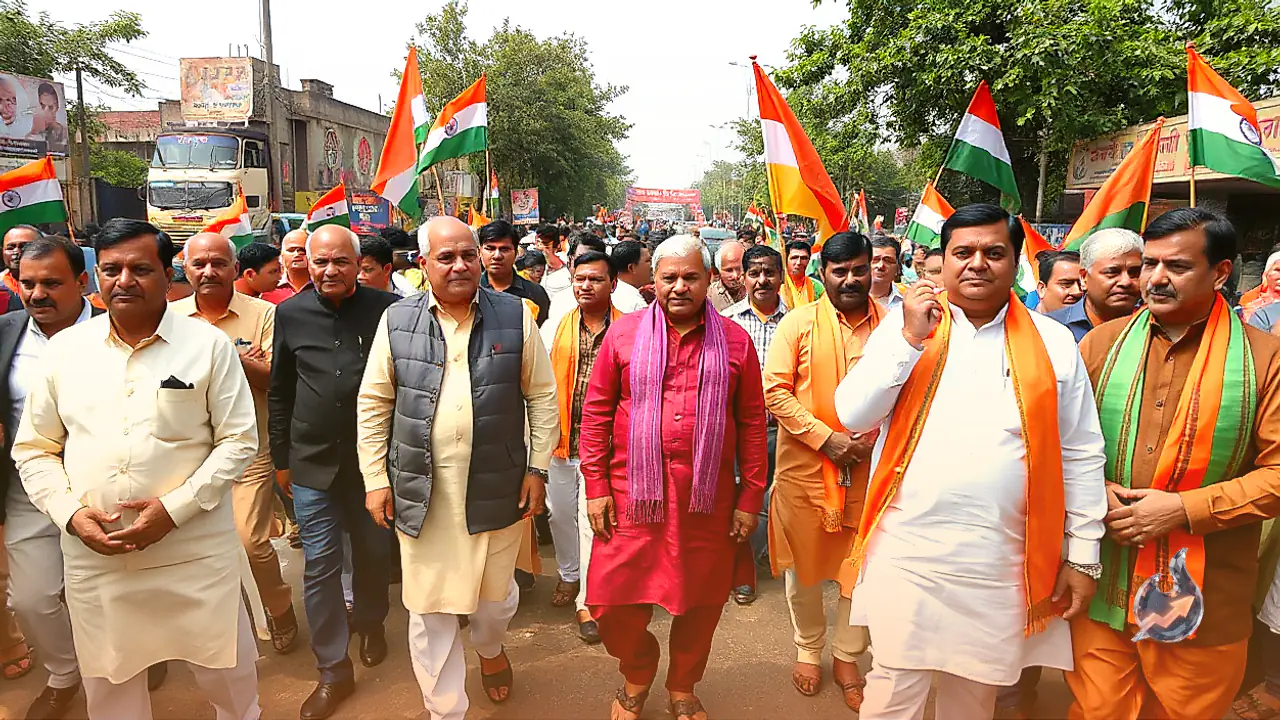
The political confrontation began following remarks made by senior BJP leader B.L. Santhosh during an event organized by the Hindu Jagrana Vedike to mark Akhand Bharat Sankalp Diwas. Addressing the gathering, Santhosh recalled the turbulent period of the late 1940s when the princely state of Hyderabad was being merged into India. He asserted that during the partition era, RSS workers stood firm against the armed Razakar militias to safeguard local Hindu communities. To illustrate his point, Santhosh referenced the childhood history of Mallikarjun Kharge, stating that Kharge's family was forced to flee their ancestral village due to widespread violence and relocate to Gulbarga, now known as Kalaburagi. Santhosh claimed that Mallikarjun Kharge's father had to escape with only the clothes he was wearing, and argued that RSS volunteers were present on the ground to support affected citizens during that crisis.
Priyank Kharge's Counterattack and Credit to the Indian Armed Forces
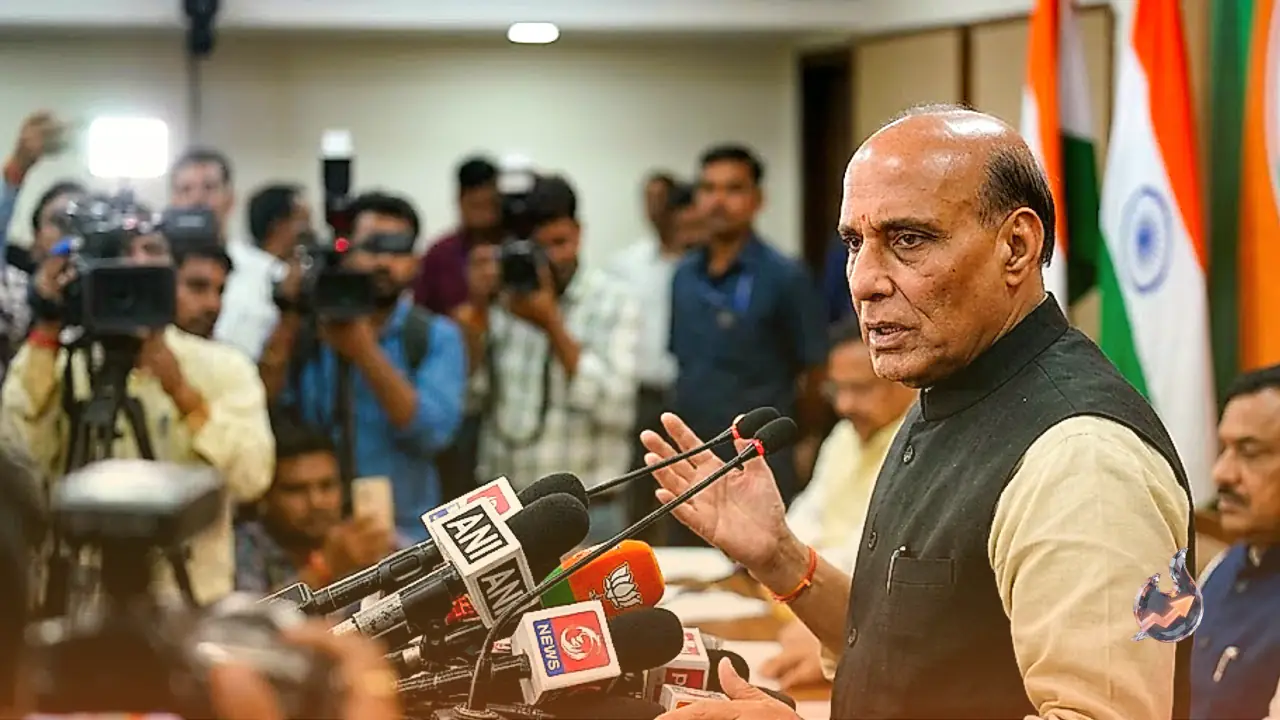
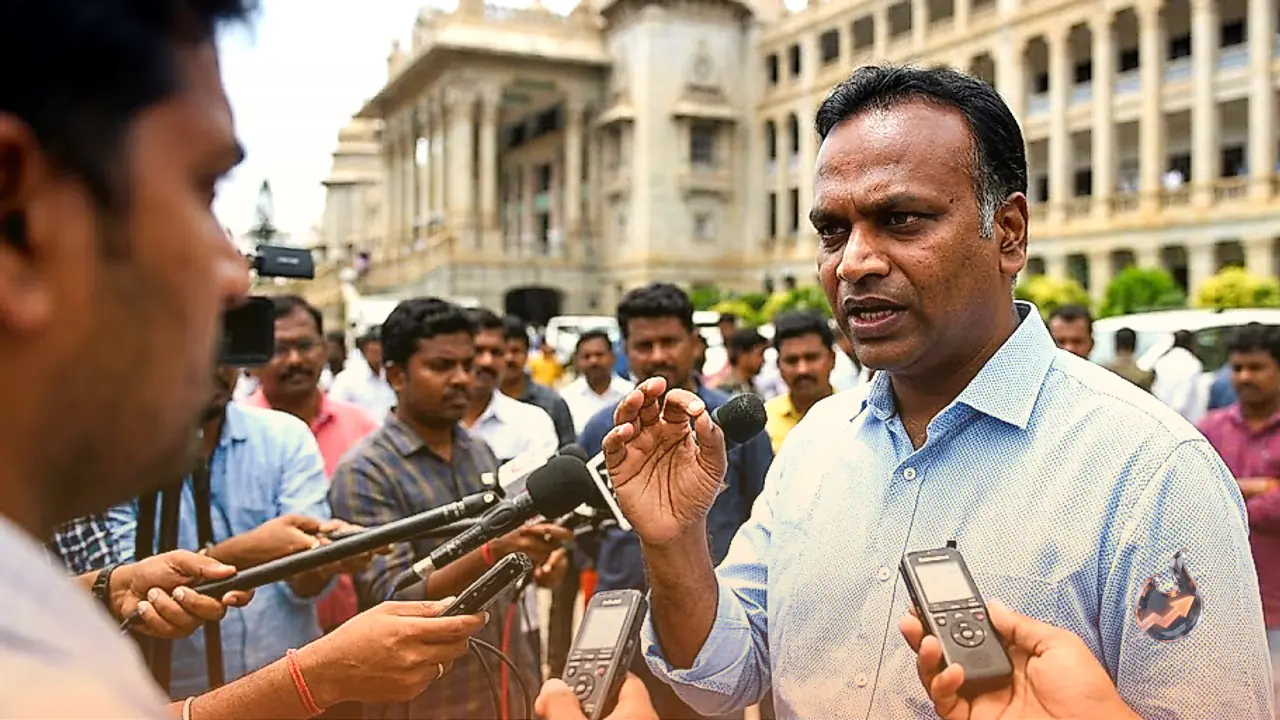
Responding to B.L. Santhosh's statements while interacting with media personnel in Kalaburagi, Karnataka Home Minister Priyank Kharge pushed back firmly against the BJP leader's version of history. Priyank Kharge asserted that the RSS did not come to protect his family or the people of the region. Acknowledging that his family had suffered directly from communal violence during that period and was compelled to leave their home region, he clarified that peace and security were restored only through official state action. He credited the protection of the civilian population to the leadership of Prime Minister Jawaharlal Nehru, Home Minister Sardar Vallabhbhai Patel, and the deployment of the Indian Army. Priyank Kharge stated that it was the intervention of the Indian armed forces that guaranteed the safety of the local population during the unrest.
'Operation Polo' and the Military Campaign of September 1948
Challenging the narrative of RSS guardianship, Priyank Kharge pointed to Operation Polo, the military action undertaken to integrate Hyderabad into India. He posed a direct question to B.L. Santhosh, asking whether Operation Polo had been conducted by the RSS. Highlighting historical records, Kharge noted that the Indian Army launched Operation Polo in September 1948 against the armed forces of the Nizam of Hyderabad, leading to the state's integration into India. Priyank Kharge further alleged that instead of protecting citizens during communal disturbances, elements associated with the RSS had on several occasions heightened communal tensions. He questioned where RSS leaders and workers were stationed when communal violence was actively damaging his region.
Debates Over Gandhi's Assassination, Godse, and Savarkar
Expanding his critique, Priyank Kharge referenced the assassination of Mahatma Gandhi and the political ideologies linked to that period. He alleged that Nathuram Godse was a follower of V.D. Savarkar and was influenced by the ideology of the RSS. Kharge noted that widespread communal riots broke out in cities like Kolkata and Delhi following Mahatma Gandhi's assassination. He criticized the RSS for presenting itself as a protective organization, alleging that its historical role was contrary to such claims. Priyank Kharge also addressed Santhosh's references to Savarkar and Netaji Subhas Chandra Bose's Azad Hind Fauj. He claimed that while Subhas Chandra Bose was actively recruiting soldiers for the Azad Hind Fauj to fight British rule, Savarkar had urged Indian youths to join the British military instead. Kharge emphasized that modern unified India exists because of Sardar Vallabhbhai Patel's efforts in integrating approximately 560 princely states and territories, rather than actions by the RSS.
Arguments Over RSS Registration and Freedom Movement Views
In response to Priyank Kharge's earlier questions regarding the legal status and registration of the RSS, B.L. Santhosh defended the organization's structure. Santhosh stated that the RSS was not registered at the time of independence and remains unregistered today, arguing that formal registration does not determine the existence or legitimacy of an organization. He maintained that the RSS operates on the trust and commitment of millions of volunteers. Santhosh asserted that during partition, RSS workers stood by the people without relying on formal registration structures. Furthermore, addressing the broader history of the independence movement, Santhosh remarked that India did not gain independence solely through the salt satyagraha or by spinning the charkha. He stated that freedom was achieved through the sacrifices of thousands of revolutionaries, freedom fighters, patriotic youth, and soldiers who risked their lives for the nation.