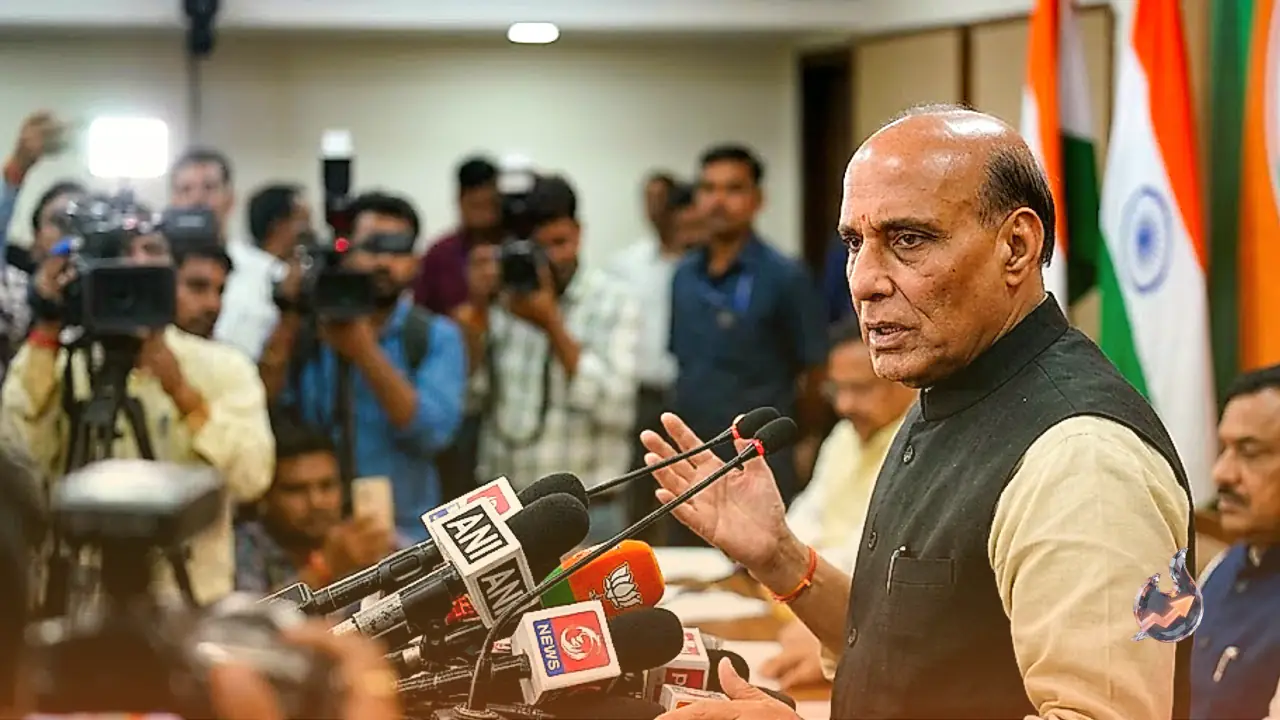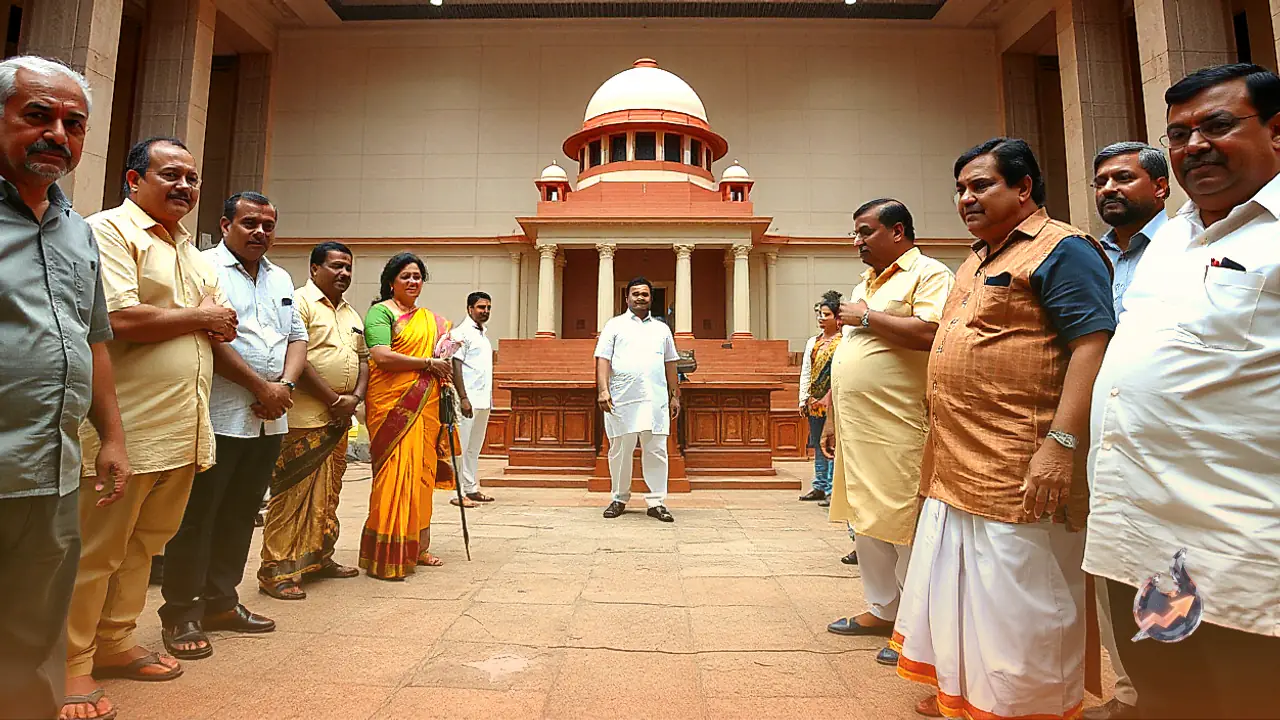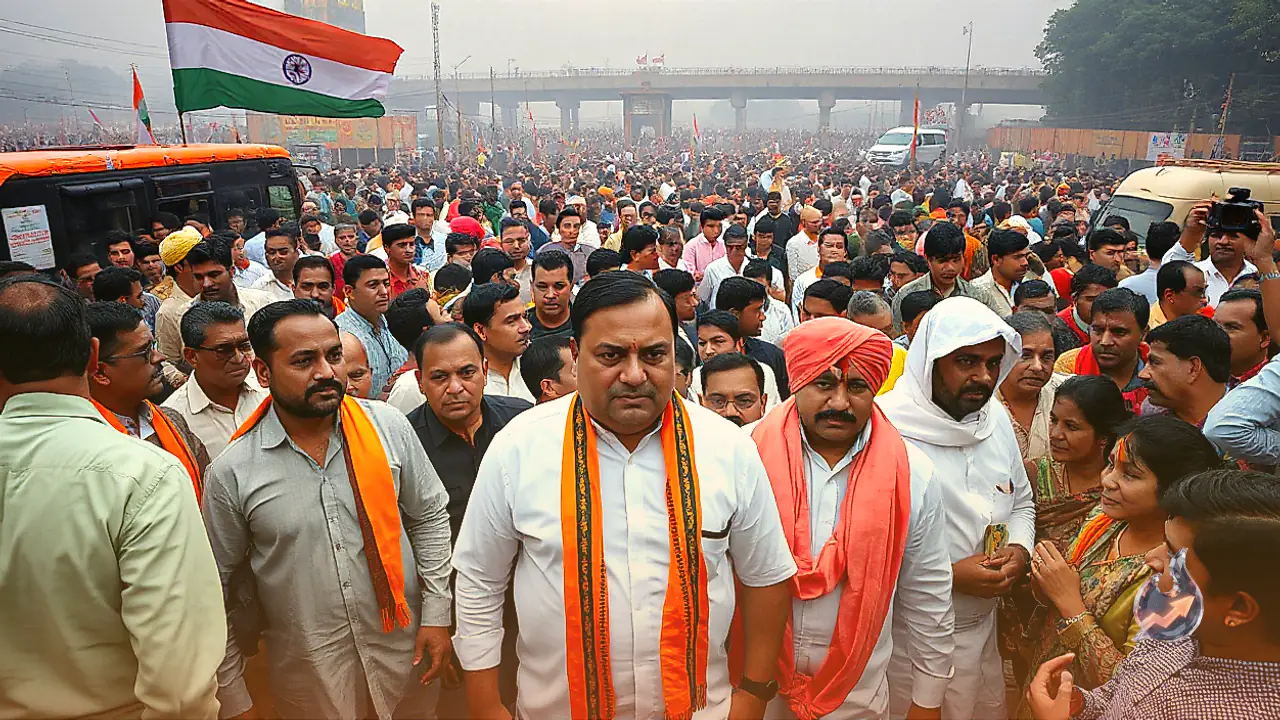



















The Parliament Monsoon Session has formally come to an end, but a unique donation box initiative staged right outside the chambers inside the Parliament complex continues to be a central talking point across political circles. Members of Parliament belonging to the Samajwadi Party had launched a symbolic demonstration in the premises to protest against alleged financial discrepancies and mismanagement in the offerings at the Ayodhya Ram Temple. The centerpiece of this agitation was a wooden donation box positioned prominently near Makar Dwar, one of the primary entrance gates of Parliament. Samajwadi Party lawmakers initiated the campaign by contributing cash themselves and subsequently urged fellow parliamentarians and visitors to donate voluntarily. Over a span of nearly two weeks, the total sum collected inside the box steadily mounted to 1 lakh 57 thousand rupees. With the sine die adjournment of the legislative session, all uncertainty regarding the fate of these collected funds has been cleared. Samajwadi Party MPs formally announced that the money will not be dispatched to the Ram Temple Trust in Ayodhya; instead, the entire amount will be dedicated to the well-known Hanuman Temple located in Connaught Place, Delhi. This decision marks the transition of a high-profile parliamentary protest into a religious offering at a historic Delhi shrine.
Symbolic Protest at Makar Dwar and Opposition Unity
From the initial days of the Monsoon Session, opposition parties sought to aggressively corner the government over alleged irregularities in the handling of devotee offerings at the Ram Temple in Ayodhya. To give their political demonstration a distinctive visual element, Samajwadi Party MPs placed a donation box near Makar Dwar inside the high-security Parliament complex. Throughout the two-week protest, several key figures from across the opposition spectrum gathered at the spot to register their presence. Independent MP Pappu Yadav drew widespread attention by dressing up in traditional priestly attire, turning the demonstration site into a focus of intense media interest. Simultaneously, Leader of the Opposition in Lok Sabha Rahul Gandhi, alongside numerous other lawmakers, symbolically dropped cash notes into the box to voice anger over the alleged misappropriation of temple funds. Samajwadi Party representatives reiterated that their initiative was aimed at championing transparency in religious trusts and defending the sentiment of millions of devotees across the country.
The Growth of Funds: From 47,000 to 1.57 Lakh Rupees
The money deposited in the Makar Dwar donation box grew consistently with each passing day of parliamentary proceedings. According to figures shared by Samajwadi Party lawmakers, the total collection recorded around the 3rd of August stood at approximately 47,000 rupees. Despite reaching that initial mark, the protest continued unabated as lawmakers and supporters moving through Makar Dwar added further contributions. By Wednesday of the session's final week, when the box was opened and the cash was formally counted, the cumulative figure had escalated to 1.57 lakh rupees. Samajwadi Party MPs packed the entire cash sum into a sack and presented it before media representatives on the Parliament grounds. The lawmakers emphasized that every single rupee in the collection represented the faith and hard-earned resources of citizens, making it imperative that the funds be handled with absolute accountability and care.
Choosing Connaught Place Over Ayodhya
Once the final figure of 1.57 lakh rupees was established, Samajwadi Party leaders deliberated on the appropriate recipient organization for the collected amount. MPs publicly argued against sending the money directly to the Ram Temple in Ayodhya, stating that existing alleged mismanagement at the shrine posed a genuine risk of the funds being misplaced or stolen once again. Citing these specific concerns, the Samajwadi Party parliamentary group unanimously resolved to redirect the entire sum away from Ayodhya and hand it over to the ancient Hanuman Temple situated in the heart of Connaught Place, Delhi. Lawmakers added that upon depositing the cash with the temple authorities, they will secure an official stamped receipt to maintain a clear record. Party leaders maintained that this step preserves the sanctity of the sacred donations while keeping their political questions regarding temple governance fully active.
Session Summary: 15 Hours of Business in 18 Days
The donation box demonstration at Makar Dwar unfolded against the backdrop of severe parliamentary disruption that defined the broader Monsoon Session. Opposition parties repeatedly disrupted legislative business not only over the Ram Temple offering allegations, but also over reported police actions against protesting students and competitive exam controversies. The persistent turmoil severely curtailed active debate in the chambers. Over the scheduled 18-day session, the Lok Sabha managed to function for a total of just 15 hours. Amid frequent adjournments and vocal slogans, several major legislative measures were pushed through without detailed floor debate, ranging from the landmark Anti-Paper Leak legislation to the statutory resolution concerning 'Keralam'. On the concluding day, Lok Sabha Speaker Om Birla adjourned the House sine die following the rendering of the national song Vande Mataram, in the presence of Prime Minister Narendra Modi and Home Minister Amit Shah.
Political Debates to Continue Beyond Parliament Walls
Even as the physical donation box is removed from Makar Dwar to be handed over to the Connaught Place Hanuman Temple, the political debate ignited by the protest shows no signs of waning. Samajwadi Party leaders and allied opposition figures have affirmed that their campaign demanding financial transparency in major religious trusts will continue in the public domain despite the conclusion of the parliamentary session. Depositing 1.57 lakh rupees into the Connaught Place shrine's treasury and obtaining a formal receipt is seen by analysts as a calculated political statement. Observers note that issues surrounding temple fund management and legislative accountability are bound to remain prominent in upcoming political rallies and state assembly campaigns in the months ahead.