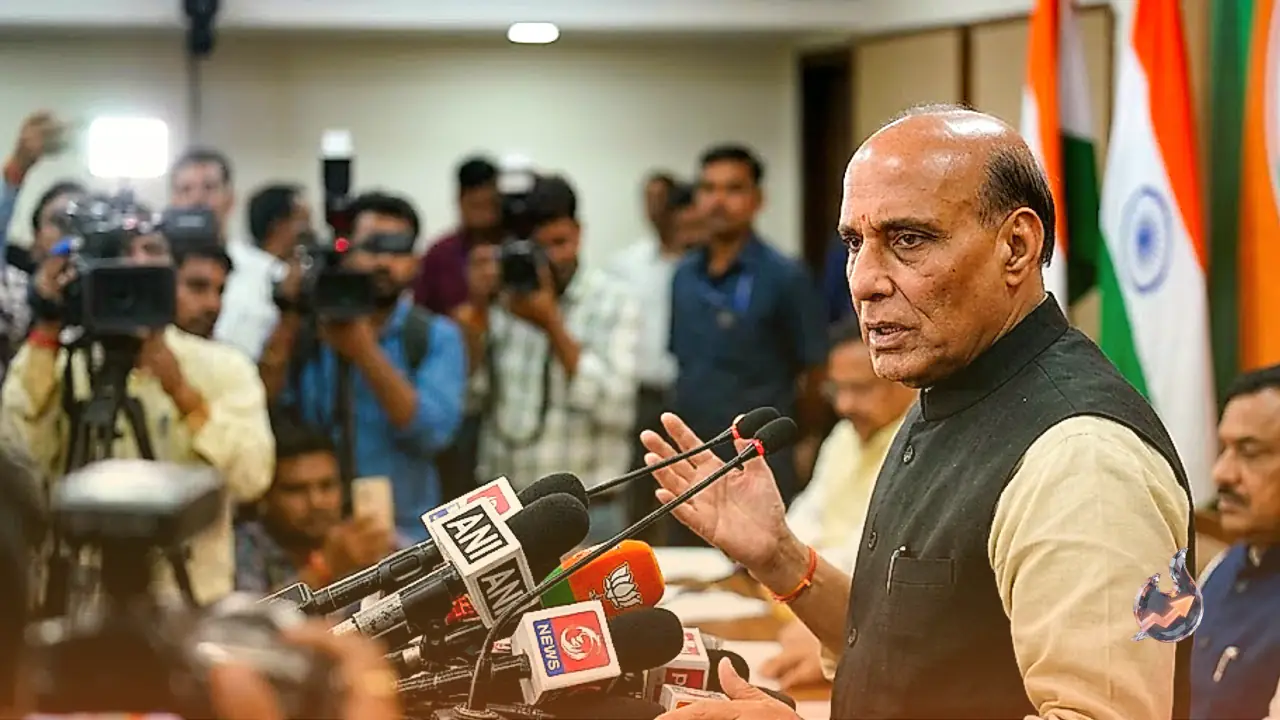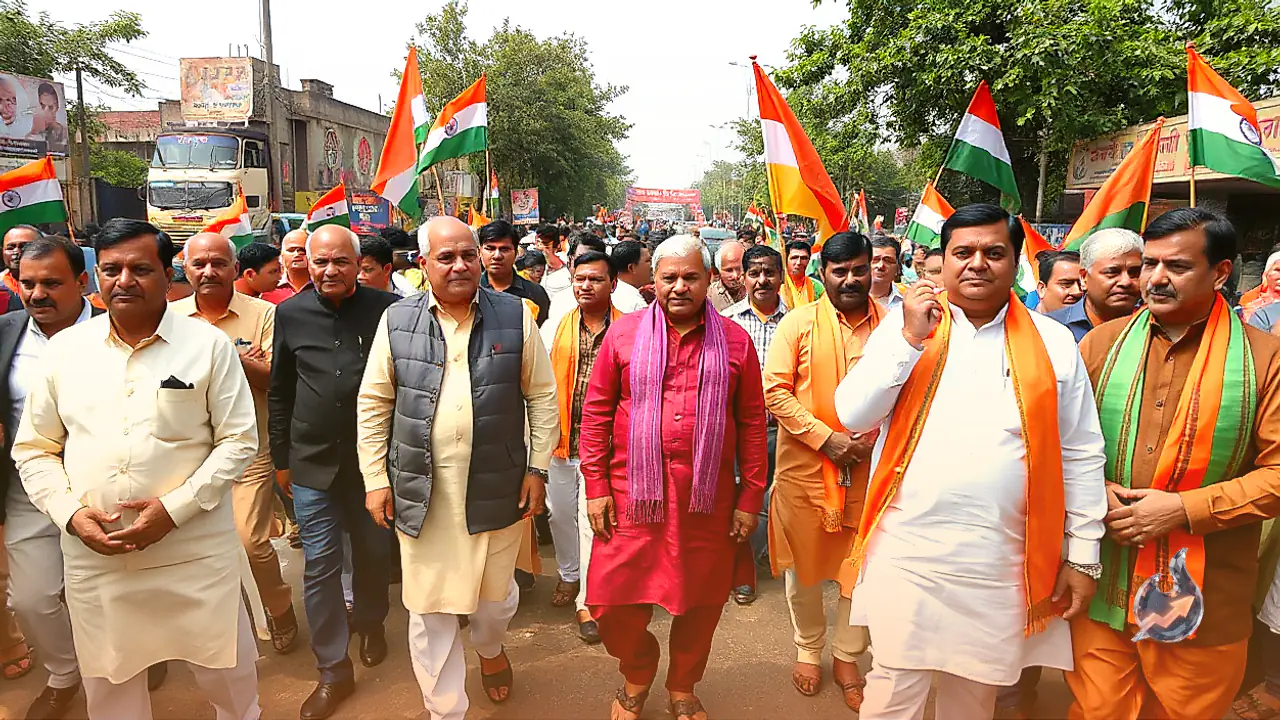
















Union Minister Shivraj Singh Chouhan has delivered a significant statement regarding the proposed One Nation One Election initiative, indicating that the nation may not need to wait until 2034 for its execution. Speaking at a gathering of saints in Haridwar, he asserted that simultaneous polls could be conducted as early as 2029. Emphasizing the administrative strain of frequent elections, he termed repeated electoral cycles a major hurdle to developmental progress and argued that unifying elections is indispensable for building a Developed India.
Haridwar Assembly Sparks Momentum for Simultaneous Polls
The movement toward simultaneous elections gathered fresh momentum following a resolution adopted during the saint assembly in Haridwar. Discussions are now centering on a massive electoral restructuring that could see the Lok Sabha elections conducted alongside assembly polls in 22 states in 2029. Preparations are reportedly underway to advance the timeline, steering away from the earlier projected target of 2034 to align national and state mandates within the 2029 cycle.
Political Dynamics and Timeline Adjustments Across 22 States
Out of the 22 states identified for simultaneous voting, 16 are currently governed by the National Democratic Alliance (NDA), while 6 are led by parties belonging to the INDIA Alliance. Implementing simultaneous elections by 2029, however, would require significant constitutional adjustments and term truncations for several state assemblies.
Specifically, states like Uttar Pradesh, Goa, Gujarat, Uttarakhand, Punjab, Himachal Pradesh, and Manipur are scheduled to hold assembly elections in 2027, with five-year terms extending until 2032. To sync these assemblies with a 2029 national election, their terms would effectively need to be shortened by 3 years.
Similarly, states such as Karnataka, Telangana, Meghalaya, Nagaland, Chhattisgarh, Madhya Pradesh, Rajasthan, and Tripura are slated for assembly elections in 2028, holding mandates that validly run until 2033. Bringing these states into a unified 2029 schedule would necessitate holding their elections 4 years ahead of their natural expiration.
Joint Parliamentary Committee Deliberations in Delhi
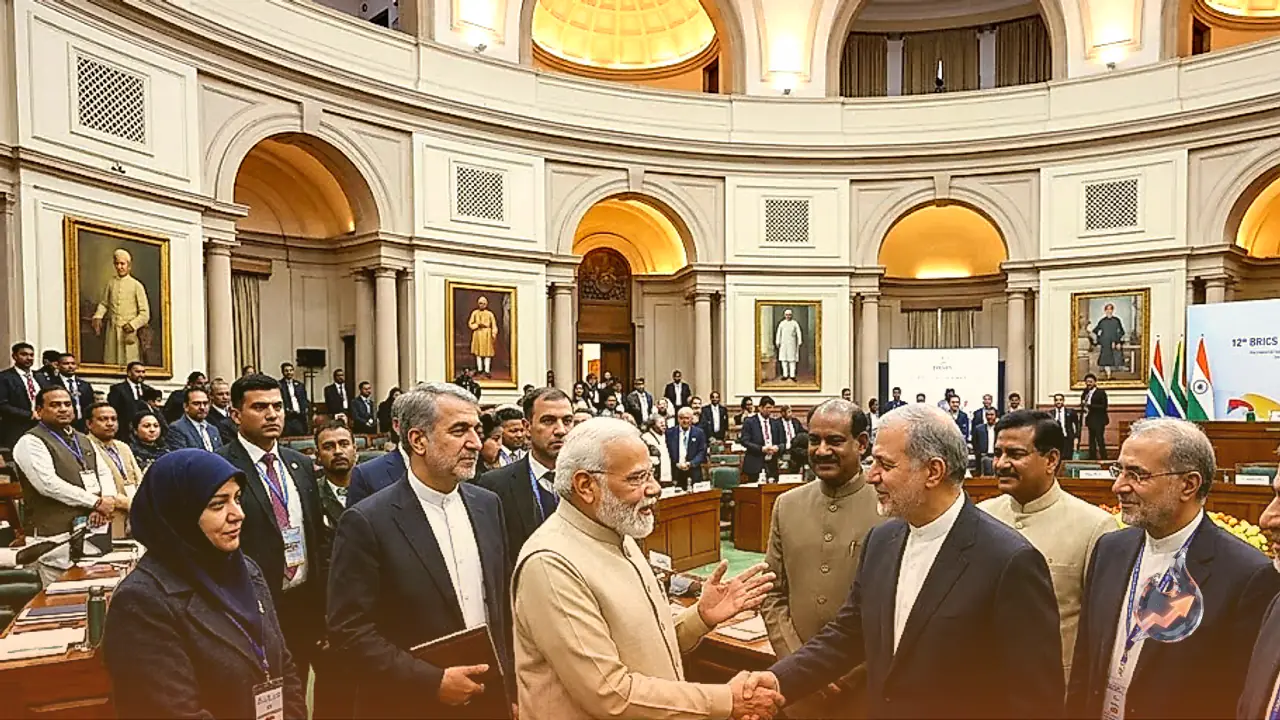
Parallel to the political statements in Haridwar, high-level discussions took place in Delhi as the Joint Parliamentary Committee (JPC) convened to examine the One Nation One Election framework. Key opposition figures attended the session, including Congress leaders Priyanka Gandhi, P. Chidambaram, and Randeep Surjewala, alongside Nationalist Congress Party (Sharadchandra Pawar faction) MP Supriya Sule.
Ahead of the meeting, JPC Chairperson P.P. Chaudhary underscored the government's resolve, stating, "If there is willpower, everything is possible." He further clarified that the overarching objective extends beyond merely reducing the frequency of elections, aiming instead to render India's democratic machinery more effective, transparent, and accountable to the electorate.