




















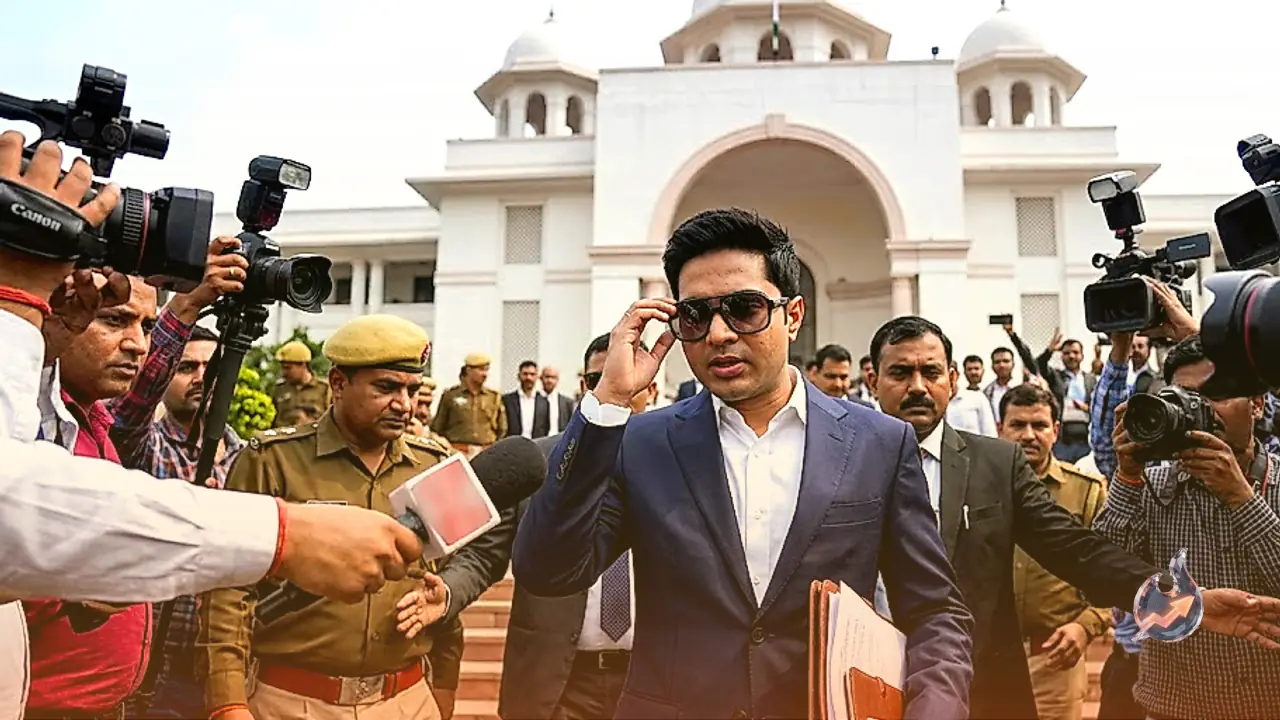

Trinamool Congress Member of Parliament Abhishek Banerjee secured significant legal relief from the Supreme Court on Monday. The bench granted him permission to travel abroad for a period of three weeks to undergo medical treatment for his eyes. By issuing this order, the top court set aside a previous ruling of the Calcutta High Court that had dismissed his request to seek medical care overseas. The order was passed by a bench comprising Chief Justice Surya Kant, Justice Joymalya Bagchi, and Justice V. Mohana.
Mandatory Conditions and Compliance Directives
While granting permission for overseas travel, the Supreme Court imposed specific conditions that the lawmaker must fulfill. The bench directed that Abhishek Banerjee must exclusively utilize his diplomatic passport throughout the duration of his international journey. Furthermore, he is required to submit complete details regarding his travel itinerary, flight bookings, and overseas residential address to the investigating agency and the police at least two days prior to his departure. The apex court also clarified that all information concerning his travel details will be kept confidential and not disclosed to the public domain.
High Court Background and Medical Assessment Dispute
The legal battle reached the Supreme Court following an order by the Calcutta High Court on August 5, which had turned down his plea for international travel. Representing the prosecution, Additional Solicitor General SV Raju strongly opposed the travel request, pointing out that Abhishek Banerjee faces 16 cases and raising concerns about the possibility of him not returning to the country. The state government maintained that while it had no objection to medical treatment, an assessment by a medical board was necessary to verify whether treatment abroad was genuinely required. Because Banerjee did not appear before the designated medical board, the High Court had originally rejected his application.
Legal Arguments and Judicial Observations on Personal Freedom
During the Supreme Court proceedings, Senior Advocate Gopal Sankaranarayanan, representing Abhishek Banerjee, explained that his client currently holds only a diplomatic passport. He emphasized that traveling on a diplomatic passport naturally allows Indian embassies abroad to keep track of his movements and activities. Responding to the arguments, Justice Joymalya Bagchi observed that every individual possesses a fundamental right to travel abroad and to select the medical treatment of their choice. The bench also noted that the ongoing case principally pertains to an election speech.