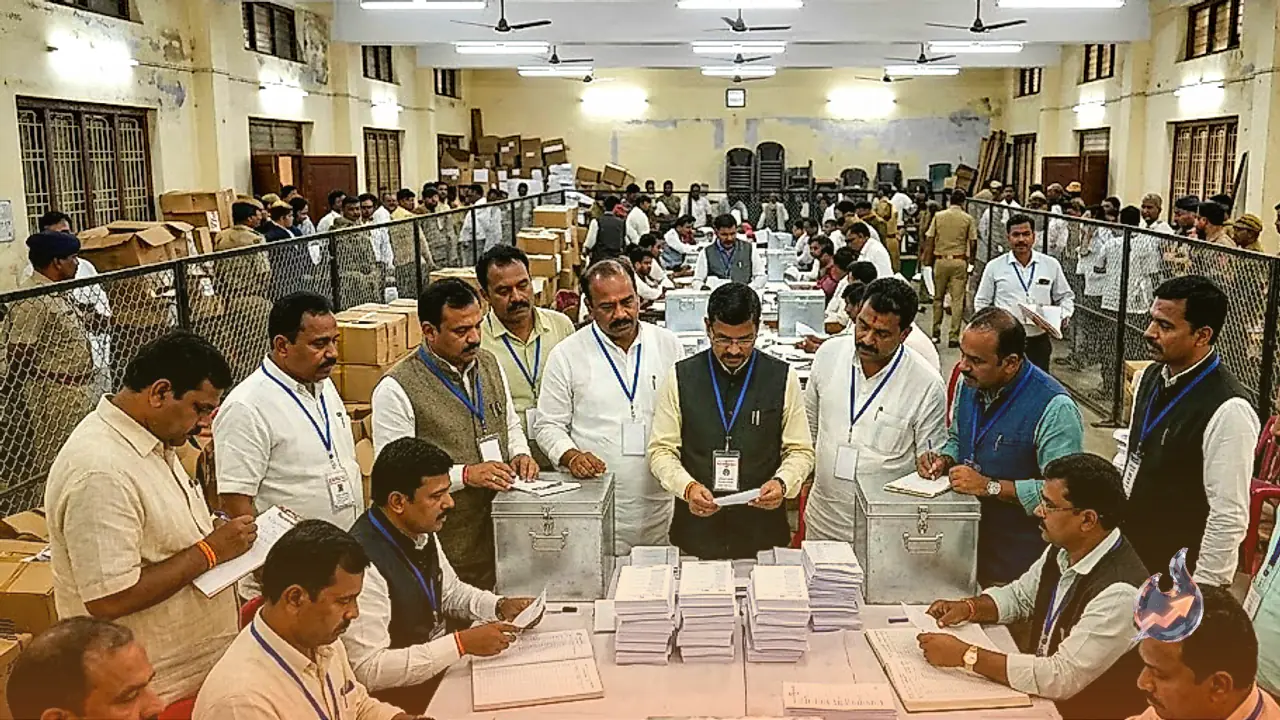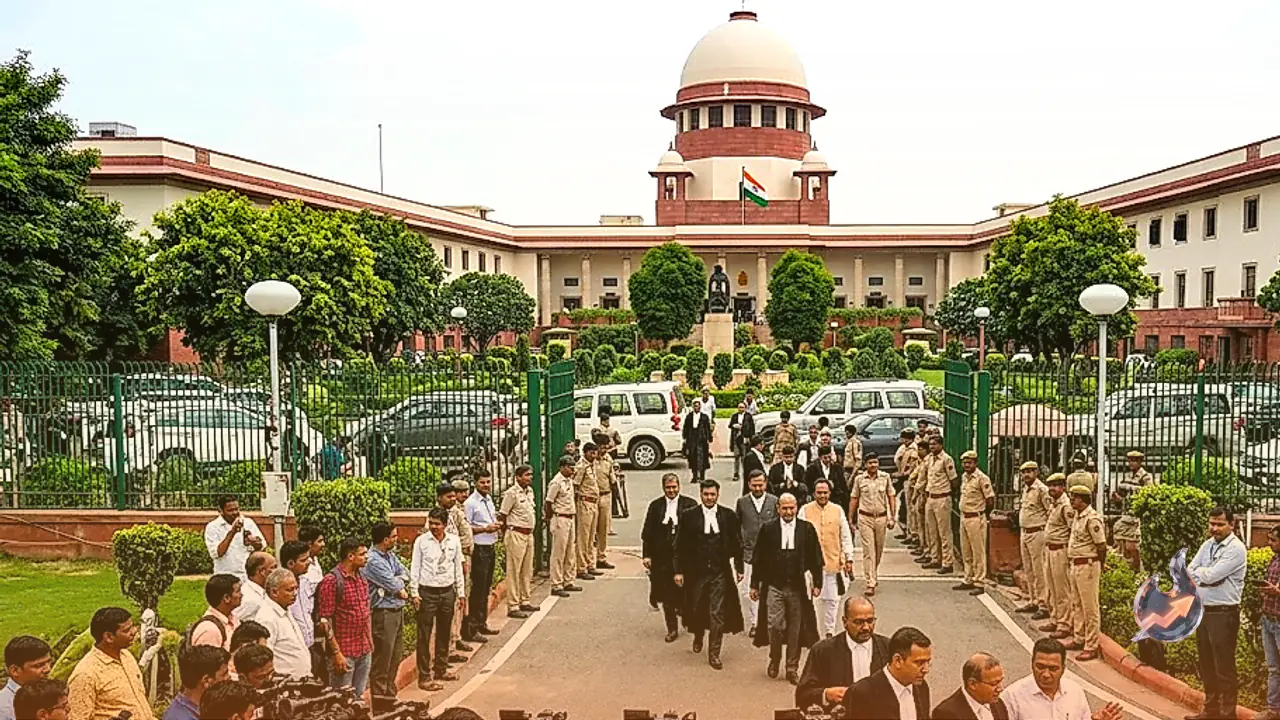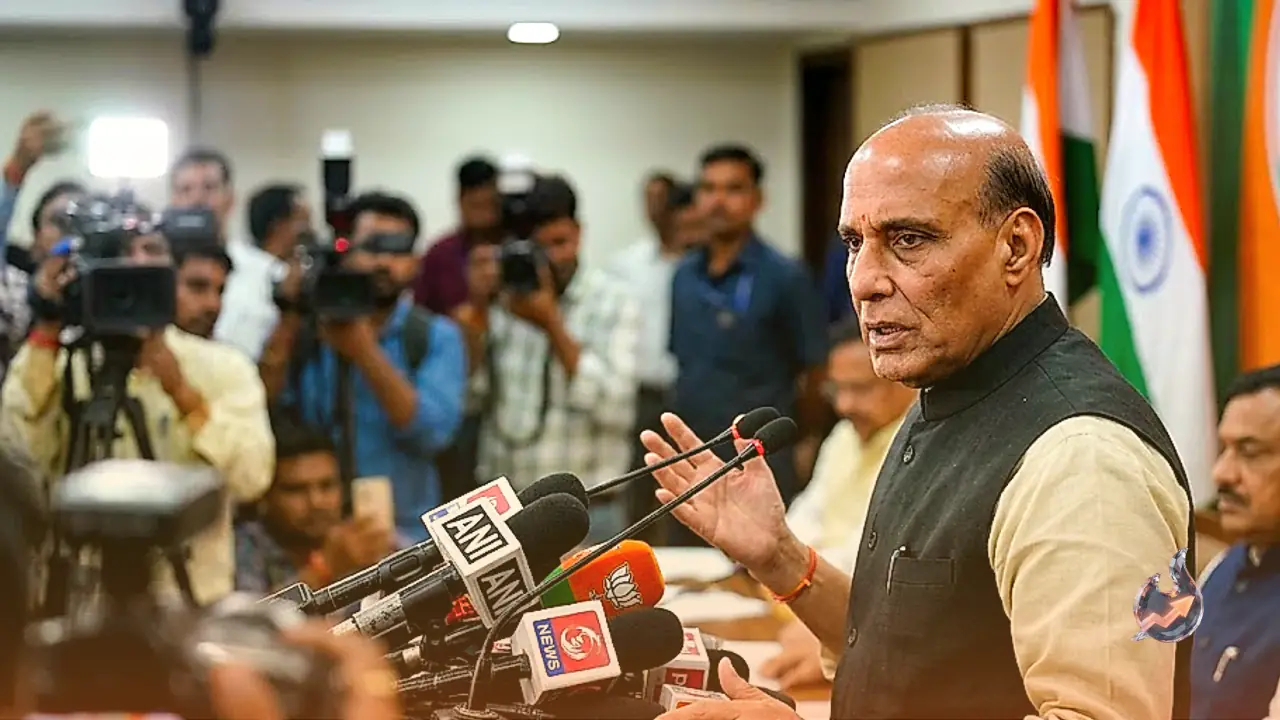




















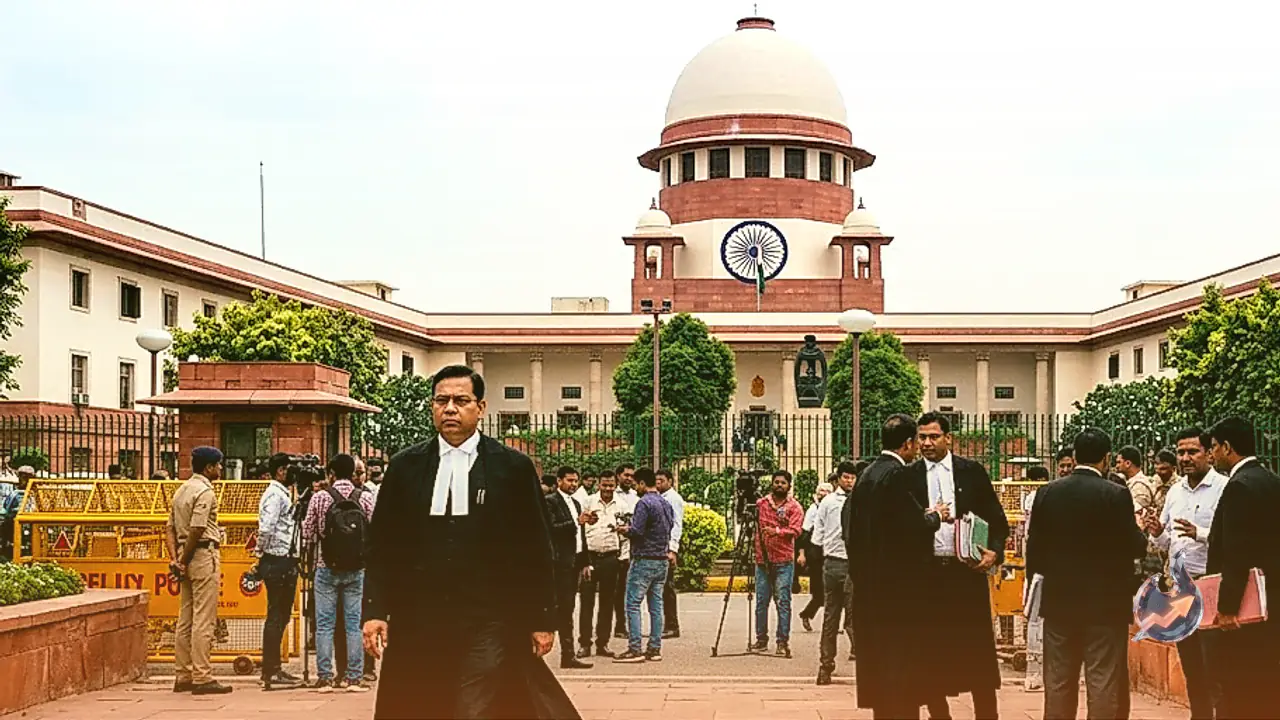

The Supreme Court made significant remarks while hearing petitions challenging the functioning of Chief Election Commissioner Gyanesh Kumar and the special intensive revision of voter lists, commonly known as SIR. A three-judge bench headed by Chief Justice Surya Kant stated that the judiciary will examine all facets of the decision-making process within the poll panel, including allegations that critical choices regarding the voter list revision lacked consensus among all election commissioners. Justices Joymalya Bagchi and V. Mohana are also part of the bench, which scheduled the next hearing for November 17 while giving petitioners a 10-day window to file their rejoinders to the poll body counter affidavit.
The legal dispute stems from multiple petitions questioning the administrative approach of the Chief Election Commissioner and the commission. Petitioners allege that pivotal decisions, particularly the rollout of the voter list revision, were pushed through without the concurrence of other election commissioners. Conversely, the commission maintained in its formal affidavit that all related actions had received unanimous backing from the panel members.
During the court proceedings, senior advocate Abhishek Manu Singhvi, representing Leader of the Opposition in the Lok Sabha Rahul Gandhi and India bloc leaders, urged the bench to direct the poll authority to secure relevant file notations and internal communications. Singhvi argued that the core of the controversy lies in how the commission arrives at its decisions, making it vital to scrutinize whether prior consultations occurred among all commissioners and if unanimous agreement genuinely existed.
He emphasized that internal notes and correspondence are critical to determining whether the contentious orders were truly issued with joint consent. In light of these arguments, the counsel requested preservation orders to protect official records from being altered. Chief Justice Surya Kant addressed the core of the matter by stating that the court is aware of the situation and will thoroughly investigate the process.
The bench set the upcoming hearing for November 17, offering petitioners an opportunity to submit formal responses to the commission disclosures. This will allow the court to further evaluate the conflicting claims and objections raised by both sides during subsequent proceedings.
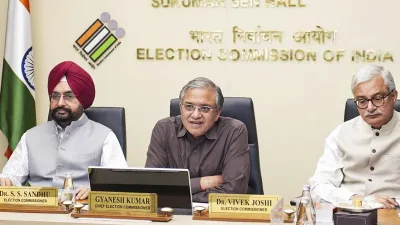
In a joint affidavit submitted to the top court, Chief Election Commissioner Gyanesh Kumar alongside Election Commissioners Sukhbir Singh Sandhu and Vivek Joshi asserted that the directives concerning the voter list revision were issued with complete unanimity. According to the filings, the initial order was issued on June 24, 2025, followed by subsequent directives on October 27, 2025, and May 14, 2026, outlining the schedule for conducting the revision across various states and union territories. The panel insisted that every single order was backed by the collective consensus of all three commissioners.
The commission defended its actions by citing Article 324 of the Constitution and Section 18 of the Chief Election Commissioner and Other Election Commissioners Act, 2023. Earlier, the poll panel had filed an extensive 248-page affidavit defending the revision methodology and refuting allegations that statutory Form-6 used for voter registrations had been altered. The institution maintained that Form-6 remained untouched and that the decision to file the comprehensive affidavit also received unanimous approval from the commissioners.
Despite these assertions, the controversy surrounding Form-6 surfaced during the court hearings. Senior advocate Menaka Guruswamy, appearing for Trinamool Congress Rajya Sabha MP Dola Sen, argued that modifications were introduced to Form-6 during the voter revision exercise in Bihar, while the commission had previously claimed that the apex court had endorsed those adjustments. Guruswamy questioned the official claims, suggesting that the commission own filings supported the concerns raised by the petitioners.
On the other hand, senior advocate Maninder Singh, representing the election authority, dismissed those arguments as mere rhetoric. The poll body reiterated in its submissions that no changes had been made to the statutory form, leaving a clear divergence in the claims presented by opposing counsels. The court issued notices to the election authority and other respondents regarding the fresh petition filed by Dola Sen, though it clarified that issuing notices does not imply an acceptance of the allegations.
The underlying friction regarding the internal workings of the poll panel gained momentum following a media report published by The Indian Express in September 2026. The report alleged that over a preceding ten-month period, Election Commissioners Sukhbir Singh Sandhu and Vivek Joshi had recorded objections on at least fourteen occasions regarding specific policy decisions and orders connected to the voter list revision. According to that coverage, both commissioners had reportedly maintained that certain directives were executed without their prior input or formal recommendation.
Following the emergence of those claims, opposition parties and political organizations raised questions about the administration of the poll panel and demanded the removal of the Chief Election Commissioner. However, the commission has countered those assertions through its formal affidavits, asserting full unanimity in its official actions. The primary question before the judiciary remains an examination of the internal procedures that preceded the issuance of the contested orders.