



















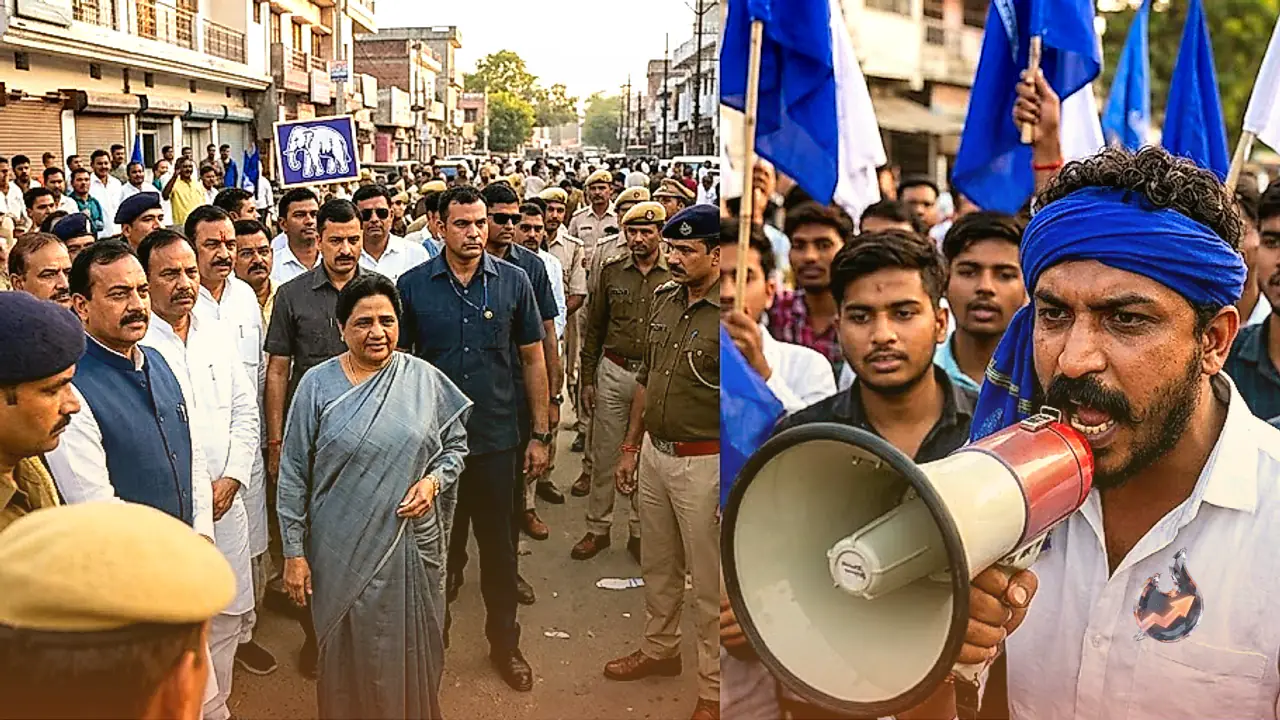

A significant political shift has unfolded in Uttar Pradesh as Bahujan Samaj Party leader Mayawati launched a scathing attack on the methods of young MP Chandrashekhar Azad. While the BSP chief did not explicitly name the Nagina MP, her recent comments regarding the protests over the brutal murder of a Dalit student, Lalita Gautam, left little room for interpretation. Mayawati characterized the efforts of street-level activists as nothing more than shedding 'crocodile tears,' revealing a clear sense of anxiety regarding the changing landscape of Dalit politics in the state.
Mayawati emphasizes legal constraints and constitutional order
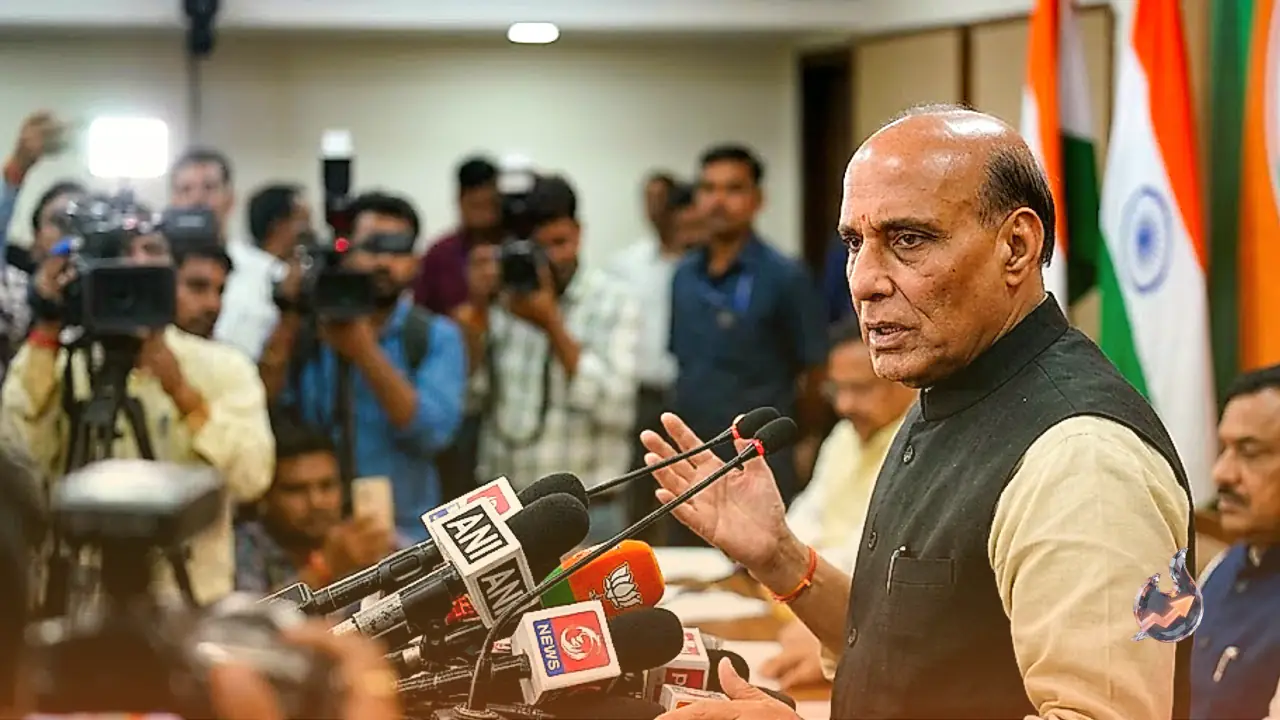
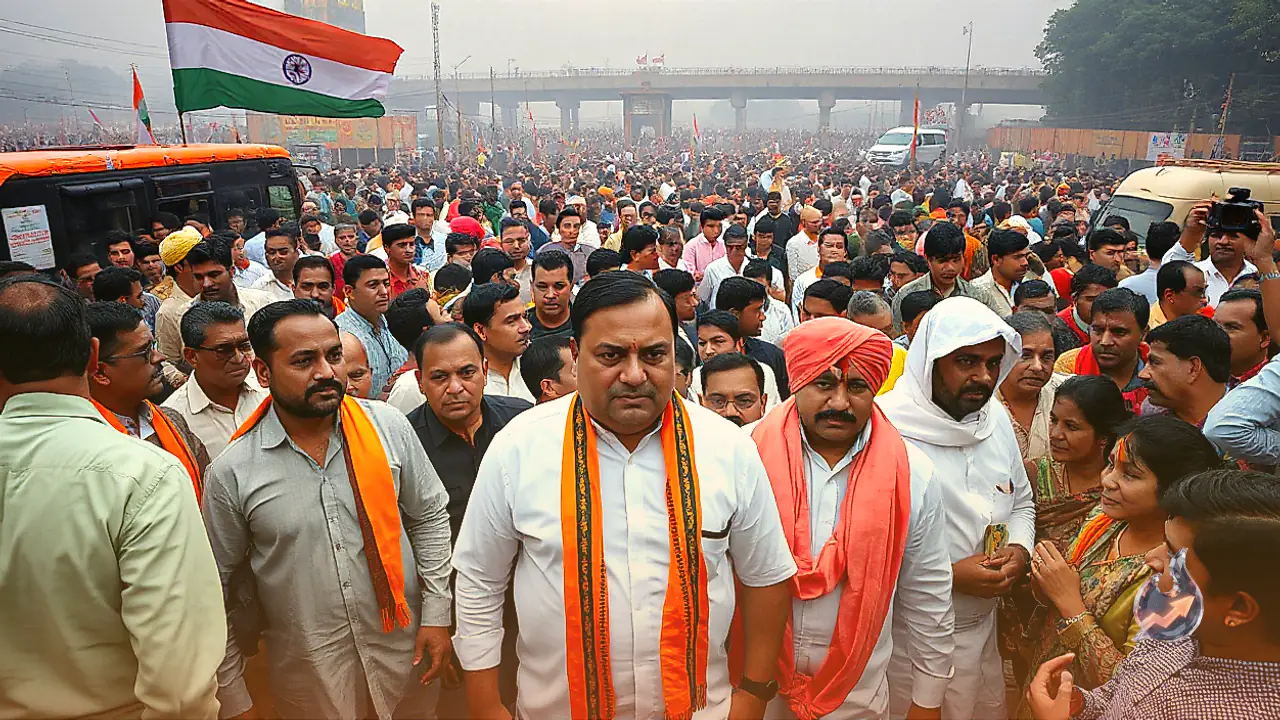
Addressing the media, Mayawati insisted that any fight against caste-based injustice must be conducted within the strict boundaries of the law rather than taking matters into one's own hands. She expressed deep concern over the frequent protests occurring in districts like Meerut, Saharanpur, Prayagraj, and Hardoi. According to Mayawati, organizations that lead such protests are driven by narrow political interests, using the grievances of marginalized communities to incite violence, create blockades, and cause public disorder. She argued that the leaders of these movements arrive at protest sites to gain political capital by feigning empathy, which she labeled as 'crocodile tears.' She contended that such agitation does not provide justice but instead exacerbates the misery of the victims. Instead, she urged people to follow the path established by Dr. Bhimrao Ambedkar, focusing on unity and the power of the vote to capture the 'master key' of political power.
Chandrashekhar Azad's swift rebuttal
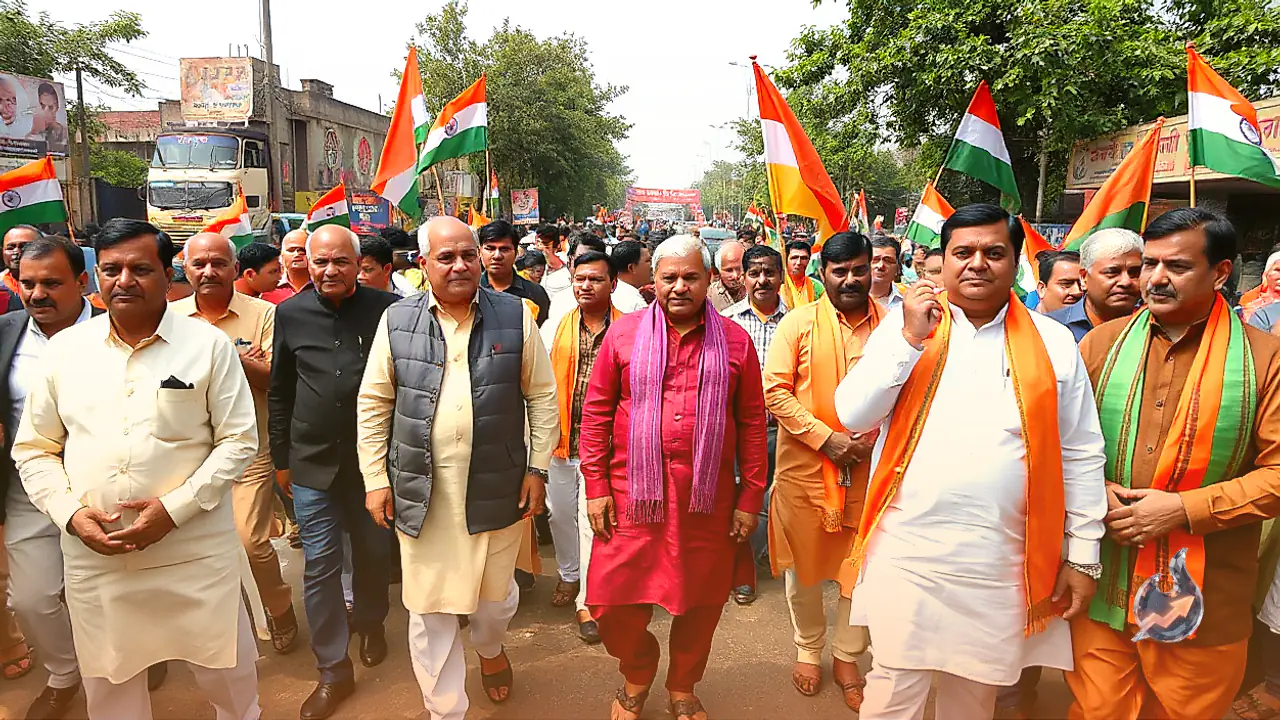
Chandrashekhar Azad wasted no time in responding to these accusations. Speaking from the protest site, he stated that he felt deeply hurt by Mayawati's comments. He retorted by questioning whether he should stand by while women are subjected to horrific atrocities, including acid attacks and public lynchings. He challenged the notion of waiting for a decade-long legal process, arguing that if this is what she defines as 'shedding crocodile tears,' then she should join the cause on the ground. He expressed his refusal to learn this brand of passive politics, affirming that he will continue to respect her but that the community itself will ultimately judge who is truly fighting for their rights and who maintains only a transactional relationship based on votes.
Shifting political tides since 2014
The political trajectory of Mayawati has seen significant changes over the past decade. Between 2007 and 2012, she served as the Chief Minister of Uttar Pradesh with a full majority. However, her tenure was marked by controversies surrounding large-scale park constructions, which impacted her image and led to the Samajwadi Party regaining power in 2012. The emergence of the Bharatiya Janata Party under the leadership of Narendra Modi in the 2014 general elections marked a turning point, after which Mayawati's political assertiveness appeared to wane. Her party failed to secure a single seat in the 2014 Lok Sabha elections, and by the 2017 Uttar Pradesh assembly polls, the BSP was reduced to just 19 seats. As the political environment in Uttar Pradesh continues to evolve, the friction between the established leadership of Mayawati and the grassroots, agitation-led approach of Chandrashekhar Azad highlights a critical juncture for the future of Dalit representation in Indian politics.