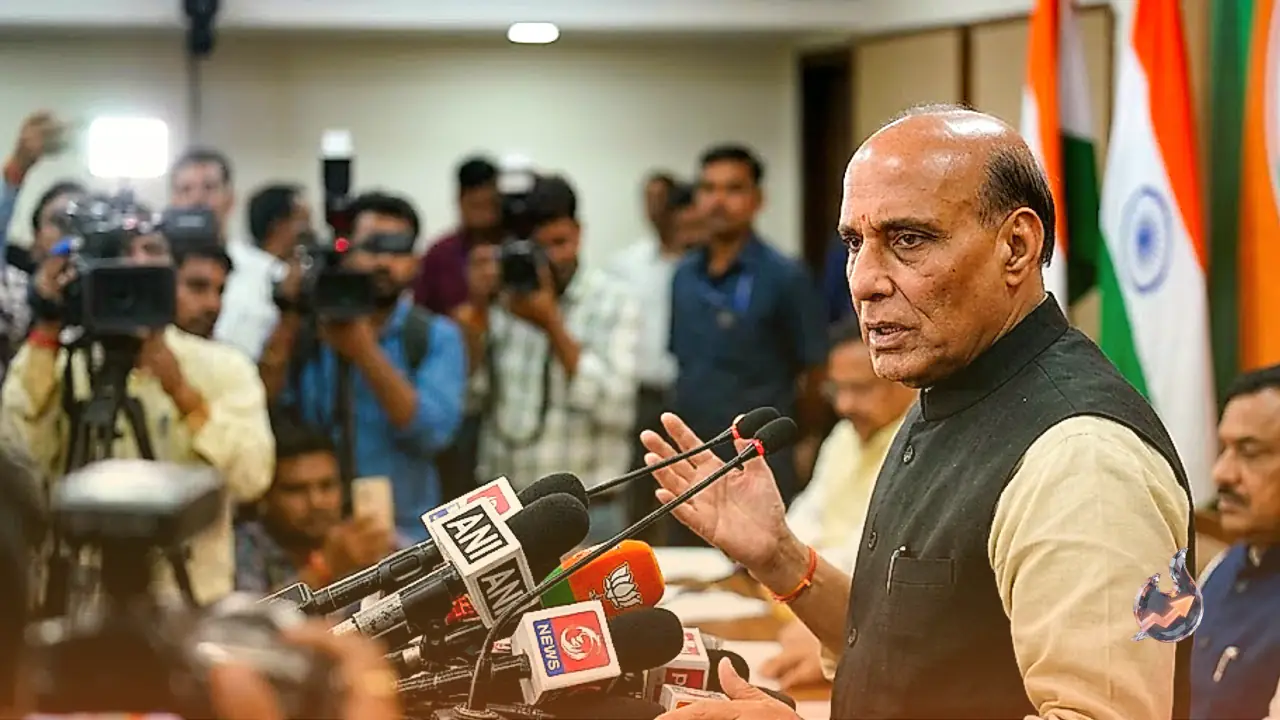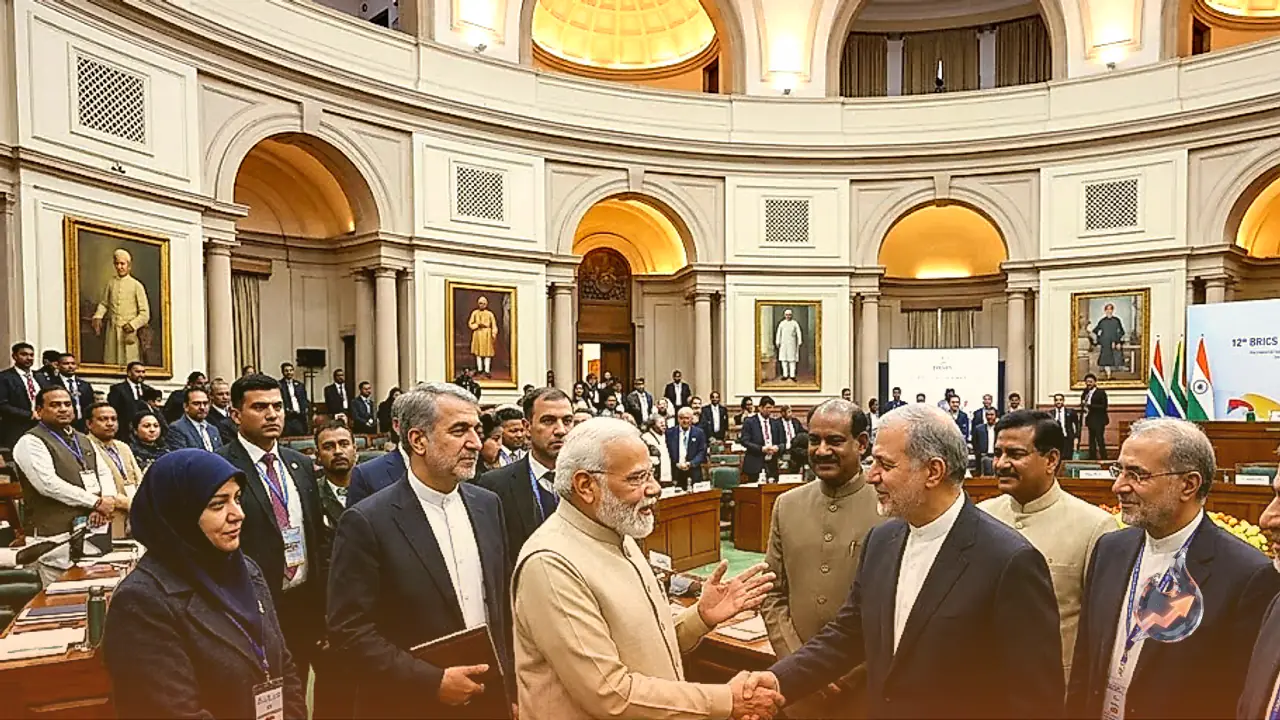






















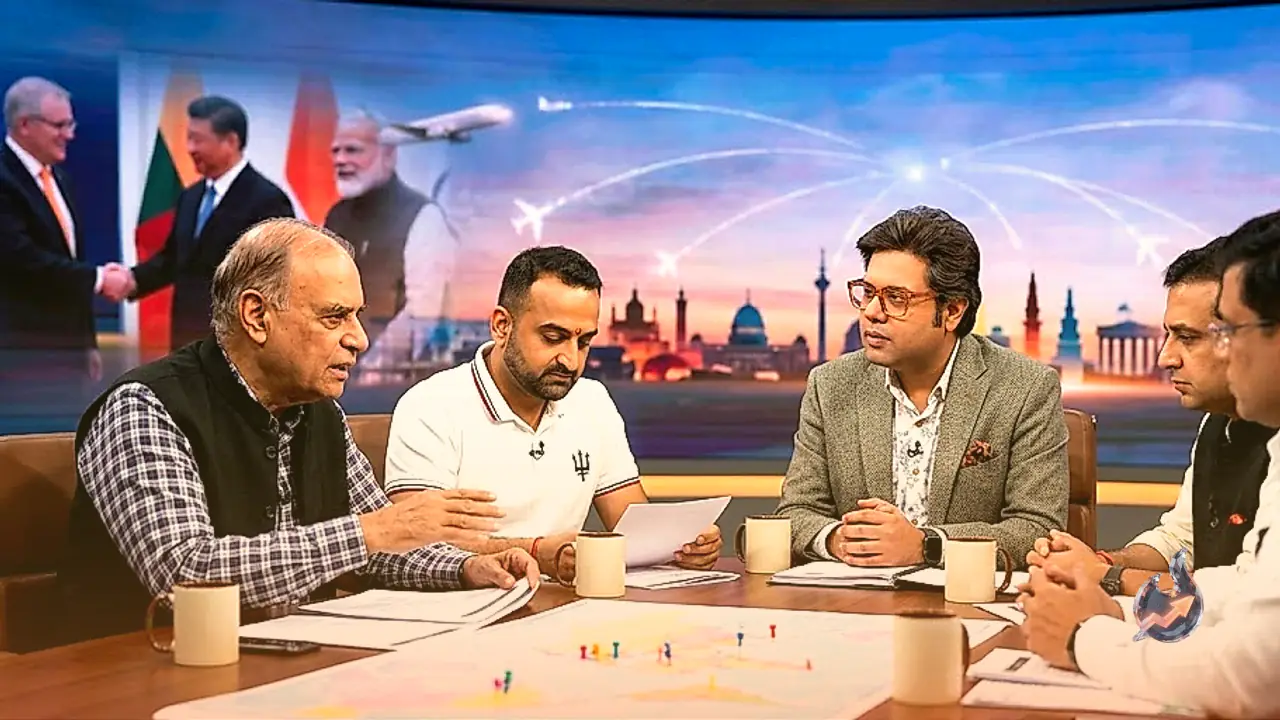

Prime Minister Narendra Modi's frequent foreign travels have sparked a heated political debate, prompting a deep dive analysis on the show 'Coffee Par Kurukshetra'. Hosted by Senior Executive Editor Saurav Sharma, the discussion featured veteran journalist Alok Mehta, geopolitical expert Vaibhav Singh, and Political Editor Devendra Parashar. The panel gathered to dissect the strategic and diplomatic implications of these global engagements.
The Opposition's Stance and Foreign Policy
A central theme of the conversation was whether the opposition offers a viable, concrete alternative to the current government's foreign policy. The panelists argued that simple criticism is insufficient; for an effective opposition, it is necessary to present a clear, alternative vision. The discussion also touched upon the long overseas absences of Congress leader Rahul Gandhi. The experts questioned the visibility and proactive engagement of the opposition at a time when major national issues are being debated. They emphasized that criticism of the government carries more weight when accompanied by a robust, well-defined policy alternative.
Uranium Deals and Energy Security
The conversation shifted to the energy benefits derived from the Prime Minister's visits. The agreement with Australia regarding uranium supply was highlighted as a major strategic milestone. Experts pointed out that as India's energy requirements continue to surge, securing consistent access to vital resources like uranium is essential. The panel argued that diversifying energy sources is a core component of India's long-term foreign policy, and the government is consistently working toward this goal. This deal, they noted, not only secures energy supplies but also significantly strengthens bilateral ties with Australia.
Expanding Global Influence
It was observed during the show that India has significantly broadened its diplomatic horizon over the past few years. Countries that were previously considered peripheral to Indian foreign policy are now central to its evolving strategy. The strengthening ties with Australia, New Zealand, West Asian nations, and Israel were cited as prime examples. The panelists suggested that in a changing global landscape, India has successfully reoriented its multilateral relationships by prioritizing its own national interests, allowing its voice to resonate more strongly on international platforms.
Growth in Defense, Tech, and Security
The panel further discussed how India has leveraged its partnerships to bolster interests in defense, agriculture, technology, and security. The technical collaboration with Israel was specifically lauded for its potential to benefit India's domestic capabilities. Similarly, active engagement with West Asian countries and India's growing presence at international forums were seen as indicators of its rising global stature. These initiatives are aimed at integrating external resources and advanced technologies with India's internal development objectives.
A Firm Stance on Pakistan
Finally, the discussion turned to relations with Pakistan, where the panelists noted the government's current policy remains both firm and clear-cut. By keeping the issue of terrorism at the forefront of diplomacy, the government has maintained that dialogue without a clear foundation is not on the agenda. In conclusion, the 'Coffee Par Kurukshetra' panel agreed that foreign policy is not merely about international travel, but a powerful mechanism to protect national interests and expand India's global influence. The collective assessment was that this policy framework is designed to provide long-term strategic advantages to the country.