





















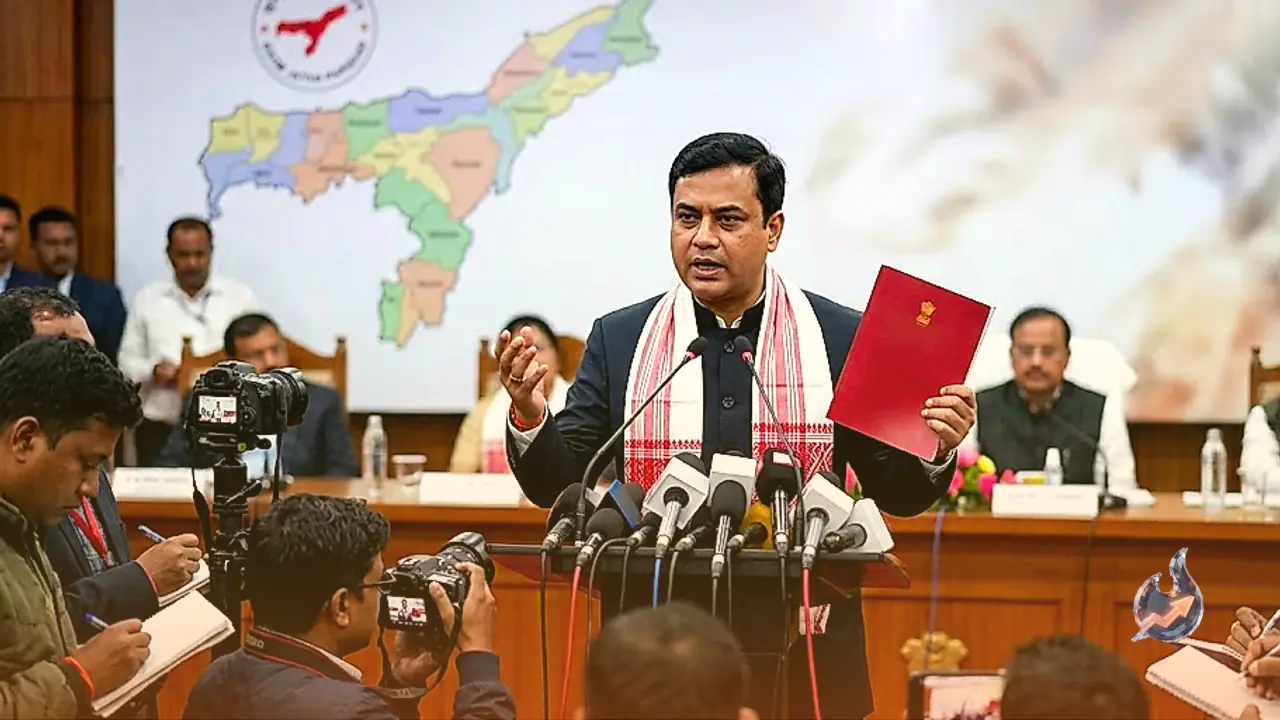

The government of Assam is preparing to implement rigorous measures against men who engage in polygamy as part of its effort to foster societal integrity and gender justice. During the presentation of the state budget on Friday, Finance Minister Jayanta Malla Baruah introduced a significant proposal aimed at individuals practicing multiple marriages. Under the new policy, such individuals will be barred from receiving benefits from any state-sponsored welfare schemes. This initiative is being positioned as a key move to promote inclusivity, honesty, and moral standards within the community.
Highlighting the government's stance, Finance Minister Jayanta Malla Baruah stated that the reach of welfare schemes should not be limited to mere eligibility but must also reinforce principles of responsible citizenship. He emphasized that to advance gender equity and empower women, any man practicing polygamy will no longer be eligible to access state welfare programs.
Termination of Government Employment
In addition to restricting welfare benefits, the budget includes a formal proposal to amend the Assam Services (Discipline and Appeal) Rules, 1964. The amendment dictates that any government employee found guilty of polygamy will be subject to dismissal from state service. Baruah reiterated the government's commitment to promoting honest and responsible behavior, declaring that individuals convicted under any criminal law will become ineligible for state-notified welfare support. The minister acknowledged that the operational flow of these schemes had previously been impacted due to the lack of a regular budget during the election cycle.
Allocation of 6,000 Crore Rupees
Finance Minister Jayanta Malla Baruah announced that the state will resume these critical welfare schemes starting from the month of August. He proposed an allocation exceeding 6,000 crore rupees across various categories to benefit different sections of society. The government expects the house to appreciate the significance of these unprecedented welfare programs designed for the upliftment of the public.
The execution of these beneficiary-focused schemes will be managed through an integrated digital beneficiary system, developed under the Digital Infrastructure for Direct Benefit Transfer (DIDS) framework. This system will integrate Aadhaar-based authentication to ensure that the assistance reaches only those who are legitimately entitled and comply with state mandates. By leveraging this digital framework, the government aims to enhance transparency in the delivery of social services and minimize the scope for administrative lapses or misuse of public funds.