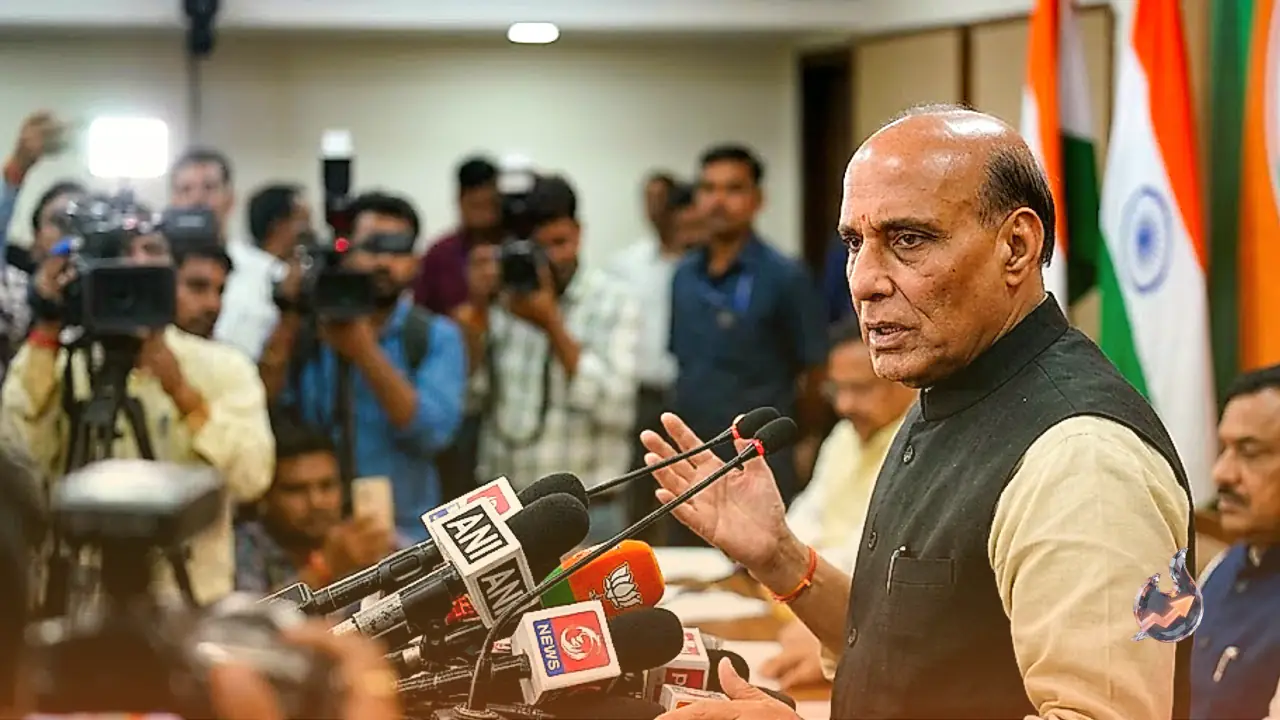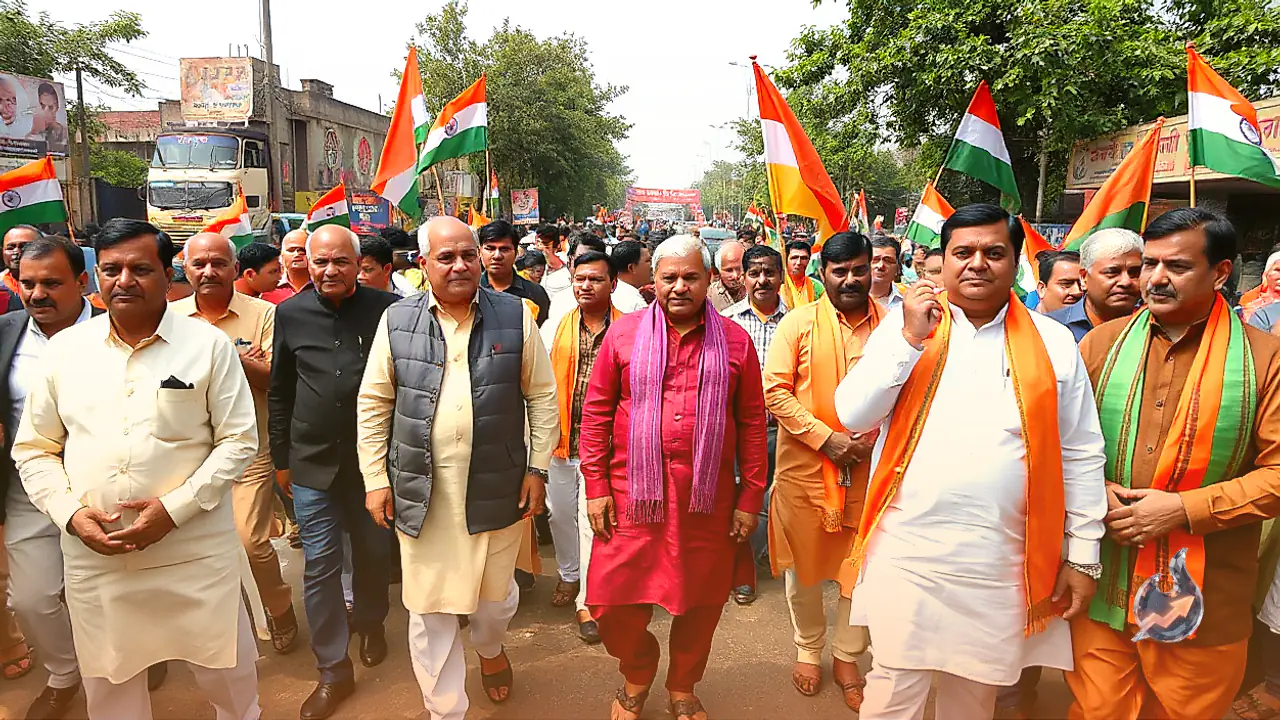

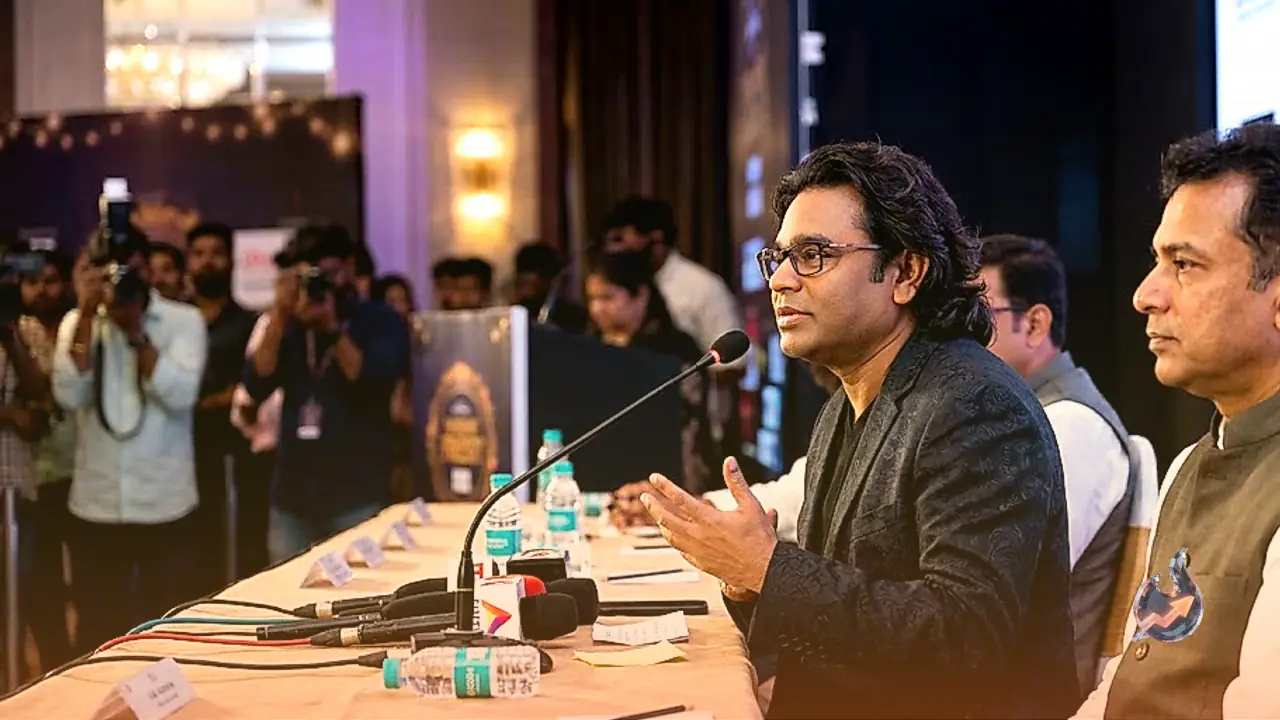
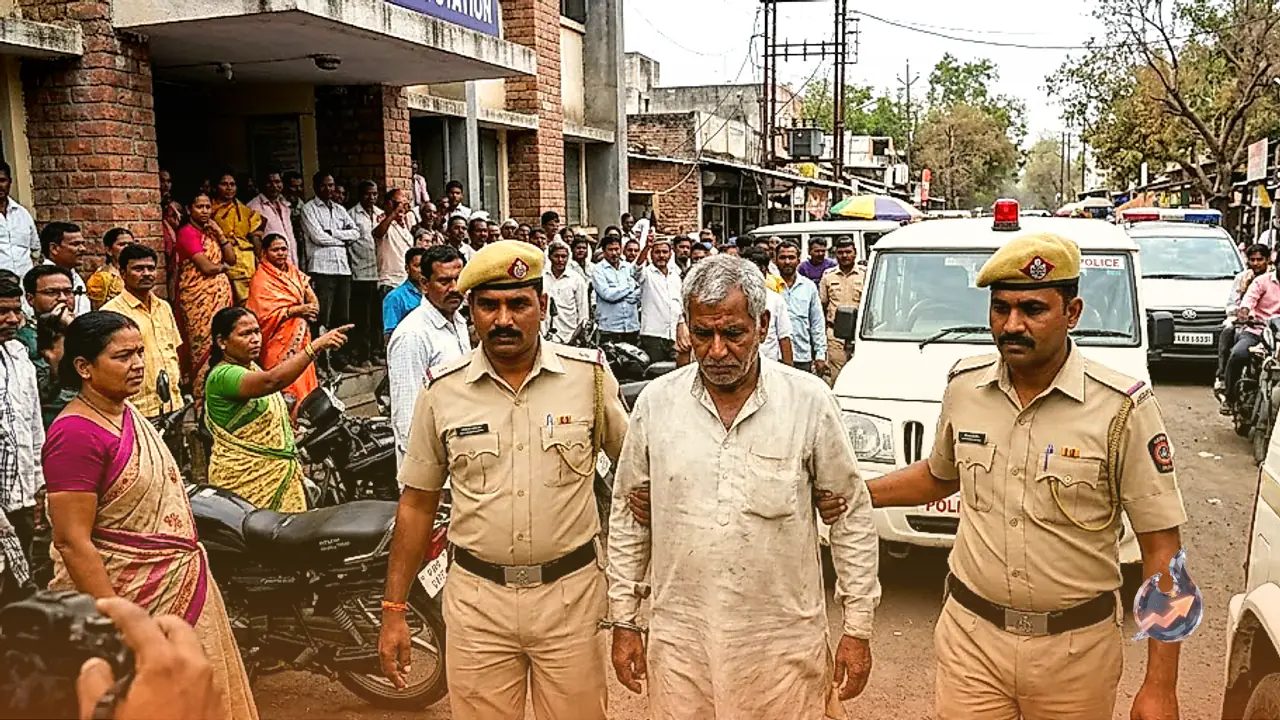















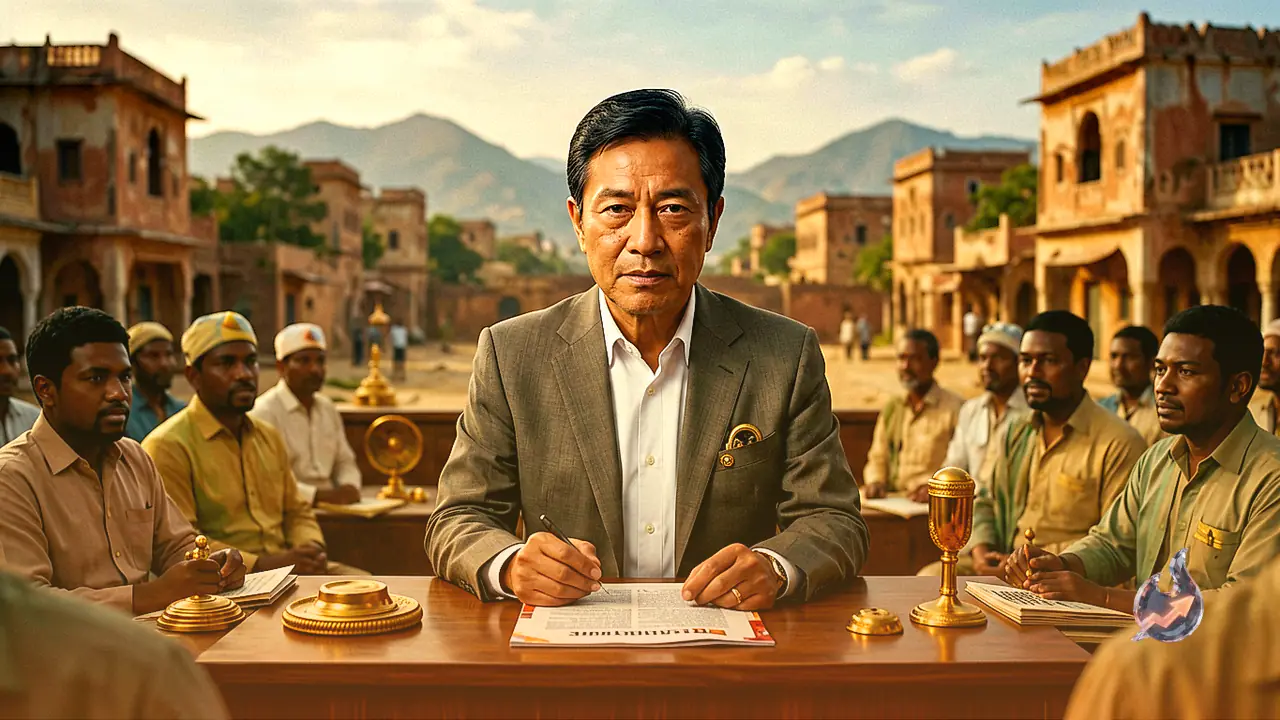

At the conclusion of a three-day strategy camp held in Rajgir, Rashtriya Lok Morcha national president Upendra Kushwaha announced key political decisions aimed at shaping Bihar's social policy and governance agenda. The party formally adopted three major resolutions during the event, chief among them being a firm pledge to drive forward former Chief Minister Nitish Kumar's decision to implement a 65 percent reservation quota in the state. Coming at a time when anti-reservation demonstrations are gaining momentum at Jantar Mantar in New Delhi, Kushwaha's declaration carries significant political weight. Beyond social policy, the leader addressed questions surrounding Nitish Kumar's legacy, his relationship with key political figures, and the ongoing student agitation across Bihar.
Commitment to Implementing the 65 Percent Quota
Elaborating on the resolutions passed during the Rajgir session, Upendra Kushwaha emphasized that pushing the 65 percent reservation policy to logical fruition remains a top priority for Rashtriya Lok Morcha. He pointed out that the original decision to raise the quota ceiling to 65 percent was taken by the government led by former Chief Minister Nitish Kumar, based directly on the comprehensive data gathered from Bihar's state caste survey. Although the implementation faced a legal setback after being stayed by the courts, Kushwaha stated that the responsibility now rests on his party to revive and enforce it. RLM intends to pursue all necessary legal and policy measures to turn Nitish Kumar's reservation vision into reality.
Clarification on Political Legacy and Support for Nishant Kumar
Addressing recent controversies regarding statements he made about Nitish Kumar's political legacy, Upendra Kushwaha clarified that his words had been misrepresented in public discourse. He explained that leaders within the Janata Dal (United) themselves share ongoing anxieties about who will inherit and manage the party's foundational legacy. Given his own extensive past contributions toward building and expanding JDU, Kushwaha noted that his remarks were merely a reflection of that genuine concern. Addressing Nishant Kumar, the son of Nitish Kumar, Kushwaha offered his complete blessings and support. He drew a direct parallel between Nishant Kumar and his own son, Deepak Prakash, emphasizing that both young individuals represent the upcoming political generation and carry immense potential for the future.
Dismissal of Rumors Regarding Tension with Samrat Choudhary
Upendra Kushwaha firmly rejected reports suggesting any rift or ongoing conflict between himself and Samrat Choudhary. Characterizing media narratives of internal division as entirely baseless, he clarified that there is no distance or dispute separating the two leaders. Kushwaha reiterated that both leaders remain completely united and aligned in their political objectives and collaborative efforts for the state.
Approach Toward Student Protests and Youth Engagement
Reflecting on current student strikes and agitations in Bihar, Upendra Kushwaha observed a distinct generational shift between past and present youth dynamics. He noted that in earlier decades, administrative committees and political leadership could manage youth movements through rigid structures or firm discipline. However, modern realities demand a fundamentally different approach centered on active listening and constructive engagement. Kushwaha advocated for treating protesting students as friends rather than adversaries, emphasizing the need for open dialogue to address their grievances. He expressed his readiness to personally visit protest sites and engage directly with student representatives if required to resolve their concerns.