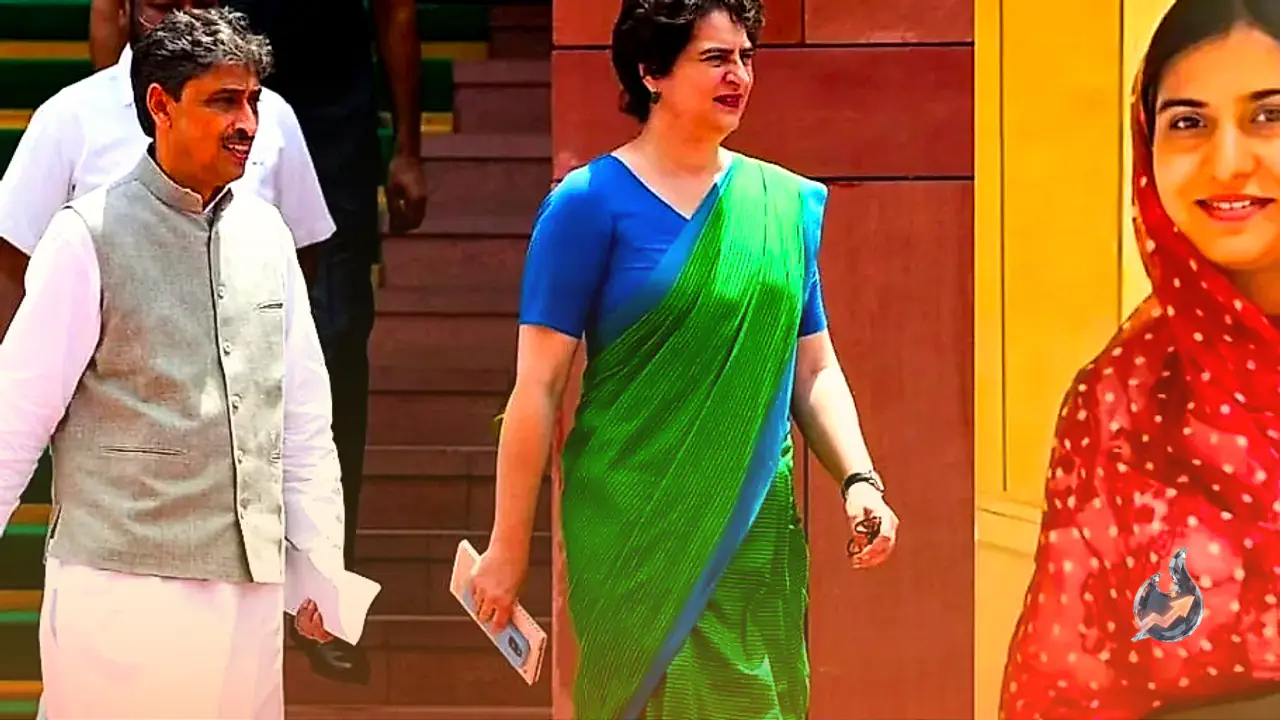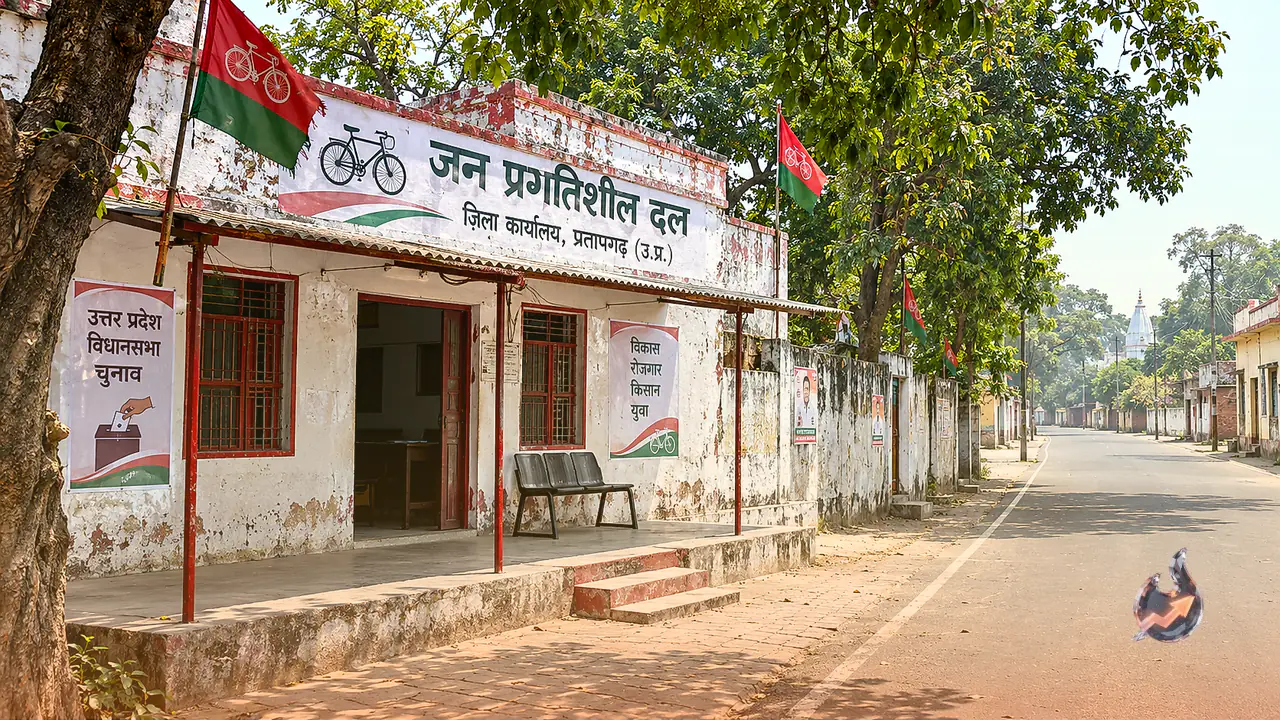

The political landscape in Uttar Pradesh is heating up well ahead of the 2027 assembly elections. Ever since veteran Samajwadi Party leader Azam Khan walked out of jail, ripples have been felt across both ruling and opposition camps. Leading the charge with sharp gibes and criticisms is Suheldev Bharatiya Samaj Party president and state cabinet minister Om Prakash Rajbhar. A look at Rajbhar's social media handles and public statements reveals a consistent pattern of targeting SP chief Akhilesh Yadav over Azam Khan's release. As the veteran leader has come out of prison, Rajbhar has only grown more aggressive. The big question remains: why is Om Prakash Rajbhar so relentlessly attacking the SP supremo, and does this point to a calculated strategy to disrupt opposition equations in the Purvanchal region?
Social Media Barbs and Questions Over Meetings
Whether using Azam Khan's name, questioning minority voter loyalty, or attacking the perceived closeness between the Samajwadi Party and Congress, the state cabinet minister has kept up relentless pressure. On the morning of November 23, Rajbhar posted a long critical note addressed to Akhilesh Yadav on social media. He remarked that while the senior leader had stepped out of prison for a few days, it seemed the party leadership was hardly overjoyed by his return. Rajbhar openly questioned why Akhilesh Yadav failed to meet Azam Khan, why there were no formal greetings, and why he was not invited to Lucknow for Mulayam Singh Yadav's birth anniversary. Taking further aim, he dismissed Azam Khan using a colloquial metaphor and questioned the party's traditional MY equation. The social media post also dragged in old family feuds within the opposition camp to corner the leadership politically.
The Purvanchal Equation and the Battle for Muslim Votes
The central puzzle behind these repeated attacks is whether this is merely inter-party posturing or part of a larger electoral blueprint for 2027. The most critical dimension of Rajbhar's strategy involves the Muslim vote bank. The Samajwadi Party has long relied on the Muslim-Yadav combination to solidify its political footing, and the PDA formula yielded significant success in the 2024 general elections. Azam Khan has traditionally held immense sway as an influential minority leader in western Uttar Pradesh. Should Azam Khan hold public rallies or meetings in Purvanchal, it threatens to rattle the vote banks that smaller allies like Rajbhar depend on. Fearing a potential drift of minority votes, the SBSP leader is continuously poking holes in the alliance's dynamics. He alleges that the leadership failed to grant Azam Khan the political weight and respect he deserved, attempting to plant doubts among minority voters regarding how serious the opposition leadership truly is about minority representation.
Demands for a Chief Ministerial Face and Past Visits
This is not the first time Rajbhar has openly challenged the opposition leadership on this front. He previously asserted that if Azam Khan is such an immense figure for the minority community, the party should declare a minority leader as its chief ministerial candidate for the 2027 elections. This statement was designed to spark a wider debate regarding leadership representation within the opposition camp rather than just focusing on an individual. On the other hand, records show that Akhilesh Yadav visited Azam Khan in Rampur jail on October 22, where he termed the cases registered against the senior leader as acts of political vendetta. By keeping the issue alive, Rajbhar is leveraging past equations to continuously question the core political strategy of the opposition ahead of the upcoming state polls.
Targeting the Core Base and Backward Class Politics
While minority and backward voters remain vital pillars for the Samajwadi Party, the ruling alliance and its partners have continuously focused on strengthening their base among non-Yadav OBCs, Dalits, and other social groups. Om Prakash Rajbhar commands influence primarily among the Rajbhar community in Purvanchal, drawing his political strength from backward classes. By attacking Akhilesh Yadav, Rajbhar is simultaneously attempting to destabilize the opposing camp's traditional support pillars while cementing his own bargaining position within backward-class politics. As the political maneuvering intensifies across the region, these strategic attacks highlight the fierce competition for dominance over every crucial voter block in the state.