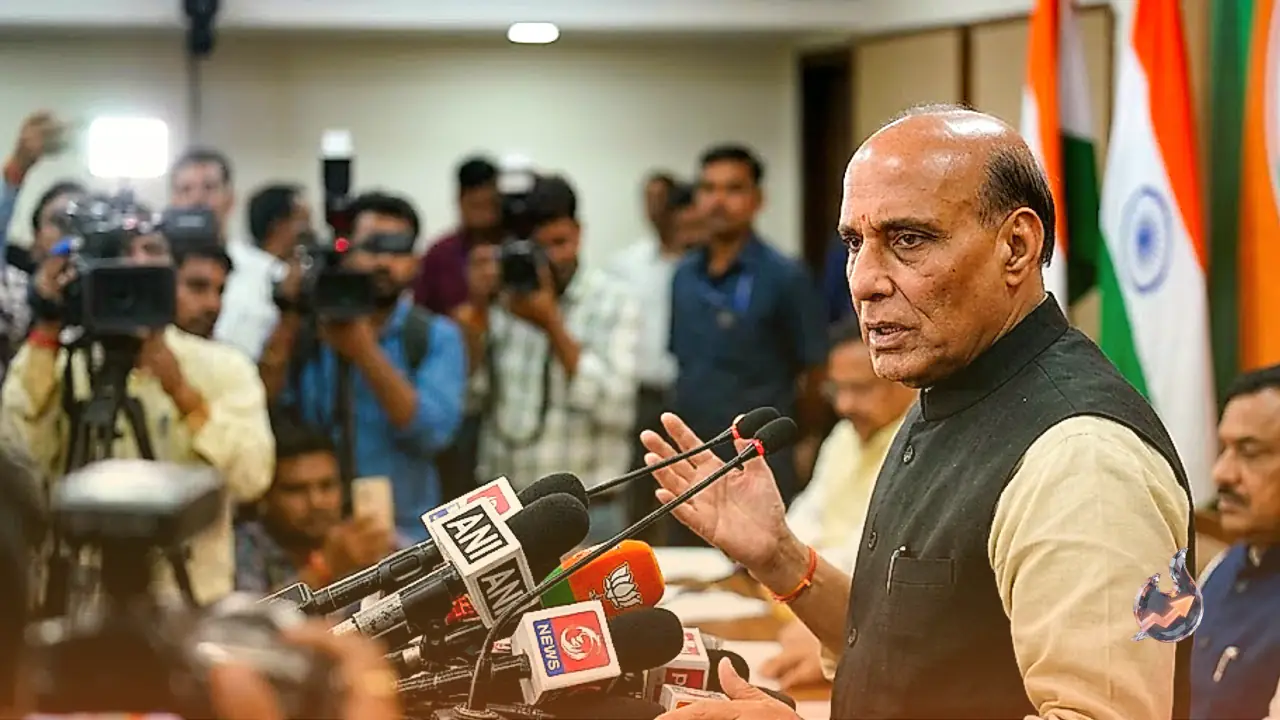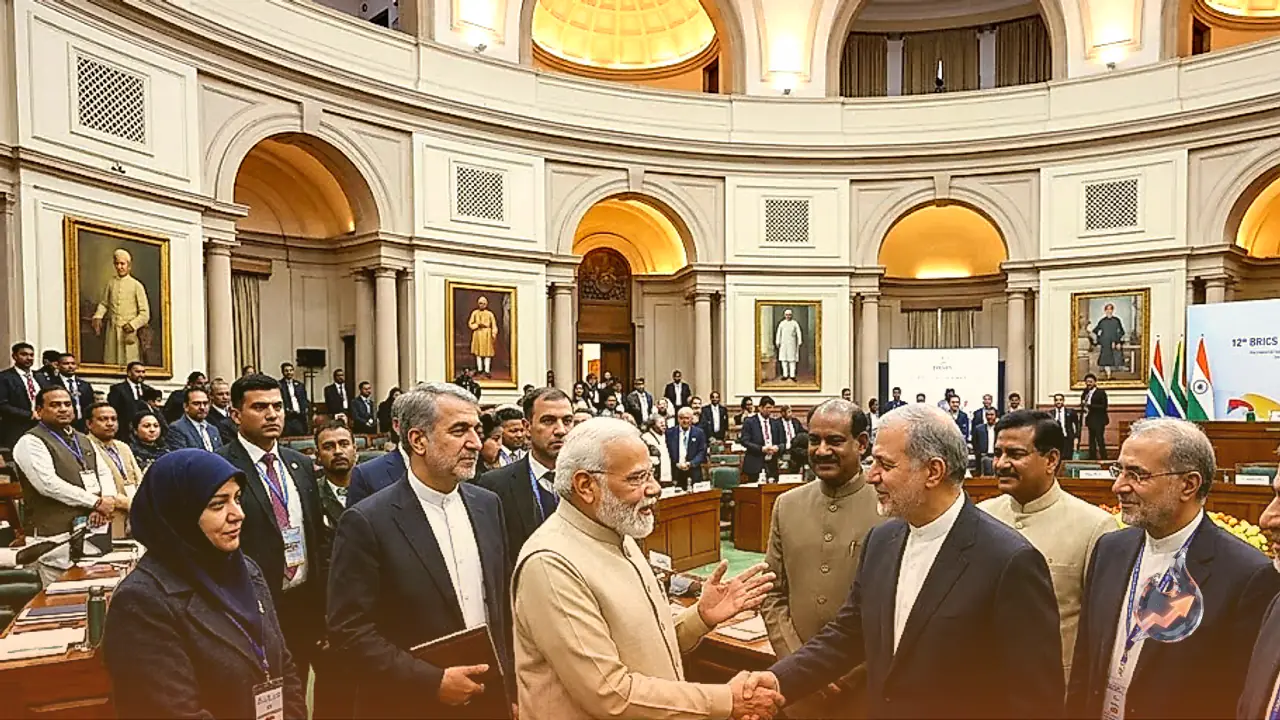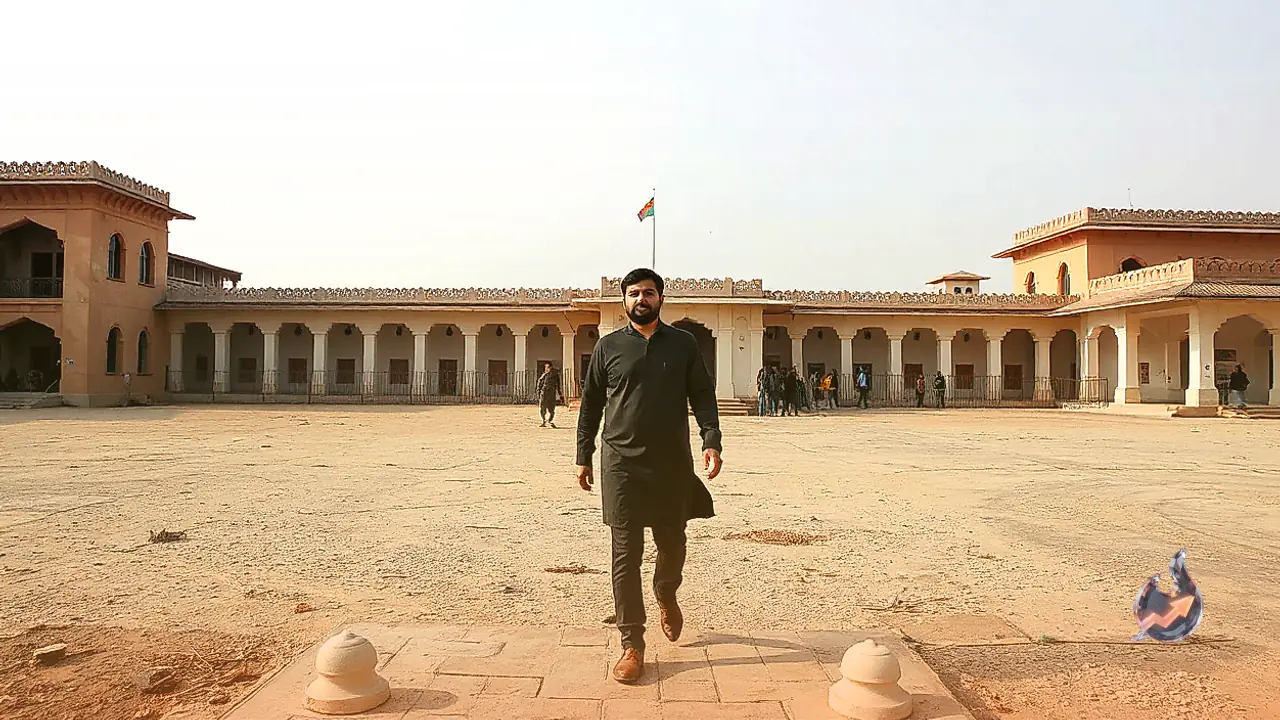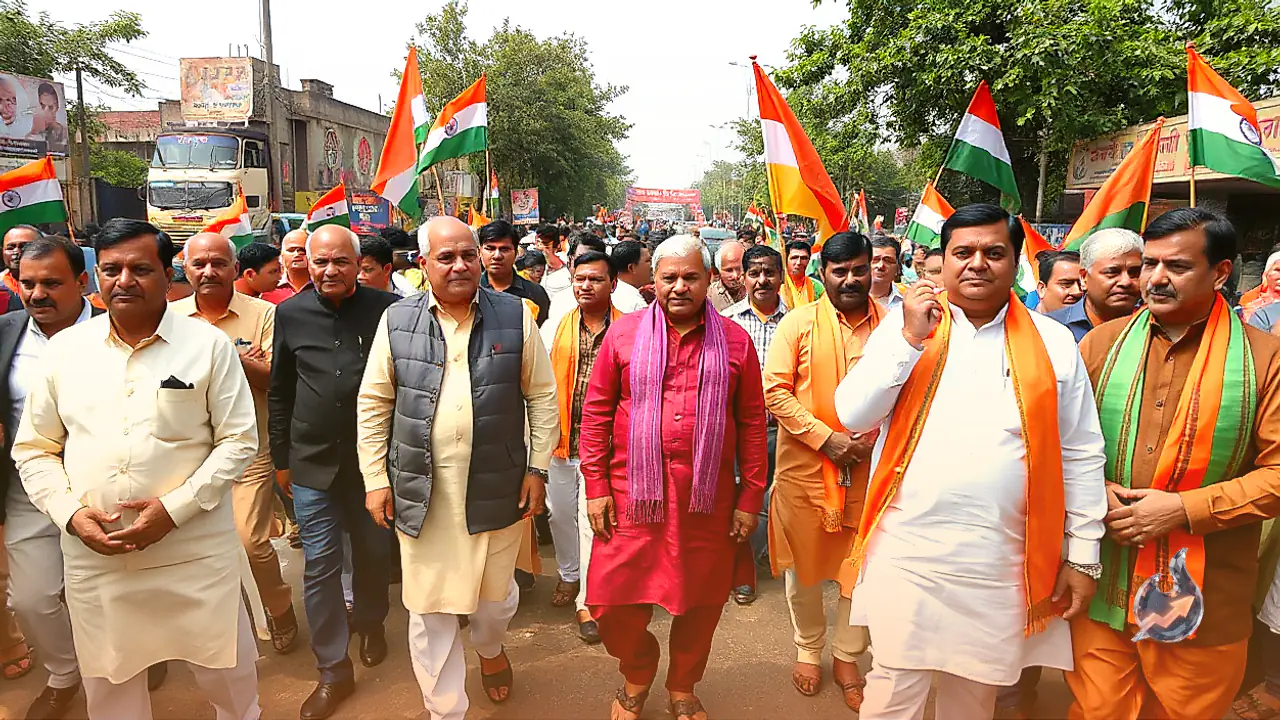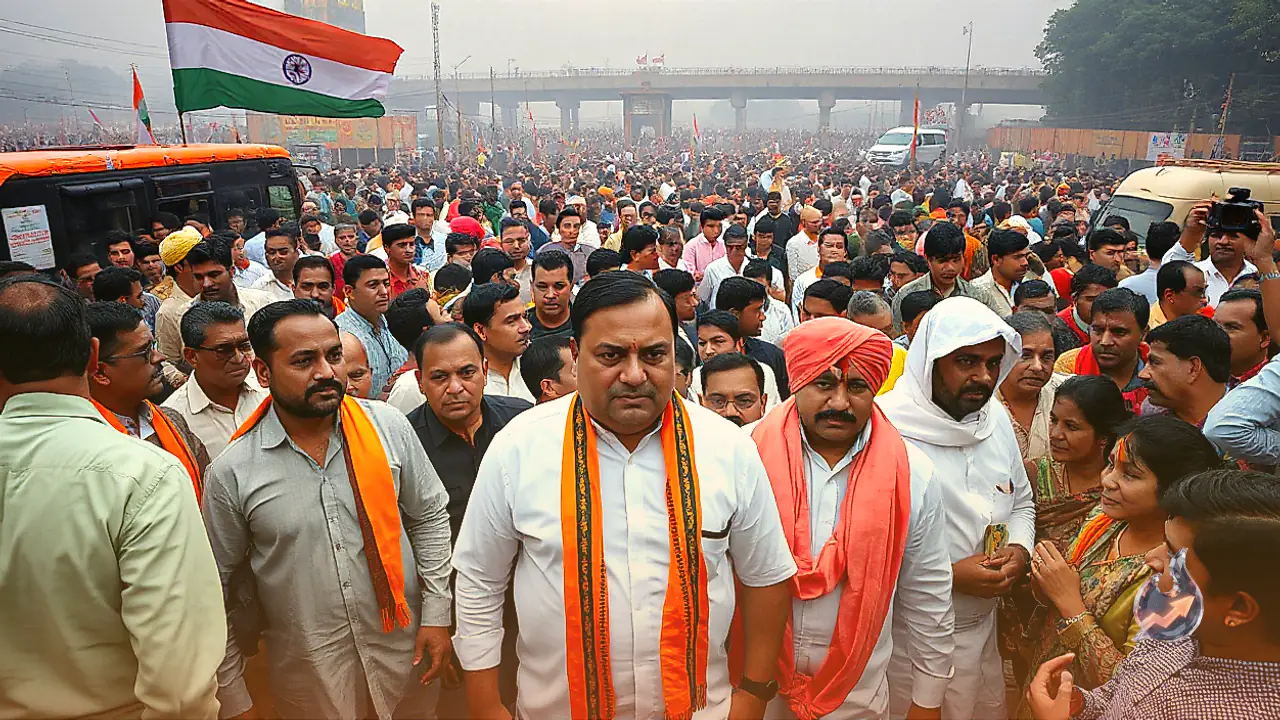



















Over the past few years, neighboring countries like Bangladesh, Sri Lanka, and Nepal have witnessed massive youth and student-led uprisings. More recently, student demonstrations have unfolded within India as well. Yet a persistent question remains: why has Pakistan, despite deep-seated public anger and political instability, never been able to mount a comparable nationwide youth movement? US South Asia analyst Michael Kugelman recently shared his perspectives on this phenomenon through a series of posts on the social media platform X, noting that the fundamental ingredients typically required to spark mass movements—such as rampant corruption, heavy-handed oppression, soaring unemployment, and widespread public alienation—are all abundantly present within Pakistan.
An Environment That Suppresses Mobilization
According to Kugelman, a primary barrier is the prevailing environment inside Pakistan. He emphasized that the current political climate is exceptionally repressive, making it extremely difficult to organize masses around political grievances on a large scale. He noted that any serious attempt to jump-start a major protest campaign would likely be preempted and shut down early on by the country's security institutions. This observation arrives amid ongoing domestic and international debates regarding the sweeping influence and intervention of security agencies within Pakistan's governance.
A History of Past Agitations
At the same time, Kugelman acknowledged that protest traditions are not entirely foreign to Pakistan. Pointing to historical precedents, he cited past campaigns waged against military dictatorships, the prominent lawyers' movement, farmers' agitations, Baloch protests, and various Pashtun rights campaigns. These examples demonstrate that political resistance and sectoral protests have indeed occurred throughout the nation's history, even if they have not coalesced into a unified youth-led national revolution.
Lack of Inter-Movement Coordination
The US analyst suggests that Pakistan's central dilemma today lies in the fragmentation of its various opposition fronts. While multiple localized protests and grievances against the government persist, these distinct movements fail to connect or merge into a cohesive national campaign. Kugelman points out that Pakistan's deep social and ethnic diversity has grown increasingly fractured over time, preventing different activist factions from building the broad-based solidarity required to sustain a massive countrywide movement.
The Legacy of the Student Union Ban
Highlighting another crucial dimension, Kugelman pointed back to the 1980s under former President General Zia-ul-Hulk, who formally banned student unions across the country. Those bans were never effectively undone in the decades that followed. Given that Pakistan boasts a massive youth demographic and that students historically serve as the driving engine of any major public movement, Kugelman argues that the lingering legacy of the ban on student unions cannot be discounted when evaluating the current political passivity among the younger generation.