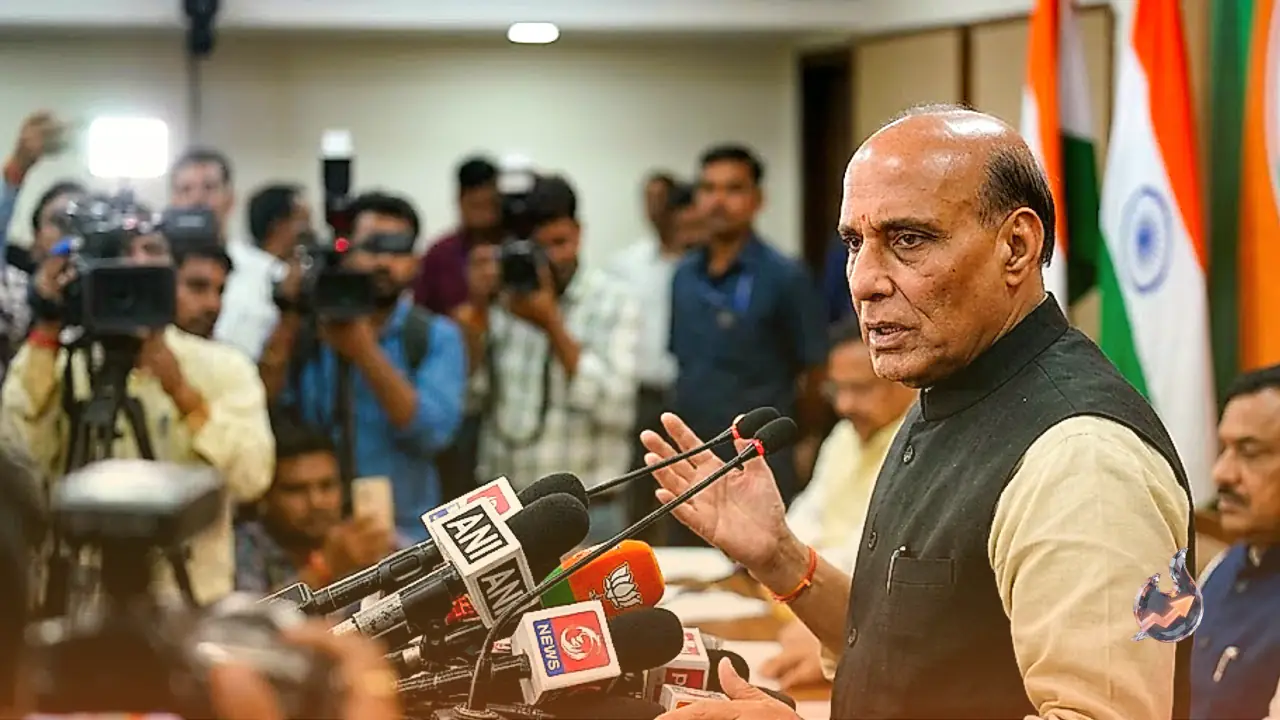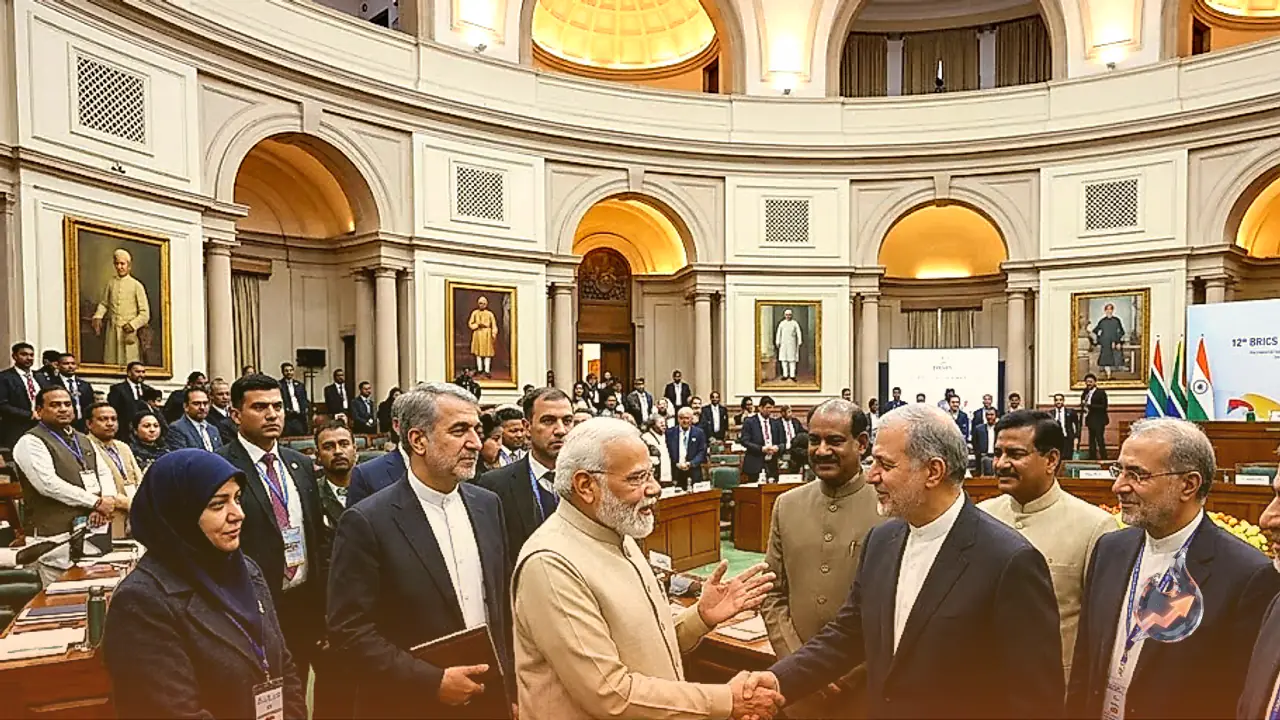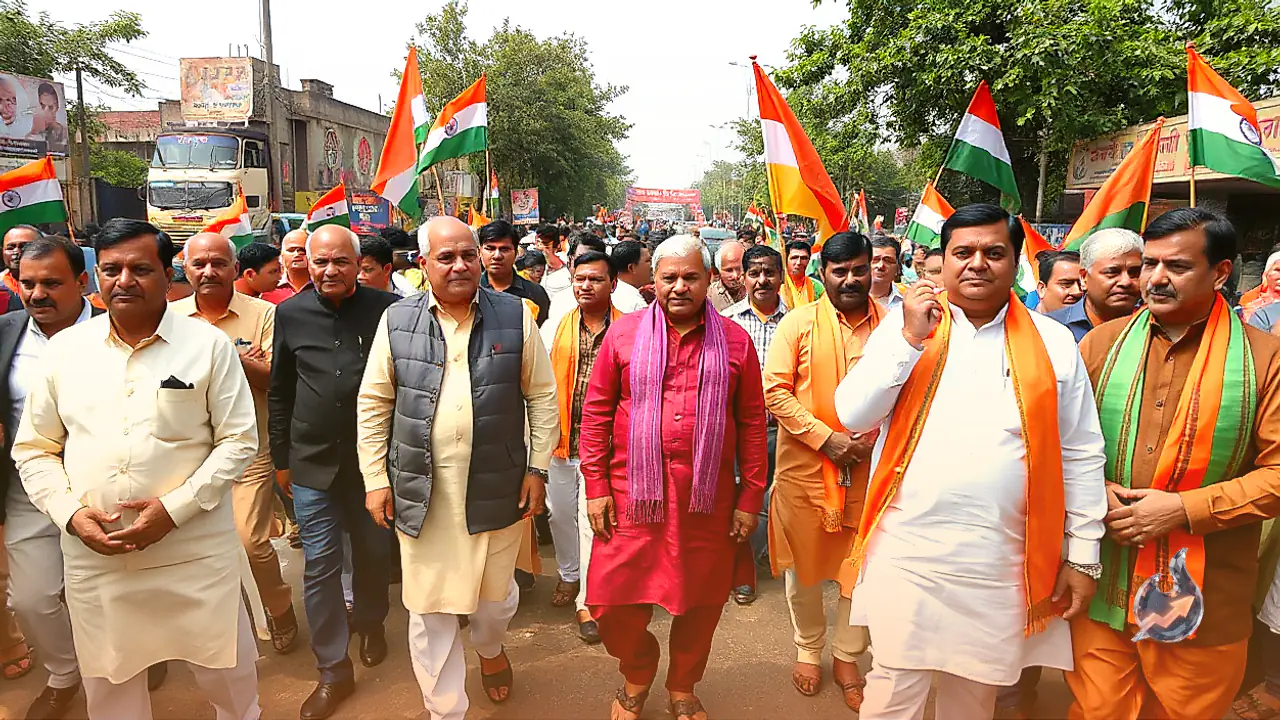
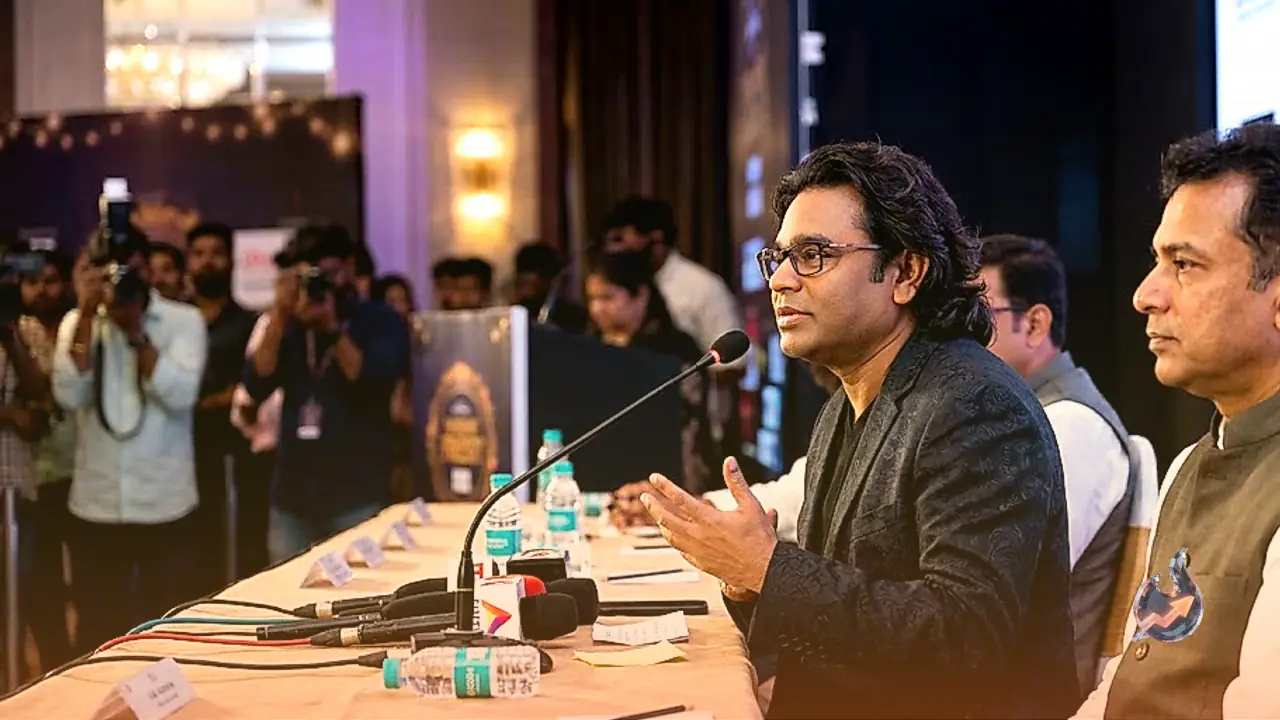

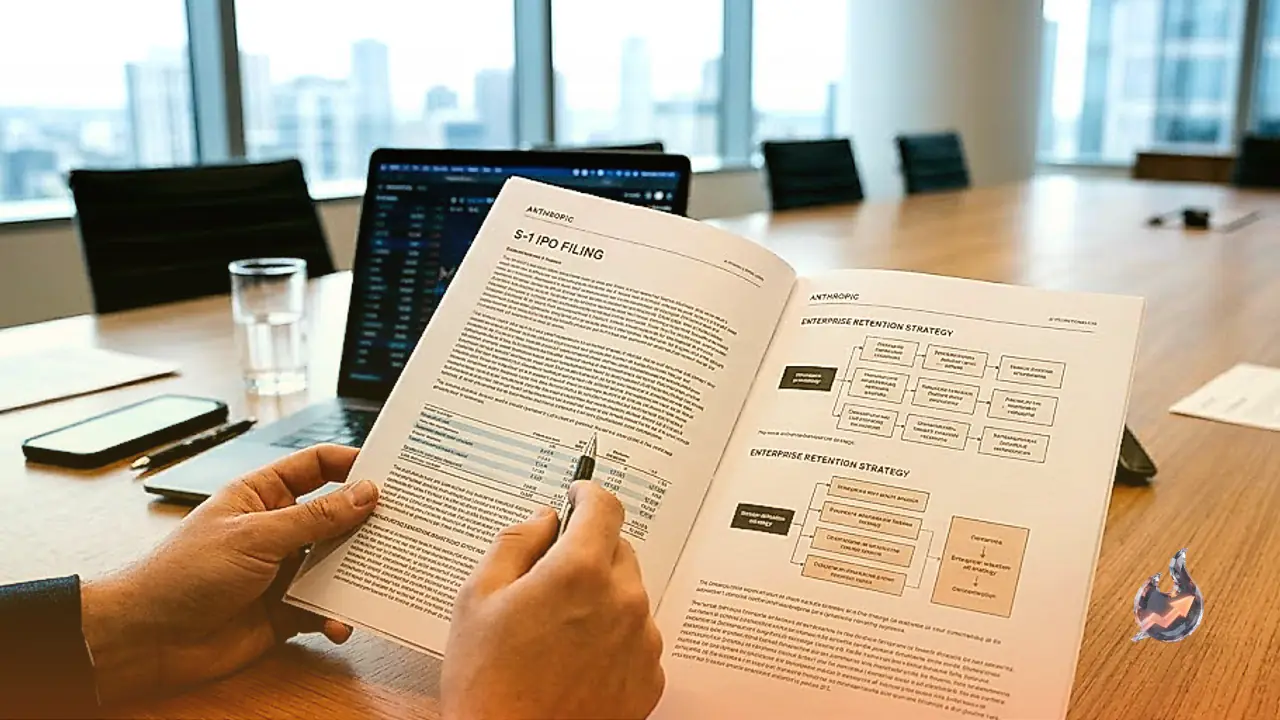














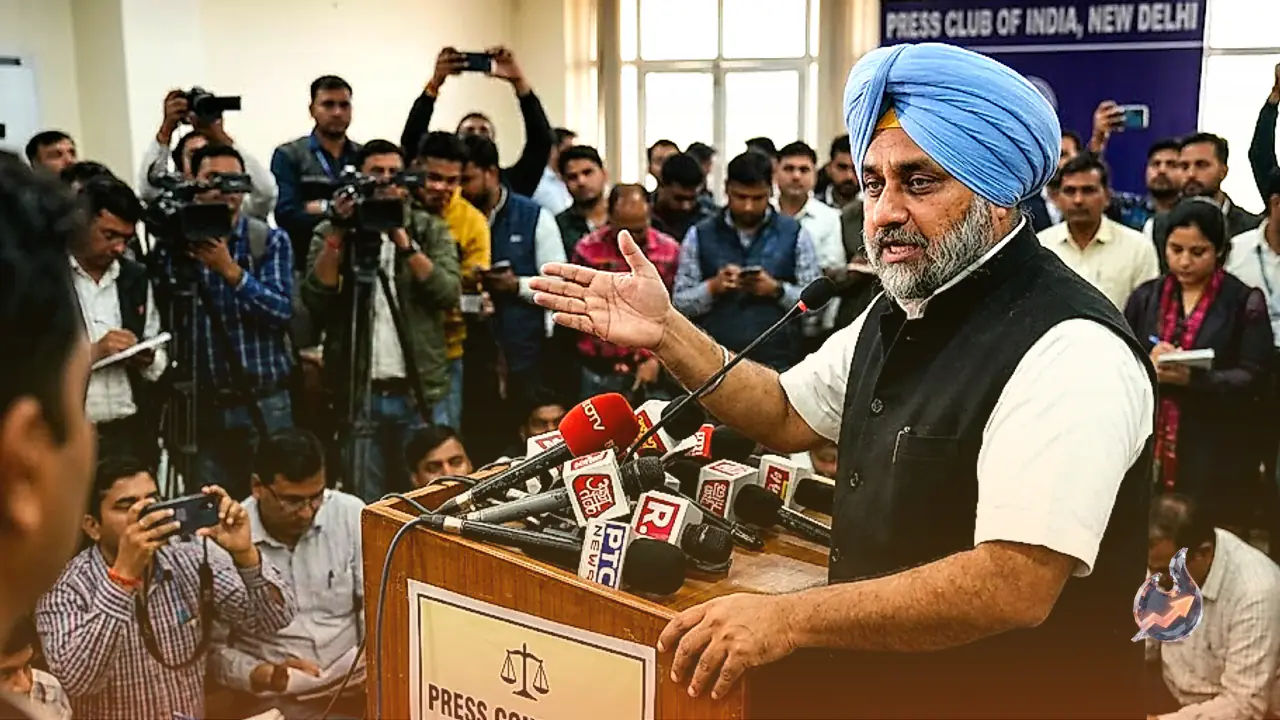

Punjab politics is currently abuzz with intense discussions surrounding the role of the Shiromani Akali Dal, commonly known as SAD. Despite holding only a single Lok Sabha member in Parliament at present, party president Sukhbir Singh Badal's sudden shift in stance on a major political issue has quickly become the center of attention across political corridors from Delhi to Punjab. On critical matters like delimitation and women's reservation, Badal was previously seen aligning with the opposition camp, but his recent support is now being viewed as a significant political signal for the NDA. What makes this development particularly noteworthy is that this change in posture emerged within roughly 24 hours of a meeting between Prime Minister Narendra Modi and Sukhbir Singh Badal. In my view, dismissing this merely as a situational change of mind on a single issue would be premature, as political observers are already reading this sequence of events as a potential thawing of ice between the BJP and SAD ahead of the Punjab assembly elections.
The Significance of Numbers and Regional Parties in Parliament
Sukhbir Singh Badal's new stance comes at a time when the numbers game in Parliament regarding delimitation and women's reservation has assumed immense importance. To secure the necessary two-thirds majority required for constitutional amendments, the ruling NDA administration may increasingly rely on regional allies and supporting parties. In such a scenario, while SAD holding a single Lok Sabha seat does not drastically alter the absolute numerical count, its explicit backing certainly delivers a strong political message. This move could potentially disrupt opposition unity. Furthermore, discussions regarding a revival of the old BJP-SAD alliance in Punjab have gained fresh momentum. Consequently, the matter extends far beyond a single vote, touching upon future electoral alignments.
Why the Pivot on Delimitation and Women's Reservation Matters
Understanding the weight of Sukhbir Singh Badal's support requires examining the core issues of delimitation and women's reservation. According to reports, SAD initially stood shoulder-to-shoulder with the opposition against these proposals, raising serious objections concerning the interests of Punjab. Now, however, the party's position has undergone a transformation. This change is crucial for the NDA because the government requires broad-based backing for legislative measures involving constitutional modifications. Although SAD's single Lok Sabha seat is modest in terms of raw numbers, the open endorsement from a regional party can prove politically useful for the administration.
Intense Speculation Following the Prime Minister Meeting
This explains why Sukhbir Badal's U-turn is not being viewed narrowly through the lens of a single parliamentary debate. Speculation regarding a renewed political understanding between the two parties intensified immediately after his meeting with Prime Minister Narendra Modi. Both entities shared a political partnership spanning over two decades before parting ways in 2020 in the wake of the controversial farm laws. Subsequent years saw both parties lose considerable ground in the political landscape of Punjab. With current circumstances remaining challenging for both sides, mutual political necessity may be drawing them back toward each other.
A Mutual Necessity to Counter the Ruling State Party
The strong presence of AAP in Punjab poses a major challenge for both the BJP and SAD. Under such conditions, if both parties contest elections independently, the resulting division of votes could inflict severe political damage. This is why confining alliance discussions solely to Delhi-based national politics would be misleading. Both factions command distinct social and geographical bases within Punjab. SAD has traditionally wielded influence among rural and Sikh electorates, whereas the BJP's support base remains solid among urban Hindu voters. A reconciliation could essentially attempt to stitch back together this vital social coalition.
A Transformed Dynamic Unlike the Historical Alliance
Should both parties officially reunite, the arrangement will not be an exact replica of the historical alliance that persisted from 1997 to 2020. During that era, SAD served as the dominant senior partner in Punjab, with the BJP contesting a comparatively smaller share of seats. However, the ground reality and vote shares of both parties have shifted over recent years. SAD has experienced internal fractures, while the BJP has actively worked to expand its footprint across Punjab. Consequently, any prospective new partnership will likely involve seat-sharing and leadership negotiations based on an entirely new formula.
Why a Single-MP Party Remains Relevant for the Ruling Coalition
From the perspective of pure parliamentary arithmetic, the backing of SAD's lone lawmaker does not generate a massive numerical swing. Yet, politics is never merely a game of numbers. Sukhbir Singh Badal's revised posture sends a clear signal to the opposition bloc that regional parties can adapt their strategies in alignment with their self-interest and electoral imperatives. For the NDA, this support is vital because every extra endorsement strengthens its political leverage on constitutional amendment issues. Additionally, this development helps lay the groundwork for a potential coalition framework within Punjab.
Prospects of Reunification Ahead of State Elections
At present, neither the BJP nor SAD has made an official announcement regarding a formal alliance, making it premature to declare a permanent reconciliation. Nevertheless, Sukhbir Badal's pivot on delimitation and women's reservation, his meeting with Prime Minister Narendra Modi, and the rising chatter surrounding upcoming Punjab polls are visibly interconnected. If both parties ultimately decide to join forces, their primary objective will be to mount a formidable challenge against AAP. Simultaneously, both organizations will face the formidable task of bringing their traditional voters back onto a shared platform. Thus, even if a single-MP SAD appears to be a minor player in Parliament, its role on the political chessboard of Punjab remains highly consequential.