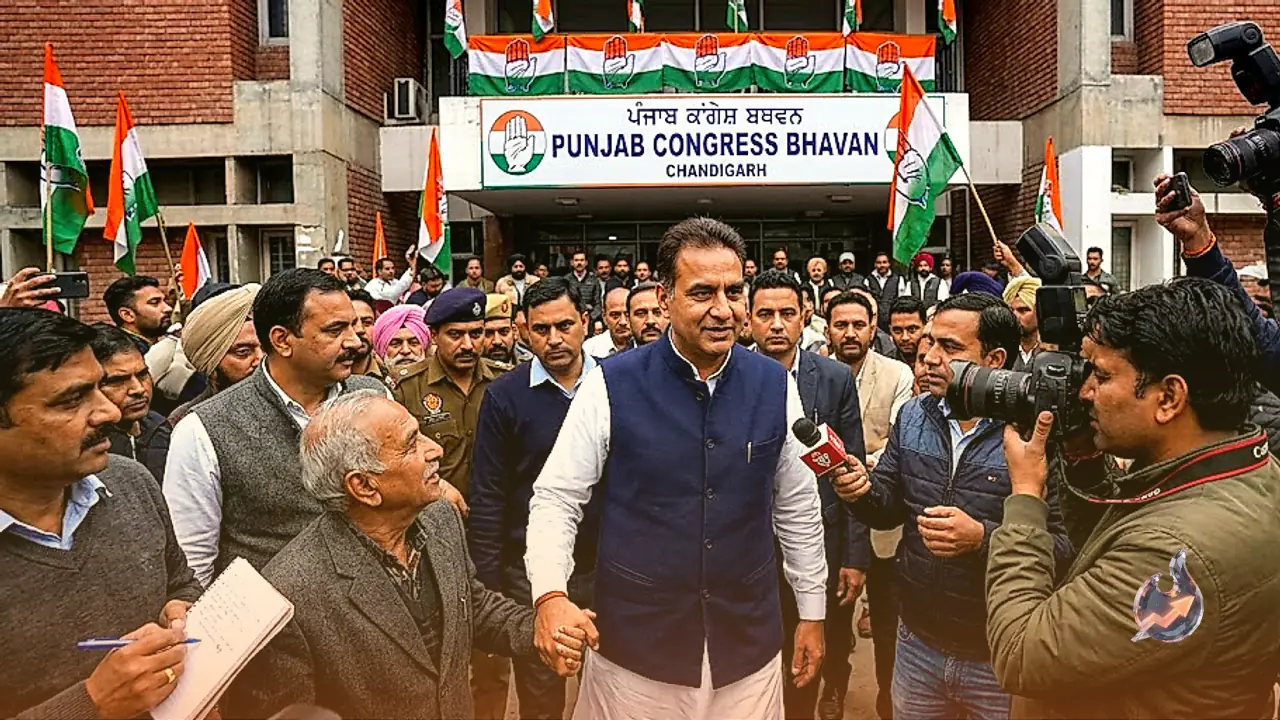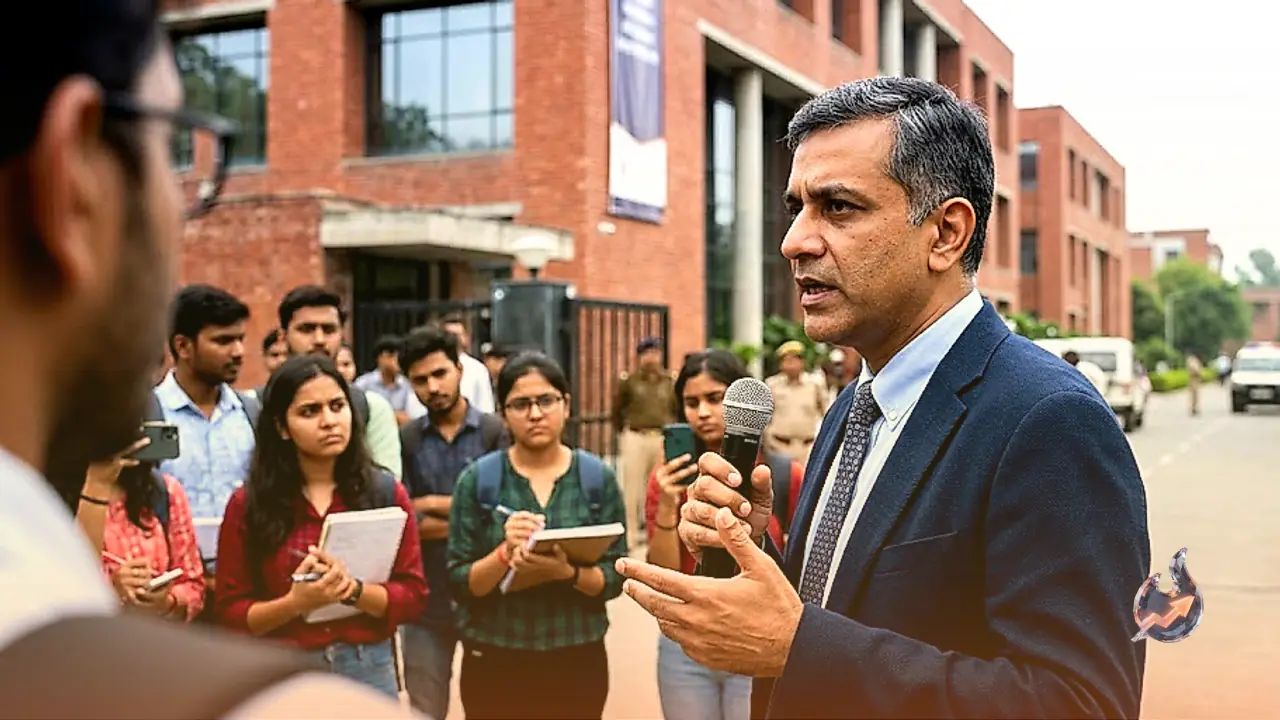





















Internal friction within the Punjab Congress has reached a defining juncture, signaling an impending structural shake-up in the state organization. To tackle persistent factionalism and bridge deep fissures among top regional stalwarts, the central leadership entrusted Sachin Pilot with the responsibility of assessing the ground reality. After holding extensive discussions with grassroots workers, district functionaries, and senior figures, Pilot submitted a comprehensive review to the party high command, triggering widespread speculation about an imminent overhaul of the state unit.
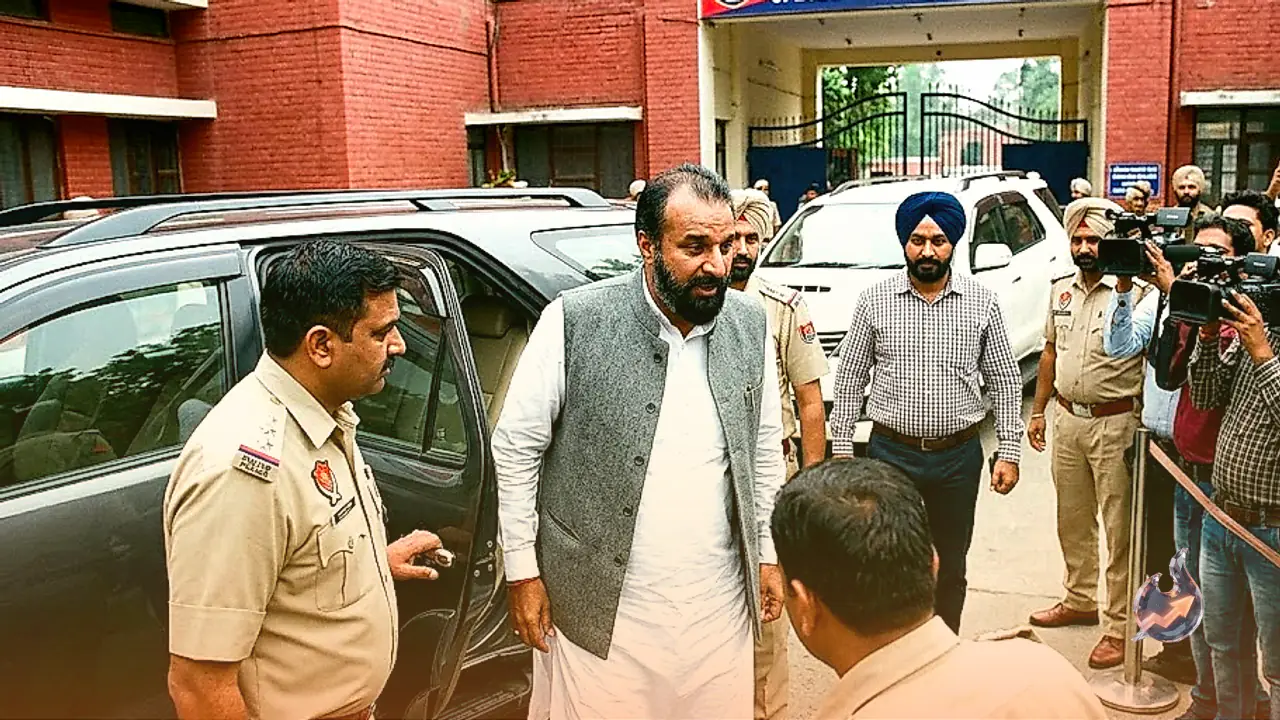
The power struggle between Punjab Pradesh Congress Committee chief Amrinder Singh Raja Warring and former chief minister Charanjit Singh Channi has strained party unity for months. While both belong to the same political fold, their conflicting trajectories often disrupted organizational discipline. Earlier efforts to broker peace, including bringing in former Chhattisgarh chief minister Bhupesh Baghel as in-charge, failed to stem the discord. Pilot's mandate was to diagnose the underlying causes of this divide and recommend actionable steps to restore cohesion.
Mounting Pressure Around Raja Warring and Organizational Strains
Warring’s tenure at the helm has faced intense scrutiny from multiple quarters within the state unit. While a dedicated camp stood firmly behind him, influential leaders aligned with Channi expressed mounting dissatisfaction over how organizational decisions were being steered. Member of Parliament Sukhjinder Singh Randhawa also voiced open criticism regarding the prevailing leadership style, further intensifying internal unrest.
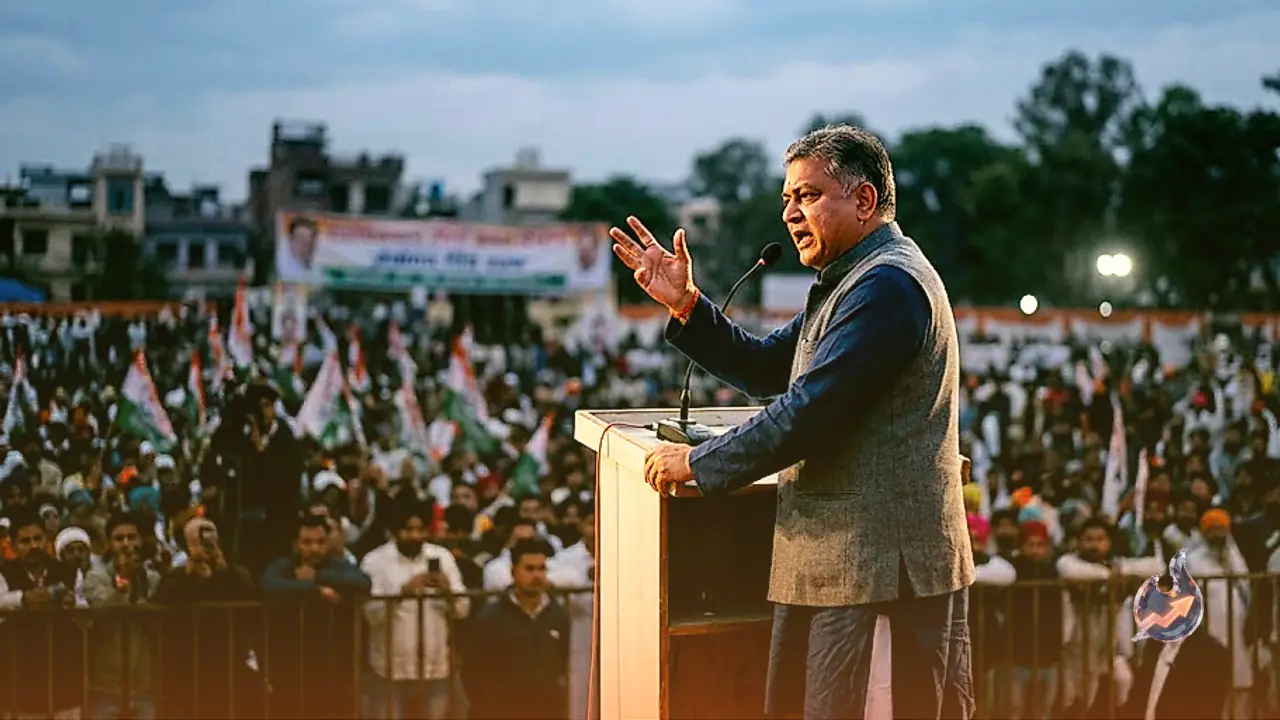
The rift between key figures manifested repeatedly during party demonstrations. While Channi shared the stage with Warring during a Chandigarh sit-in led by Pilot, raising hopes of a potential thaw, he visibly stayed away from a subsequent protest organized under Warring’s leadership. Such recurring absences underlined the reality that the two leaders were operating on parallel tracks, making it virtually impossible for the state machinery to function as a unified force without direct intervention from Delhi.
Balancing Regional and Caste Arithmetic for the Next Chief
With Pilot’s report pointing toward an inevitable leadership reset, discussions over a successor have gained rapid momentum. Several seasoned leaders have emerged as top contenders for the post. Former state minister Vijay Inder Singla is widely considered a leading possibility, alongside Jalandhar Cantt legislator Pargat Singh and leader of the opposition Partap Singh Bajwa. The high command must carefully balance both community representation and regional influence.
Should the leadership decide to retain a prominent Jat Sikh figure to consolidate traditional rural backing, leaders like Partap Bajwa or Pargat Singh could become the focal choice. Conversely, opting for a Hindu face like Vijay Inder Singla would aim to broaden the party's urban appeal and reinforce social inclusivity. Crafting a formula that satisfies divergent regional factions remains the central hurdle before central decision-makers.
Evolution from Rajasthan Battles to National Trouble-Shooting
Pilot’s proactive role in managing Punjab’s volatile internal dynamics presents a striking contrast to his previous political battles in Rajasthan. For several years, his uneasy relationship with Ashok Gehlot dominated headlines. During the 2020 rebellion involving Pilot and his loyalist legislators, Gehlot maintained a tight grip over the state government, followed by further turbulence in 2022 surrounding leadership succession.
Today, Pilot has transitioned into the role of a problem-solver tasked with resolving complex organizational standoffs outside his home territory. In Punjab, he took care to engage not just with entrenched veterans but also with district-level office-bearers and youth wing members to gain an unvarnished view of operational bottlenecks. Navigating these regional divides and compiling a decisive blueprint has significantly reinforced his stature within the party's national machinery.
Eyes on the 2027 Electoral Challenge
The urgency behind this restructuring stems from the approaching 2027 assembly elections in Punjab. With rival political formations already intensifying their grassroots mobilization, the Congress cannot afford to expend valuable energy on endless factional feuds. The primary prerequisite for any incoming president will be the ability to carry all stalwarts, including Channi and outgoing functionaries, along on a common platform.
Pilot’s ground evaluation serves as the springboard for rebuilding the party's operational apparatus. Resolving leadership ambiguity promptly will be vital if the organization hopes to mount a formidable challenge in 2027. Deliberations at the central party headquarters over the coming days are expected to finalize who takes charge of steering the Punjab unit through this critical transitional phase.