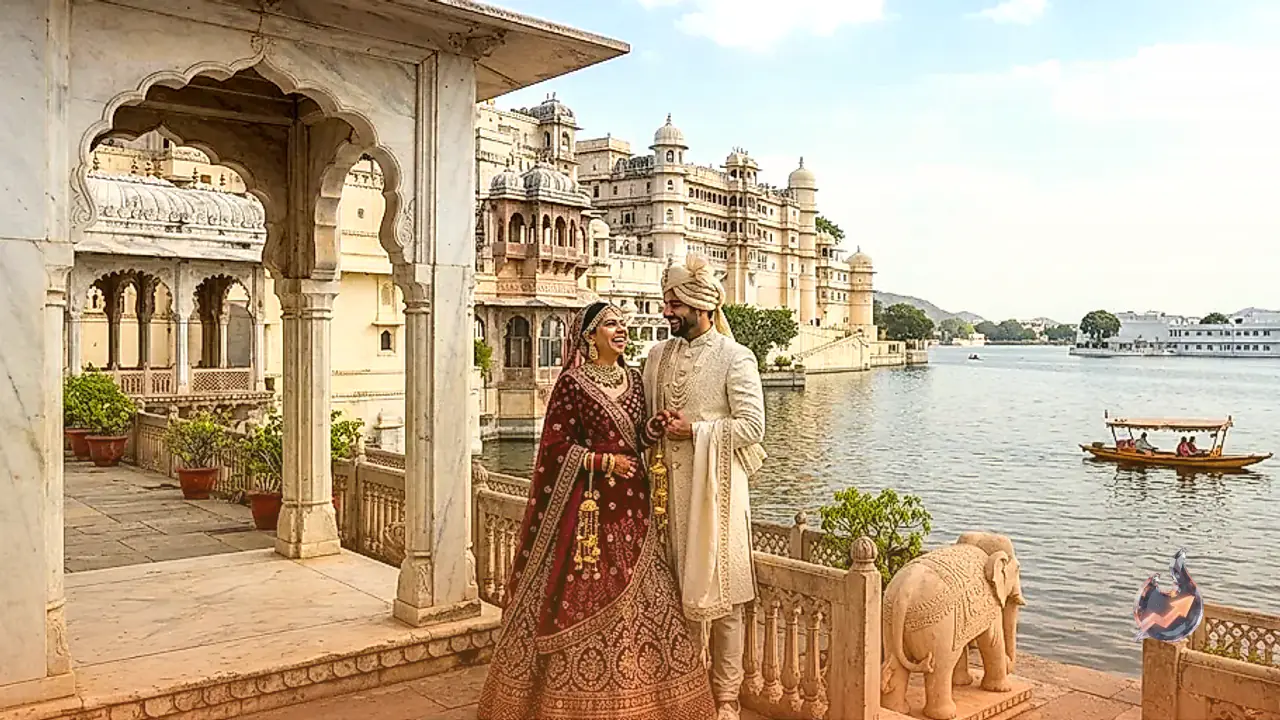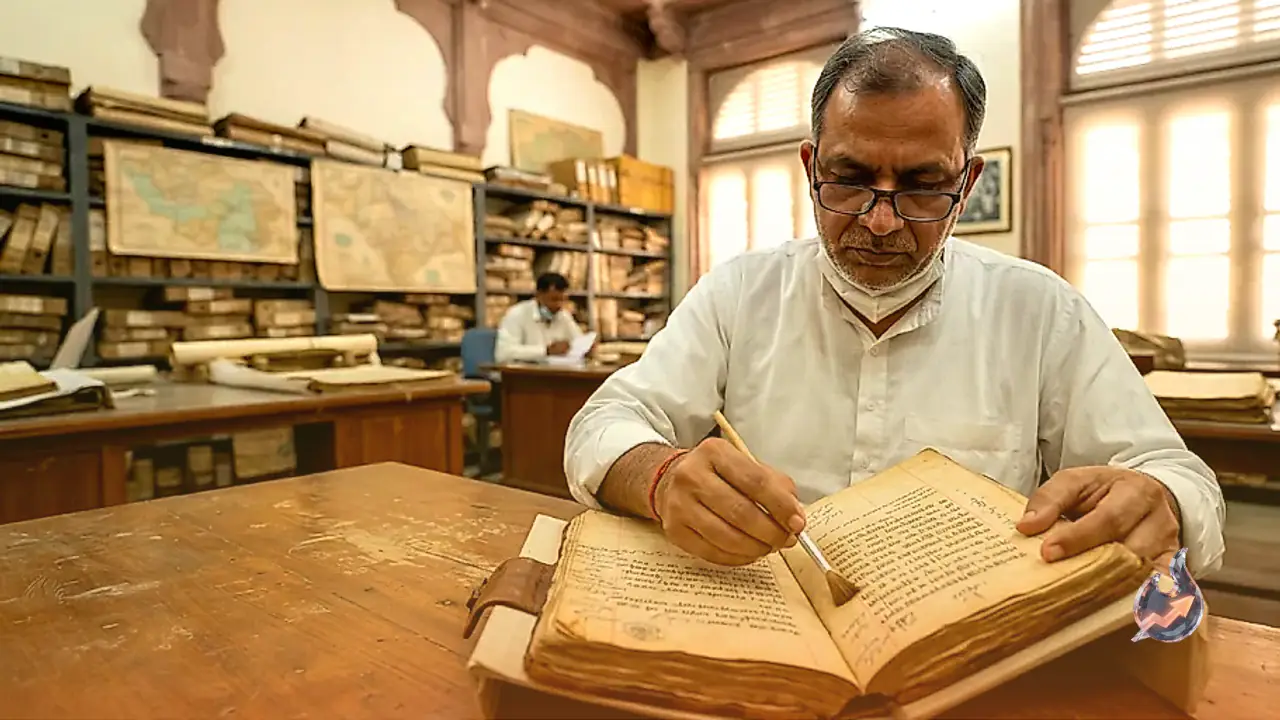

A fascinating piece of history from approximately 150 years ago has come to light in Kota, Rajasthan, shedding light on the administrative arrangements and festival traditions of the princely era. During that period, Diwali was celebrated not merely as a private domestic affair but with immense enthusiasm across government departments. Concrete proof of this tradition is preserved in old documents kept at the Rajasthan State Accountant Office. These historical archives record every minute expense incurred during Diwali, ranging from illumination arrangements to the procurement of necessary supplies.
Government-funded illumination for the festival
Historical records indicate that the princely state of Kota officially issued government budgets to facilitate the organization of festivals. Financial allocations were distributed to various departments to ensure proper celebrations. Archival documents reveal that a cheque of two rupees was specifically approved just for lighting up the city kotwali on Diwali night. This highlights the administrative diligence applied to festival preparations and the meticulous record-keeping maintained for public expenditures.
Transparent expense management and audits
The allocation of funds for festival expenses followed a strict and organized procedure. According to Kushal Raj Singh Hada, Senior Accounts Officer at the Rajasthan State Accountant Office, departments were allocated budgets in advance for Diwali. The respective departments would submit expenditure proposals based on their requirements, after which the funds were disbursed via cheques. Once the money was spent, the departments were required to submit bills and receipts. Consequently, every financial transaction underwent proper auditing and accounting to maintain transparency.
Official pen and inkpot worship on Bhai Dooj
The day following Diwali involved Annakut celebrations, which were succeeded by the tradition of worshipping the pen and inkpot on Bhai Dooj, corresponding to Kartik Shukla Dwitiya. Given the paramount importance of documentation and writing in administrative tasks back then, this ritual held official significance. According to the records, thirty departments of the state were allocated a budget of twenty rupees and fourteen annas for pen and inkpot worship. Additionally, specific financial provisions under this tradition were made for various administrative offices, administrative districts, and the Prime Minister Office.
Personal involvement of the ruler
During the princely era, the Maharao of Kota took a personal interest in festival organization. On the occasion of Diwali, sweets and gifts were distributed among employees. Detailed descriptions of these events and expenditures were systematically archived in official government files, preserving a unique window into history.
Evolution of administrative systems over time
Following India independence, the administrative framework of the princely states underwent significant transformations, and old traditions gradually faded away. Nevertheless, the documents securely preserved in the Rajasthan State Accountant Office continue to bear witness to the administrative style and unique festive customs of the bygone era.