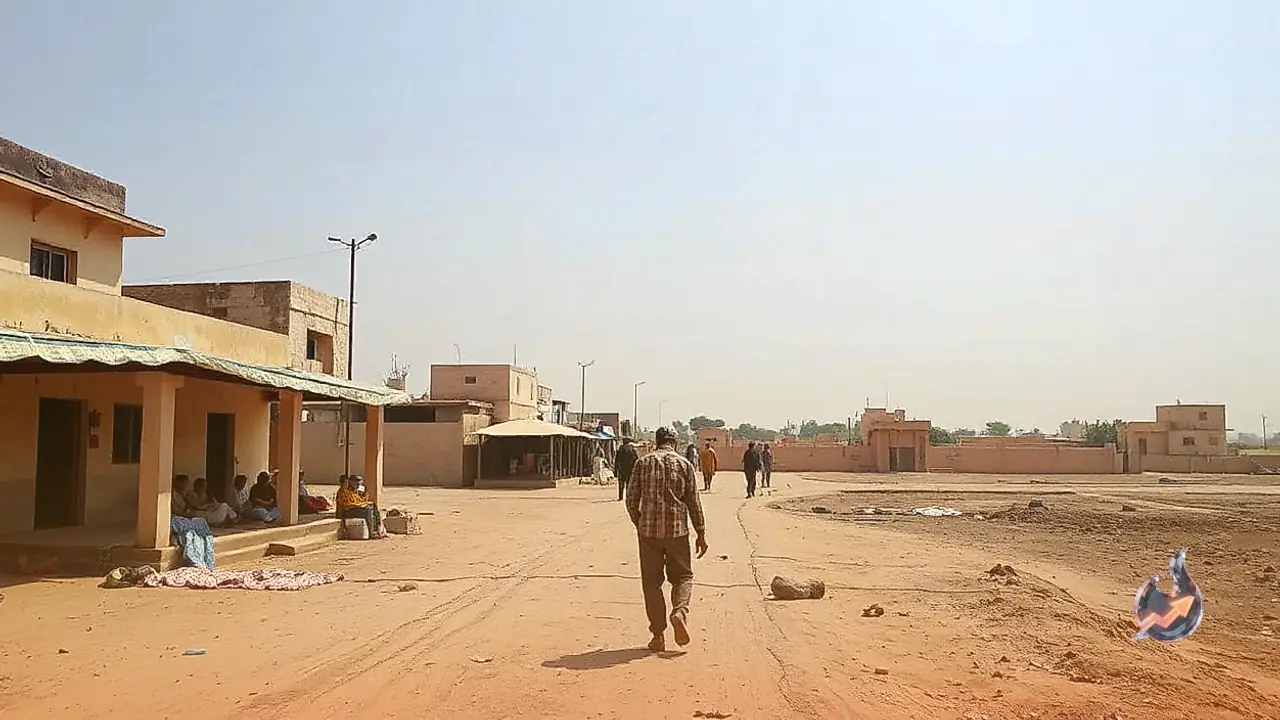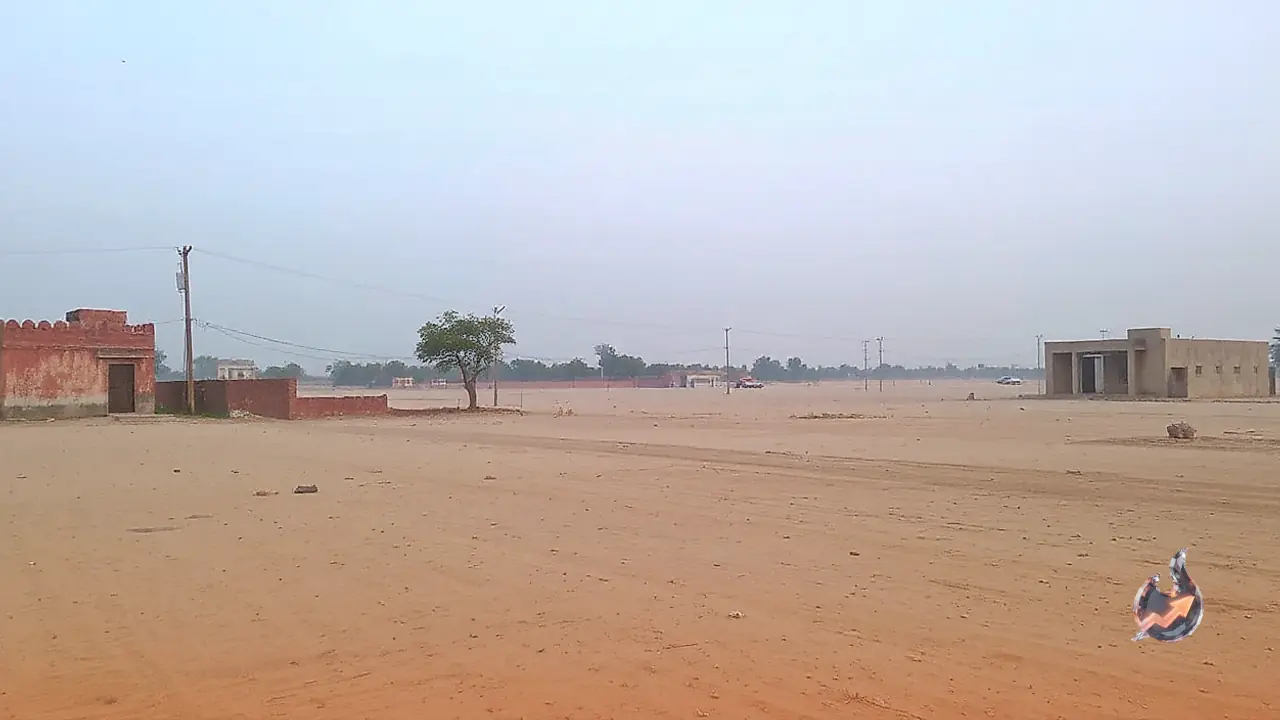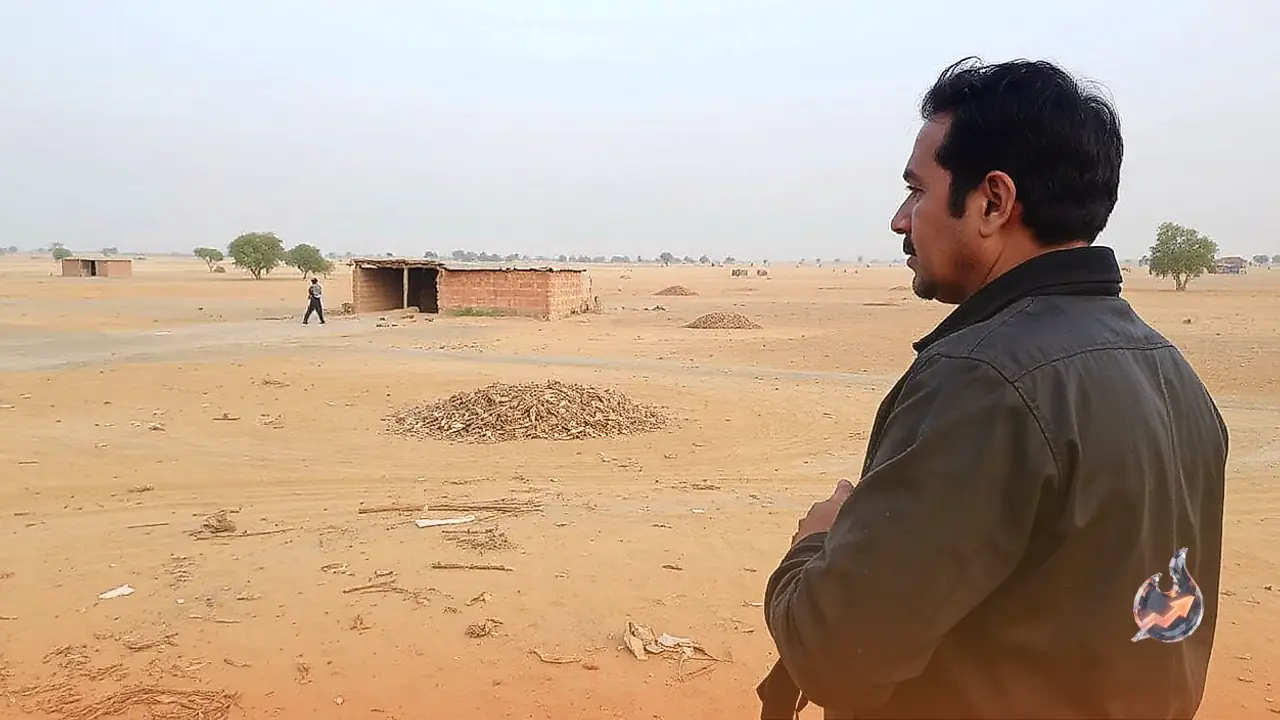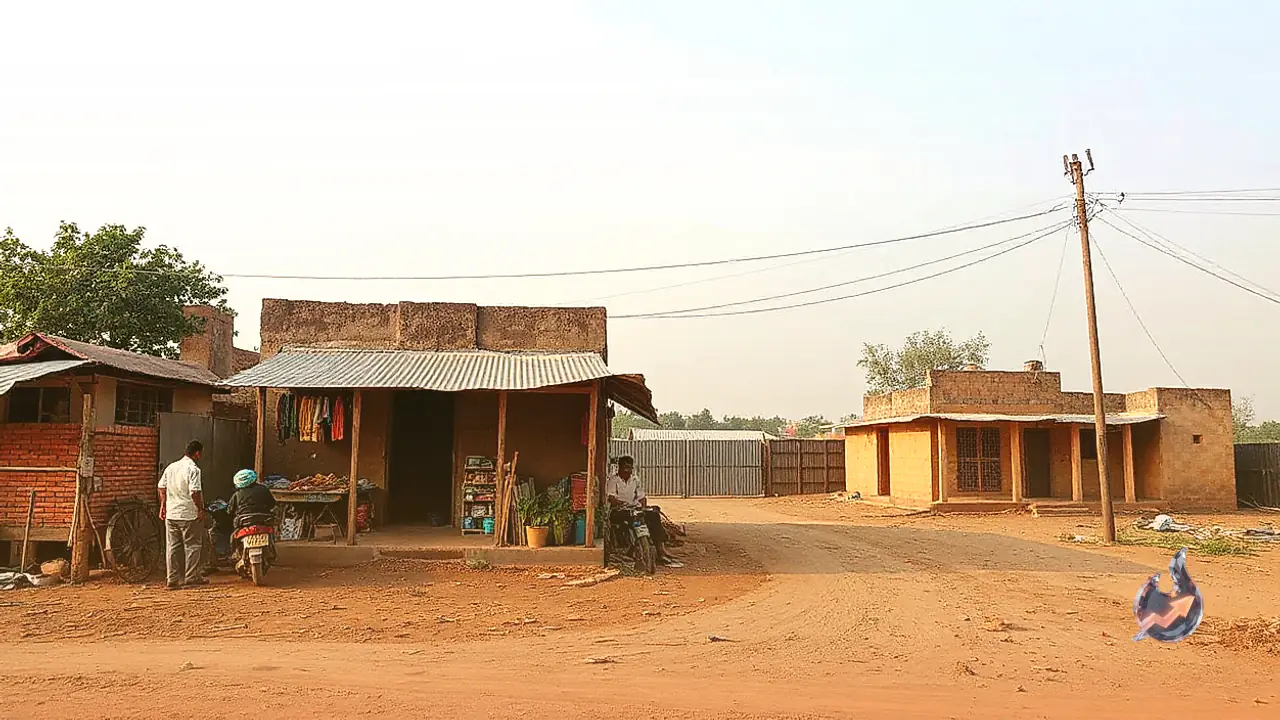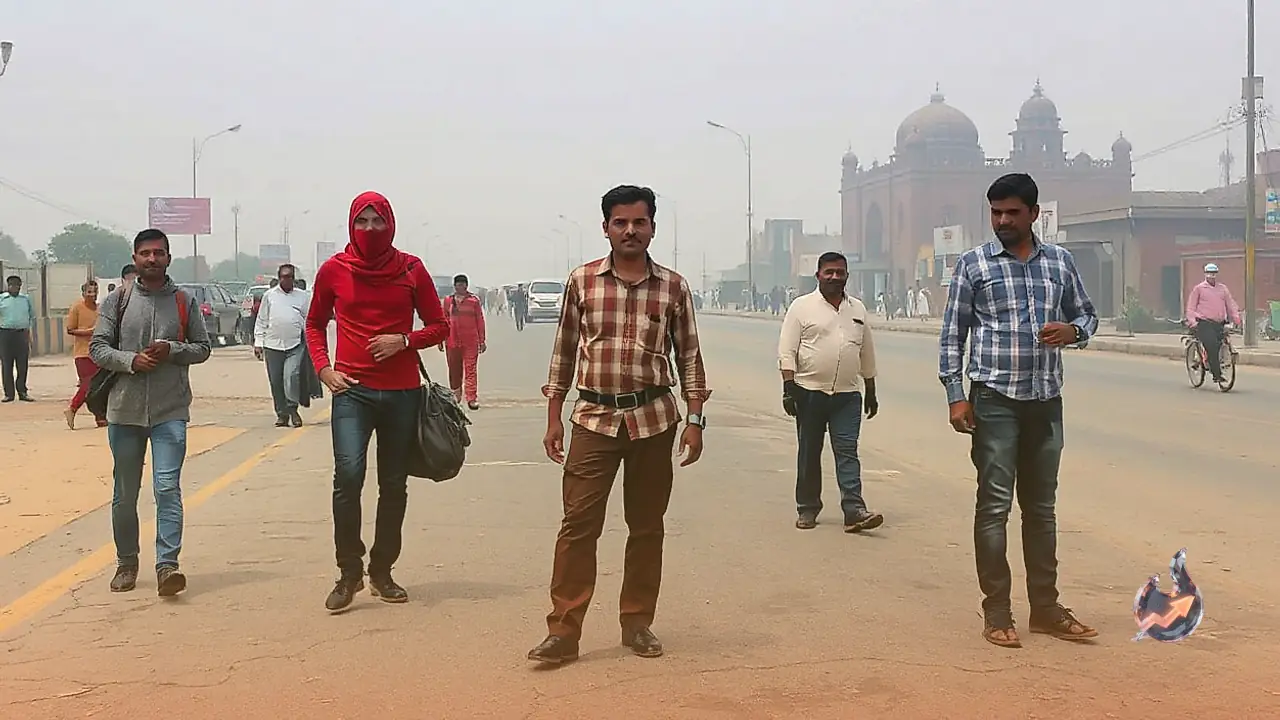

The air quality in Sriganganagar has once again entered a worrying phase, raising fresh concerns for residents and local authorities alike. In the border district of Rajasthan, the Air Quality Index recorded on Sunday touched the 220 mark. The slight relief and partial dip in pollution levels witnessed over the past few days have completely vanished, bringing the air quality back into the hazardous zone. According to environmental standards, an AQI reading above 200 is considered extremely harmful to human health, exposing citizens to severe airborne pollutants.
Temporary Relief Fades Away
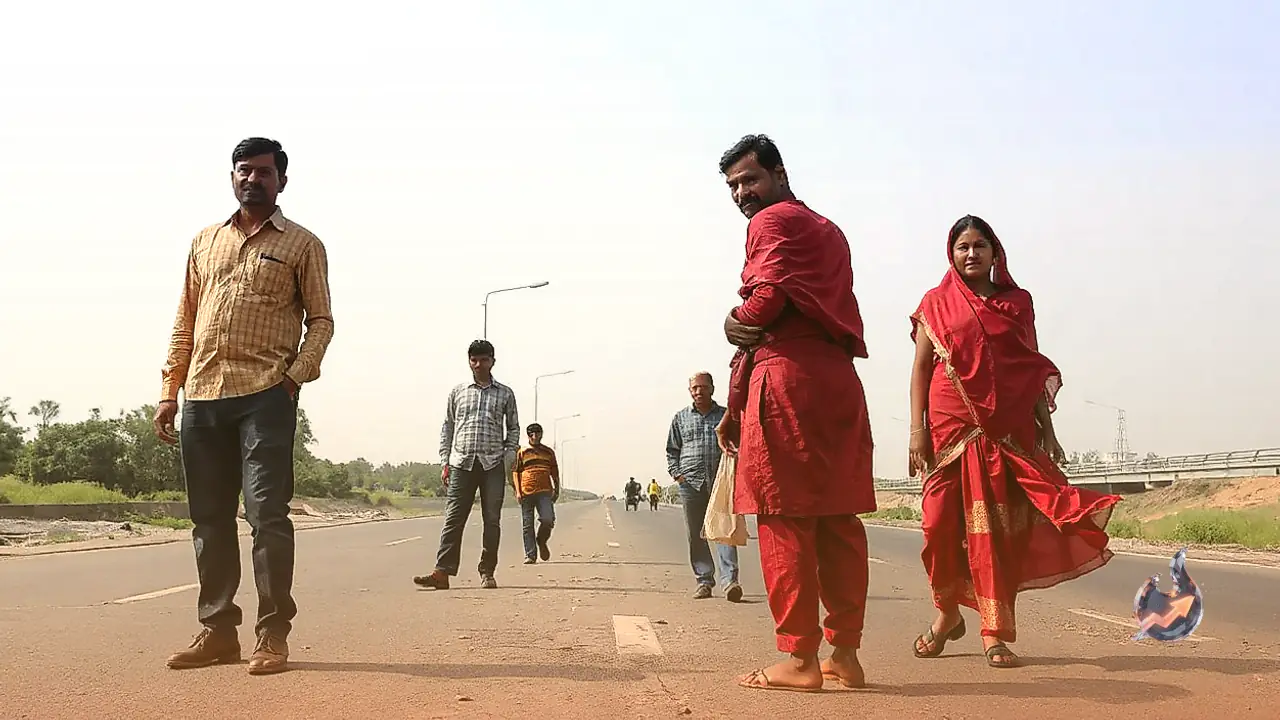
In the preceding days, minor shifts in weather patterns and wind speeds had brought a slight reduction in pollution, offering brief comfort to the local population. However, the surge in the AQI to 220 on Sunday clearly indicates that local dust, vehicular emissions, and changing climatic conditions continue to degrade the atmosphere. The impact of dust and smoke is particularly visible around busy intersections, crowded marketplaces, and active construction sites. During early mornings and late evenings, a thin haze lingers over the cityscape, impairing visibility and adversely affecting public well-being.
Health Department Issues Advisory
In response to the mounting pollution levels, the health department has issued an alert urging citizens to remain cautious. Medical professionals note that an AQI level of 220 can prove particularly dangerous for vulnerable demographics, potentially triggering severe respiratory ailments. Senior citizens, young children, heart patients, and individuals suffering from asthma have been advised to exercise extreme caution. Experts recommend that such individuals avoid unnecessary outdoor exposure during early morning and late evening hours, wear masks while stepping outside, and immediately consult a physician if they experience any breathing difficulties or chest tightness.
Urgent Need for Control Measures
The rising AQI has reignited serious concerns regarding environmental balance and air management in the region. Experts suggest that if stricter measures such as dust suppression, bans on garbage burning, and better traffic regulation are not enforced promptly, the situation could deteriorate further in the coming days. Curbing this crisis requires a combination of administrative oversight and active public participation. Citizens are being urged to refrain from burning waste in the open and to minimize the unnecessary use of private vehicles to help mitigate the escalating pollution crisis.