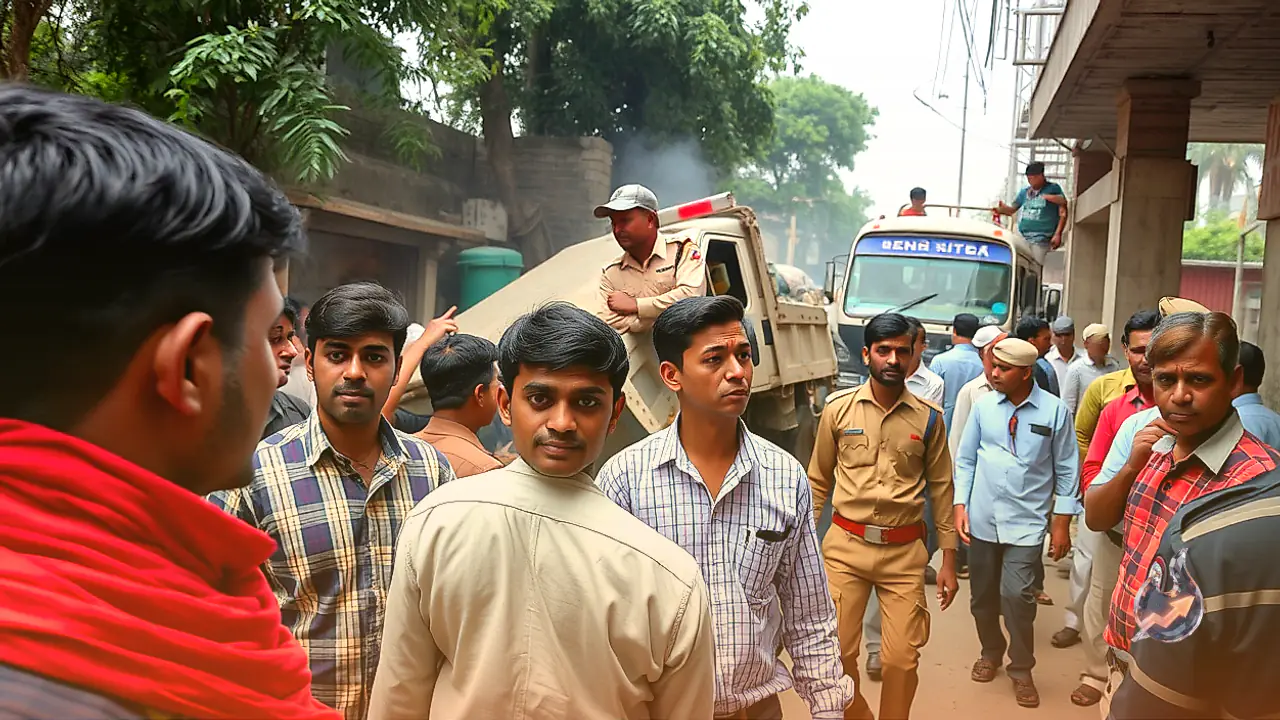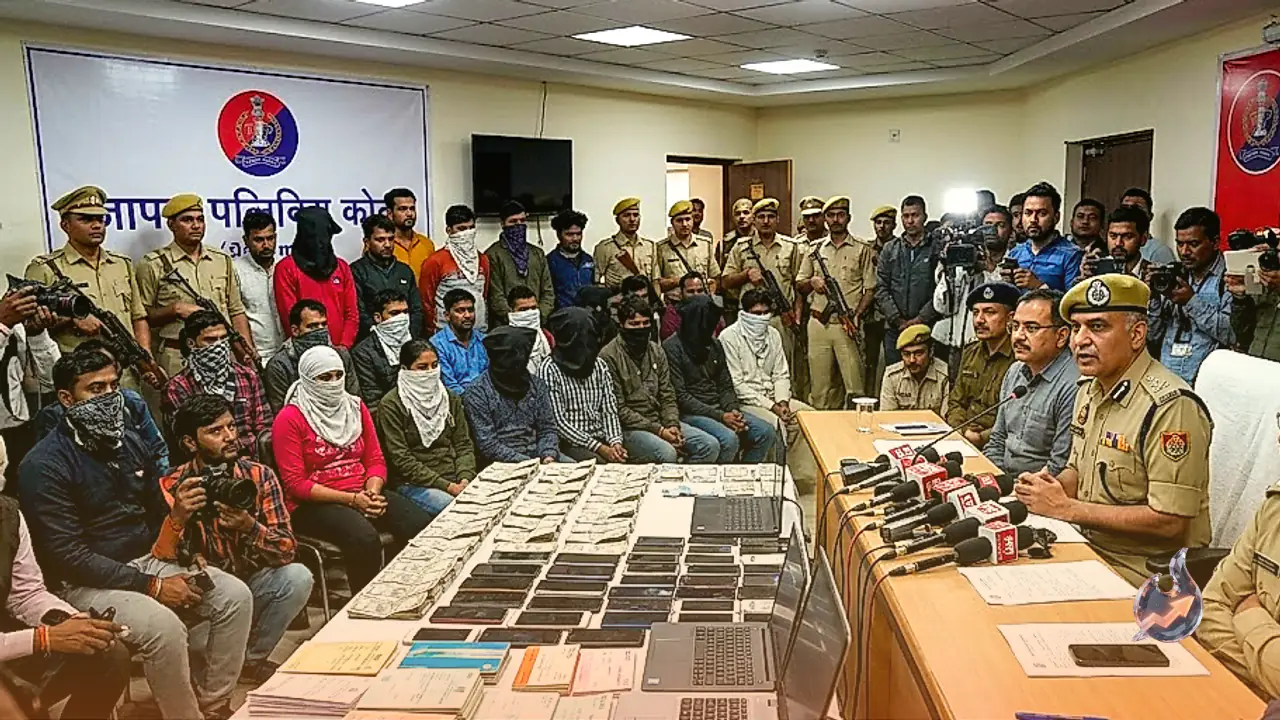
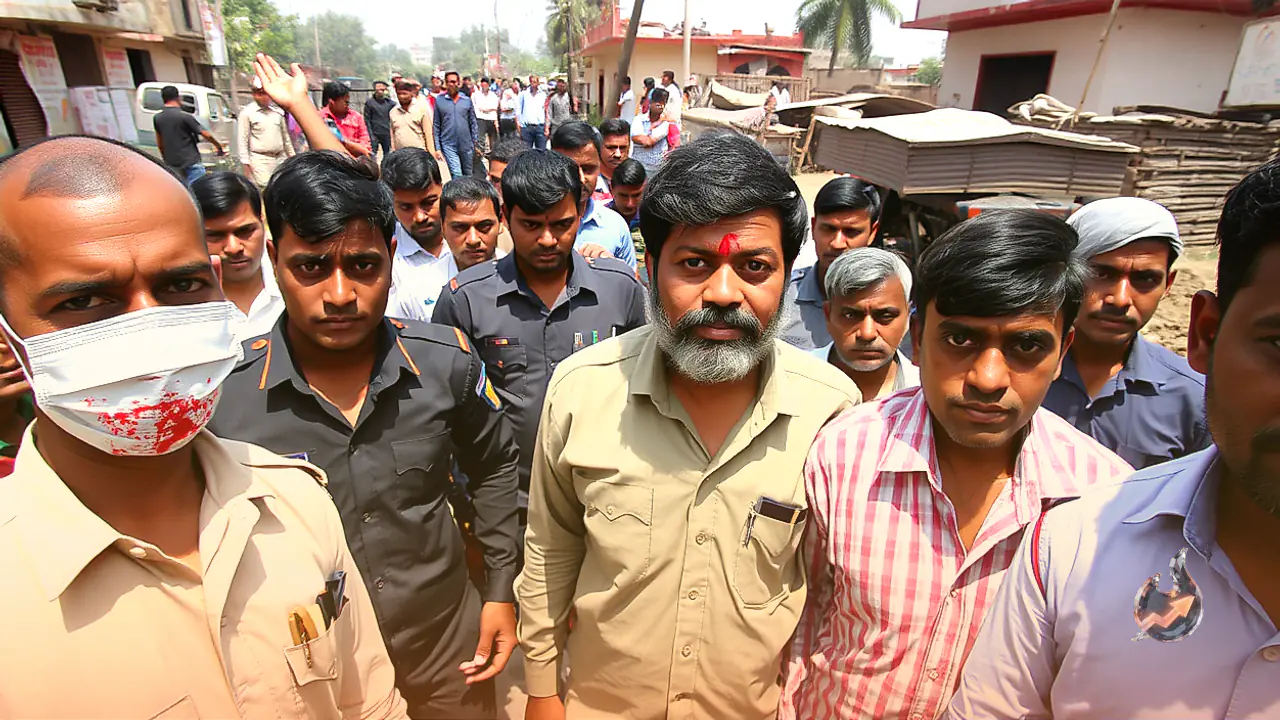



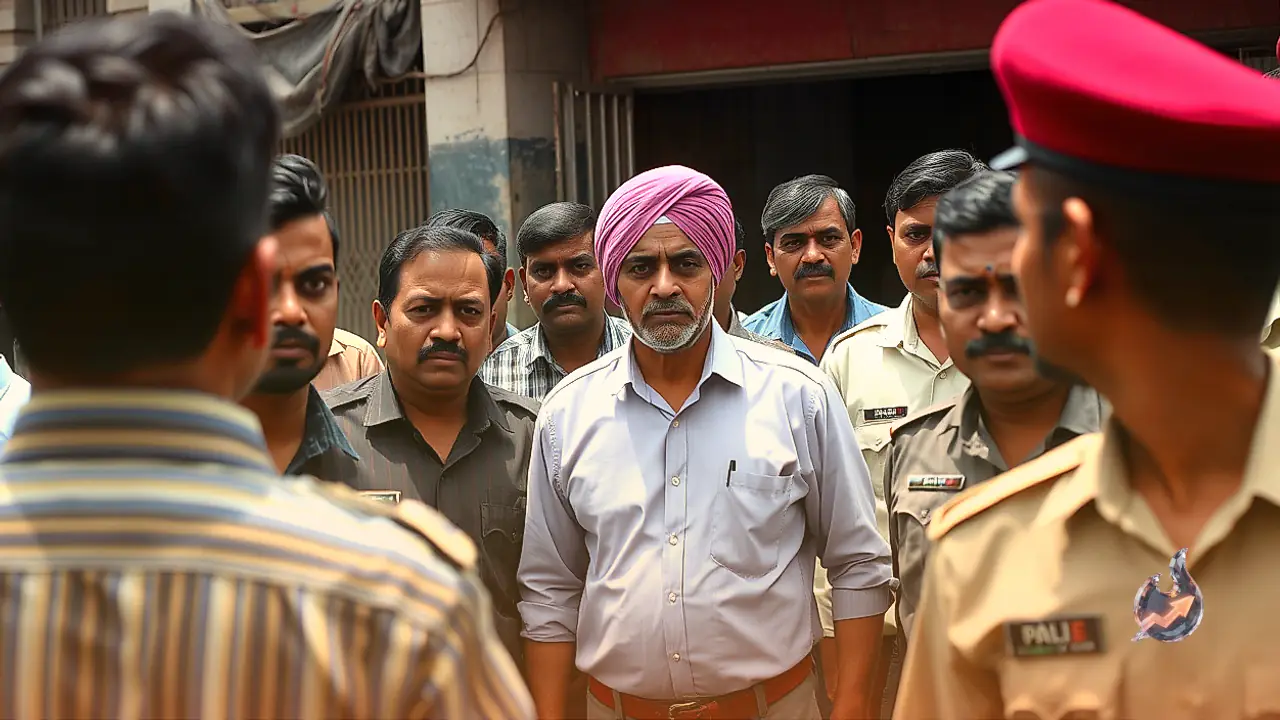















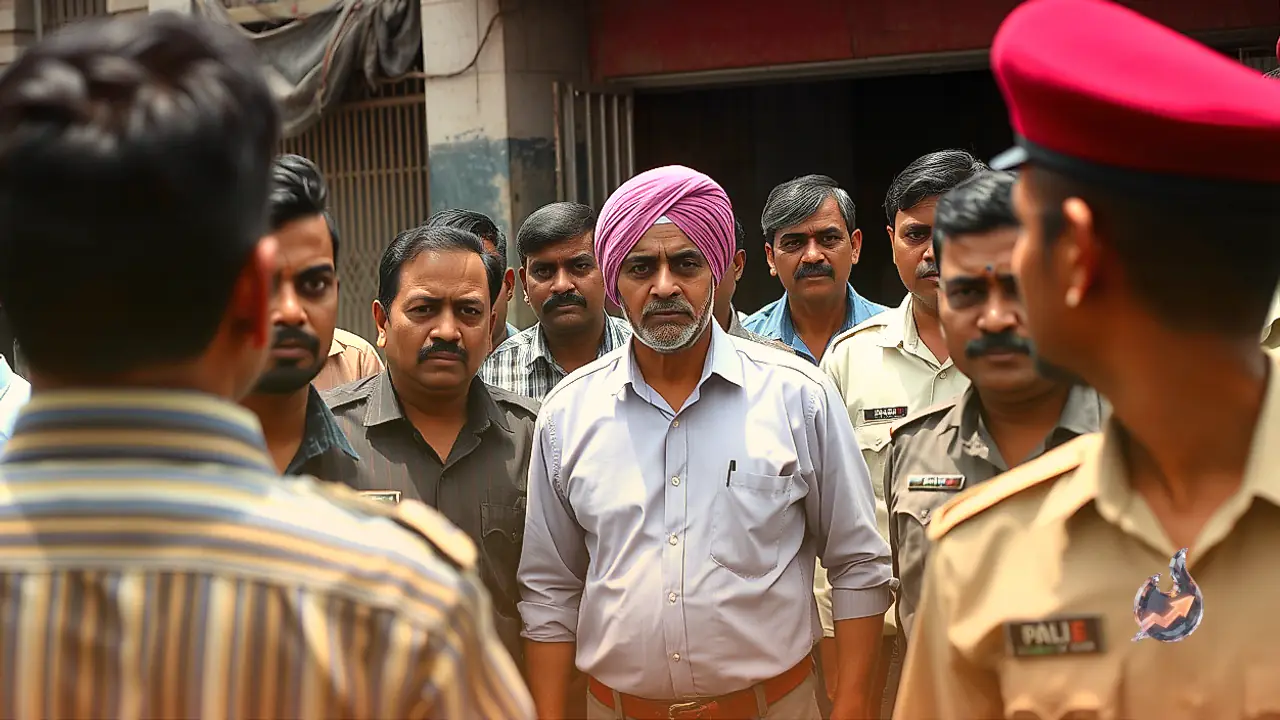

Police authorities in Rajasthan have intensified administrative action following the brutal murder of former MLA Atar Singh Bhadana in Bharatpur district. Severe departmental measures have been triggered by a major intelligence failure preceding the violence. Constable Pawan Kumar, stationed at the Weir police station, has been suspended from service. Investigators noted that local intelligence gatherers failed completely while a mob was being assembled and weapons were being gathered in a nearby village, preventing timely intervention that could have thwarted the fatal attack.
Intelligence Failure and Action Against Constable
The suspension of Constable Pawan Kumar highlights significant operational lapses within the local police force. Tasked specifically with gathering local intelligence and monitoring suspicious movements, the constable failed to report critical developments to senior officers. According to police officials, the gathering of individuals, the collection of weapons, and their movement toward the mine went entirely unreported. Timely alerts could have allowed police units to reach the scene and protect the former legislator.
This disciplinary action follows previous administrative measures taken against senior personnel. The Station House Officer (SHO) of the Weir police station was suspended earlier, while two Rajasthan Police Service (RPS) officers were line-attached due to procedural laxity. The suspension of the constable confirms that departmental inquiries are examining internal information networks alongside the criminal investigation against the perpetrators.
Sequence of Events from Bhonda Village to the Mine
Investigative findings show that Bhonda village, located near the Weir police station, served as the primary gathering point for the attackers. Main accused Mukesh Fauji allegedly incited local villagers and coordinated the collection of arms on October 11. A mob organized inside the village and marched approximately two kilometers to reach Atar Singh Bhadana's mining facility.
Upon arriving at the site, the attackers surrounded Bhadana and beat him to death with sticks and weapons. A major element of the ongoing probe focuses on how such large scale mobilization and arms collection occurred so close to the Weir police station without triggering immediate police action or intelligence alerts.
Two-Year Dispute Over Mine Access and Legal Battle
The origins of the fatal confrontation trace back to a two-year dispute concerning the mining site and its access road. Mukesh Fauji, a retired Army Subedar, had been organizing local residents against Bhadana for nearly two years. The dispute involved repeated protests, demonstrations, and physical obstructions, including trenches dug across the road to block access to the mine.
Although Mukesh Fauji lost the legal battle over the access road in court, local tensions persisted over the potential resumption of mining operations. When Atar Singh Bhadana arrived at Bhonda village on October 11 to restart operations at the site, fresh agitation was incited among the villagers, leading directly to the deadly assault at the mine.
Political Ambitions and Scope of Departmental Probe
Investigations have also brought to light the political ambitions of chief accused Mukesh Fauji. The retired Subedar was preparing to contest the upcoming Zila Parishad elections and had already printed promotional posters. He was actively seeking a candidate ticket from the Congress party for the local election.
Law enforcement officials emphasized that while his political aspirations are part of his background, the immediate trigger for the crime remains the long standing mine dispute and the attempt to reopen the facility. Police have achieved a significant breakthrough by arresting Mukesh Fauji. Interrogation is underway to uncover all aspects of the conspiracy. Simultaneously, internal investigations are evaluating departmental lapses to identify where information channels broke down prior to the murder.