


















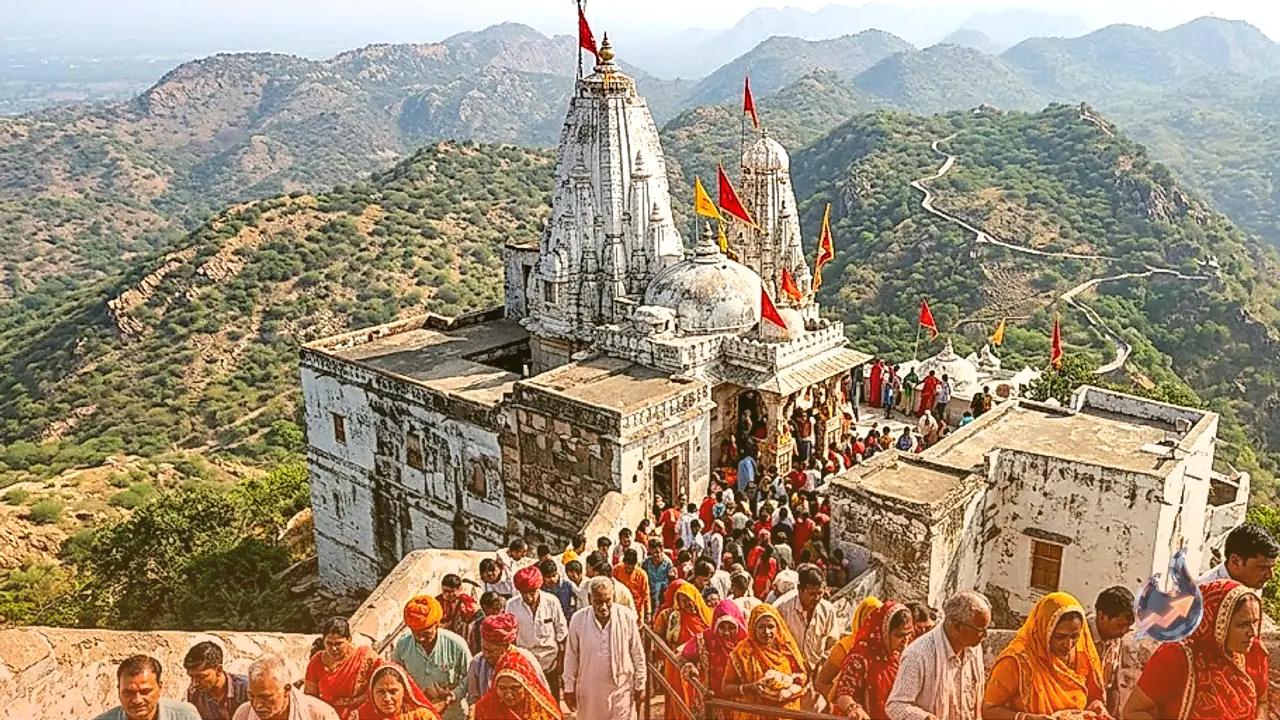

The historical landscape of Mewar is dotted with numerous ancient shrines that reflect deep-rooted devotion, historical heritage, and tales of valor. Among these stands the ancient Seem Mata Temple, located along the border of Deogarh and Amet in the Rajsamand district. Dating back approximately 800 years, reaching this sacred sanctuary requires devotees to cross a challenging terrain spanning seven hills. Situated roughly 1000 feet above ground level, the temple has served as a prominent focal point of spiritual faith for generations, witnessing a heavy influx of pilgrims particularly during the Navratri festival.
Geographical Significance and the Origin of the Name
Tucked away amidst the rugged ranges of the Aravali hills, the temple derives its distinctive name from its unique location. According to local traditions, the deity is believed to be seated right at the boundaries connecting five distinct villages, which is why she came to be known as Seem Mata. Navigating the steep and difficult pathways to reach the shrine demands physical endurance, yet the unwavering devotion of the followers continually drives them forward. Local lore also speaks of a rare phenomenon where the entire hill appears to transform into a golden hue once a year, creating a breathtaking visual spectacle that attracts curious onlookers and enthusiastic devotees alike.
Ties to Mewar History and the Mughal Era
The significance of the Seem Mata Temple extends far beyond regular worship, weaving deeply into the historical narrative of Mewar and its martial traditions. Oral histories and local beliefs suggest that during the turbulent Mughal era, when various principalities faced constant threats and invasions, local chieftains sought divine protection from their presiding deity. Legend has it that the goddess aided Thakur Pratap Singh Chundawat of Kameri village and his family during times of war, even blessing him with direct divine visions. Testament to this historical connection, a sword presented by the deity during those wartime conflicts remains preserved within the temple, drawing deep reverence from visitors.
Generational Service and Navratri Celebrations
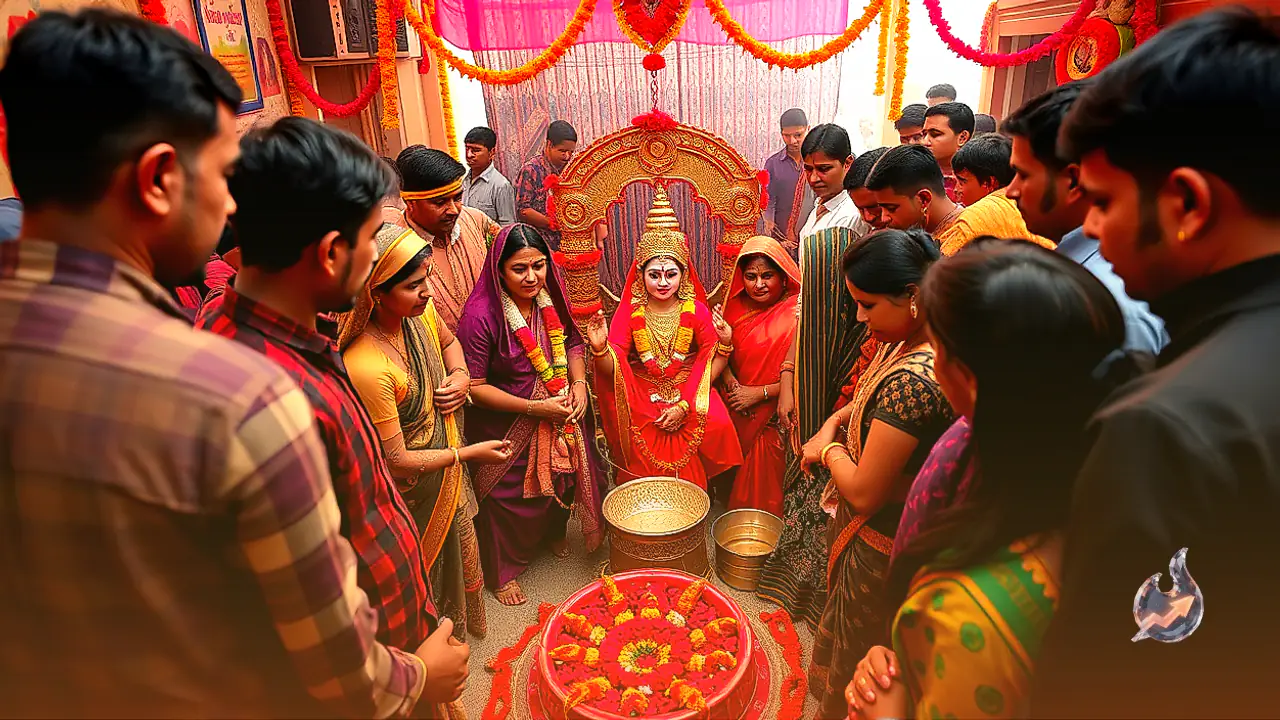
Another striking tradition associated with the shrine is the unbroken lineage of its caretakers. For ten successive generations, members of the same Gujjar family have dedicated themselves to the worship and upkeep of the temple. Temple priest Bhagwan Lal Gujjar has shared insights into these long-standing traditions, highlighting how this generational commitment underscores the profound local devotion attached to the site. Throughout the nine days of both Chaitra and Sharad Navratri, the temple experiences continuous footfall as devotees offer prayers at the feet of the deity, seeking blessings of prosperity and well-being. Blending spiritual Shakti worship with rich historical legacy, the temple remains a cherished cultural cornerstone in the region.