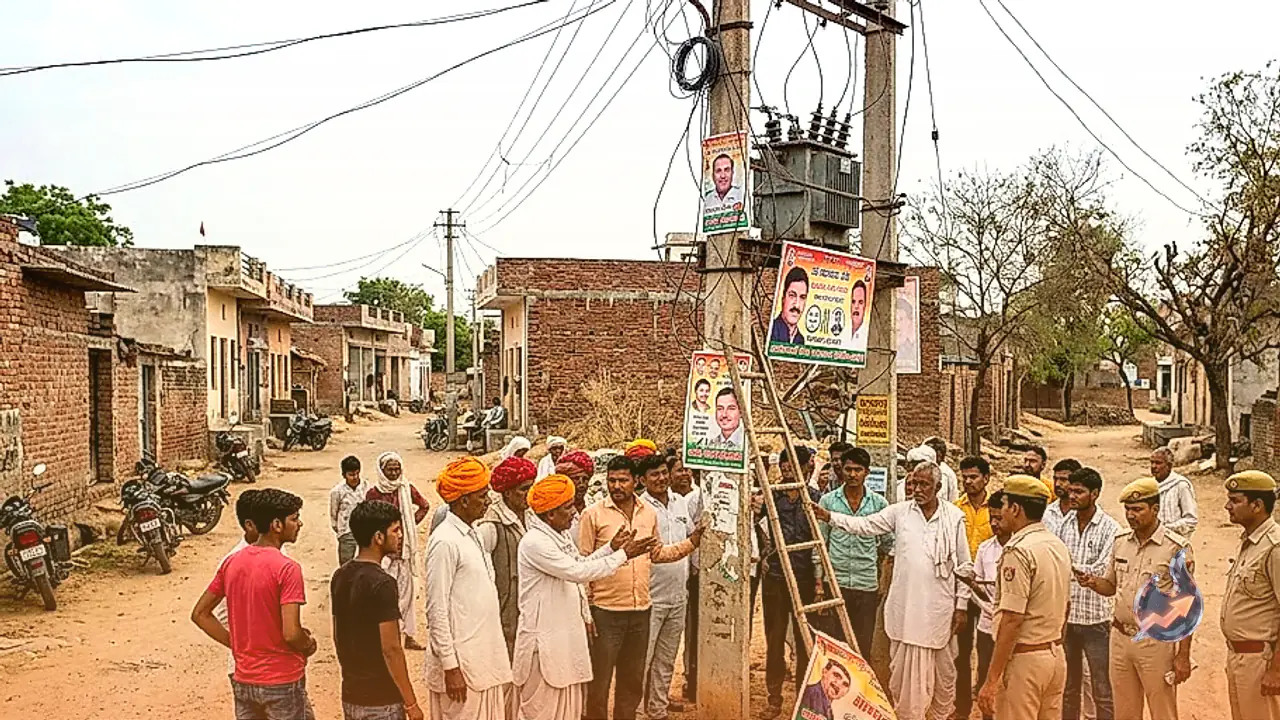

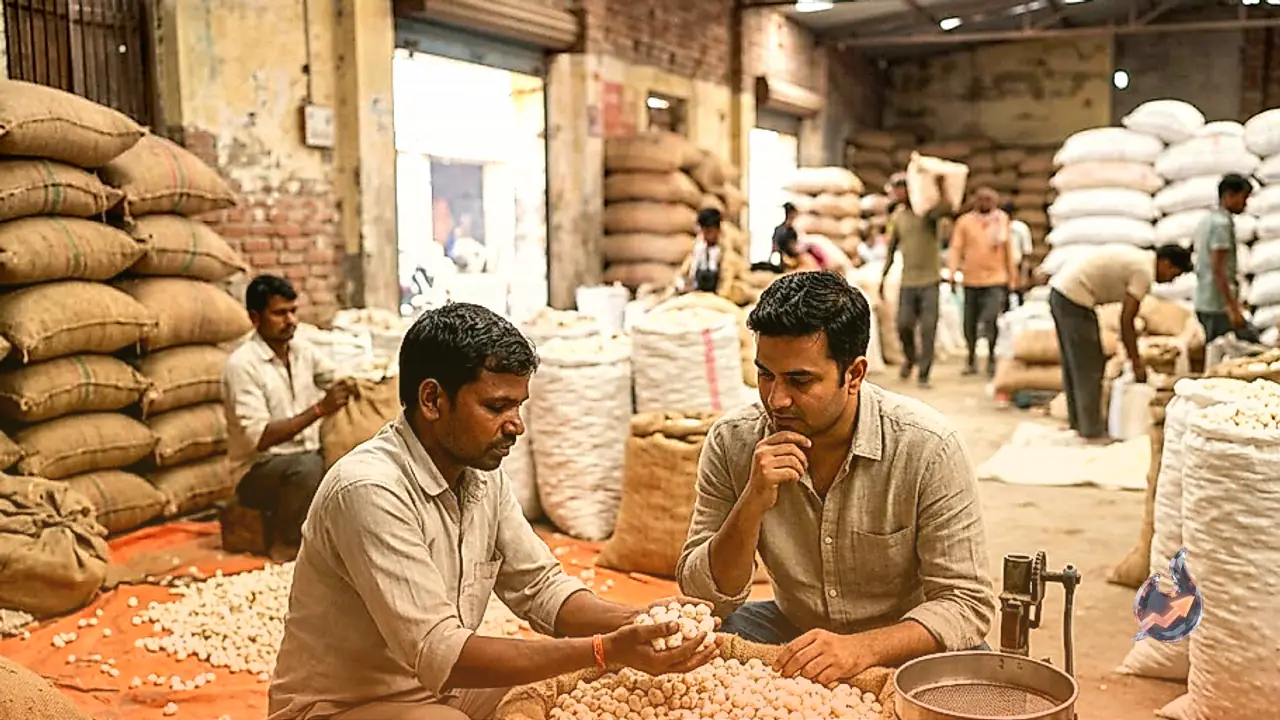



















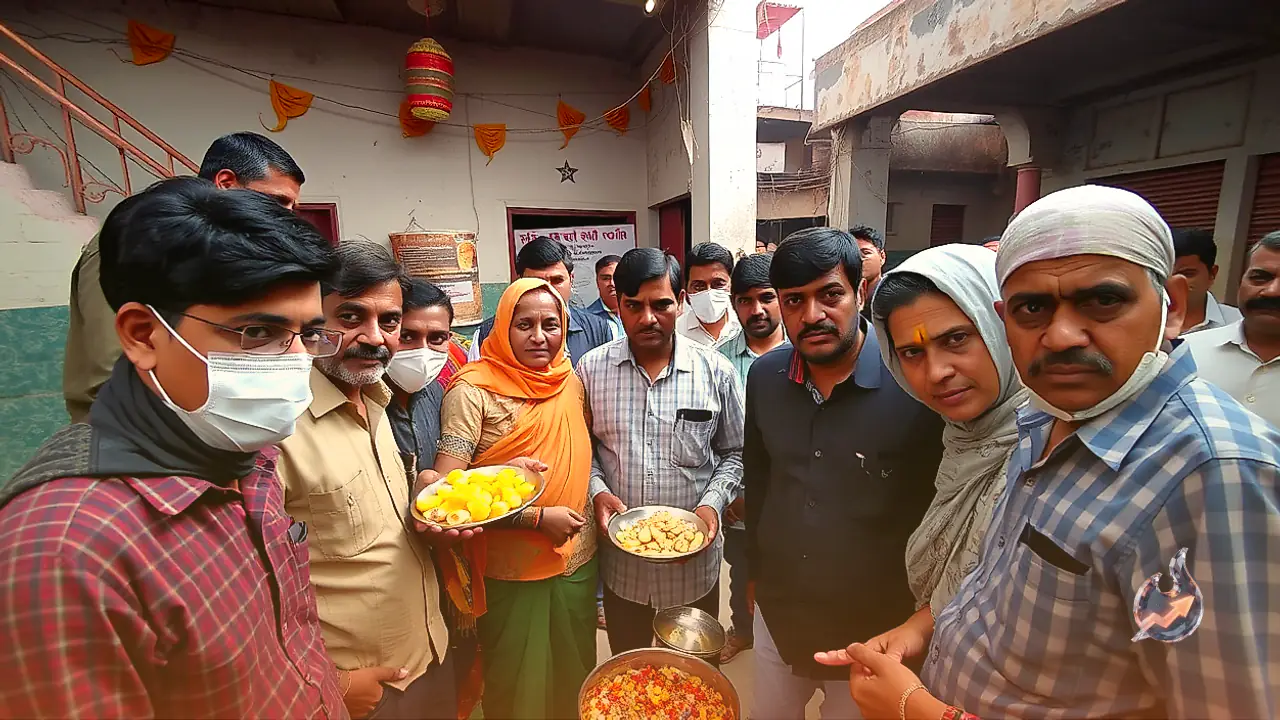

With the auspicious festival of Diwali approaching, the medical and health administration in the Bhilwara district has stepped up its vigilance. Demand for milk, mawa, sweets, and various food items surges during the festive period, creating an opportunity for adulterators to become active. To curb these operators, special teams from the health department are conducting rigorous inspections across the region. Food safety officials are regularly checking prominent shops, sweet stores, and warehouses to ensure safe provisions reach the public. The primary focus of this special campaign is to keep a sharp eye on expired products, spoiled food items, and items containing synthetic adulterants.
Bhilwara Chief Medical and Health Officer Dr. Sanjeev Kumar Sharma has appealed to citizens across the city and district to exercise extreme caution while purchasing edible goods during this festive season. He noted that the natural aroma, color, and taste of a sweet can easily reveal signs of adulteration. Special vigilance is required particularly when buying items prepared from milk and mawa. By exercising a little caution, families can protect their health from falling prey to serious illnesses. Dr. Sanjeev Kumar Sharma explained that surprise checks by health squads are underway throughout the district in view of Diwali. The main objective of the food safety wing is to provide completely safe and quality food items to the public, alongside taking strict legal action against those selling expired goods or violating safety standards.
The department has also urged citizens to check the manufacturing date, expiry date, packaging, and overall quality printed on packets when buying food items. If any irregularities related to adulteration or food safety violations are spotted at any establishment, information should be immediately reported to the district-level control room's telephone number. To help people avoid adulterated goods in the market during the festive rush, authorities have outlined several simple and effective methods for self-verification.
Simple Ways to Identify Pure and Adulterated Sweets
When purchasing sweets from the market during the festive season, keeping a few fundamental points in mind helps avoid adulterated products. The first aspect to check is the aroma, as genuine sweets possess a very subtle and natural fragrance originating from pure ghee, authentic milk, and real saffron. If a sweet emits an extremely sharp, pungent, or unnatural odor, it indicates that harmful essences or artificial colors have been used.
Furthermore, adulteration is considered most common in sweets prepared from khoya or mawa. When pure mawa is rubbed between the fingers, it leaves a mild greasiness and a natural milky scent, whereas fake mawa feels somewhat rubbery or granular when rubbed and may emit an unusual odor. Consuming sweets made from such counterfeit mawa can trigger severe health issues like stomach aches, vomiting, and diarrhea. Testing for artificial coloring is equally important; if a sweet exhibits an excessively deep, sharp, or unnaturally glossy color, synthetic dyes may be mixed in. This risk is particularly high in yellow, pink, and orange sweets. To test this, a small piece of the sweet can be dropped in water, and if the color dissolves, it confirms the presence of harmful chemical dyes.