





















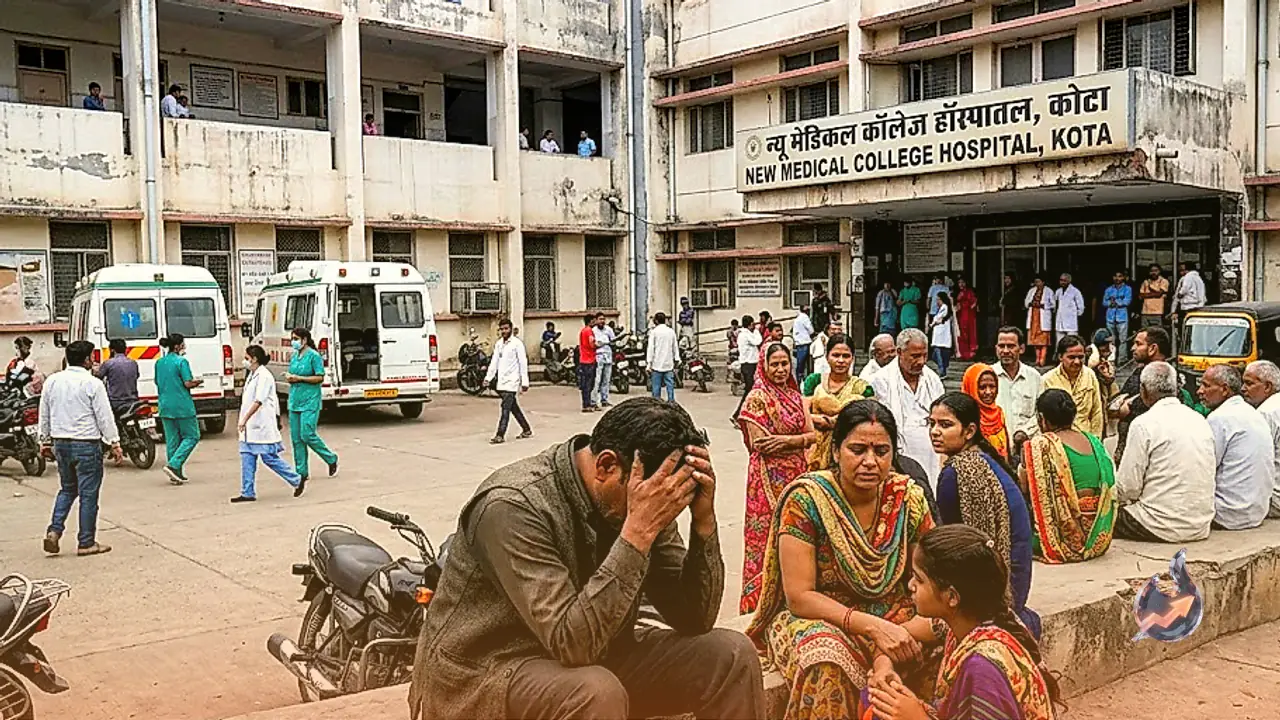

A severe post-surgical health crisis at the New Medical College Hospital in Kota, Rajasthan, has resulted in the tragic death of a new mother and left another in critical condition. Forty-year-old Reshma passed away during treatment on Friday night following acute renal complications that surfaced after an emergency cesarean delivery on October 14. Another patient, 30-year-old Anita, who also underwent a cesarean section on the exact same day, is currently fighting for her life in the nephrology intensive care unit. Both patients suffered sudden renal impairment just hours after their respective surgeries, once again placing the medical protocols and standards of care at the facility under intense scrutiny.
Rapid Health Deterioration Following Surgeries
Both Reshma and Anita underwent cesarean deliveries at the gynecology department of the New Medical College Hospital on October 14. Within a few hours of concluding the surgical procedures, the clinical condition of both women began to slide precipitously. Medical staff and attendants noted a severe drop in urine output, pointing toward acute kidney dysfunction. Alarmed by her rapidly worsening vitals, Reshma's relatives moved her to a private healthcare facility seeking urgent relief. However, as her condition failed to stabilize or show any signs of recovery, she was transferred back to the SSB wing of the New Medical College Hospital on Friday evening. Despite critical care efforts, Reshma succumbed during treatment. Her grieving family has alleged that her health deteriorated sharply after she was administered an injection during her clinical care.
Clinical Assessments and Underlying Diagnoses
According to an official clinical report released by hospital superintendent Dr. Ashutosh Sharma, Reshma experienced sudden acute respiratory distress immediately after undergoing the emergency cesarean section, accompanied by a sharp collapse in blood pressure. The clinical report linked these symptoms to a suspected thromboembolic attack, though medical authorities maintained that the definitive conclusion behind her demise will only be established following an exhaustive post-event investigation. Meanwhile, Anita's medical situation remains extremely alarming. Clinical evaluations indicate that her blood platelet count has plunged drastically to just 21,000. Physicians managing her case have attributed her condition to indications of thrombotic microangiopathy along with HELLP syndrome. Anita continues to receive rigorous, specialized medical intervention inside the nephrology department's intensive care unit.
Echoes of the Tragic May 2026 Outbreak
The latest crisis closely mirrors a devastating incident that hit the New Medical College Hospital approximately five months earlier. On May 5, 2026, twelve women developed severe kidney failure after undergoing cesarean operations at the exact same hospital. That cluster of post-operative renal collapse led to the tragic deaths of five women: Payal, Jyoti, Pinki, Priya, and Shireen. The incident sparked public outrage and raised urgent questions regarding sterilization, drug quality, and operative practices. Samples collected during the formal inquiry into those deaths were dispatched to a laboratory in Kolkata for thorough chemical and microbiological testing. However, five months later, the definitive findings from those laboratory tests are still awaited.
Doctor Reinstatements and Lingering Accountability
In the aftermath of the May fatalities, the health administration had placed three doctors under suspension pending inquiry. Those suspensions, however, were revoked recently after inquiry committees cleared the medical personnel with a clean chit. With Reshma's death and Anita's critical status reviving the exact same clinical pattern, questions are once again being asked about the thoroughness of the earlier probe and the safety measures instituted at the hospital. A central question remains unanswered: why did identical life-threatening complications strike maternity patients again at the same facility after previous fatalities? Establishing clear institutional accountability and pinpointing the exact triggers behind these recurrent kidney failures remain essential to preventing further loss of maternal lives.