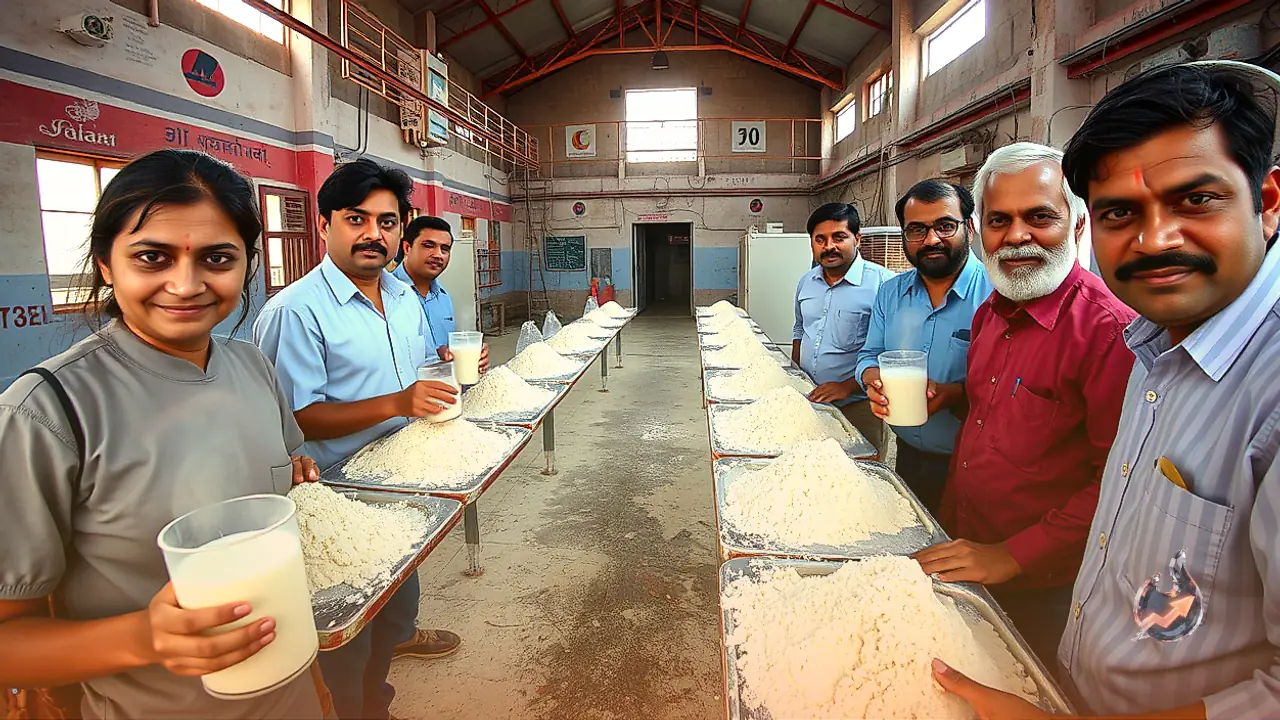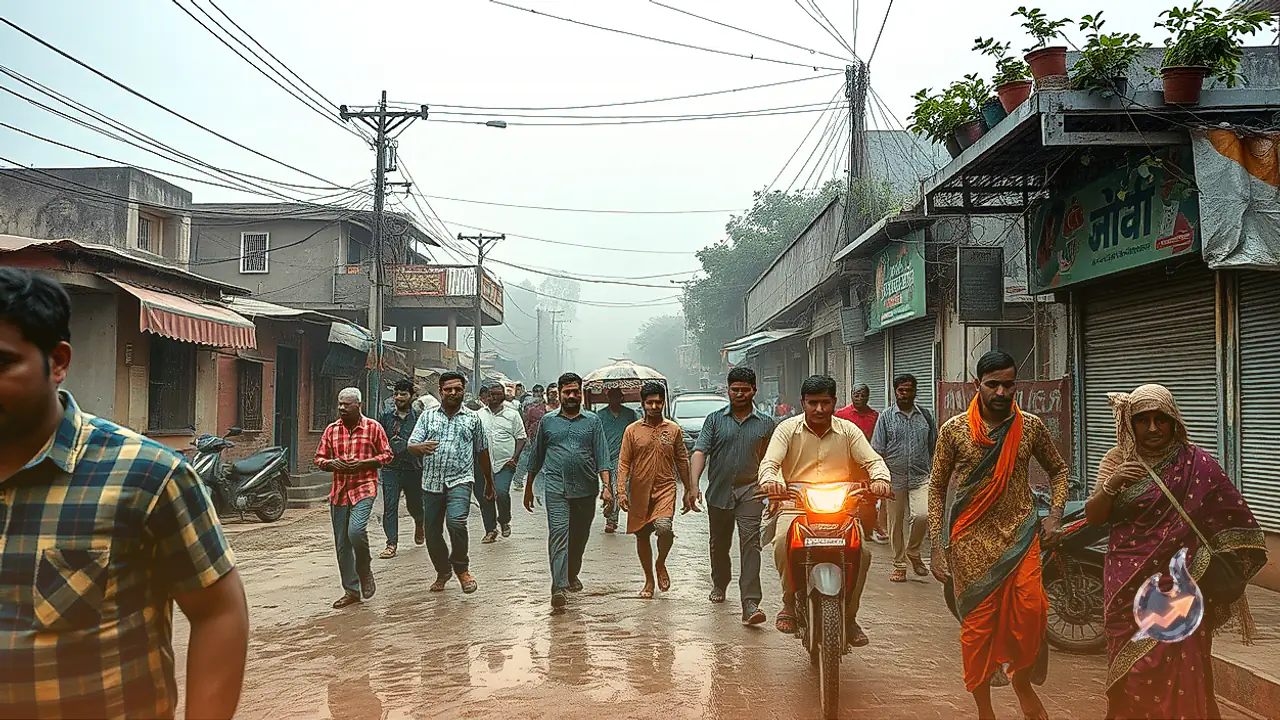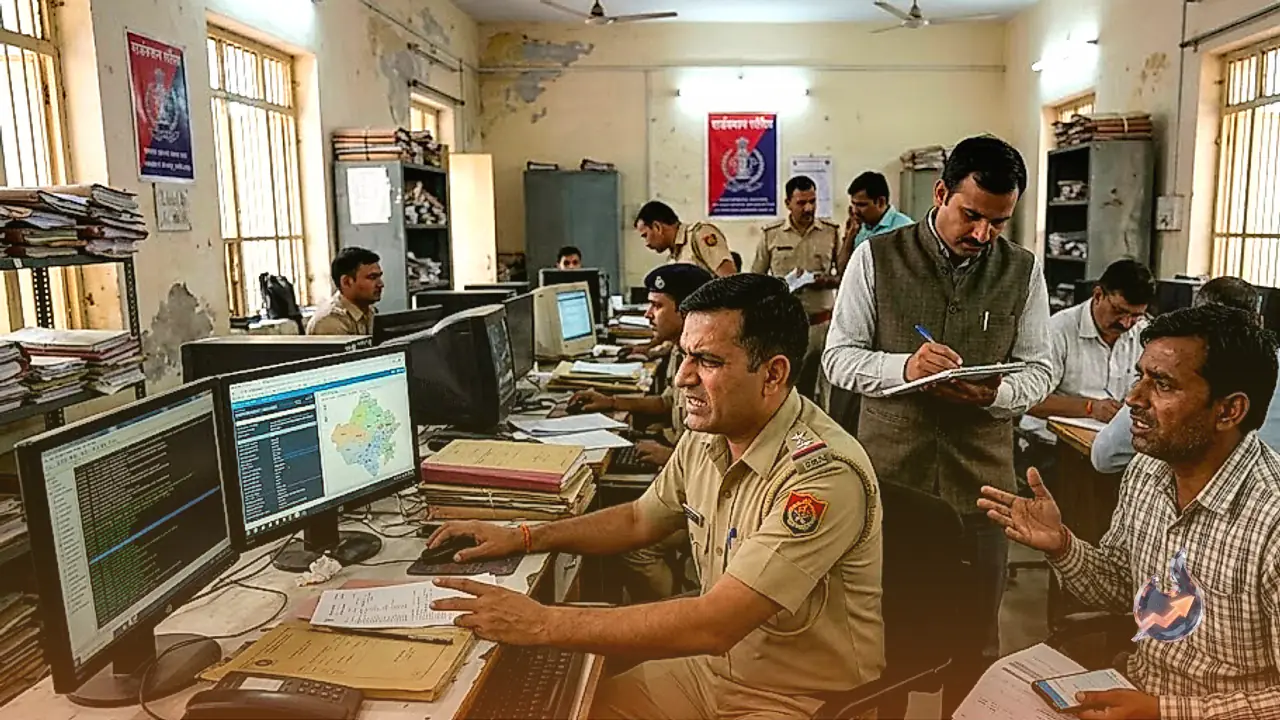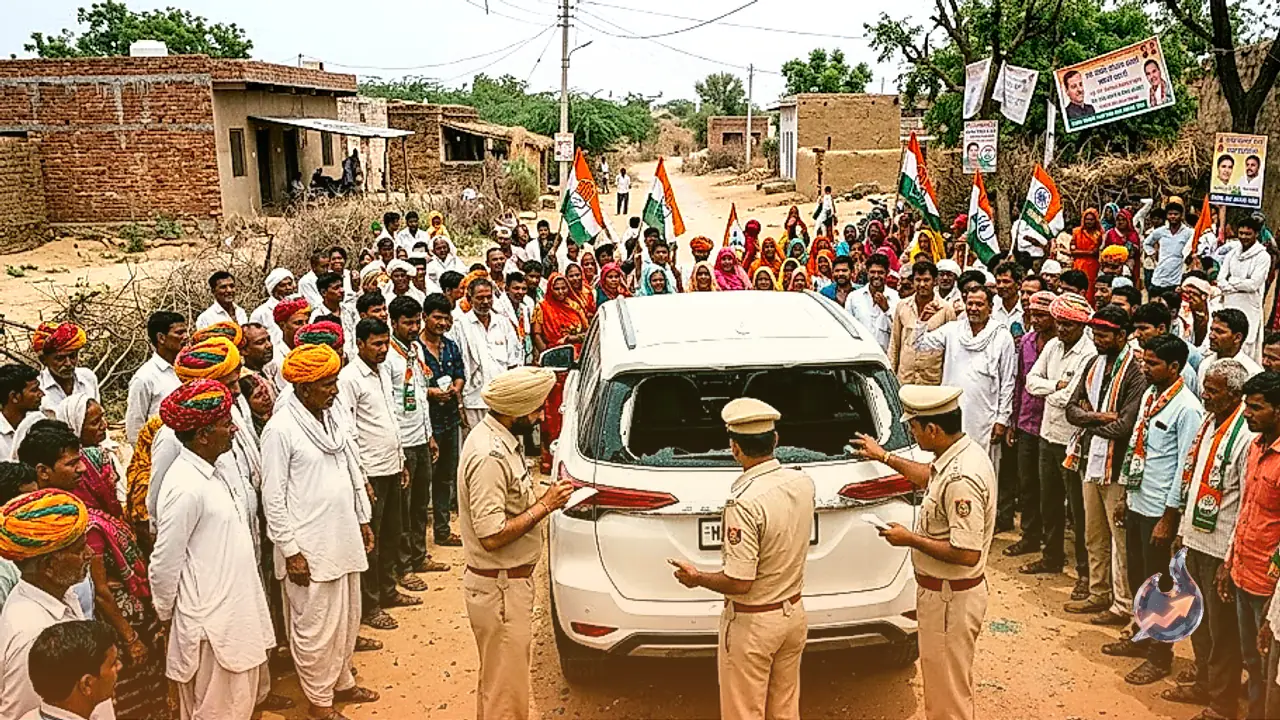

An unusual and cooperative electoral exercise unfolded in Takhatpura village, falling under the Kanyakhedi gram panchayat in Rajasthan's Bhilwara district, just ahead of the second phase of local Panchayati Raj polls. Faced with multiple competing claimants for the village head post, the community chose not to let political friction divide them. Instead, residents organized an internal secret ballot inside the local temple precinct, turning a potentially bitter contest into an organized fundraiser for the village educational infrastructure.
Reaching Deadlock and Creating an Educational Fundraiser
Under the reservation lottery system, the sarpanch seat in Kanyakhedi gram panchayat was earmarked for a Scheduled Caste woman candidate. The broader panchayat encompasses 2,700 registered electors, with Takhatpura holding a dominant share of 1,800 voters, while neighbouring Kanyakhedi village accounts for the remaining 900. Because Takhatpura commands the majority of the electorate, several households stepped forward seeking to field candidates, making an immediate consensus difficult during early community negotiations.
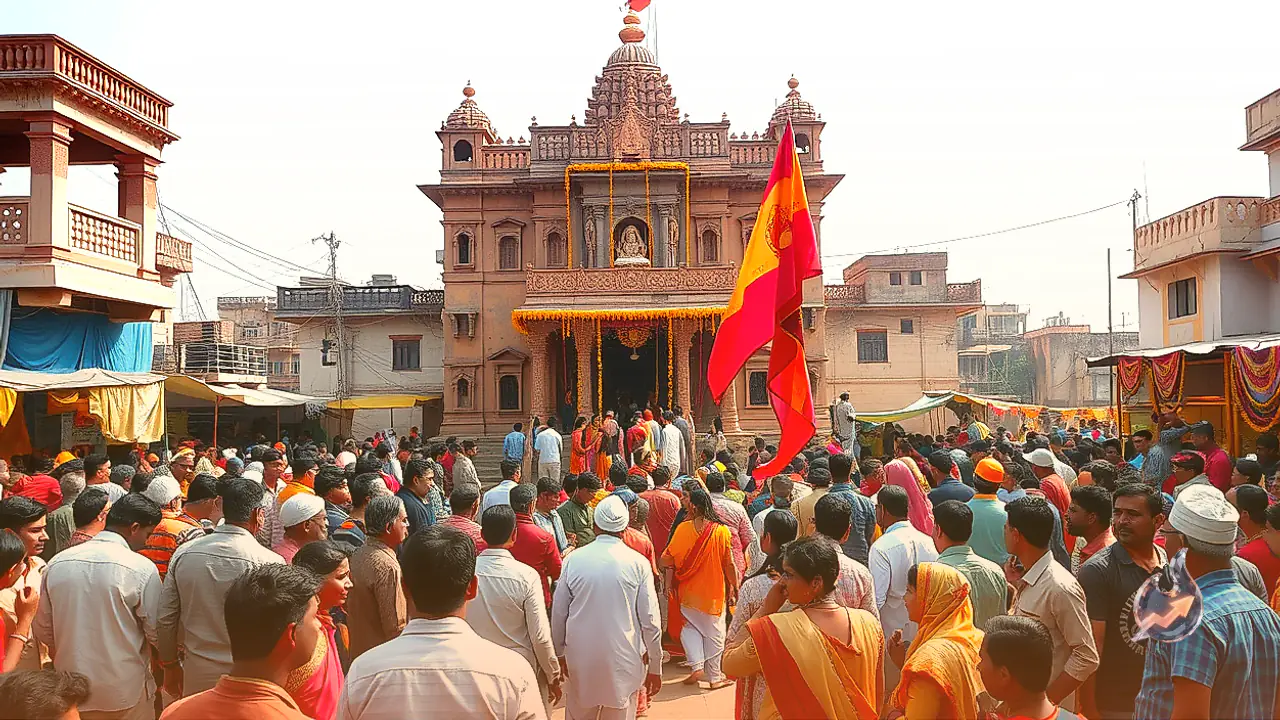
To navigate the stalemate, villagers convened a general meeting at the local Charbhuja temple compound to preserve communal amity. Rather than allowing personal disputes to fester, the gathering formulated a binding rule: any aspiring candidate had to formally commit and deposit a donation of 1.51 lakh rupees to serve as a community patron, with the entire fund specifically earmarked for building new classrooms at the local girls school. Following this mandatory condition, only two serious contenders remained willing to participate, while others withdrew from consideration.
Printed Ballots and a Twelve-Hour Secret Vote
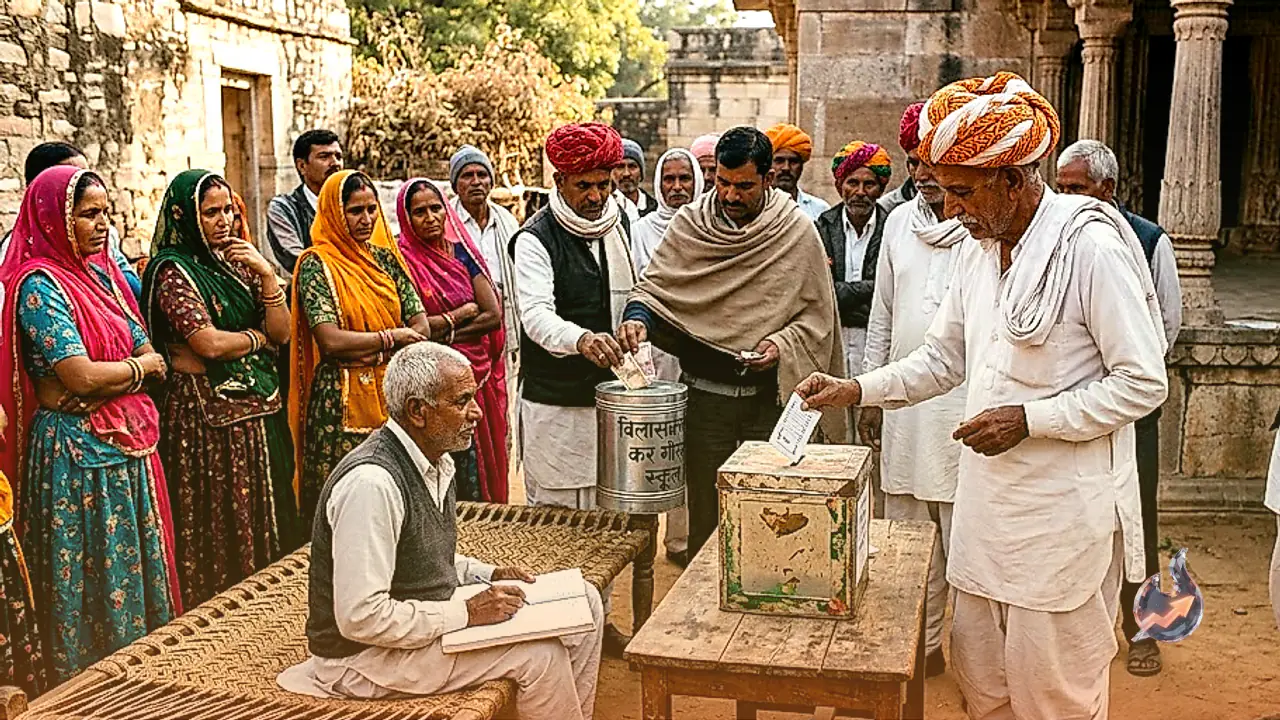
The race narrowed down to two contestants: Manju Devi, wife of Bherulal Nayak, and Leela Devi, wife of Shankar Lal Baretha. Both households fulfilled the development pledge by depositing the required 1.51 lakh rupees with the village committee. To maintain full transparency and trust, formal ballot papers carrying the names and printed photographs of both women contestants were published, mirroring an official state electoral process.
Voting commenced early on Wednesday at 6:00 AM and concluded at 6:00 PM, running continuously for twelve hours. Electors cast their votes using the village male electoral roll as the reference register. Throughout the day, 459 male voters turned up to drop their marked slips into an official-style ballot box. When the count took place later that evening before the gathered assembly, 18 ballots were found invalid and rejected. The tally revealed that the wife of Bherulal Nayak, hailing from a local farming family, secured the decisive margin and was formally proclaimed the village chosen sarpanch candidate.
Two Decades of Preserving Social Harmony Through Consensus Polls
Local residents explained that this internal voting system is not a temporary novelty, but an established local custom maintained across the past four panchayat elections, spanning roughly 20 years. Whenever public office races generate multiple rival camps, the community turns to this time-tested mechanism to eliminate electoral bitterness and protect neighborly goodwill.
A defining hallmark of this twenty-year tradition is linking electoral ambition directly to civic welfare. Ahead of each cycle, community elders mandate that prospective entrants contribute financial resources toward public facilities such as the village cow shelter or local school building projects. Once the community ballot determines the winner, the village unites behind the chosen nominee, ensuring peaceful participation in the broader official state elections.