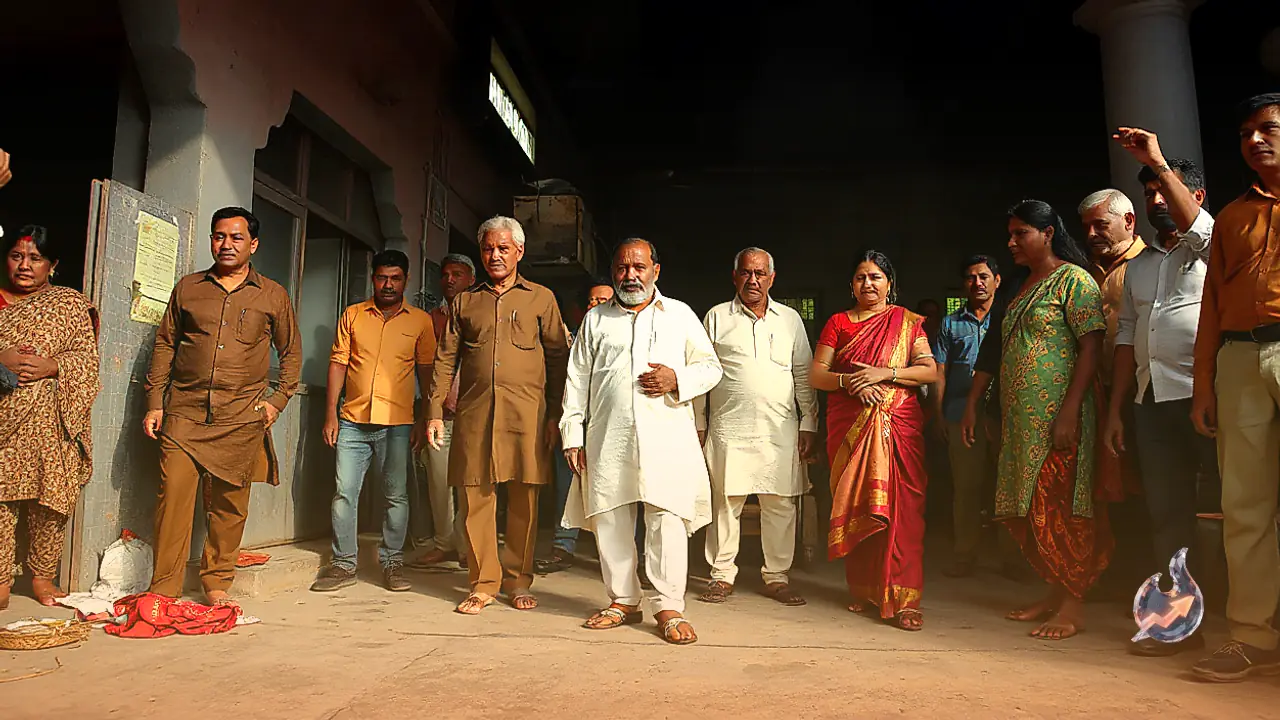
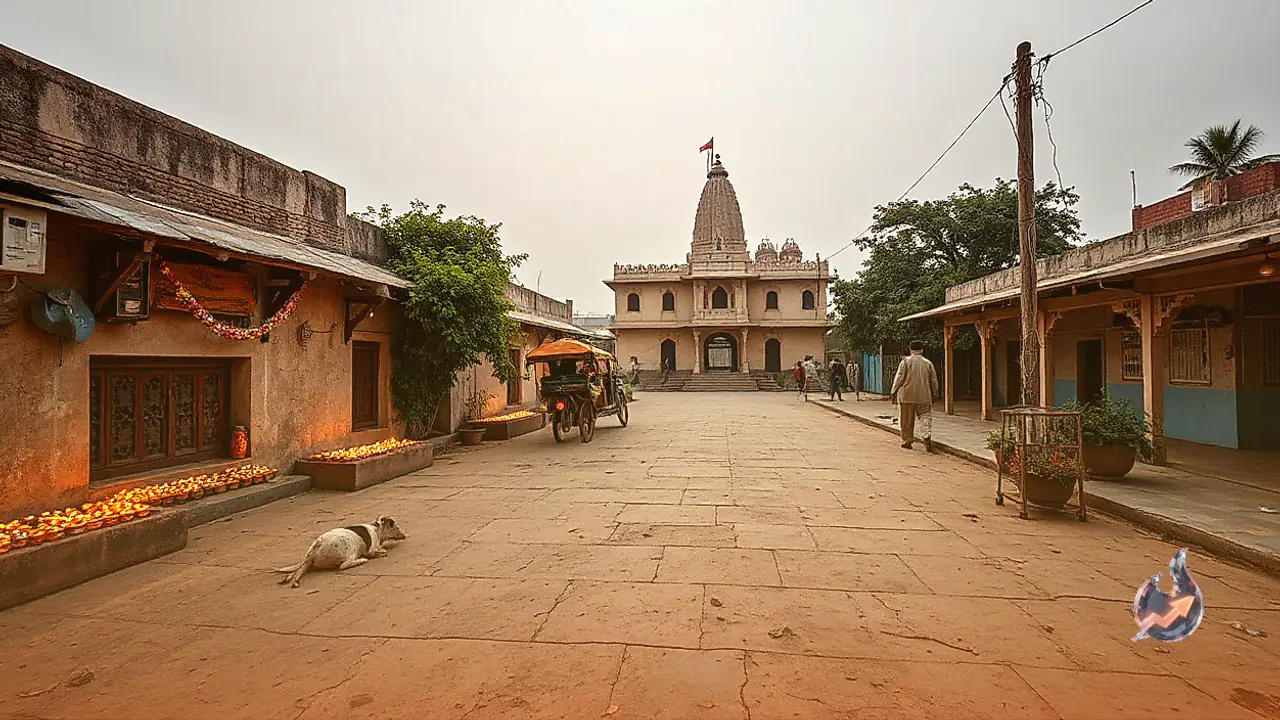


















While the festival of Diwali is predominantly celebrated across India with illuminations, sweets, and family gatherings, Kanuja village in Rajasthan presents a starkly different, adrenaline-filled spectacle. Situated within the Raipur Marwar subdivision of Pali district, this village observes a centuries-old custom on Govardhan Puja that turns the quiet celebration into an intense local sporting event. Rather than routine festivities, villagers orchestrate a high-stakes challenge in which local youths place their personal safety on the line, sprinting after agitated, charging bulls to snatch prize parcels tied directly to their horns amid loud firecracker bursts.
Morning Preparations and the Ritual Adornment of Bulls
The entire village gathers to begin preparations at 7 AM on the morning of Govardhan Puja. Cattle rearers and local residents bring both domestic bovines and stray bulls together at the primary village square. The proceedings commence with an elaborate grooming process where each animal is carefully cleaned and adorned. Villagers apply intricate patterns of traditional henna and bright red organic color across the bodies of the bulls, transforming the powerful animals for the day of celebration.
Following the decorative stage, a dedicated ceremonial bundle is prepared. Organizers take vibrant red and saffron cloth and pack it with dry coconuts, cash amounts, and festive sweets. This bundle, serving as the central prize of the festival, is tied firmly between the sharp horns of the decorated animals using thick knots. Experienced village elders personally inspect the fastenings to ensure that the parcel remains attached throughout the chaotic run and can only be removed through a deliberate, courageous grab.
Chaos, Crackers, and the Dangerous Pursuit Through Streets
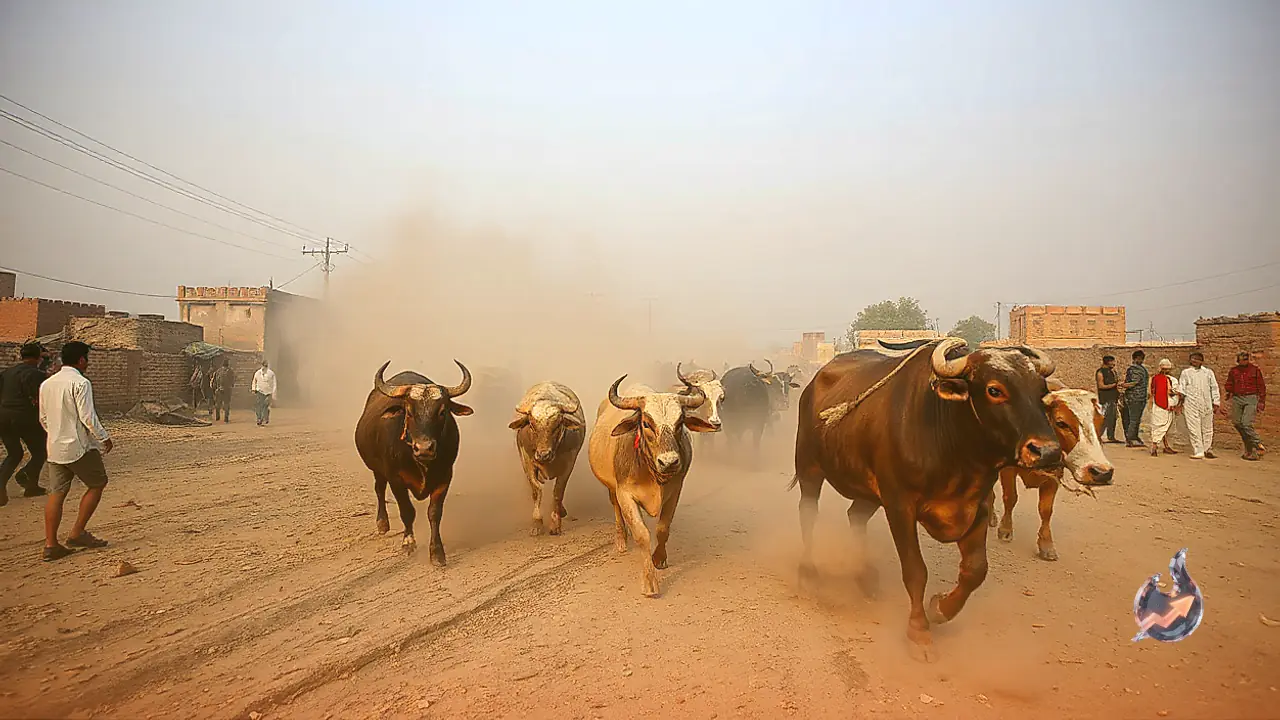
Once the prize pouches are secured, fireworks and crackers are detonated along the village thoroughfares. The sudden concussive noises and billowing smoke immediately startle the animals, causing them to panic and gallop wildly through the streets and open spaces of Kanuja. The moment the bulls begin to charge, squads of daring village youths dash out onto the tracks in hot pursuit, competing fiercely against one another to approach the furious animals and untie the prize bundle.
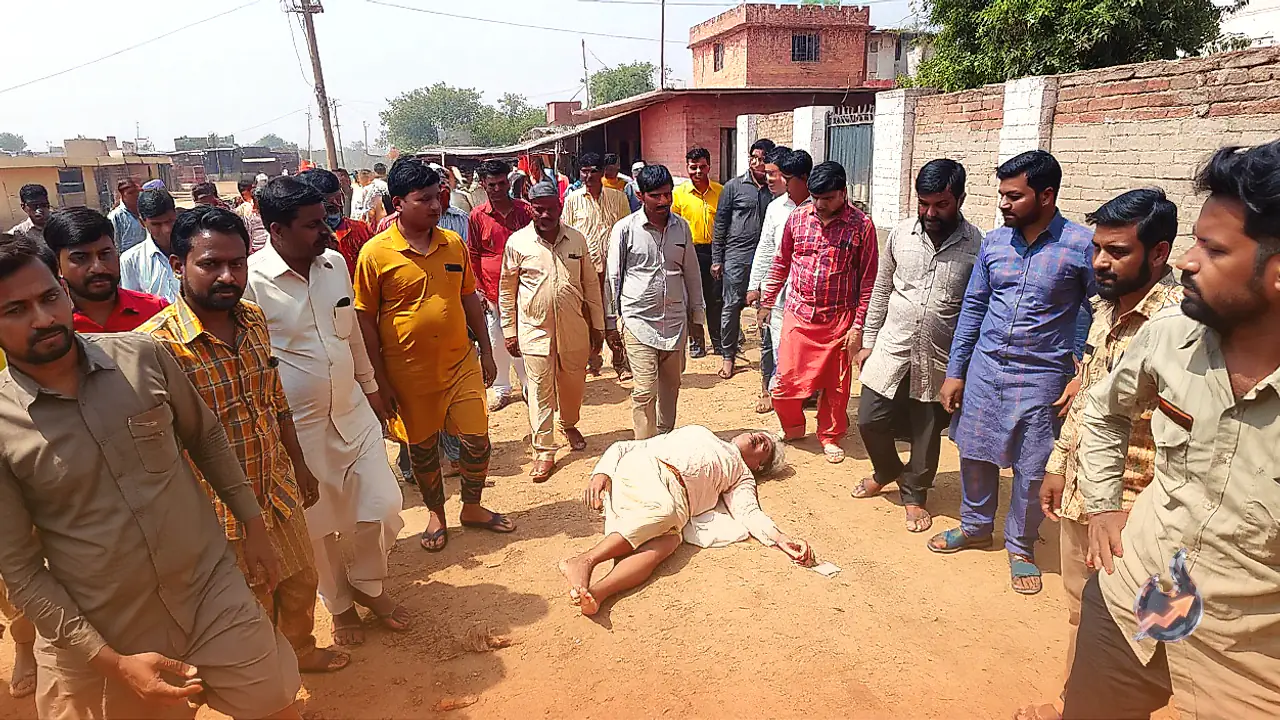
This contest carries severe physical hazards. Managing powerful, panicked beasts in tight rural alleys is extraordinarily perilous. Each year, dozens of young participants suffer fractures, contusions, and lacerations after being trampled or struck by charging horns. Yet, driven by the thrill of local tradition, injured competitors regularly pick themselves up, shake off their cuts, and jump straight back into the fray with a broad grin to resume the chase.
Rooftop Spectators and Cross-Community Solidarity
Recognizing the clear risks on the ground, women, girls, and elderly residents observe the spectacle strictly from the safety of village rooftops, balconies, and elevated platforms. The air fills with triumphant cheers and collective applause as spectators encourage the youths sprinting toward the dangerous horned animals below, creating an electrifying atmosphere that reverberates across the settlement.
A notable aspect of this festival is its broad communal harmony. Members of the Rawat community and all other local caste groups participate side by side without social division. The event functions as an inclusive cultural gathering where the entire locality collaborates to organize the proceedings, manage the crowd, and attend to the young men who sustain injuries during the runs.
A 400-Year Ancestral Legacy Preserved Across Decades
Village elders trace the origin of this daring custom back through multiple generations, citing an ancestral history spanning roughly 400 years. Furthermore, local residents explain that the festival has been conducted in its current structured, communal format continuously for more than 60 years without interruption. While contemporary influences have caused many traditional rural pastimes to fade, the people of Kanuja regard this Govardhan Puja custom not merely as rural entertainment, but as an indispensable ancestral trust that must be preserved with complete fidelity.