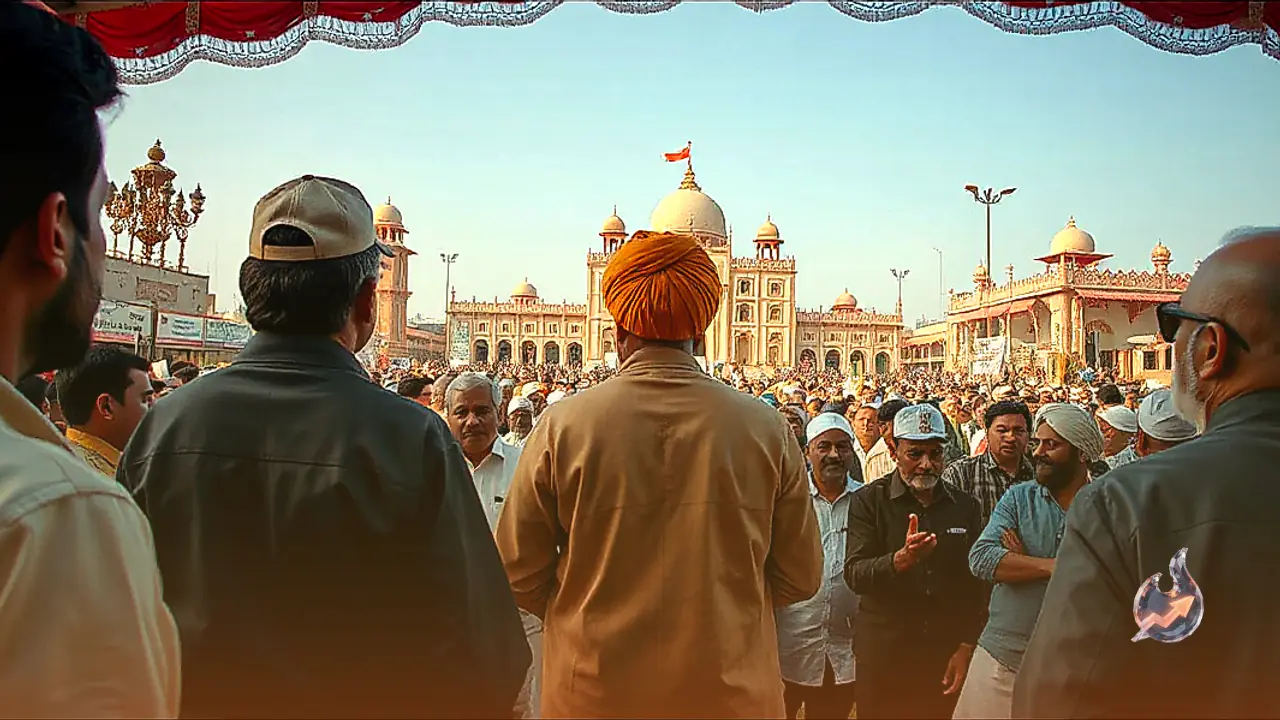

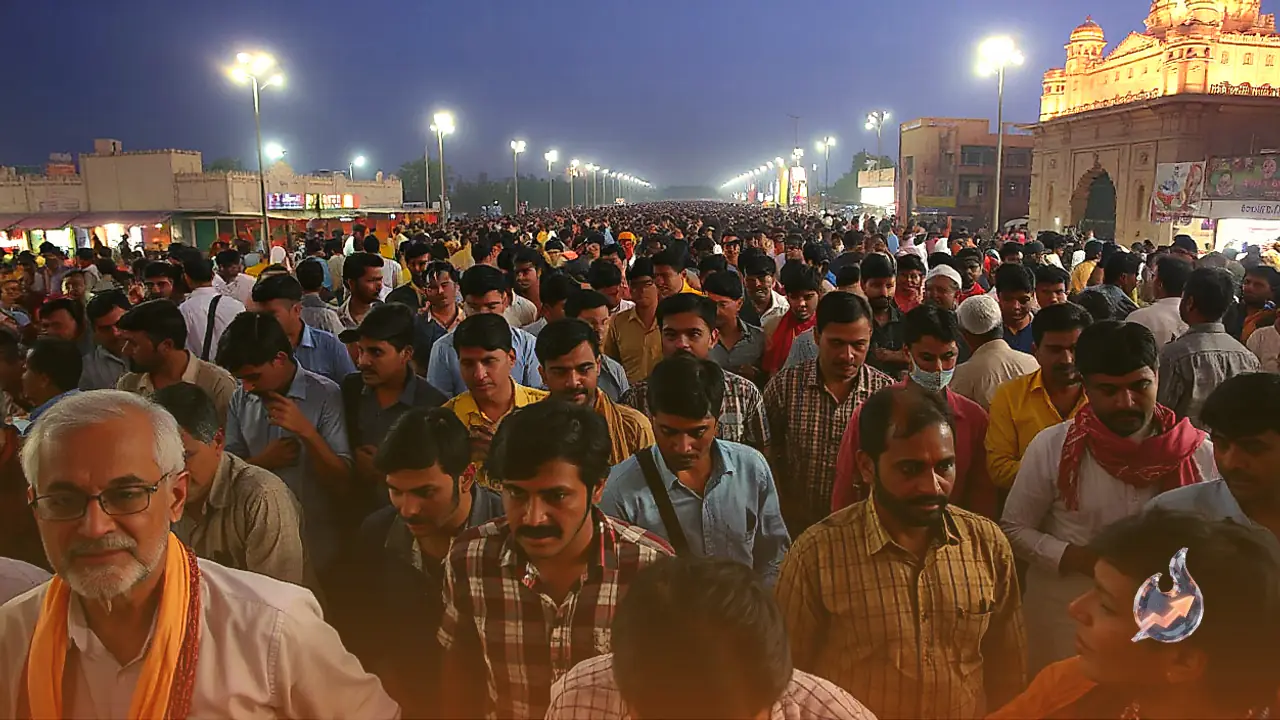
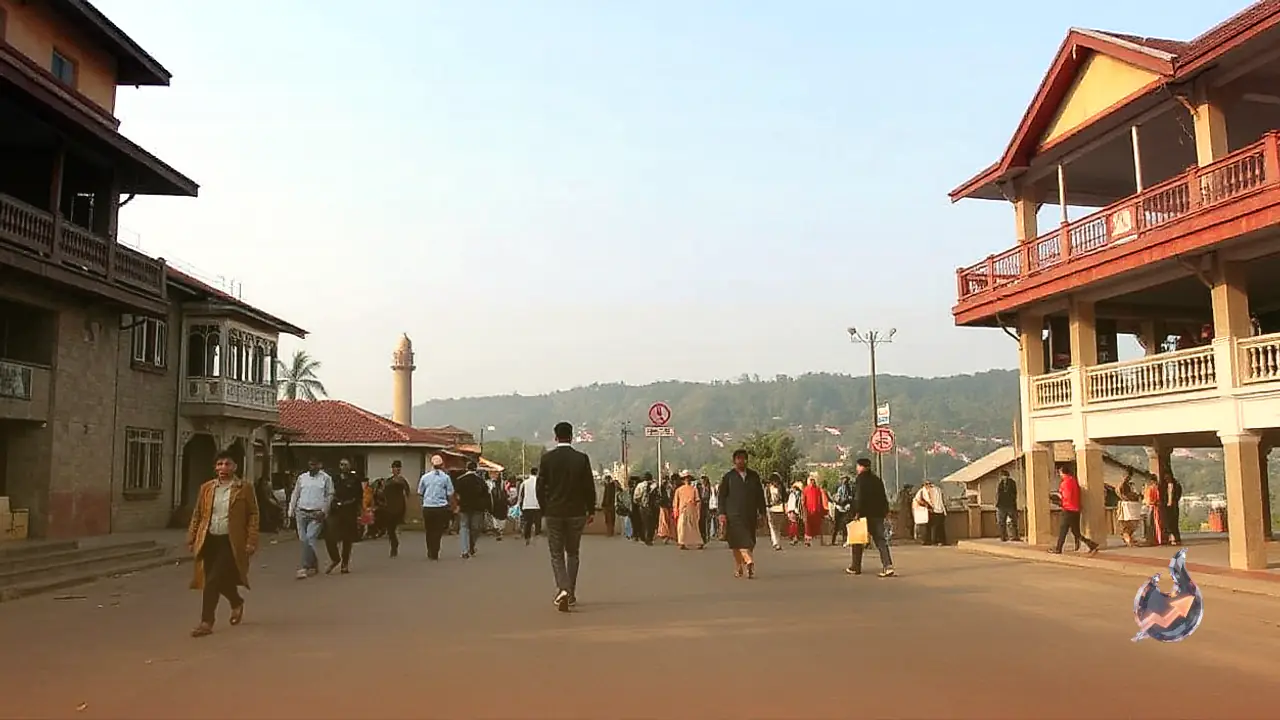
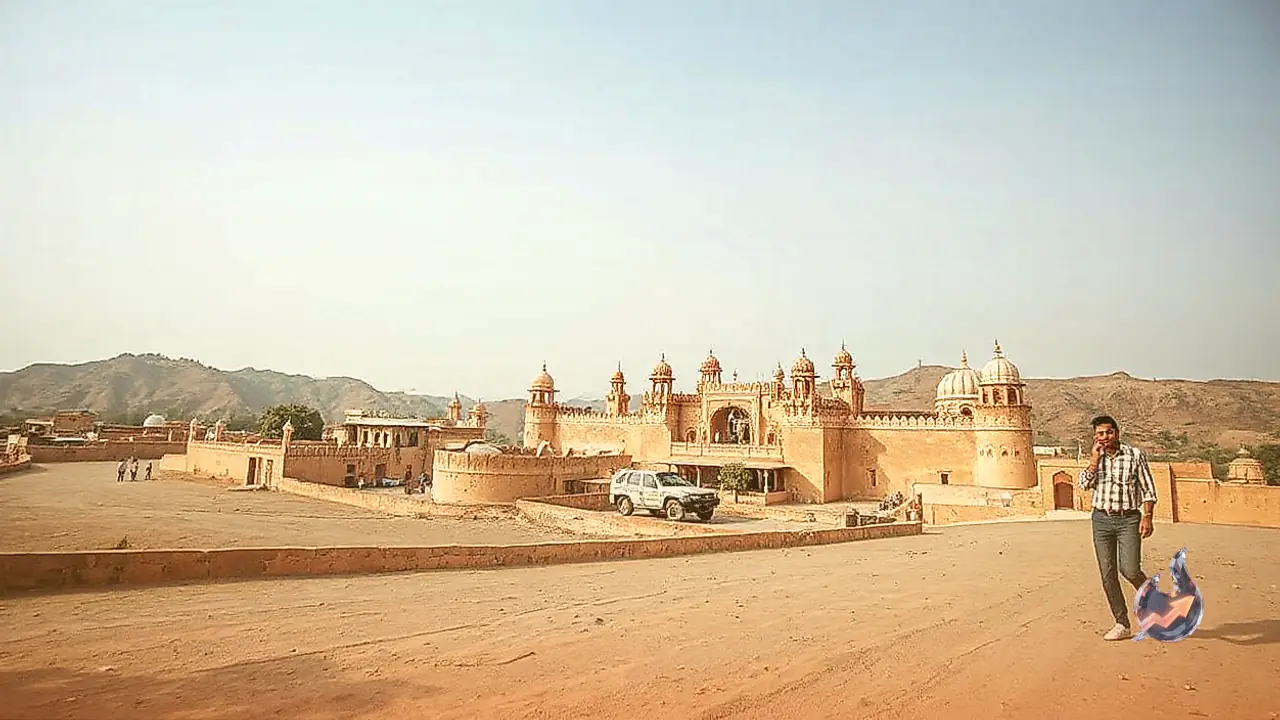














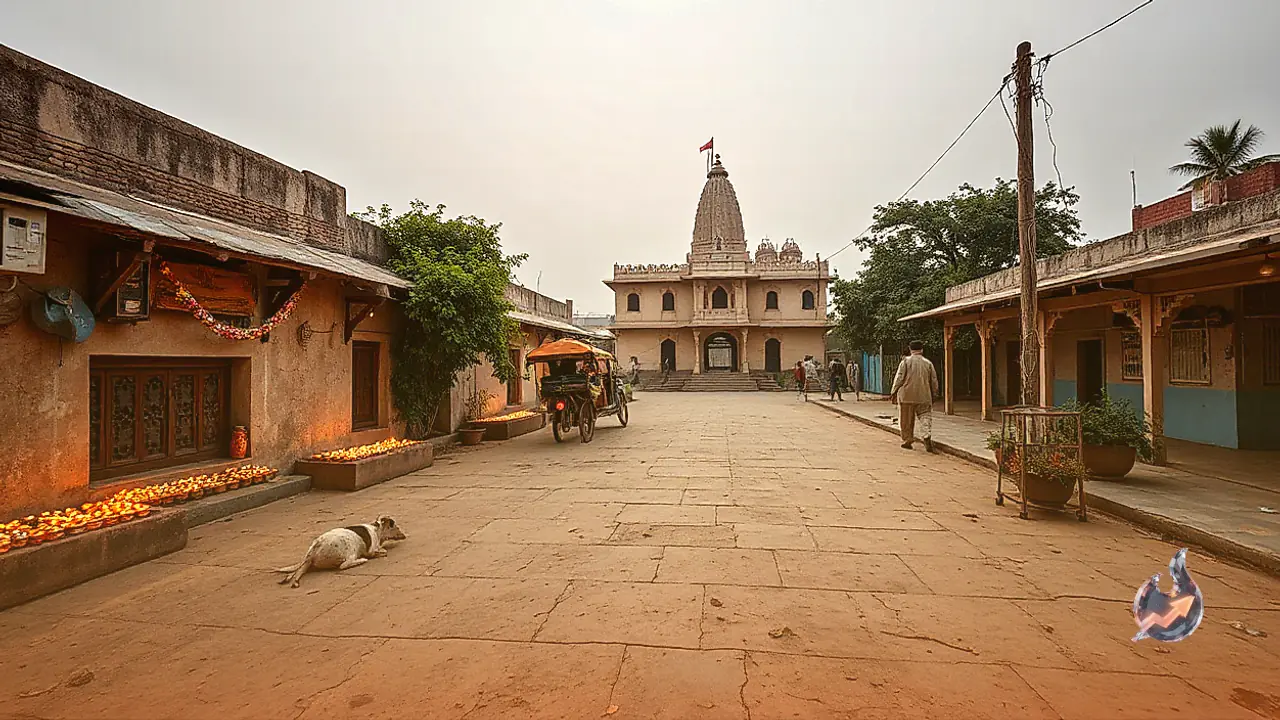

The upcoming Diwali festivities in the Govindgarh area of Alwar district are taking on a meaningful, conservation-driven dimension this season. Moving past conventional celebration routines, the community is turning festive lighting into an active campaign for animal welfare and ecological care. Led by the local Seval Temple, a centuries-old spiritual custom has been scaled into a community-wide mission designed to reach 108 temples across the vicinity. The central highlight of the drive involves illuminating more than 51,000 cow dung lamps simultaneously during the auspicious twilight period on the evening of Deepawali.
Mass Production and Complimentary Distribution Across Families
Encouraged by favorable community reception during the preceding festive period, organizers have expanded operations significantly within the temple grounds this year. Artisans and volunteers are in the process of producing more than 1.5 lakh specialized cow dung lamps, triggering substantial enthusiasm among local residents. To make sure the message of ecological responsibility spreads far and wide, the temple committee has set up a giveaway program. Every visiting household is being presented with 21 complimentary lamps as an act of service. This approach serves a dual objective: it carries the core ideals of environmental stewardship and cow protection directly into domestic courtyards while breathing fresh vitality into traditional regional craftsmanship.
Pure and Natural Raw Materials Behind the Green Diyas
Departing from conventional baked earthen pottery, these lamps rely on an entirely biodegradable formulation that safeguards surrounding air quality. The production recipe utilizes pure cow dung blended with fine wood sawdust and organic guar gum as a binding agent. Because no synthetic chemicals, artificial glues, or hazardous colors are incorporated, the lamps burn cleanly without generating toxic fumes. By choosing these organic materials, the organizers have produced a zero-waste illumination alternative that aligns perfectly with modern sustainability needs.
Post-Festival Recycling Into High-Grade Organic Fertilizer
Elaborating on the philosophy behind the project, Jamna Jeevan Krishna Das Ji, associated with Seval Temple, emphasized that this initiative represents far more than an evening of lighting wicks. He pointed out that the program embodies deep devotion toward cows, preservation of Indian cultural heritage, and a firm resolution to safeguard the natural world. A standout feature of these distinctive lamps is their lifecycle after the festive season concludes. Instead of ending up as landfill waste, the remaining ashes and unburnt portions can be placed straight into household flowerpots and garden beds, functioning as an exceptional organic manure. In this manner, each lamp illuminates the home first and then replenishes the soil with essential nutrients.
Broad Community Involvement Across Urban and Rural Belts
The initiative originating from Seval Temple has generated a positive, reflective atmosphere throughout the wider Govindgarh belt. Residents hailing from surrounding villages as well as nearby commercial centers are turning out in strong numbers to assist in manufacturing and distribution. Observers and local officials note that such collective endeavors play an important role in strengthening civic awareness around ecological protection, helping citizens reconnect with time-tested heritage practices. By pairing traditional illumination with constructive environmental and livestock stewardship, this region of Alwar is charting an inspiring path for future festivities.