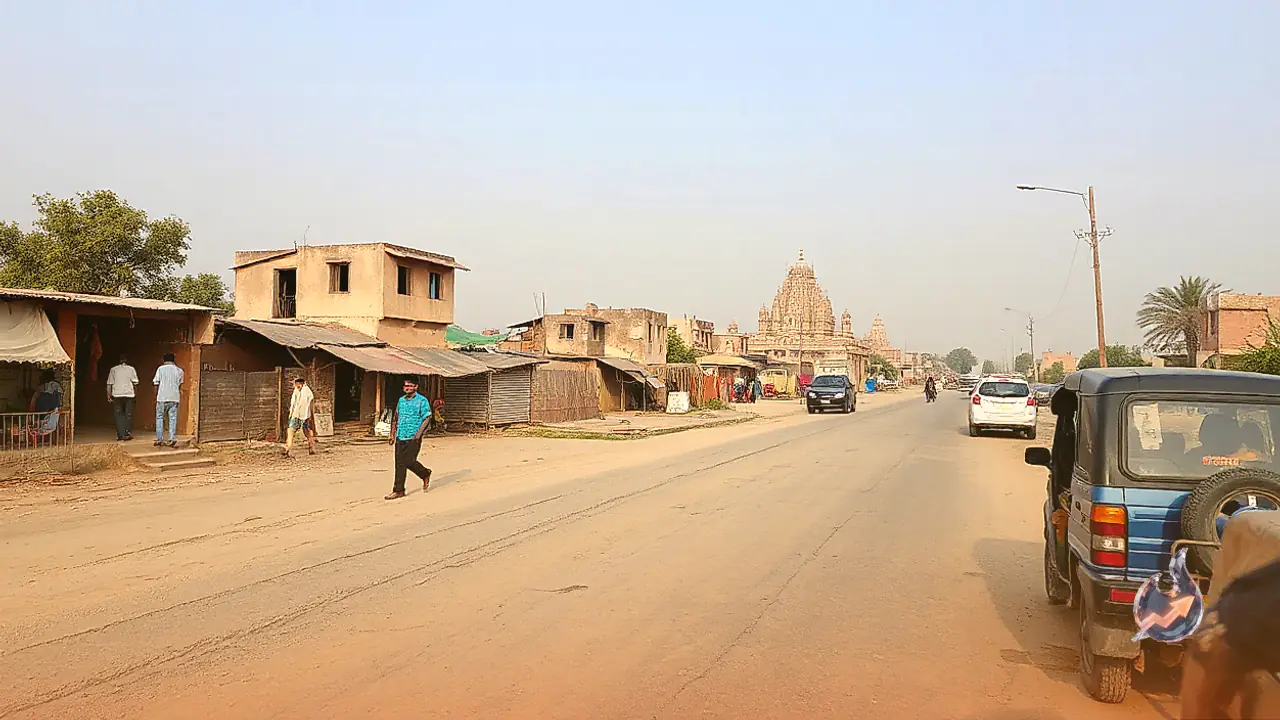
















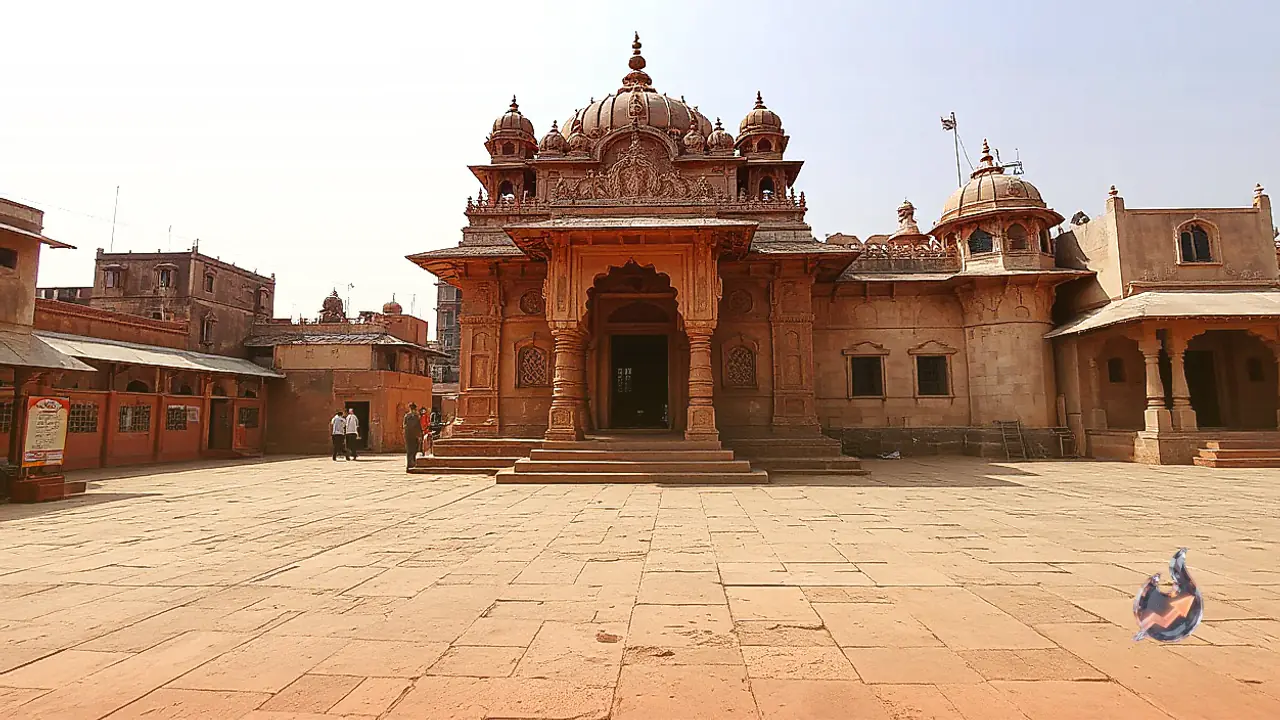

While millions of devotees make the demanding pilgrimage to Chamoli in Uttarakhand to seek the blessings of Lord Badrinath, the Shekhawati region of Rajasthan preserves a vibrant shrine dedicated to the deity. Situated in Anokhla Ki Dhani near Mahla Ki Dhani under Titanwar gram panchayat in Jhunjhunu district, this unique pilgrimage center traces its roots back roughly 700 years. Connected directly to the intense devotion of King Suryamal of Uttarkashi, the complex has grown into a major cultural and religious sanctuary for visitors across the region.
The Legend of King Suryamal and the Temple's 700-Year Origins
According to enduring local heritage, King Suryamal of Uttarkashi was a devoted disciple of Lord Badrinath. Each year without fail, he undertook the difficult journey to the principal shrine in Chamoli district to participate in prayers on Akshaya Tritiya, locally called Akhateej. Around 700 years ago, the king visited the pilgrimage town of Lohargal in Rajasthan. As he prepared for his return journey, Akhateej arrived, making it impossible to cover the massive distance back to Uttarakhand in time.
Unwilling to let the sacred day pass without performing his annual religious duties, King Suryamal rested near Anokhla Ki Dhani. Driven by steadfast reverence, he ordered the immediate construction of a small shrine at that exact camping spot and performed his dedicated Akhateej rituals. That spontaneous act of faith established an unbroken ritual lineage that local residents have honored on every Akhateej since.
From a Modest Structure to a Magnificent Landmark
For centuries, the shrine remained a modest community landmark. The spiritual prominence of the sacred ground, however, steadily expanded. A resident named Baluram held profound veneration for Lord Badrinath. Honoring his father's deep devotional ties to the sacred spot, his son Mamraj Sohu initiated an ambitious reconstruction initiative in 2008.
The extensive civil work lasted nearly two years. In 2010, the project culminated in a grand temple structure alongside the formal consecration of sacred deities. Built deliberately along the structural and ritual lines of the Himalayan original, the complex earned widespread local recognition as the country's second Badrinath Dham.
Idols Brought from Kerala and Traditional Namboodiri Ceremonies
The sanctuary's inner sanctum features a deeply significant theological layout. Surrounding the central idol of Lord Badrinath are sacred effigies representing Nara-Narayana, Uddhava, Garuda, Narada, and Kubera. Together, this assembly is revered and worshiped in the traditional Badrish Panchayat form.
All these stone deities were commissioned and carved in Kerala before being transported to Rajasthan for installation. In strict accordance with the sacred practices observed at the main Himalayan dham, Namboodiri Brahmins travel from Kerala every Akhateej to conduct the presiding Vedic rituals and rites, infusing the Rajasthani desert setting with traditional South Indian temple customs.
Community Fair, Traditional Games, and Sacred Nokh Trees
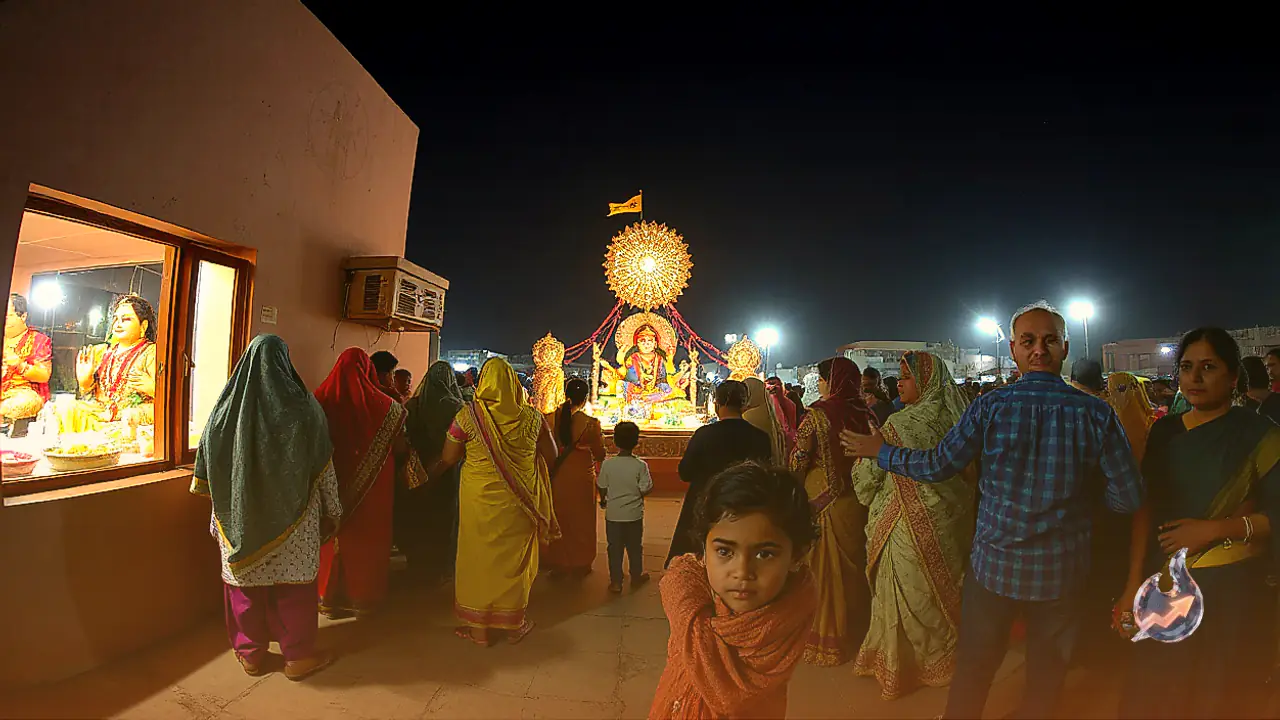
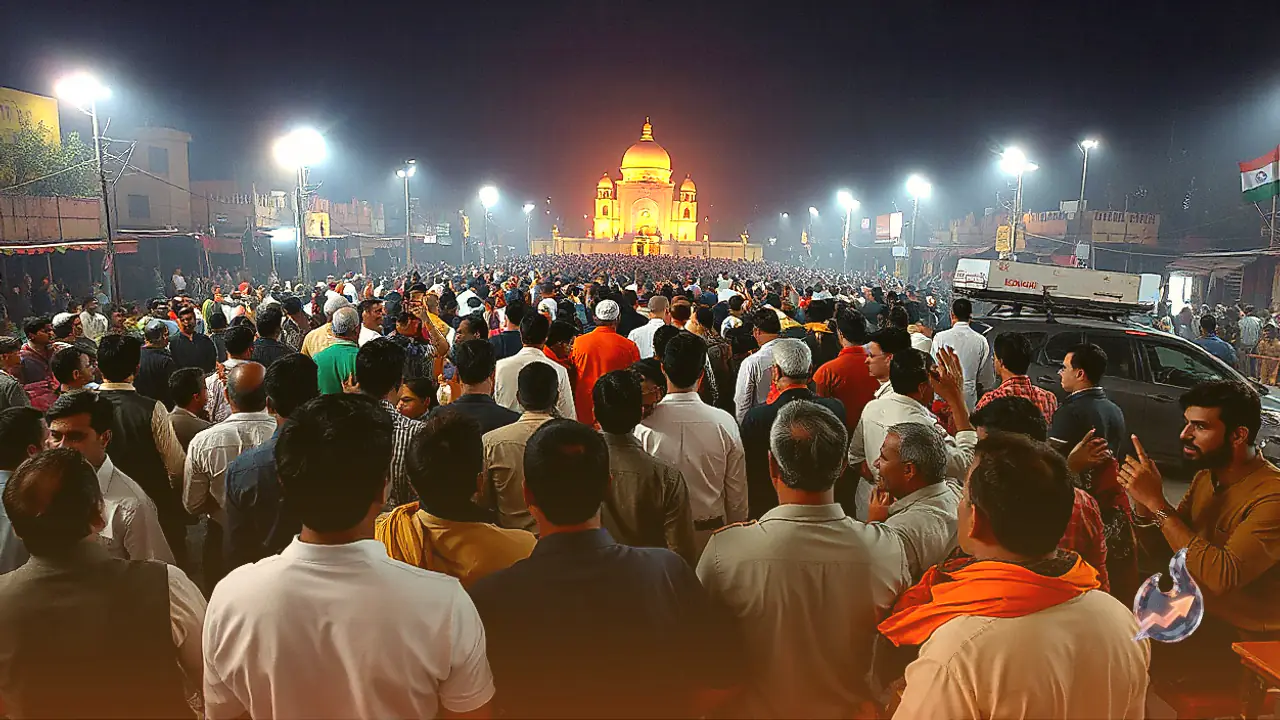
Akhateej marks the defining celebration of the year at Anokhla Ki Dhani. Alongside special scriptural programs, a massive rural fair unfolds outside the complex walls. Pilgrims from numerous neighboring villages assemble to participate in festivities and pay their respects. The event also hosts lively traditional sports competitions among local youth and visitors.
Bordering the temple grounds, a natural water reservoir known locally as a johad is lined with ancient Nokh trees that carry deep sacred value for the local population. Villagers regard these venerable trees as living embodiments of sanctity. Community ethics strictly prohibit cutting the timber or harvesting any parts of these trees for domestic or commercial needs, ensuring their natural protection over decades.
Nawalgarh's Single-Day Shrine: Open Once in 365 Days
Shekhawati hosts yet another remarkable spiritual custom linked to the deity in the town of Nawalgarh. Located adjacent to the Ramdevji temple, the local Badrinarayan temple remains closed to the public almost the entire year. Its doors open exclusively for worship on Akshaya Tritiya, leaving the sanctum locked for the remaining 364 days.
Devotees honor Lord Vishnu in his Badrinarayan form inside this ancient sanctuary. According to temple head priest Mahant Matadeen Sharma, the establishment dates back several centuries. His forebears maintained ritual worship matching the exact liturgical patterns of Badrinath Dham, a heritage that persists without interruption today. Across Shekhawati, these twin holy centers reflect the diverse expressions of historical faith, from a king's devotional vow to an annual vigil centered on a single day of prayer.