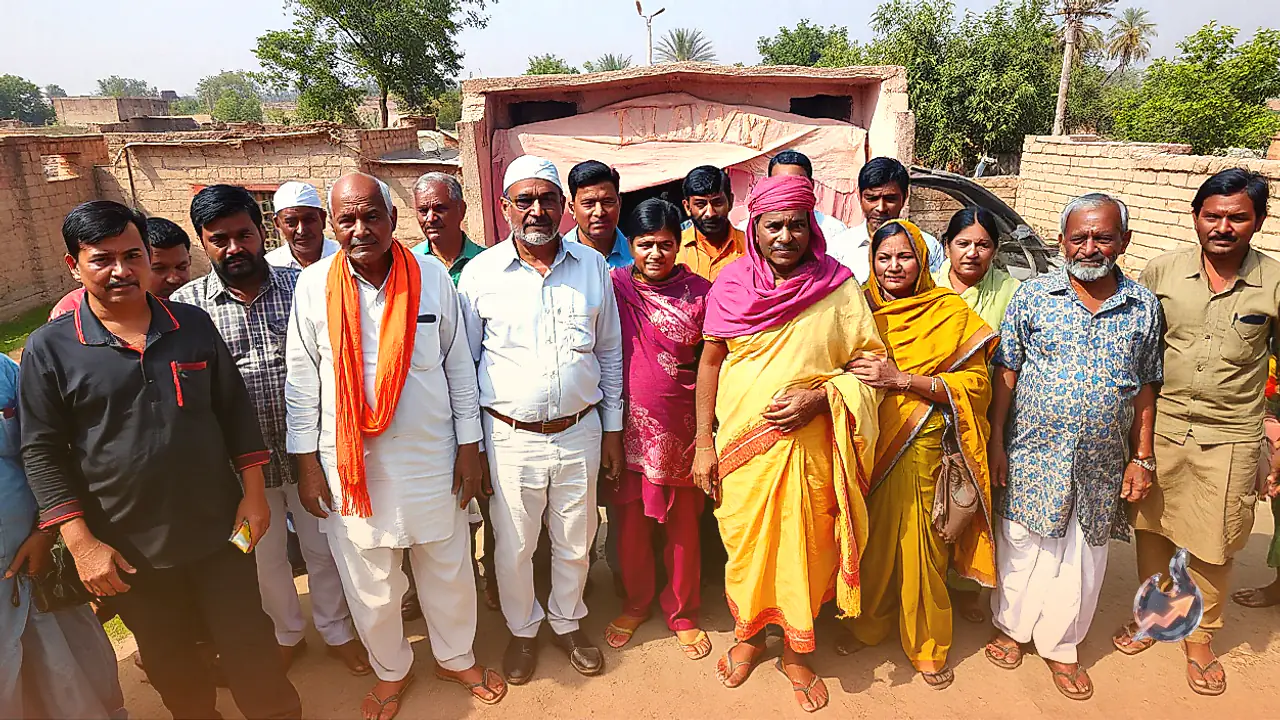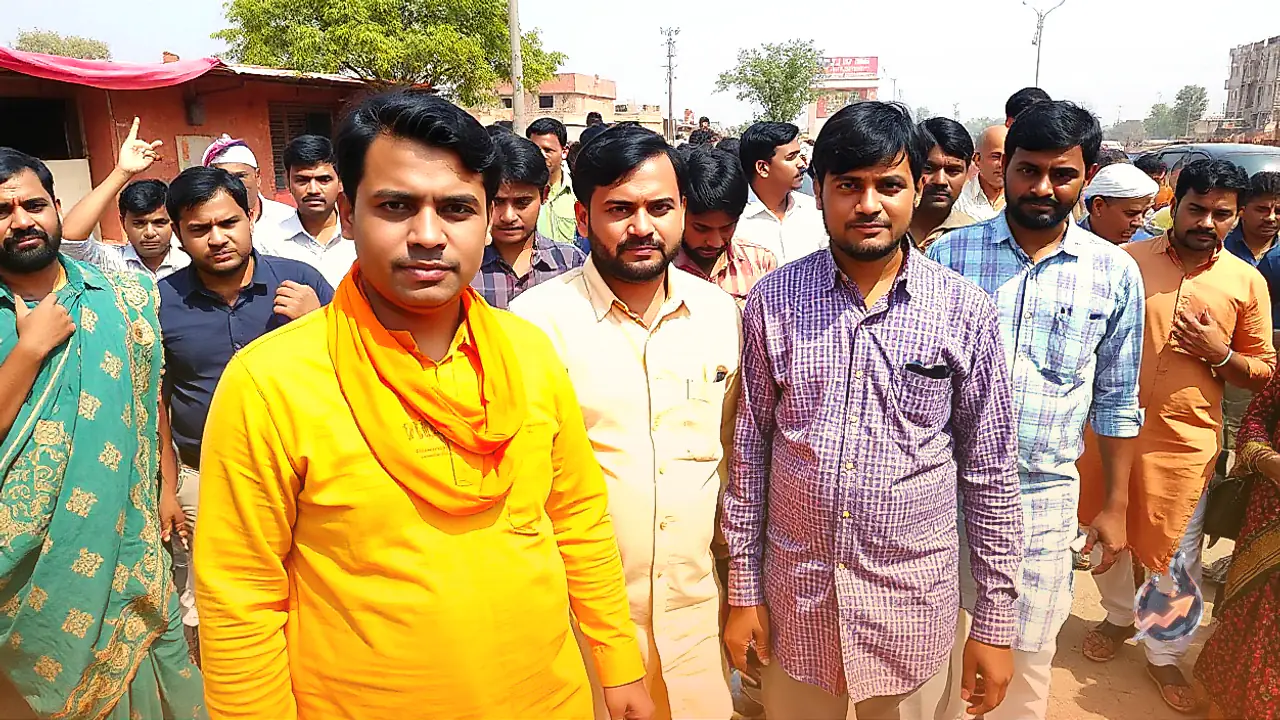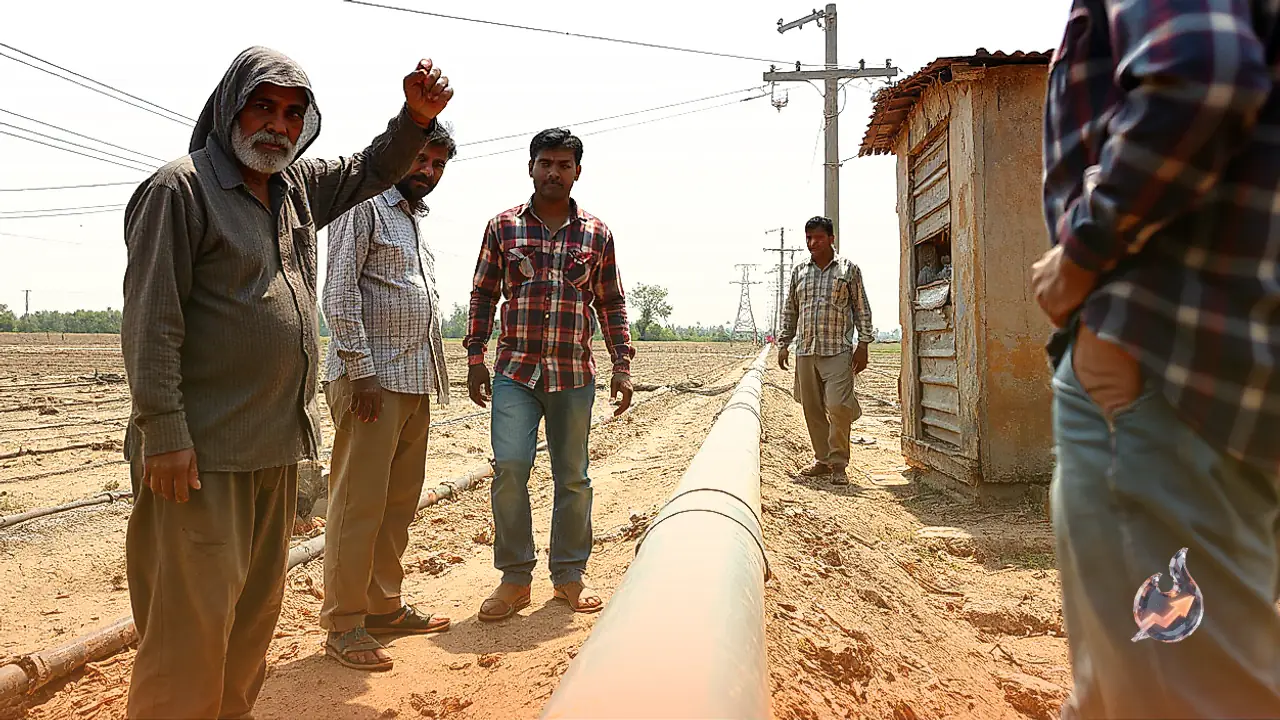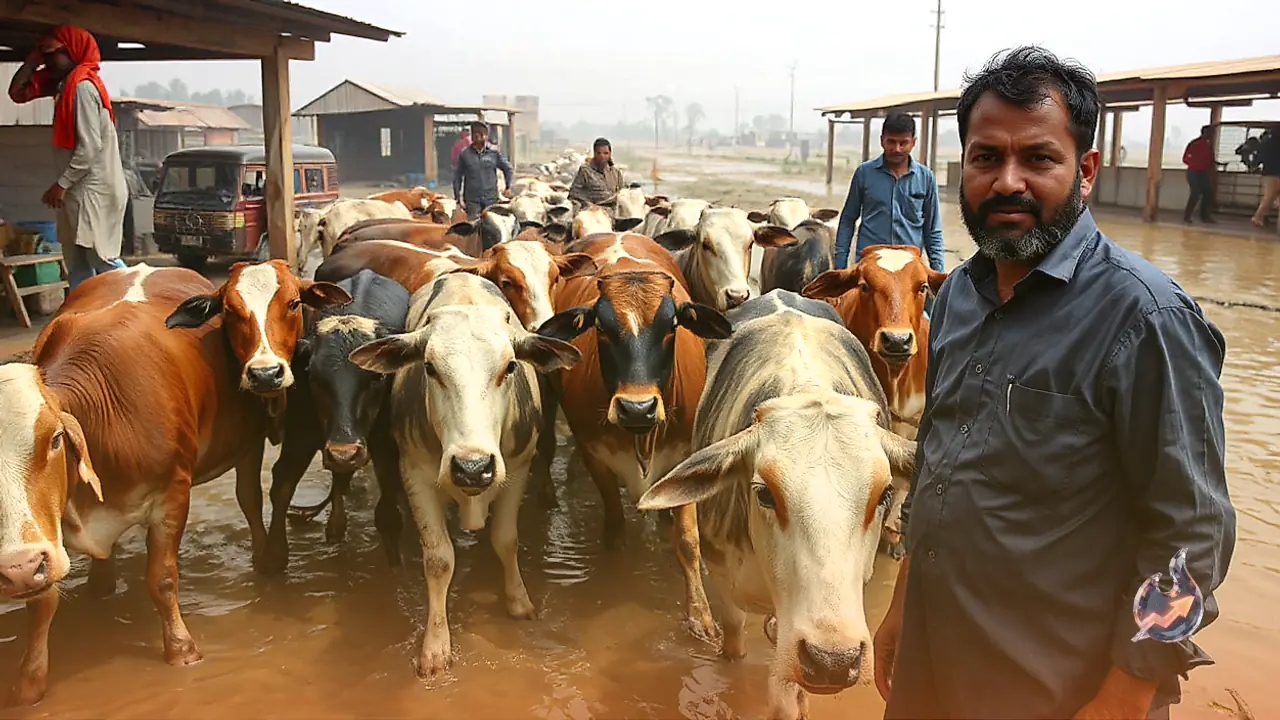



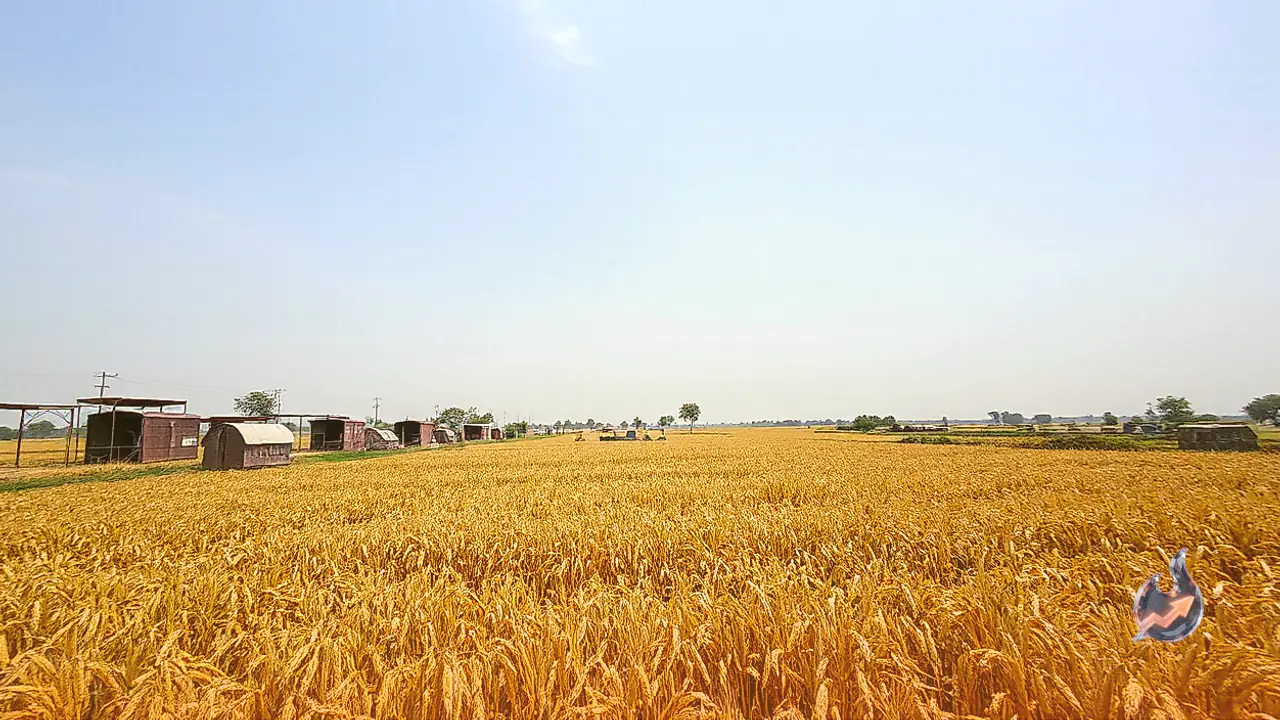
















Farmers across the opium-growing belts of Rajasthan are closely following the developments around the Opium Policy for the crop year 2026-27. Government projections indicate that 4,261 additional cultivators in the state could be granted official licences to cultivate the regulated cash crop. Should these figures materialize, the total count of licensed growers under the Rajasthan unit of the Central Bureau of Narcotics will rise to 53,403, up from the 49,142 farmers licensed during the previous season. The development is far more than a routine agricultural update, as opium cultivation in this belt is intertwined with household fortunes, strict regulatory scrutiny, and deeply entrenched regional religious beliefs.
Licensing Criteria and Cultivation Regulations
Securing an opium permit in India involves meeting stringent eligibility standards. Merely possessing agricultural land or pointing to a historical track record of growing opium does not confer an automatic right to receive a permit. Official allocations are finalized only after cross-referencing Central Bureau of Narcotics field documentation against criteria formally notified by the central government. The operational policy recognizes two distinct cultivation methodologies: the traditional gum opium method involving latex extraction through lancing, and the unlanced poppy straw method known as UPS. Both categories operate under separate land area limits and output thresholds.
Mandatory Area and Minimum Yield Benchmarks
Under the notified technical parameters for cultivation, minimum landholding thresholds have been established based on the chosen farming method. Farmers opting for the gum opium route involving incisions must possess a minimum agricultural plot of 0.10 hectares. For cultivators adopting the UPS technique, where the crop is harvested without lancing to collect raw poppy straw, the minimum land requirement is pegged at 0.05 hectares. Licensing eligibility also hinges on meeting explicit minimum yield performance benchmarks recorded during prior agricultural seasons.
For the 2026-27 licensing cycle, growers utilizing the lancing technique must show a qualifying minimum average yield of 4.4 kilograms of morphine per hectare from the 2025-26 crop season. On the other hand, cultivators operating under the UPS framework are required to meet a production benchmark of 800 kilograms per hectare of poppy straw. Only agricultural holdings meeting or exceeding these rigid administrative metrics are eligible for consideration when authorities compile final permit rosters.
The Tradition of Shri Savaliya Seth Temple
Across the Mewar tract of Rajasthan and the adjoining Malwa plains, opium farming shares an extraordinary cultural connection with the renowned Shri Savaliya Seth temple situated at Mandaphiya in Chittorgarh district. Dedicated to Lord Krishna, the shrine commands profound devotion from local cultivators. Farmers frequently pray at the sanctum for bountiful yields, protection from adverse weather, and the safety of their delicate crops. Whenever a harvest succeeds and fetches lucrative returns at government procurement centers, growers return to express their gratitude.
As part of regional tradition, many cultivators present offerings of raw opium or custom-crafted silver replicas of opium plants and poppy pods. Given the high financial stakes and vulnerability of the crop to pests and climatic fluctuations, farmers view the deity as a silent partner in their agricultural enterprise, turning seasonal devotion into an enduring cultural custom.
Vows Fulfilled and Past Regulatory Interventions
The temple has witnessed remarkable instances of vows being fulfilled by farming households. In February 2026, one family offered silver poppy pods at the shrine following the resolution of a vow that spanned nearly 28 years. The family had lost two cultivation licences when authorities cancelled them back in 1995-96. After petitioning the deity for reinstatement, the family saw both permits restored in 2025, prompting them to travel to Mandaphiya to offer the silver models in thanksgiving.
Direct offerings of raw opium have also generated regulatory actions in the past. In February 2025, the shrine came under public scrutiny when routine audits revealed substantial quantities of raw opium accumulated inside the temple premises from years of devotee offerings. Teams from the Central Bureau of Narcotics intervened, officially taking custody of more than 58 kilograms of accumulated raw opium to ensure compliance with strict narcotics custody statutes.
Huge Offerings at the Mandaphiya Shrine
Beyond traditional agrarian offerings, the Savaliya Seth temple routinely records massive financial contributions from devotees. Periodic counts of the shrine's donation boxes reveal substantial collections of cash, gold, and silver. During the monthly counting exercise conducted in June 2026, authorities tallied cash donations exceeding 40 crore 81 lakh rupees, alongside quantities of precious metals. This followed another massive collection in April 2026, when monthly donation counters recorded over 41 crore 67 lakh rupees in cash.
While temple administrative records do not segregate donations contributed specifically by opium growers from the general pilgrim pool, the sheer magnitude of temple receipts reflects the economic vitality of the surrounding agricultural landscape. As the 2026-27 opium policy creates fresh economic possibilities for thousands of farming households, the enduring bond between field yields and spiritual offerings at Mandaphiya continues to define Rajasthan's rural heartland.