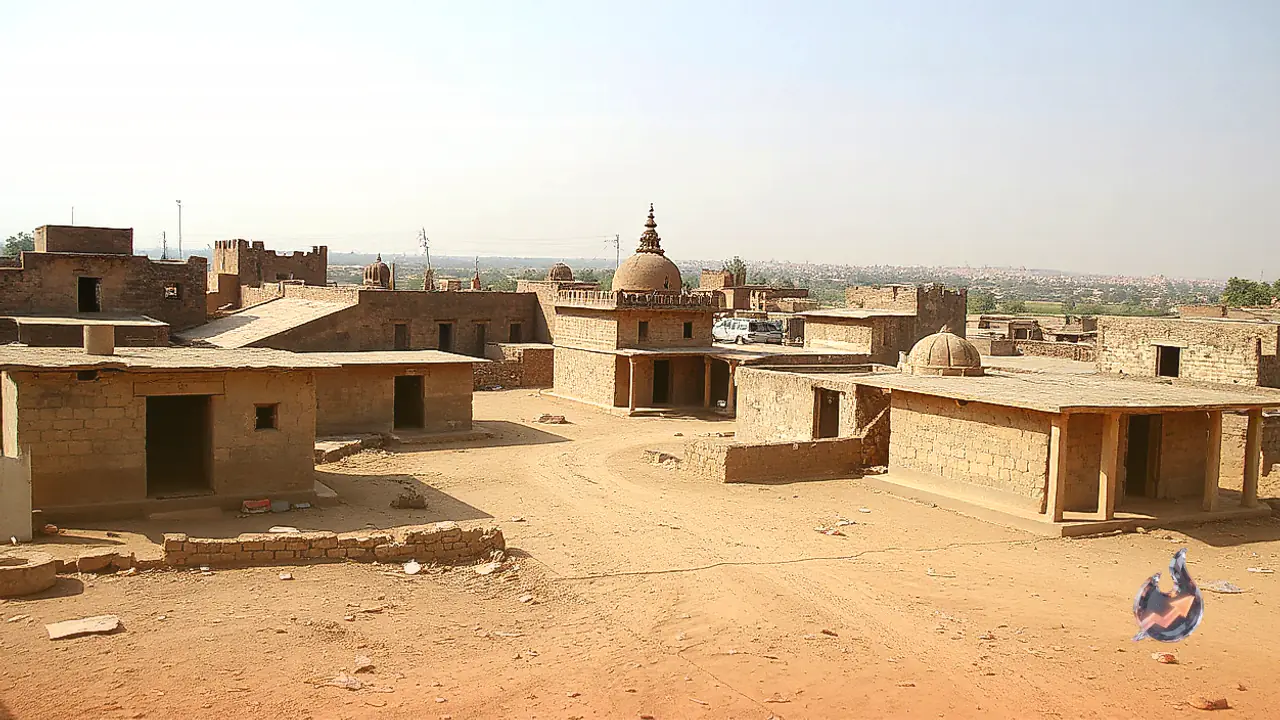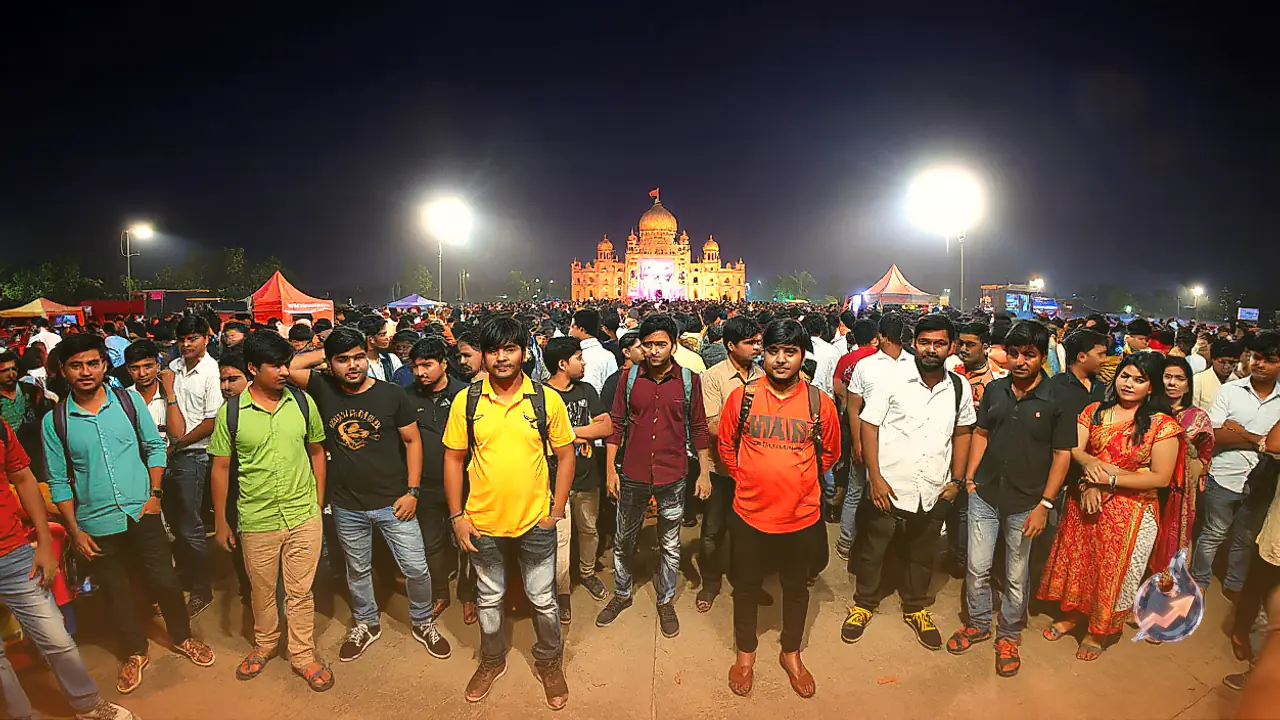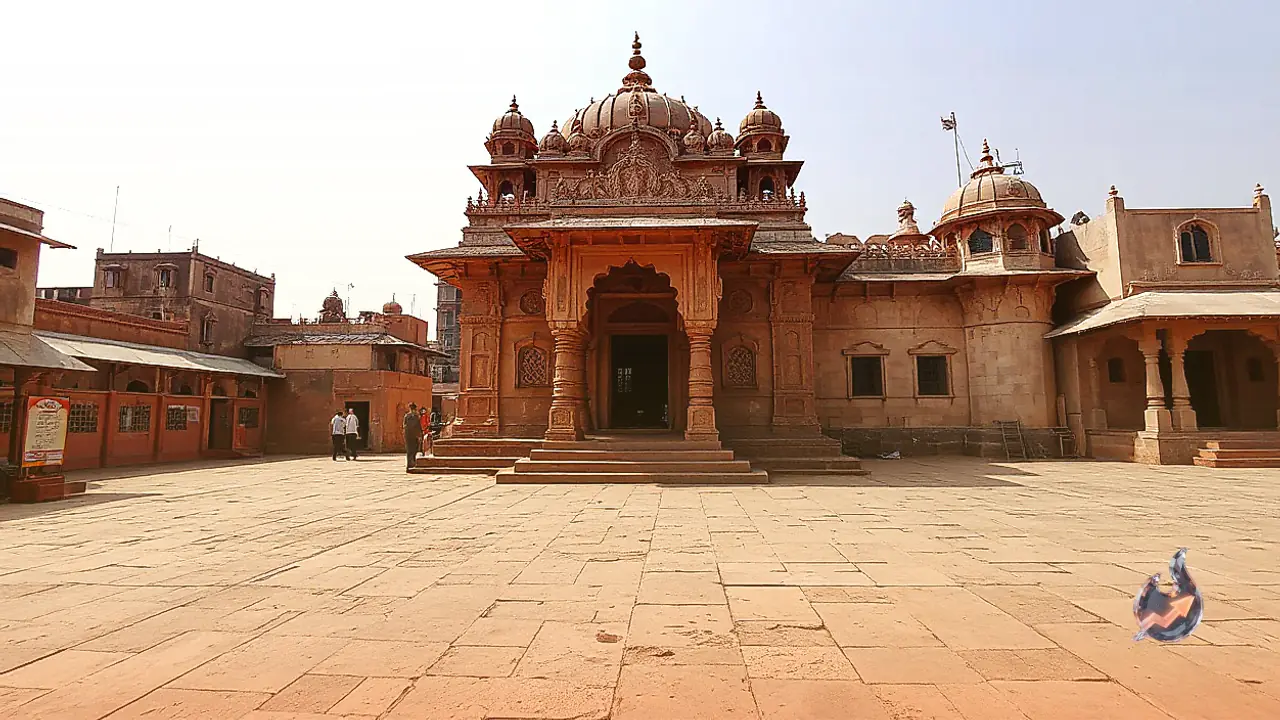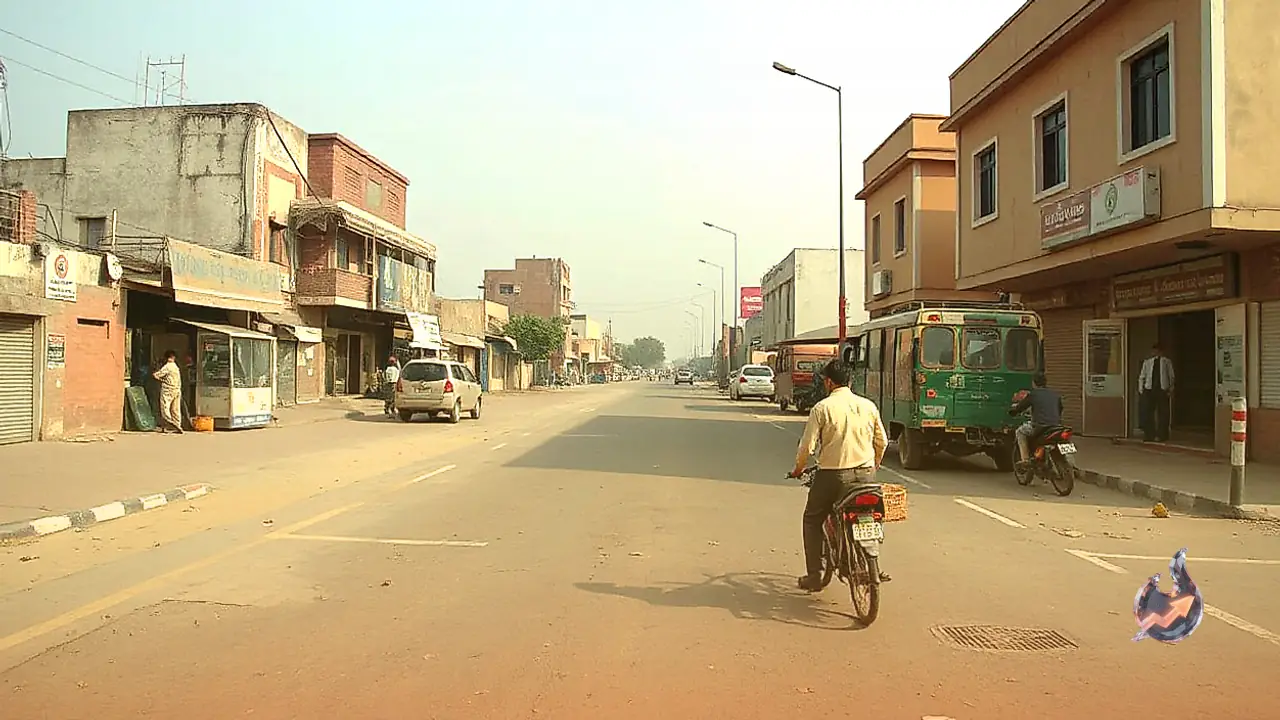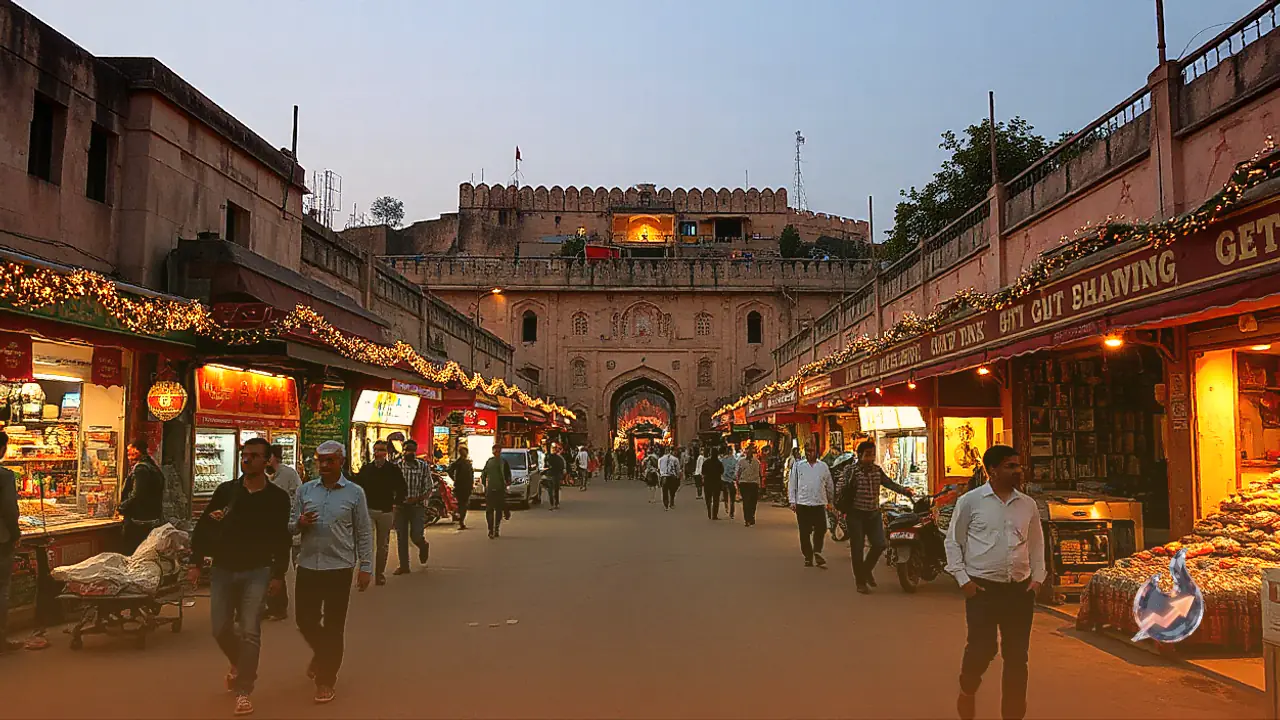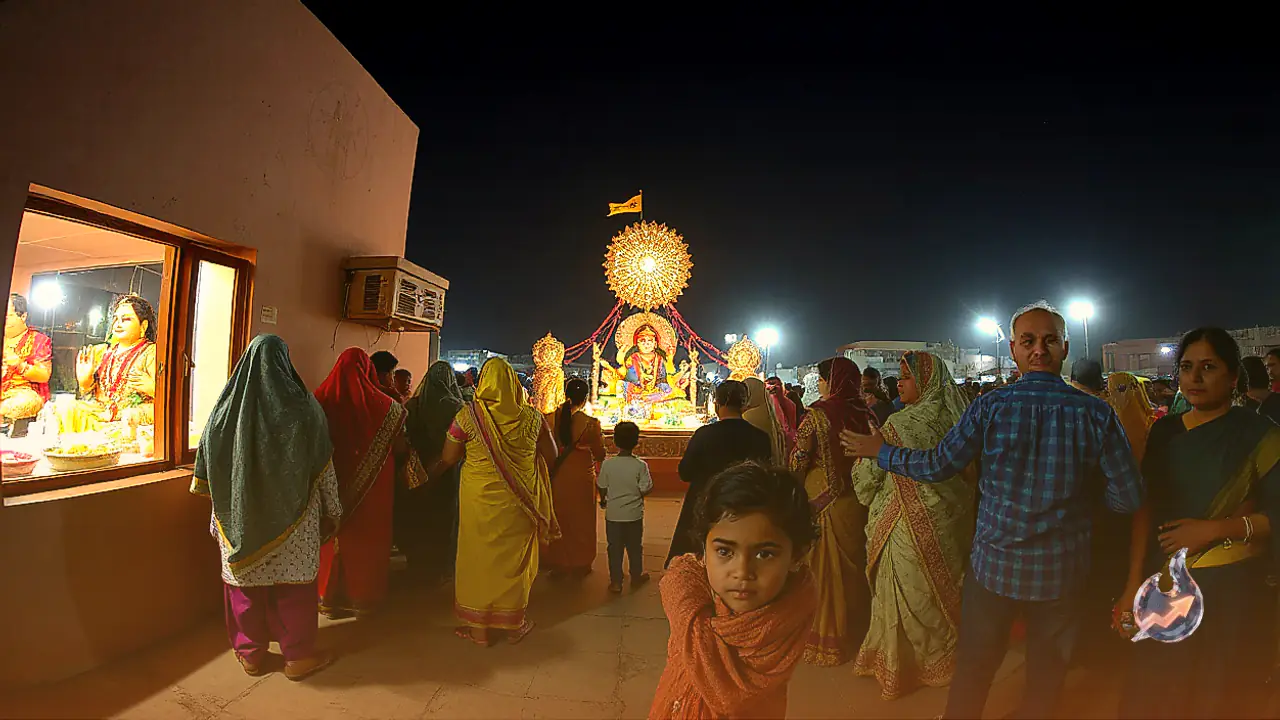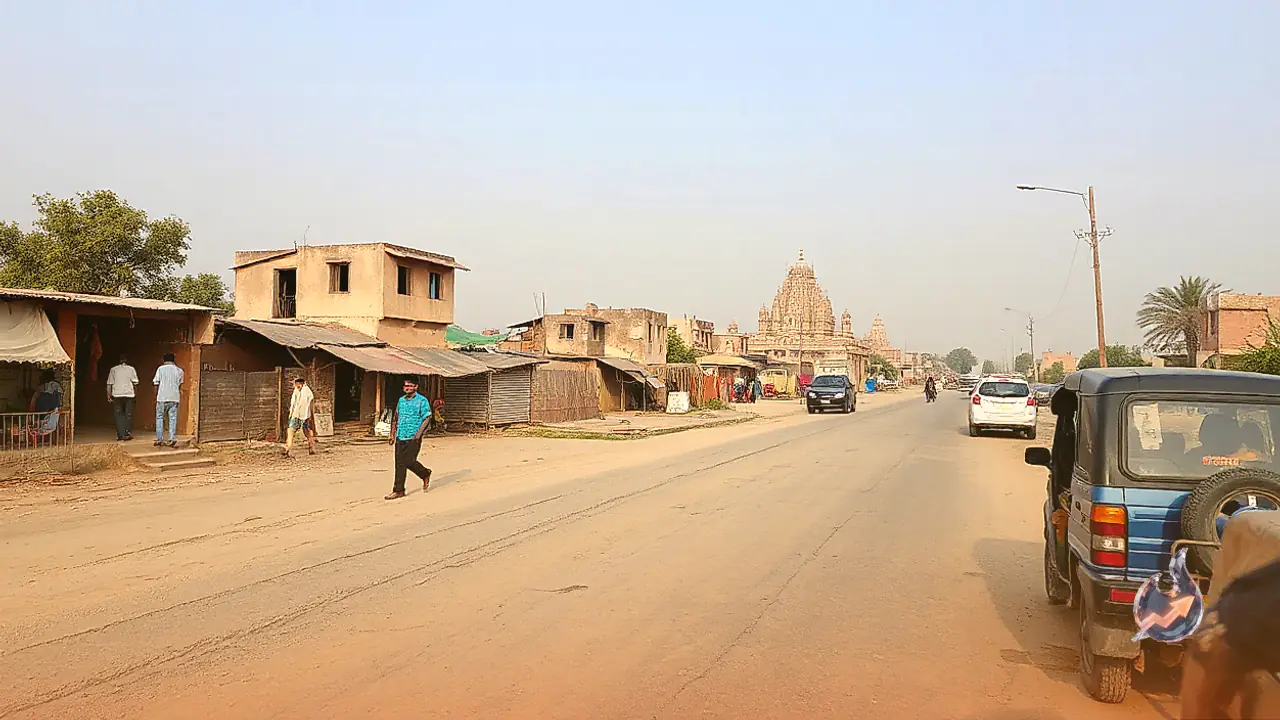
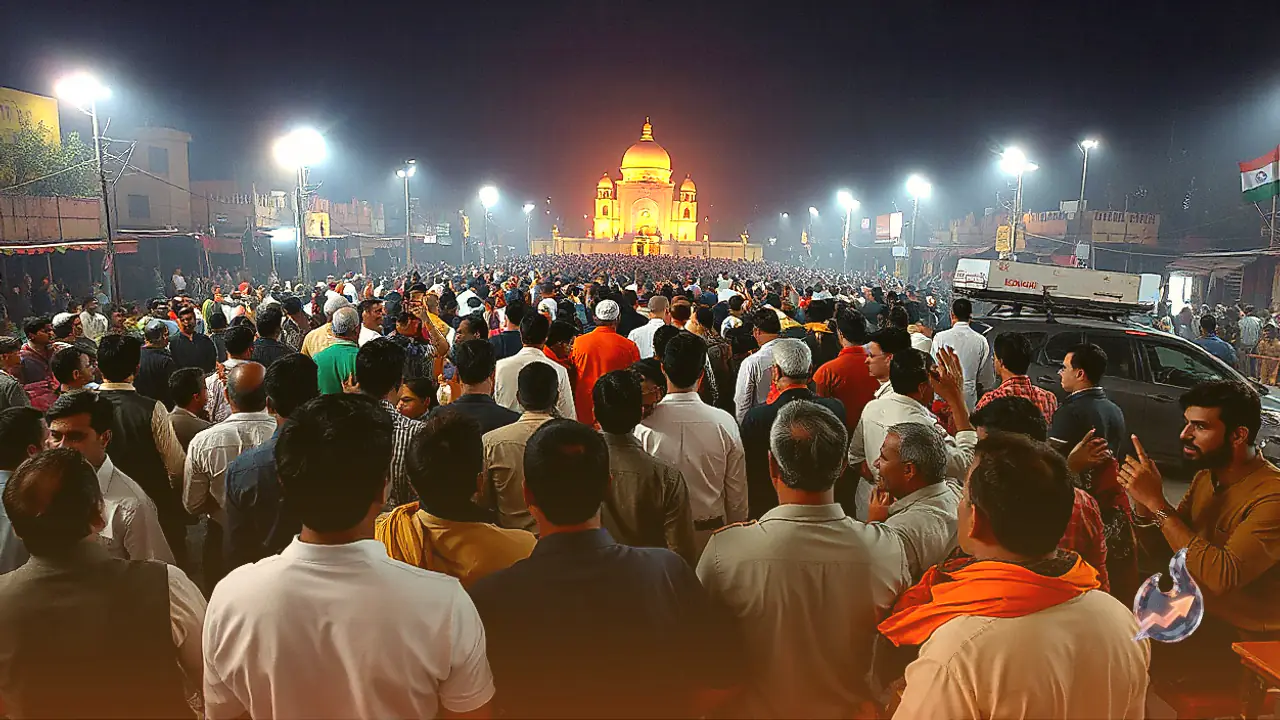
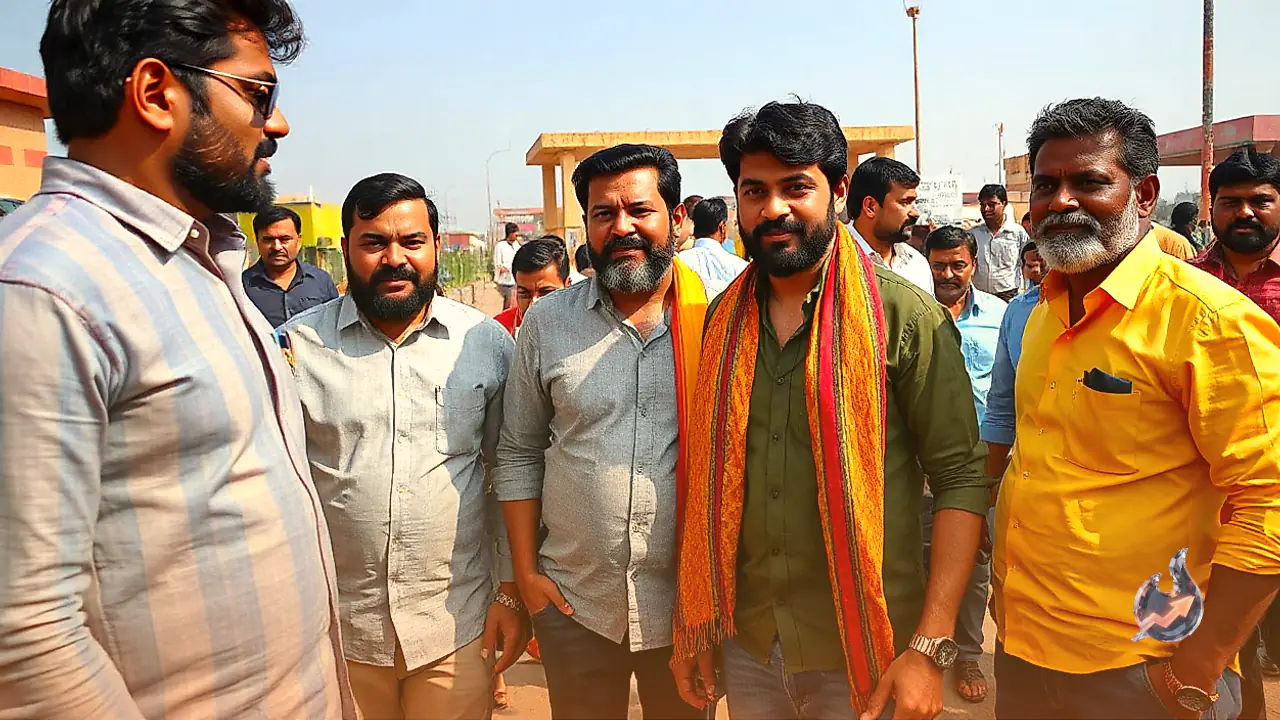
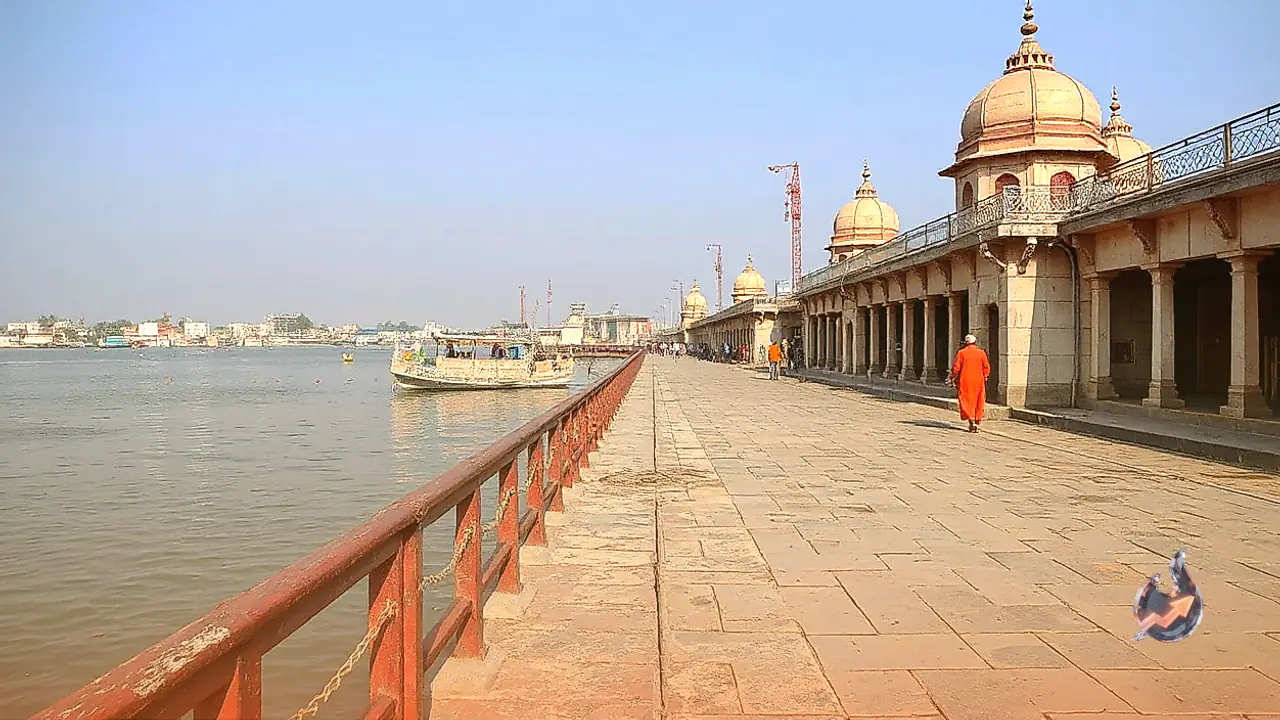















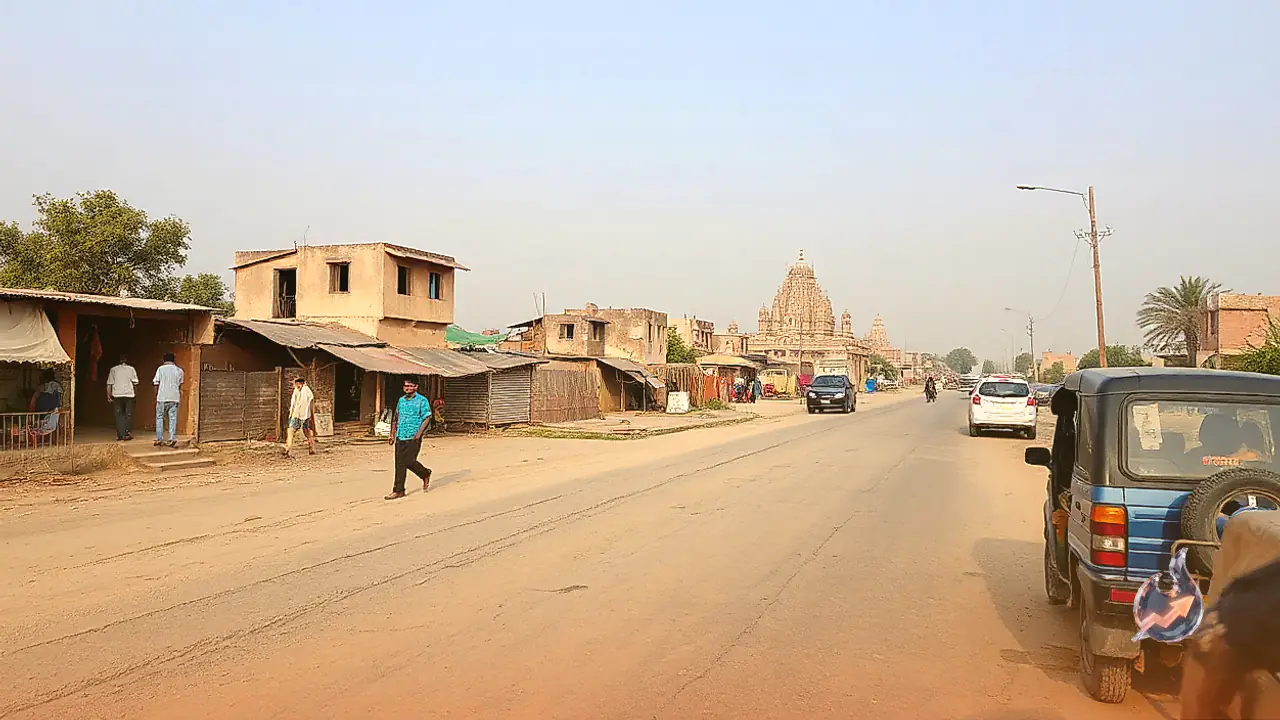

Situated roughly 10 kilometers away from the town of Bissau in Rajasthan's Shekhawati belt, Gangiyasar stands out as an inspiring portrait of rural resilience, shared faith, and progressive economic mobility. Home to a population of approximately 9,500 people, the settlement bridges ancestral agrarian customs with modern international opportunities. While the village's identity remains deeply anchored in the folklore surrounding its historic Raimata temple, close to one thousand young residents working abroad in Gulf countries have significantly fortified family finances and bolstered the domestic economy.
The Folklore of Raimata Temple and Deep Regional Reverence
At the center of spiritual life in Gangiyasar stands the revered shrine of Raimata, an altar that continues to draw devotees from far and wide during its festive annual fair. The sacred heritage of this sanctuary is encapsulated in a widely recited regional couplet celebrating the mother deity of Gangiyasar for rescuing a devotee by turning a bull into a cow.
According to age-old local lore, a thief stole a bull from another settlement and fled into Gangiyasar. Finding the owner in close pursuit and sensing imminent capture, the panicked thief tethered the stolen animal outside the Raimata shrine, rushed into the sanctum, and pleaded before the deity for sanctuary. Believers recount that the deity answered his prayer by transforming the bull into a cow, removing any visible evidence of theft. Following this miraculous occurrence, veneration for Raimata deepened immensely across the countryside, establishing the shrine as an enduring regional beacon of faith.
Agrarian Roots Supported by Remittances from Gulf Workers
The contemporary economic landscape of Gangiyasar rests upon a potent twin engine of agrarian output and overseas remittances. Around 1,000 young men from the village are currently employed across various Gulf nations. The income they regularly transfer back home has raised household living standards, funded local home construction, and injected reliable liquid capital into local commerce.
Alongside foreign job opportunities, cultivation remains a dependable cornerstone of everyday sustenance. Local farmland yields substantial harvests of pearl millet (bajra), wheat, gram (chana), moong, cluster beans (guar), and mustard. This symbiotic balance between traditional farming cycles and foreign wage earnings provides the village with sustained financial stability through varying seasons.
Philanthropy by Merchant Families and Strides in Education
Public infrastructure throughout Gangiyasar owes much to the long-standing philanthropy of local Mahajan families. Mainpal Singh Shekhawat, a member of the village's traditional ruling lineage (raj thikana), noted that merchant households funded the establishment of public school buildings, the local hospital, and an accommodating guest house (atithi bhavan) for travellers.
These benefactor families also contributed private capital to lay drinking water pipelines and illuminate village lanes with street lighting. Coupled with these educational facilities, the community has seen remarkable academic milestones, producing 15 qualified doctors who currently practice both within India and abroad. Furthermore, residents from the village occupy key responsibilities across the armed forces, police departments, administrative services, academia, and banking sectors.
Communal Harmony Across Muharram and Folk Festivities
Perhaps the most defining characteristic of Gangiyasar is its enduring interfaith solidarity between Hindu and Muslim neighbors. During the solemn observance of Muharram, Hindu families participate openly and respectfully in the Tazia procession. Under a cherished regional custom, Hindu mothers gently carry their newborn infants beneath the passing Tazia to seek blessings for good health and protection against illness.
This reciprocal goodwill extends naturally to the festivities at the Raimata annual fair. During the traditional wrestling tournament (dangal) hosted on the temple grounds, Muslim grapplers actively compete in the bouts and often step forward to serve as impartial referees. Additionally, volunteers from diverse backgrounds cooperate to arrange stalls offering complimentary drinking water and cooling refreshments to visiting pilgrims.
Royal Courtyard Traditions of Holi and Gangaur Celebrations
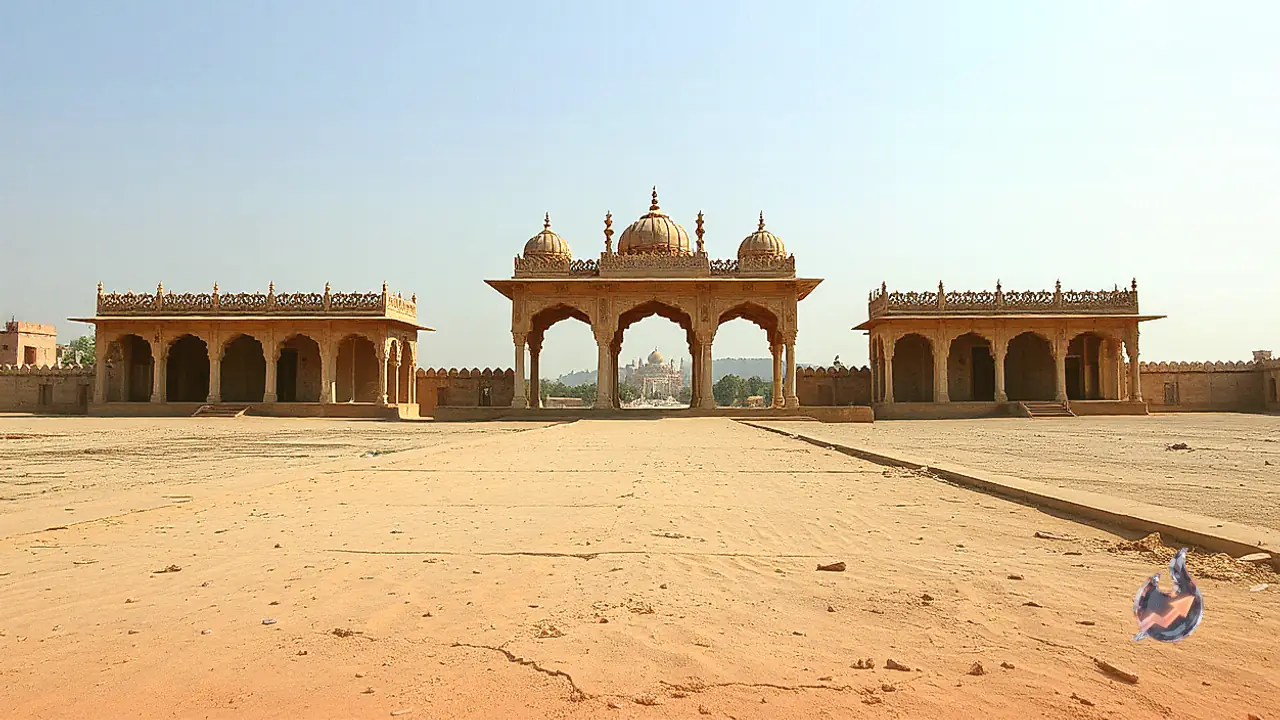
Folk heritage comes alive each spring within the historic courtyard of the village fort. During Holi festivities, the former royal household hosts seven continuous days of vibrant chang music and traditional gindad dancing. Village resident Pramod Prajapat explained that the ceremonial Holika Dahan bonfire is lit inside the historic fort grounds.
A similar reverence marks the festival of Gangaur, when the regal procession of the idols departs the fort complex accompanied by traditional ceremonial retinue, instrumental music, and local celebration. These centuries-old practices keep ancestral cultural traditions vibrant across successive generations.
Unresolved Civic Grievances and Healthcare Deficits
Despite significant social progress and private prosperity, several basic administrative shortcomings continue to trouble residents. Local villager Iqbal Khan pointed out that the absence of a proper drainage infrastructure causes stormwater and domestic wastewater to stagnate in public spaces for extended periods, creating hygienic concerns.
Moreover, the local government dispensary is currently operating without a stationed medical officer. The vacant doctor post forces families to travel to neighboring towns and urban centers for standard medical diagnoses and emergency care, causing preventable logistical and financial hardship that villagers hope authorities will resolve promptly.