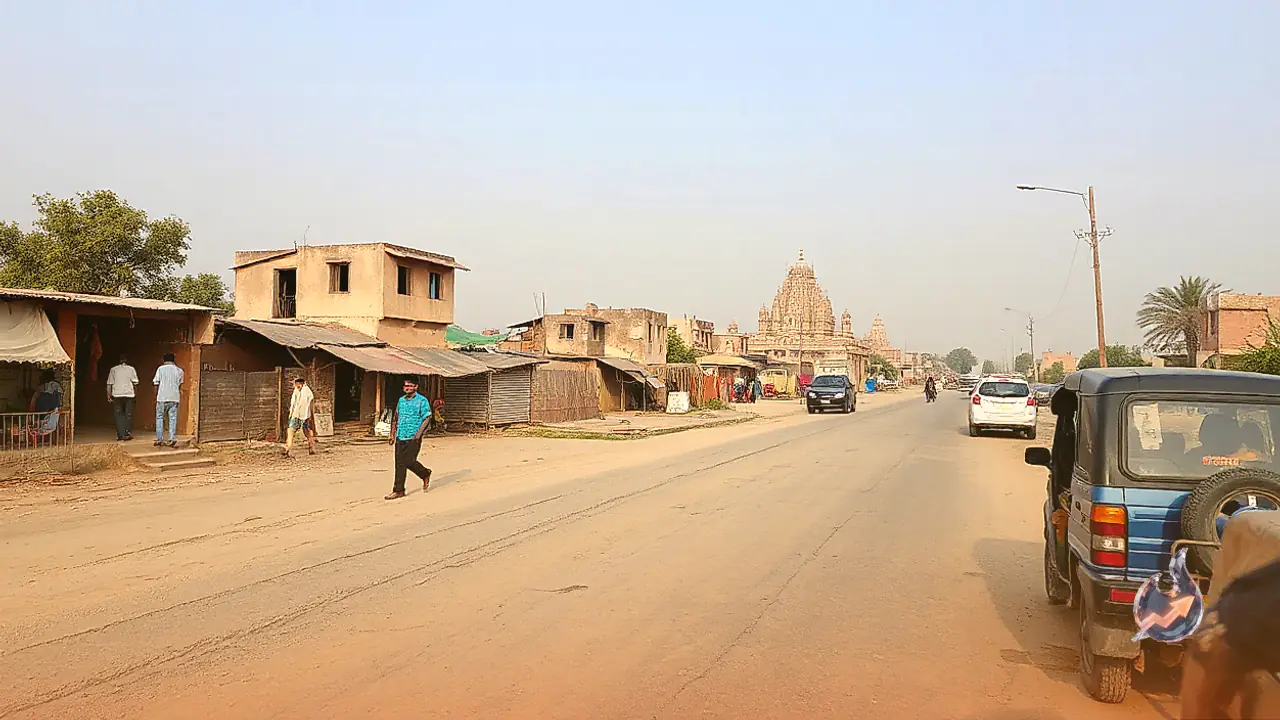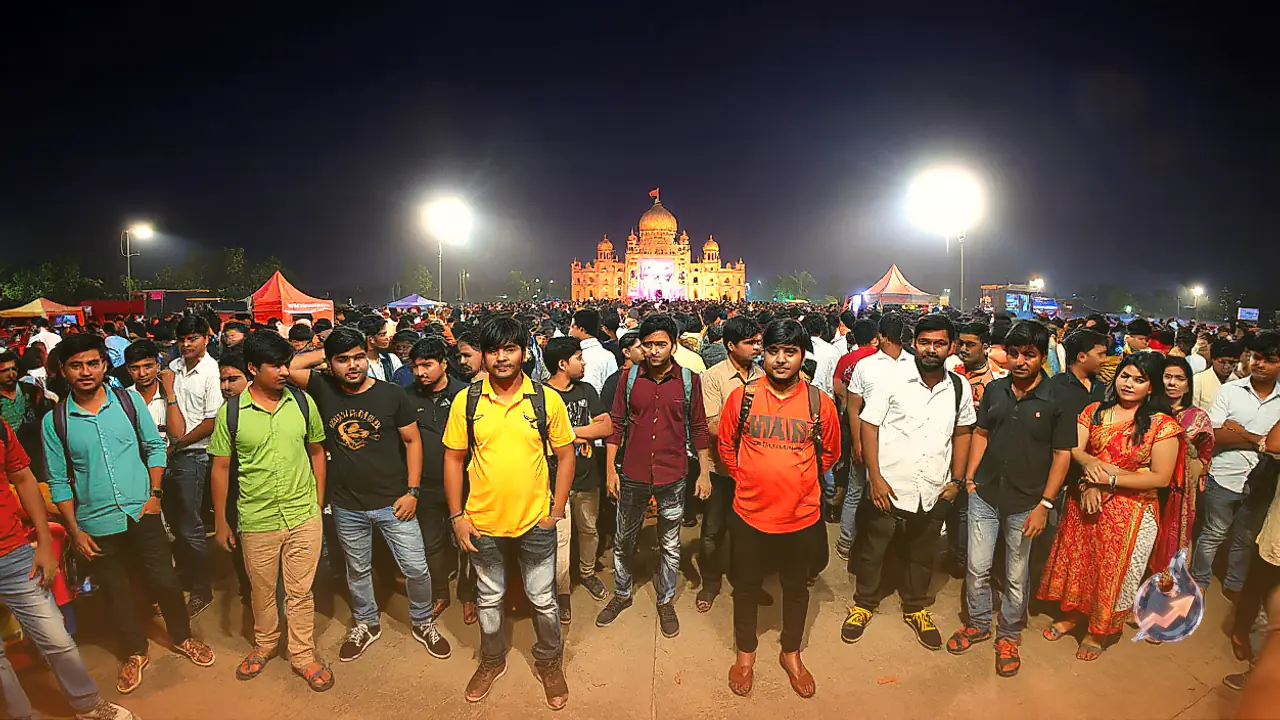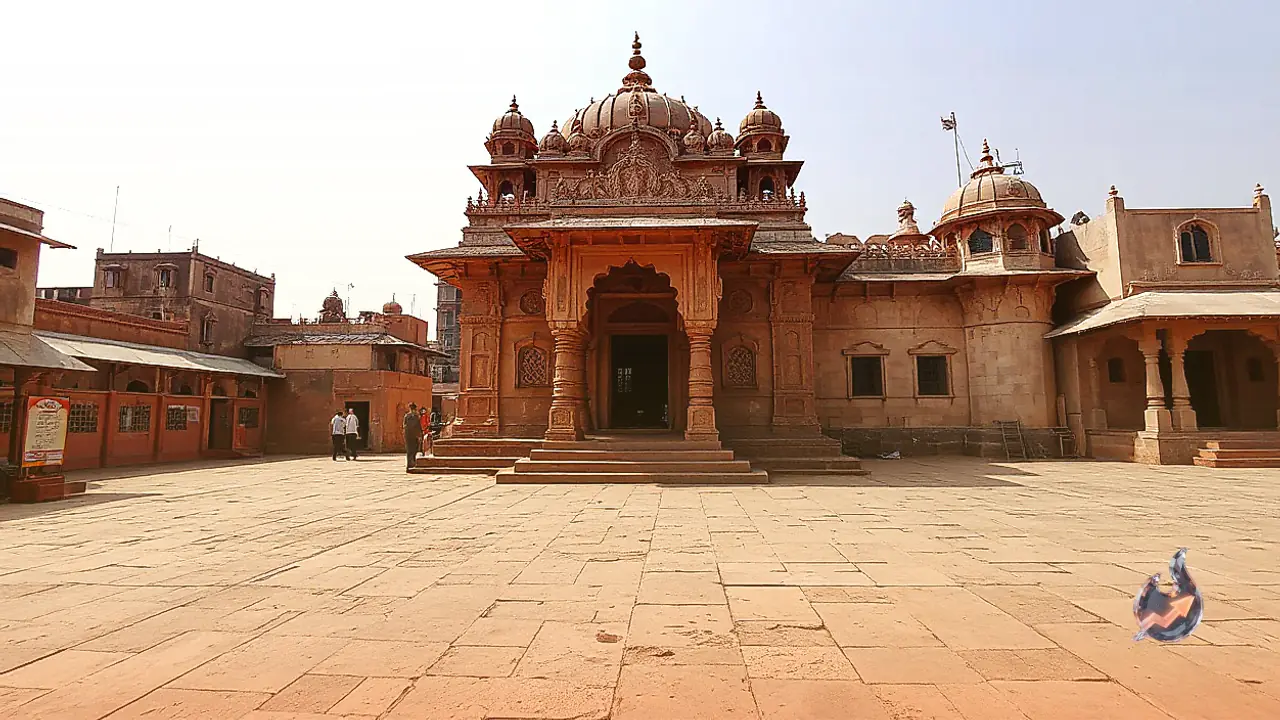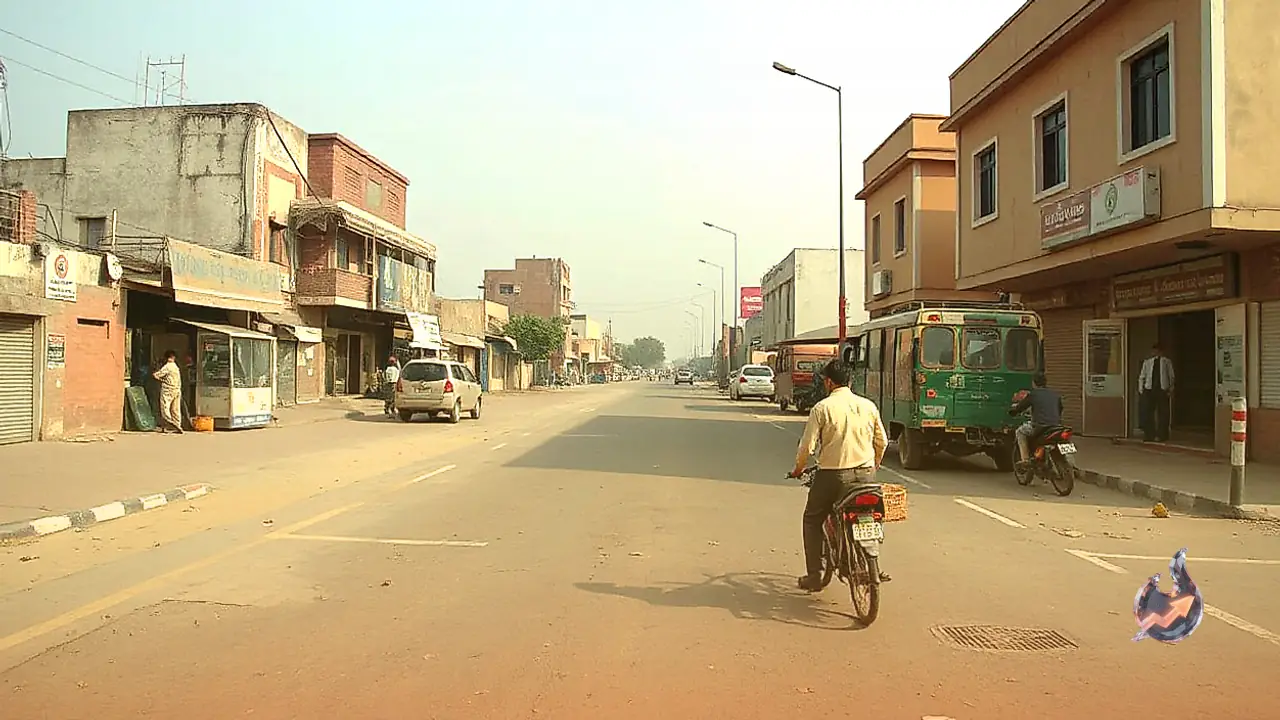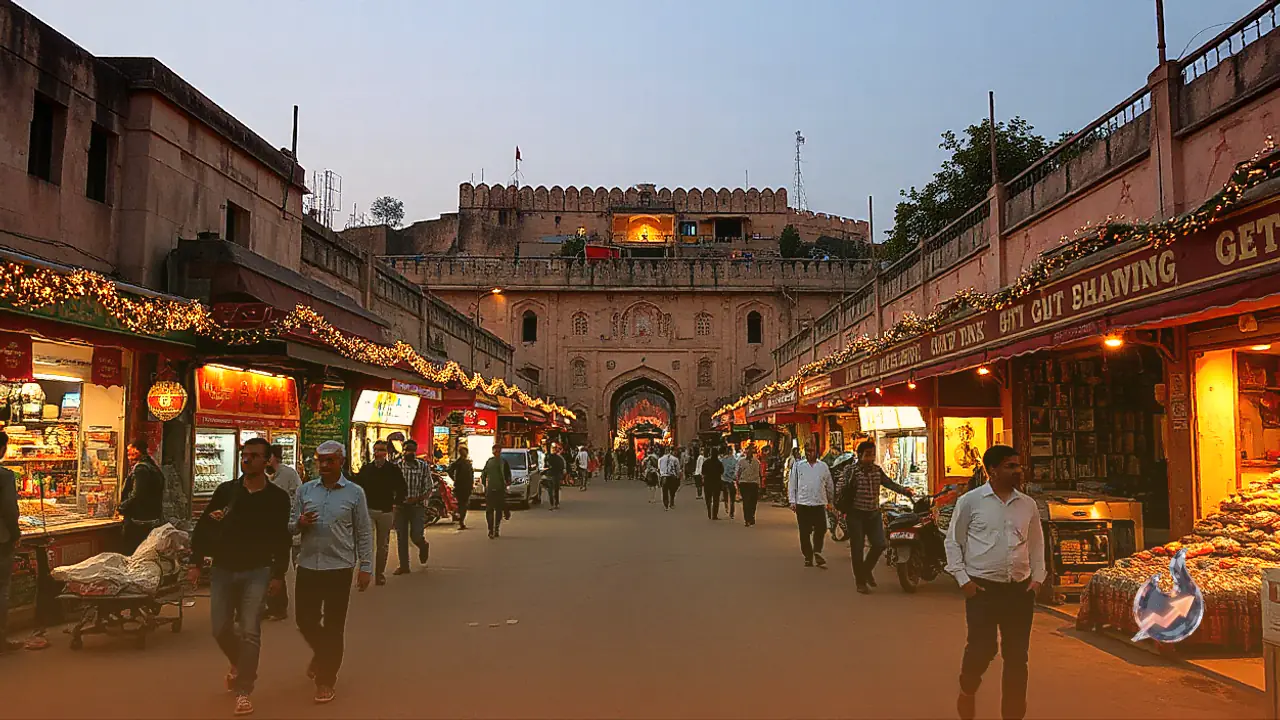
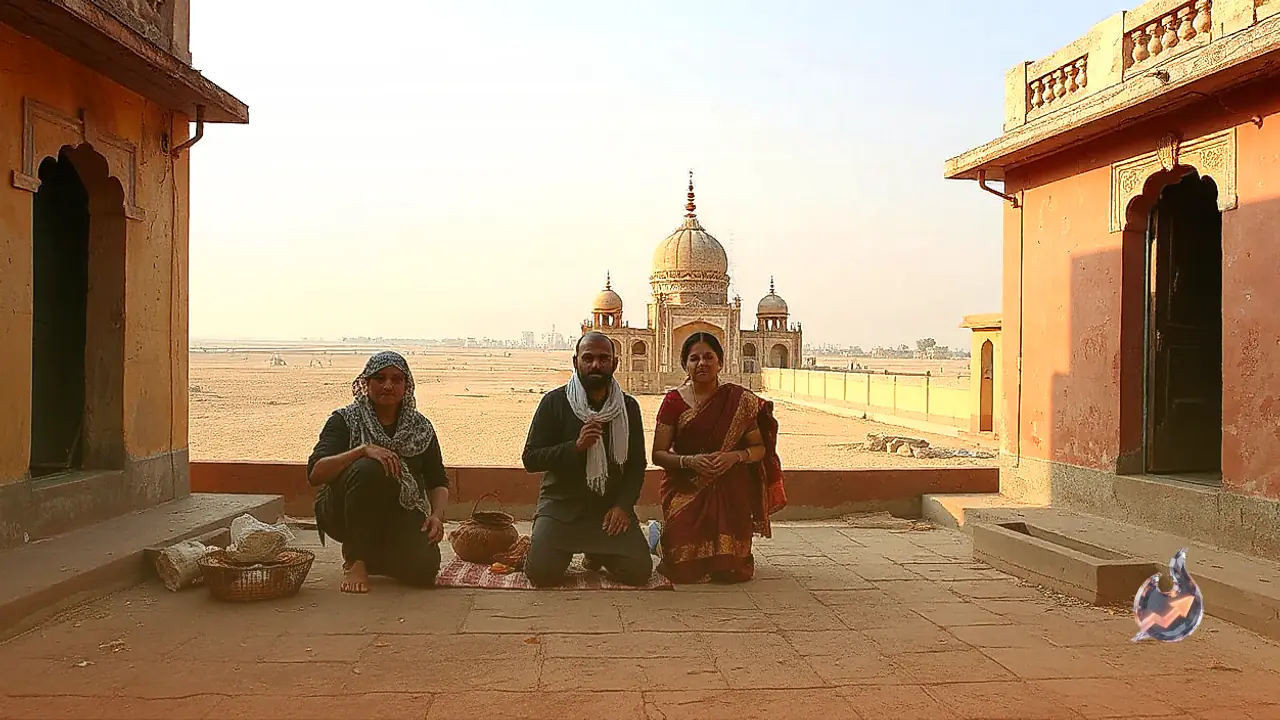
















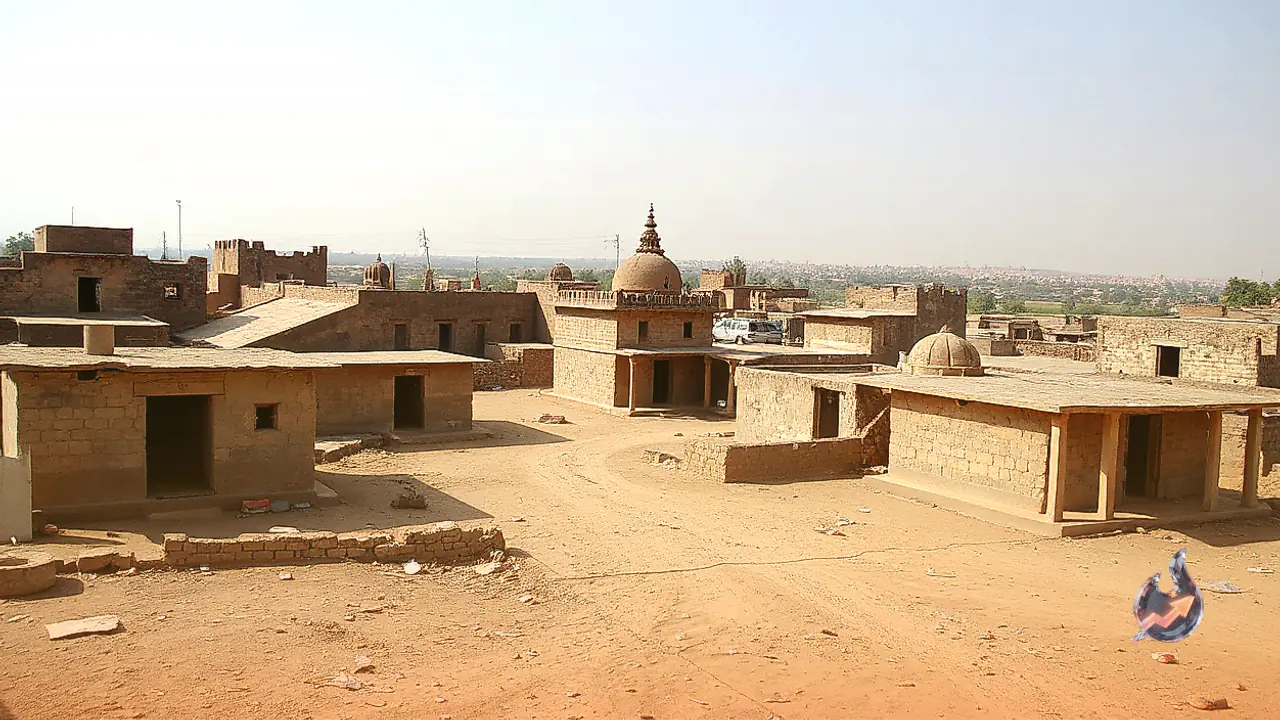

Nestled amid the semi-arid dunes of the Shekhawati tract, Jakhal presents a rare blend of living history, communal solidarity, and grassroots philanthropy. Situated roughly 30 kilometres away from the district headquarters, this settlement of about 7500 residents has preserved its founding heritage while demonstrating how modest individual contributions can build an enduring support system for the underprivileged. Rather than relying on sporadic external charity, the township has anchored its identity around mutual cooperation, public service, and disciplined civic life.
Daily Single-Rupee Savings Delivering 25 Lakh in Assistance
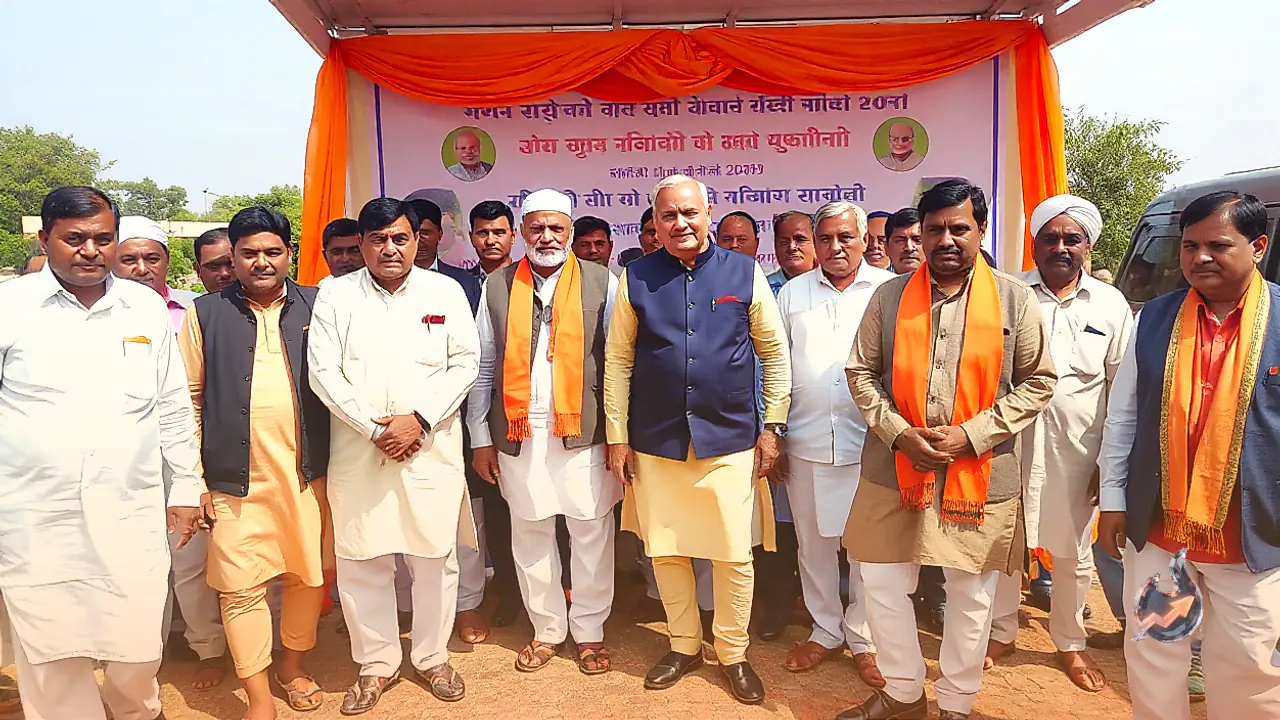
The township's approach to social welfare relies on steady, widespread civic participation. Around two decades ago, a local voluntary outfit named Mera Sankalp introduced an egalitarian fundraising concept centered on the rule of one person, one day, one rupee. Under this framework, participating villagers set aside a single rupee every day into a shared welfare pool. Over the years, the initiative expanded organically, bringing roughly 700 contributing members into its fold.
While an individual daily outlay of one rupee remains negligible, pooling it across hundreds of households creates a dependable pool of capital. Through this cumulative kitty, the organization has extended approximately 25 lakh rupees in financial relief to needy families across the township. Instead of waiting for massive philanthropic grants from wealthy patrons, the community mobilized hundreds of ordinary residents to protect vulnerable neighbours during emergencies, proving the strength of collective micro-savings.
Salhadi Singh Shekhawat's Victory and the Teej Tradition
Jakhal traces its organized settlement back roughly three centuries. Historical records indicate that on August 9, 1732, corresponding to the Shravan Shukla Tritiya date of Vikram Samvat 1789, Salhadi Singh Shekhawat secured military victory over Jakhal. That strategic triumph became a turning point in the settlement's history, and the calendar date gradually evolved into an enduring cultural anchor for the entire surrounding countryside.
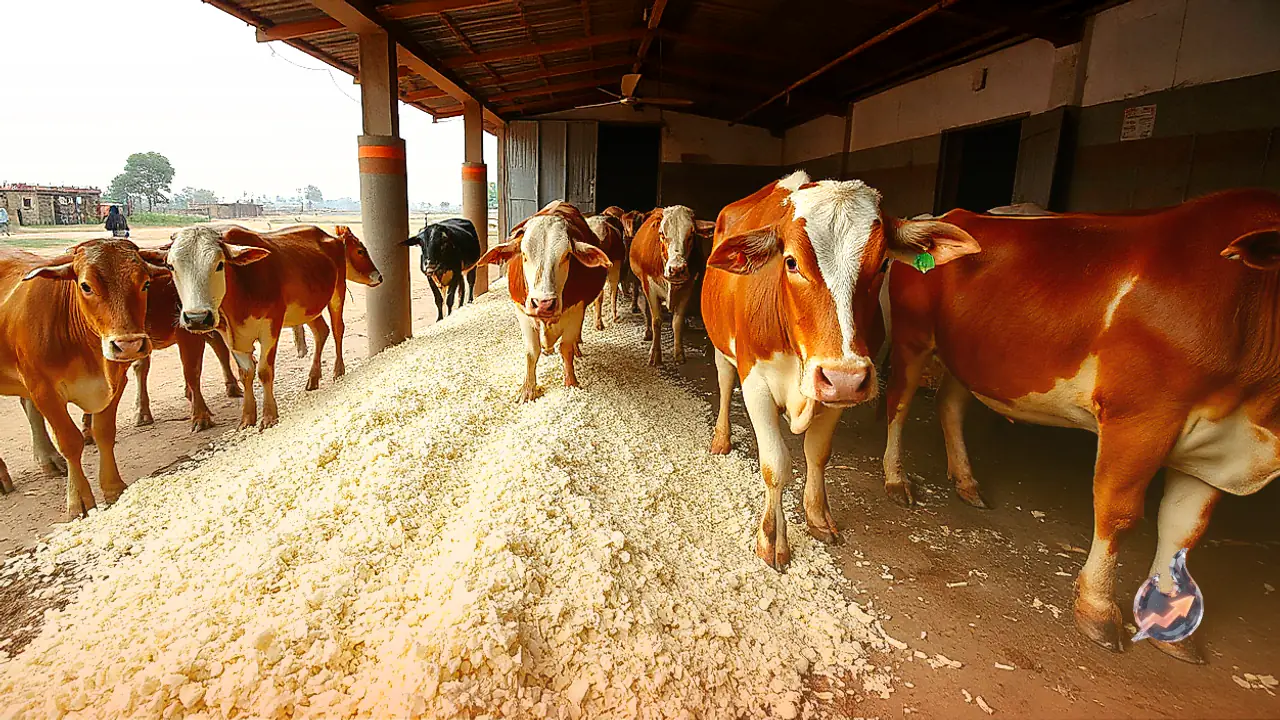
Every year on Shravan Shukla Tritiya, the town observes its traditional Teej fair, attracting large gatherings of devotees and visitors from neighbouring hamlets. Alongside this festive gathering, Jakhal serves as the historic seat of spiritual penance associated with ascetic Baba Sundardas. A dedicated cow shelter operating in memory of Baba Sundardas forms the nucleus of the township's spiritual gatherings and animal welfare activities, sustaining age-old Shekhawati customs.
Religious Harmony and Diverse Shrines
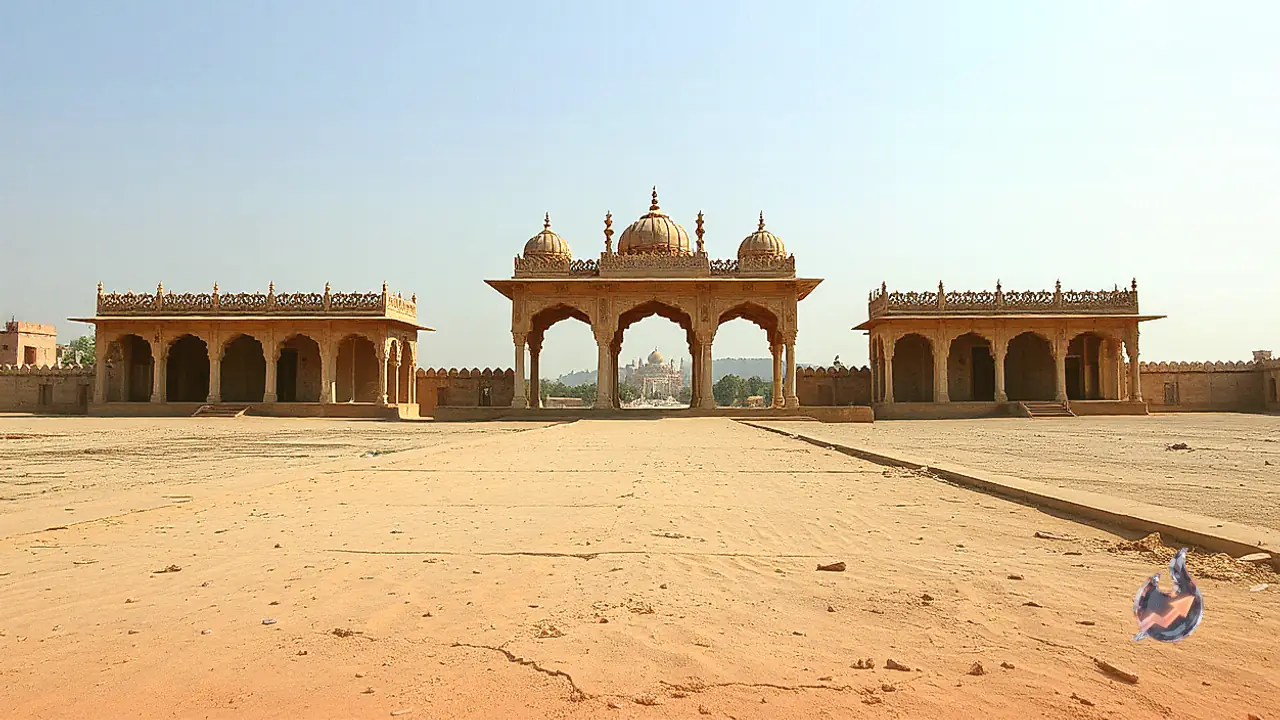
The township features an expansive array of spiritual institutions reflecting broad religious tolerance. Local heritage sites include the chhatri memorial of Baba Sundardas alongside Darshan Ashram, which draws practitioners of contemplative disciplines. Prominent Hindu shrines dotting the town include the Shri Shakti temple, Gopinath temple, Shri Ram temple, and Balaji temple, each serving local worshippers.
Alongside these shrines, the Markaz mosque stands as a testament to the diverse spiritual fabric of Jakhal. Residents from varied backgrounds coexist within the settlement, maintaining cordial ties across communal lines. This shared cultural reverence and everyday mutual respect remain central to the township's civic reputation throughout Rajasthan.
Military Sacrifice and Public Sector Careers
Belonging to the famed martial landscape of Jhunjhunu district, Jakhal holds a notable record of national defence service. Two soldiers hailing from the settlement, Ajay Kumawat and Kuldeep Meena, made the supreme sacrifice while serving on national security duties. The martyrdom of both servicemen remains an enduring touchstone of courage and civic pride for the village youth.
Beyond military enlistment, local professionals occupy key responsibilities across civil governance. Residents are widely employed in state departments covering policing, school education, public health services, electricity distribution boards, water works, and revenue administration. This broad public sector presence provides stable economic foundations alongside a strong civic voice.
Infrastructure, Schools, and Farming Livelihoods
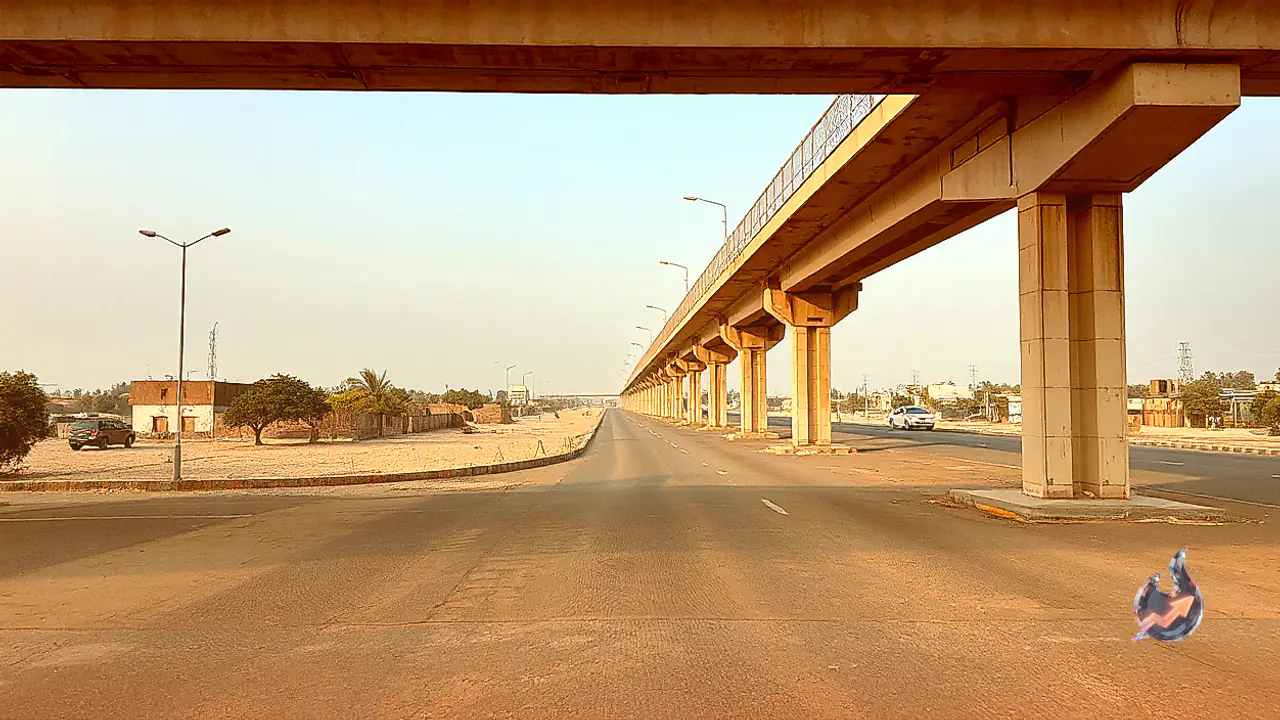
Located 18 kilometres from the sub-divisional center of Nawalgarh, Jakhal benefits from four-way road connectivity linking it across the region. To alleviate vehicle congestion and streamline transport routes passing through the main settlement, civic planners laid out bypass roads at both outer edges of the town, ensuring smooth vehicular movement.
Educational infrastructure includes dedicated government senior secondary schools operating separately for boys and girls. Medical requirements are handled by a local community health center, while livestock owners rely on an in-town veterinary hospital. The settlement is also equipped with formal banking branches and a post office. Economically, agriculture remains the central pillar, with farmers cultivating both Rabi and Kharif crops across seasonal cycles, supplemented by bustling retail trades and neighborhood commerce.