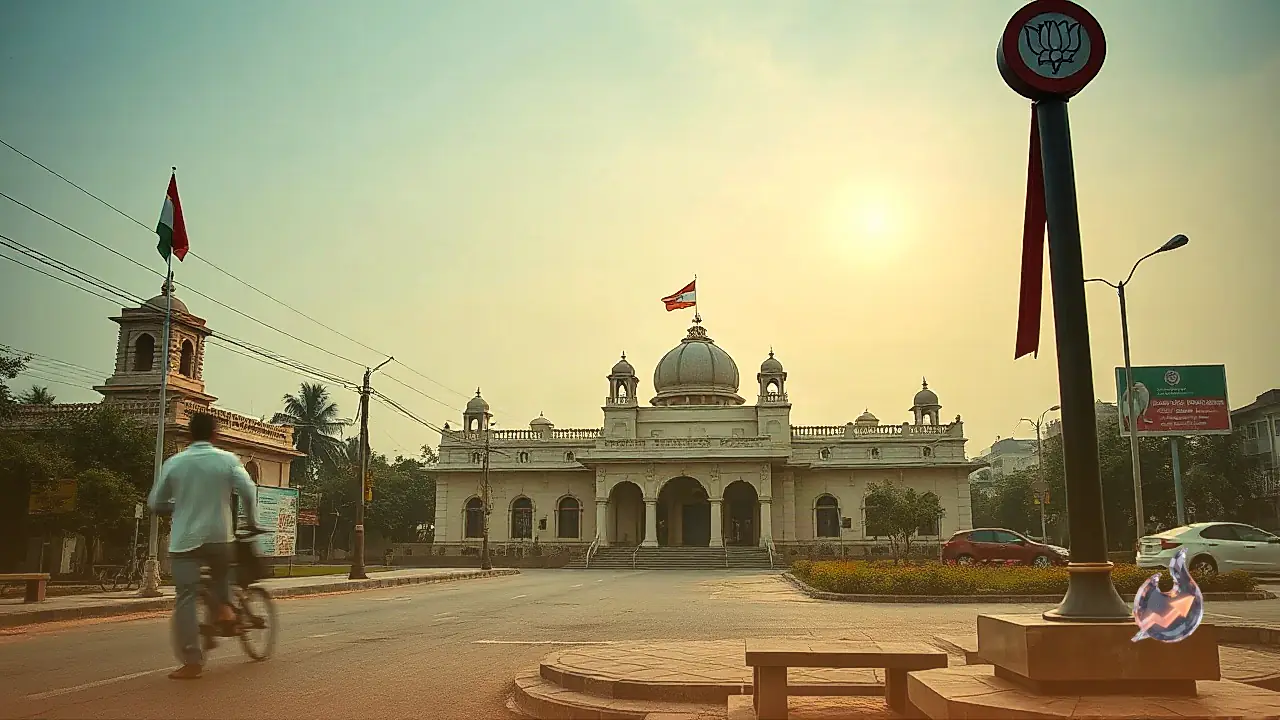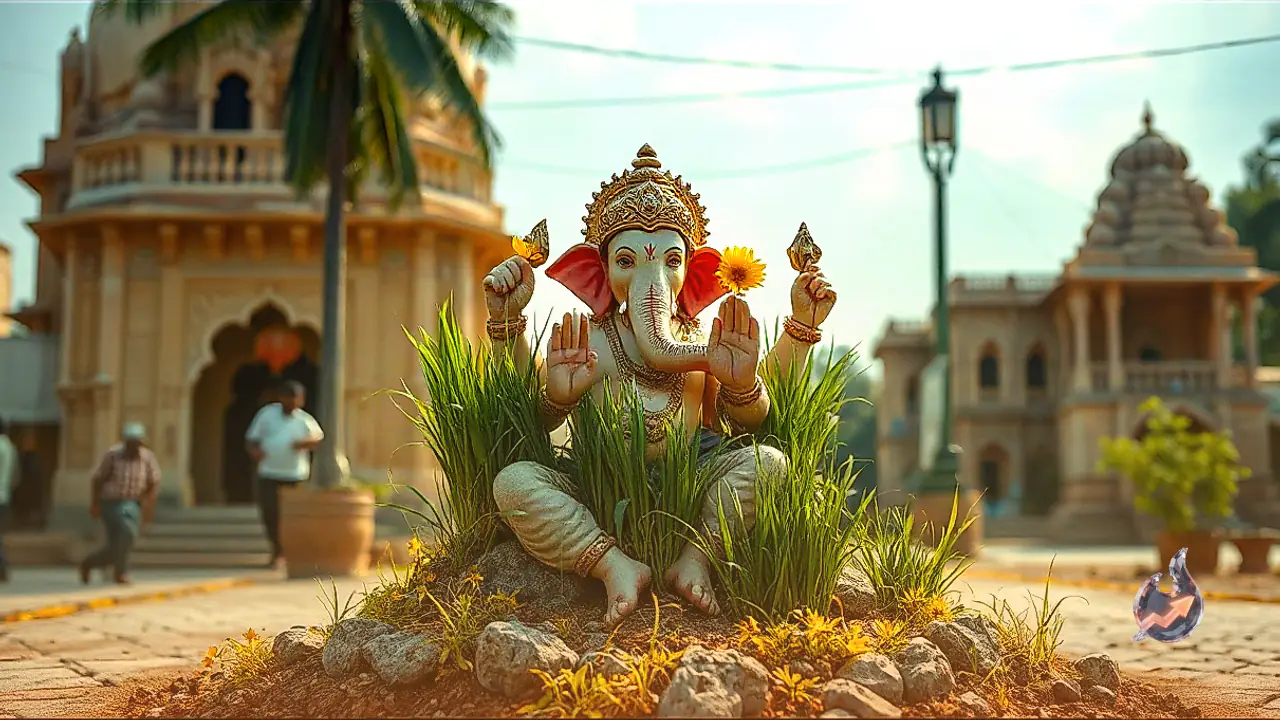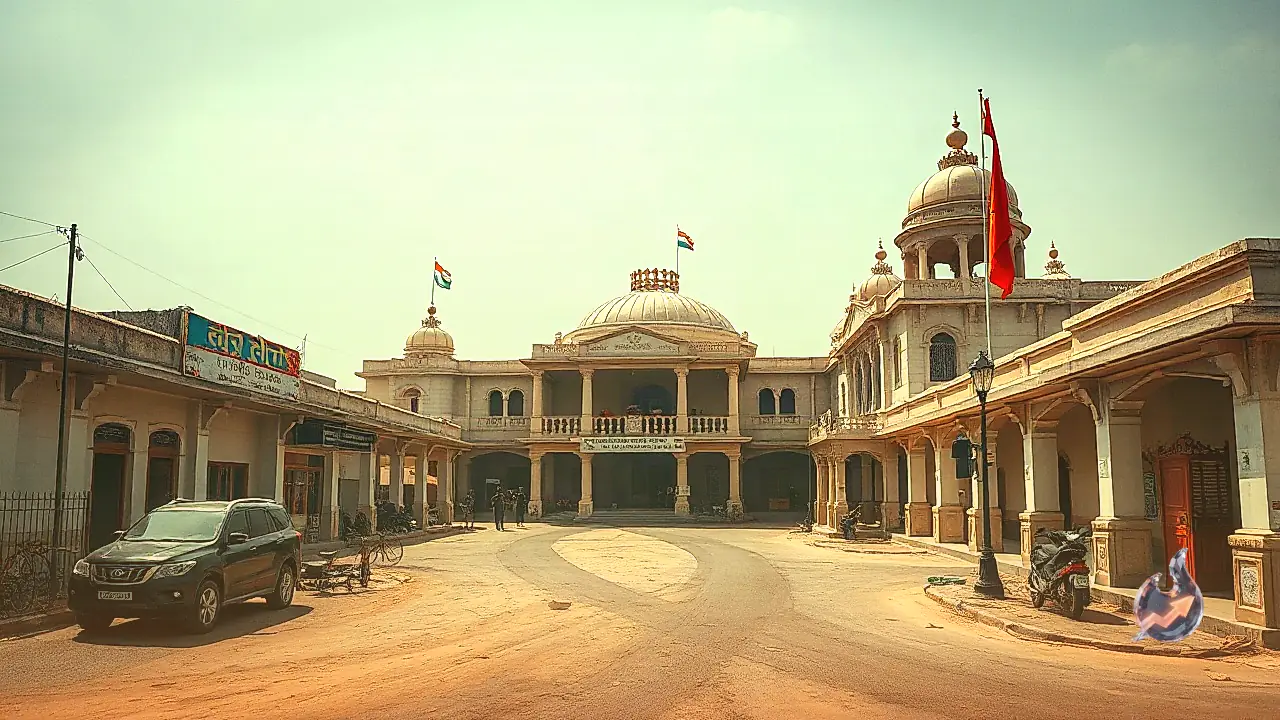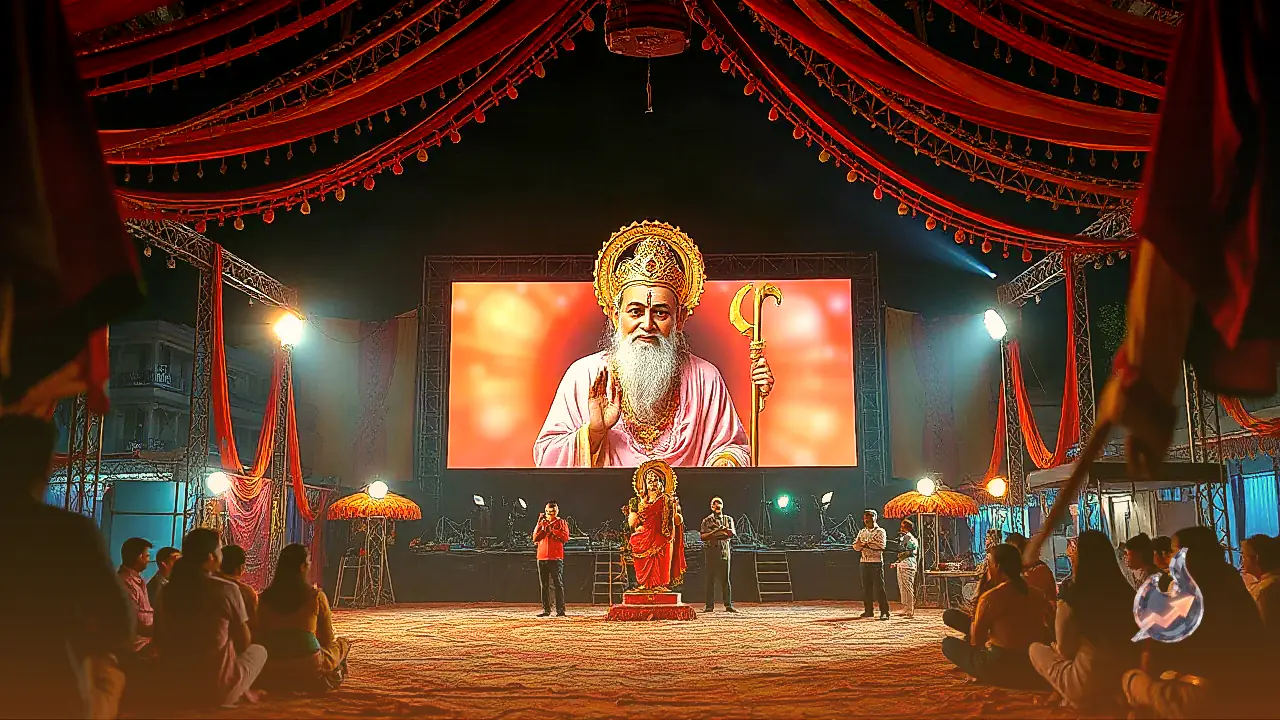



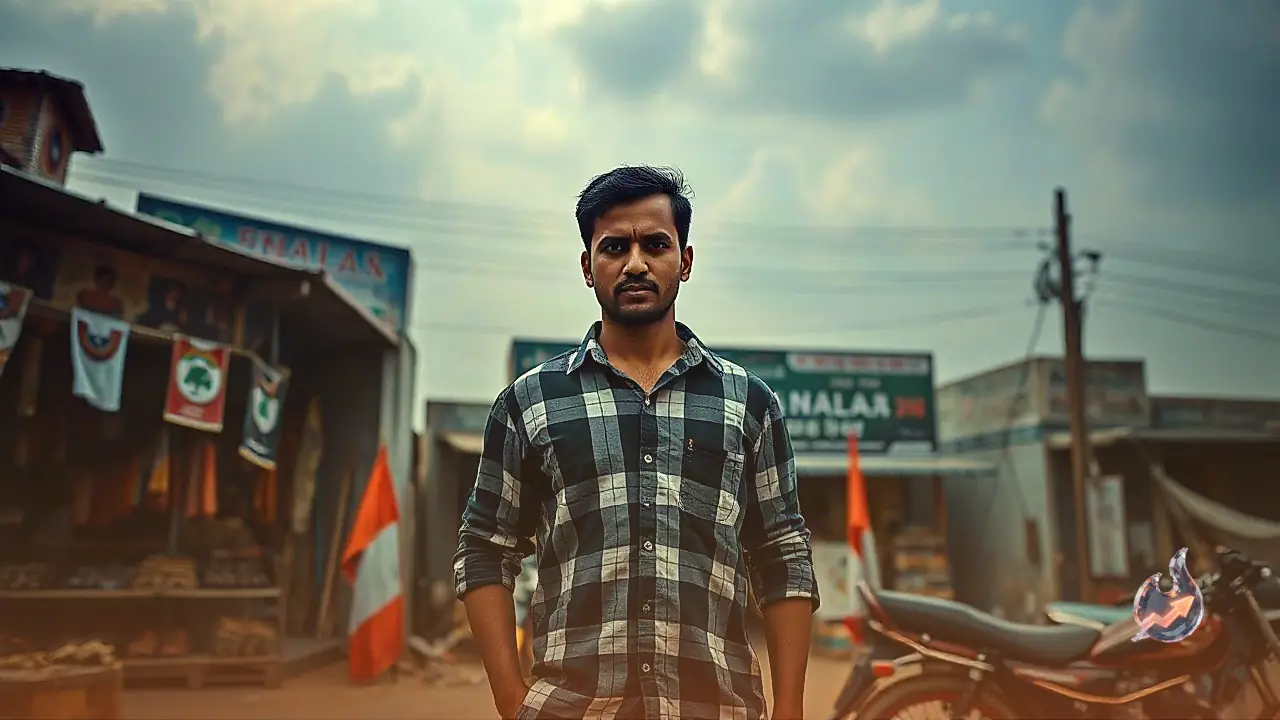
















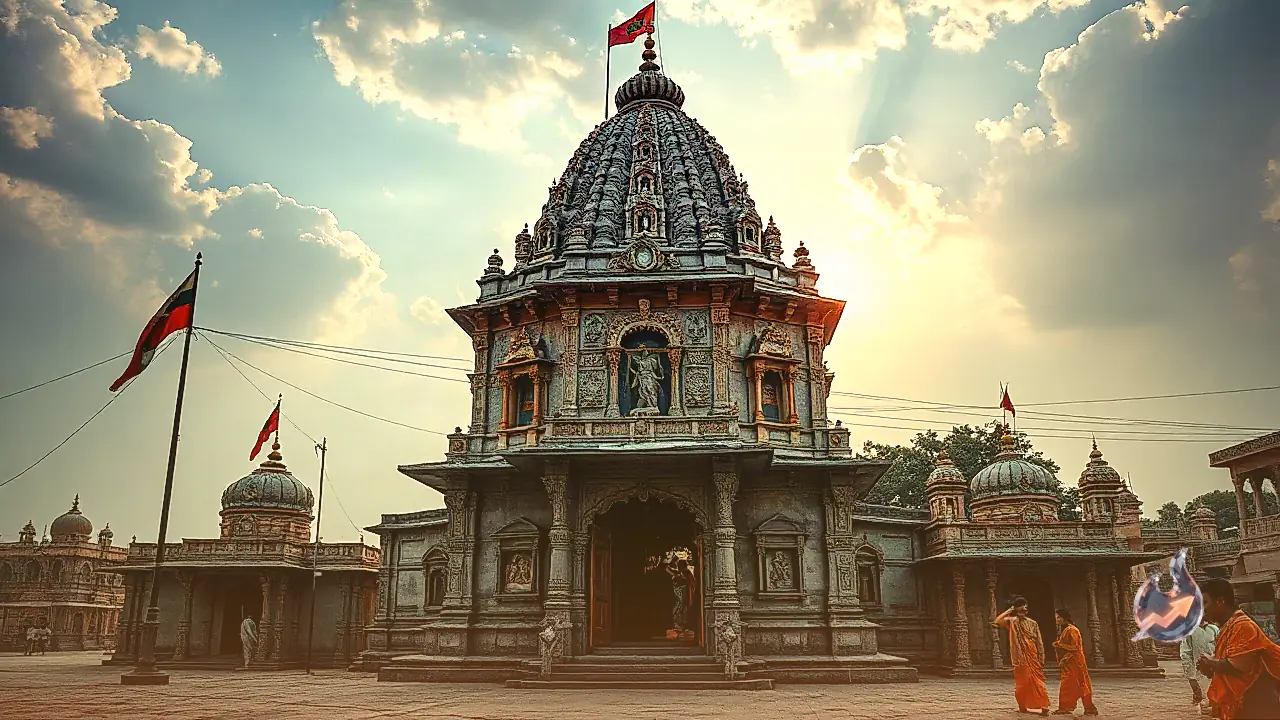

The revered shrine of folk deity Veer Tejaji Maharaj, situated in Tejaji Chowk at the heart of Bhilwara, has once again become the focal point of immense spiritual fervour. Holding a heritage that predates the very establishment of Bhilwara city, this historic pilgrimage spot draws faithful visitors not only from the local district but across the entire state of Rajasthan. Deeply rooted tradition holds that the deity manifests blessings to pilgrims in the form of a serpent. For generations, worship at this sacred site has been faithfully administered by members of a single ancestral family.
Massive Gathering on the Auspicious Occasion of Teja Dashami
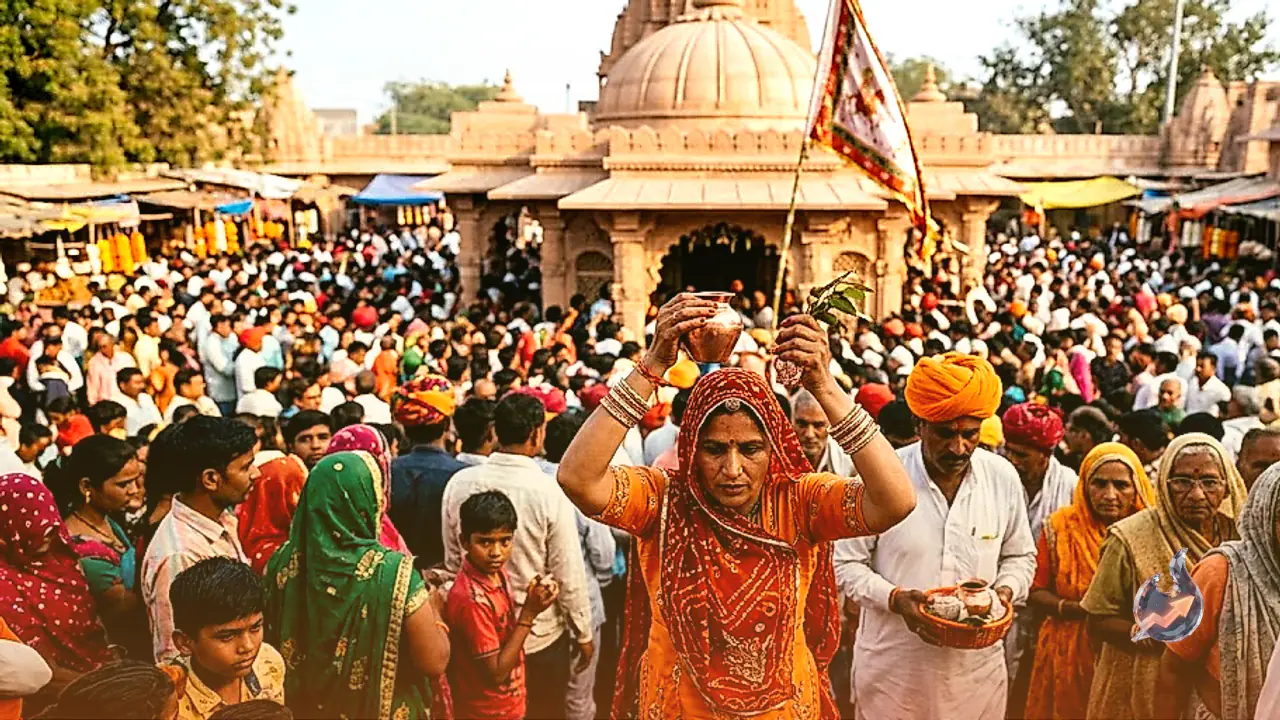
Observed in honour of the celebrated folk deity, the festival of Teja Dashami witnessed an overwhelming influx of devotees right from the early morning hours. Families, including women and children, gathered in long queues outside the sanctum to catch a glimpse of the deity. Worshippers performed traditional rituals, offered customary sweets, bowed their heads in reverent prostration, and prayed for the prosperity, health, and peace of their households. Marking this significant annual observance, a vibrant three-day fair commenced on the temple premises, filling the surrounding streets with festive energy.
Healing Traditions for Venomous Bites and Skin Disorders
A distinctive feature of the shrine lies in the deeply held convictions surrounding its healing powers. According to regional belief, anyone bitten by a snake or another venomous creature finds profound alleviation upon tying a consecrated protective thread consecrated in Tejaji Maharaj's name and visiting the shrine. Devotees also hold the firm conviction that paying respects at this holy ground helps cure persistent skin disorders and related bodily afflictions. Pilgrims continued to bring traditional offerings, seeking divine interventions and fulfilling past vows made to the deity.
Ancestral Heritage and Insights from the Head Priest
Temple priest Balu Ram Jat detailed the venerable lineage of the sanctuary, affirming that the shrine was established well before the urban settlement of Bhilwara first began to form. Describing the site as remarkably miraculous, he pointed out that the annual three-day carnival on Teja Dashami serves as a longstanding community celebration. Throughout the day, people observing the solemn fast associated with Dashami arrived at the shrine in steady streams, offering sacred prasad and participating in traditional religious rites.