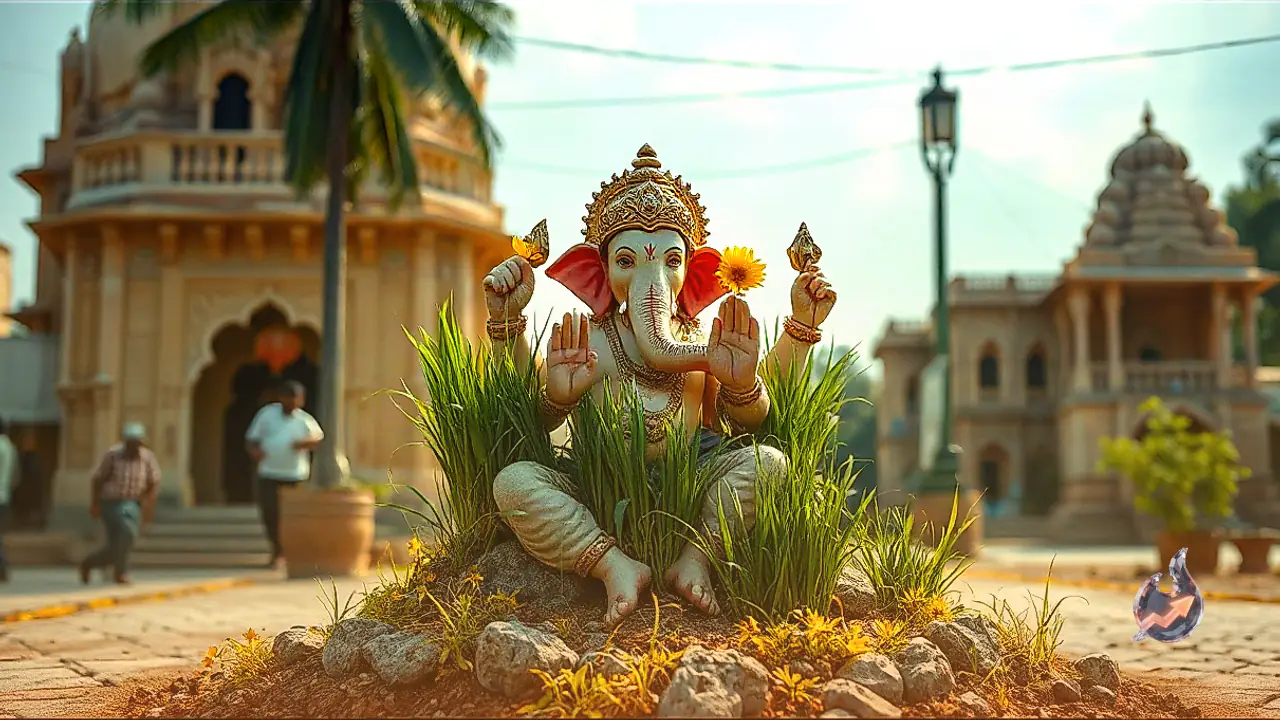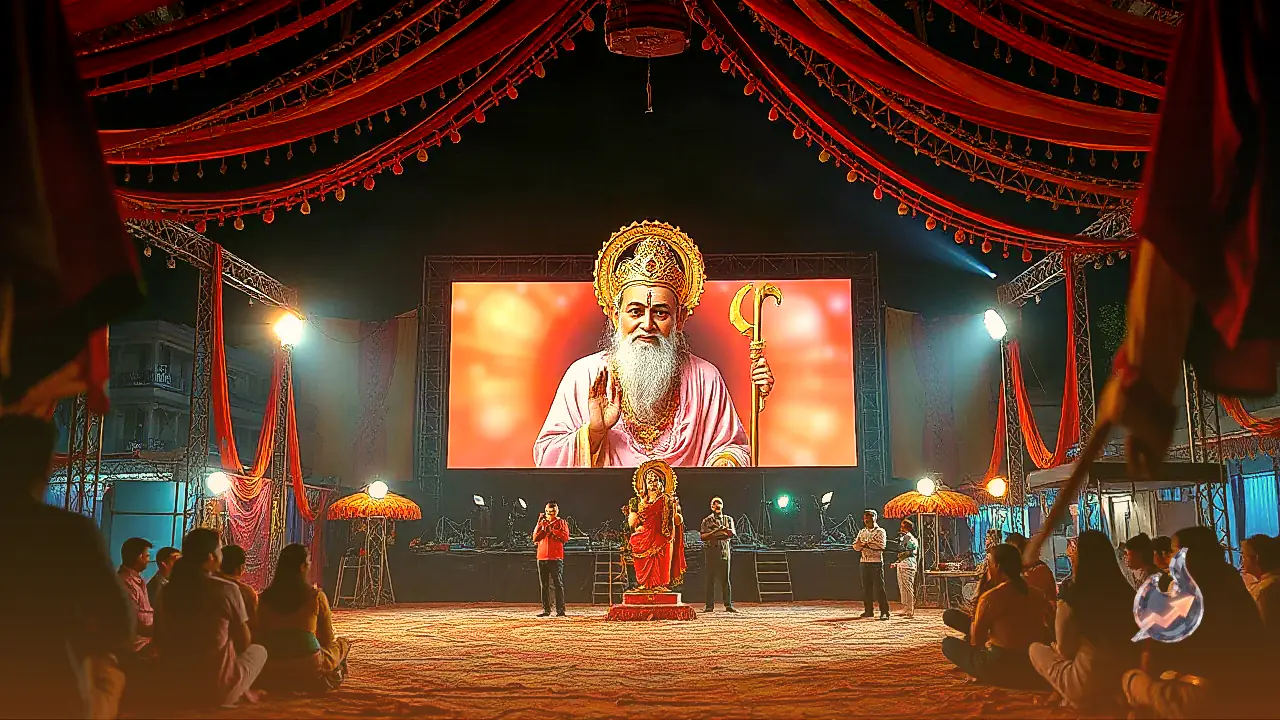


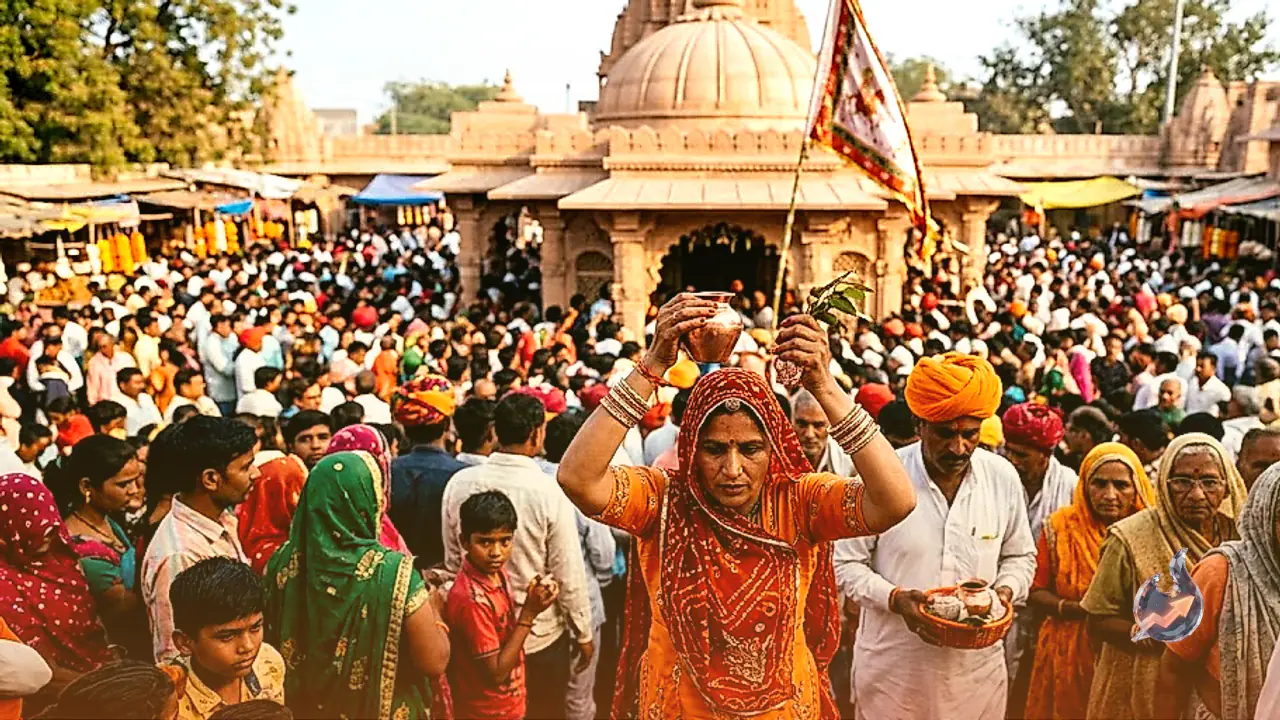

















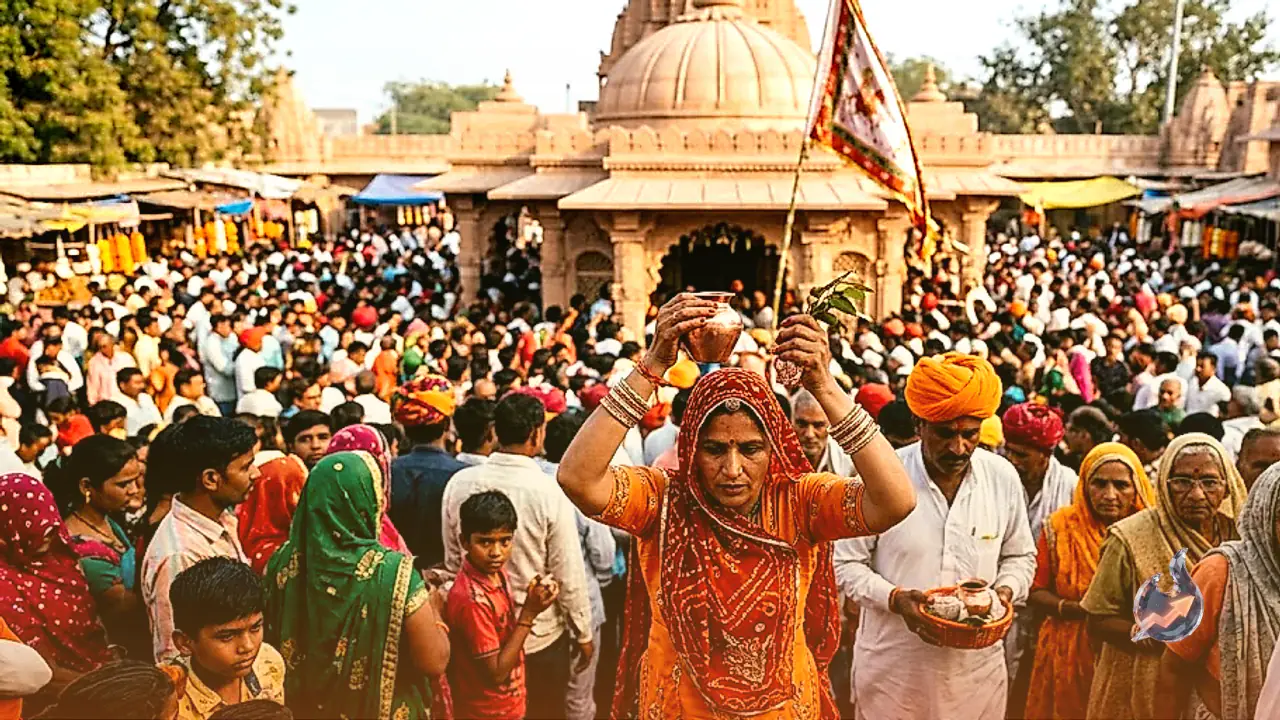

A massive wave of religious fervor swept across rural and urban landscapes of Rajasthan as devotees celebrated the sacred festival of Teja Dashmi, dedicated to the revered folk deity Veer Tejaji Maharaj. Starting from the early morning hours, sprawling lines of pilgrims converged at traditional shrines and prominent temples in Kota and neighboring districts. Worshippers patiently waited their turn to offer prayers, conduct established rituals, and seek blessings for the health, prosperity, and welfare of their families. The celebration stood out as an enduring testament to the state's deep cultural roots and rural spiritual heritage.
Devotional Processions, Folk Singing, and Vibrant Gatherings
Across various villages and townships, community shrines known locally as thanaks received elaborate floral decorations and illumination. Several localities hosted community night vigils and musical gatherings featuring traditional Tejaji singing, where folk balladeers narrated the legendary virtues and sacrifices of the revered deity. Grand ceremonial flag processions progressed through street corridors amid the rhythmic beats of drums and regional instruments. Men, women, and young participants accompanied the marches in large numbers, filling the public air with spirited devotional chants in honor of Tejaji Maharaj.
The Unique Practice of Tying and Untying the Sacred Thread
In local spiritual belief, Veer Tejaji Maharaj is venerated as a deity true to his word and a guardian against snake venom. Popular tradition holds that invoked faith in his name followed by tying a sanctified thread, known as a tanti or dassi, safeguards any person bitten by a snake or venomous creature from lethal toxins. Guided by this ancient conviction, individuals who had pledged vows and tied such protective threads traveled to the shrines on Teja Dashmi. Upon arrival, they formally removed the threads through traditional rites presided over by temple custodians, bowing in gratitude for their protection and recovery.
Rural Fairs Celebrate Folk Heritage and Community Unity
Major pilgrimage sites and surrounding open grounds transformed into vibrant fairs that mirrored the finest aspects of authentic village life. Residents from dozens of neighboring villages arrived wearing traditional attire, fostering communal warmth and shared brotherhood. Temporary markets featuring regional sweets, snacks, handicraft stalls, and amusement rides drew substantial crowds of families and children. This widespread reverence illustrates that devotion to regional folk deities continues to bridge generations and sustain local heritage with unflagging momentum.