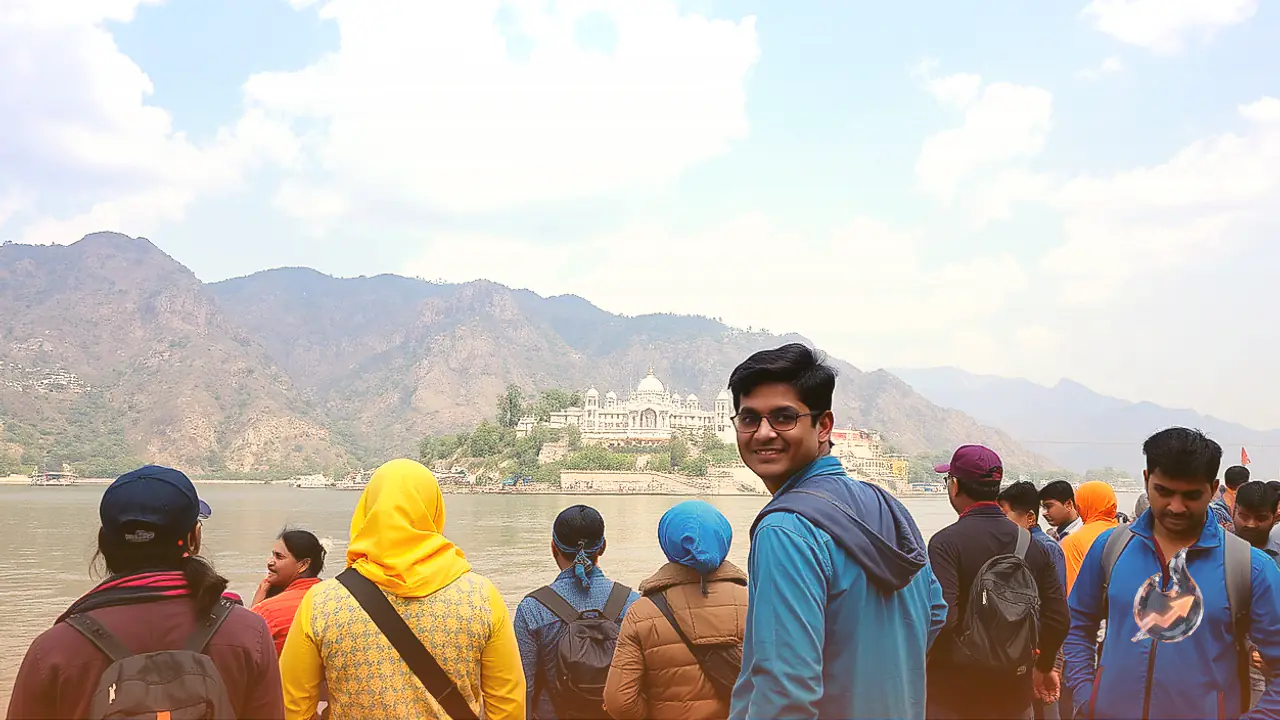
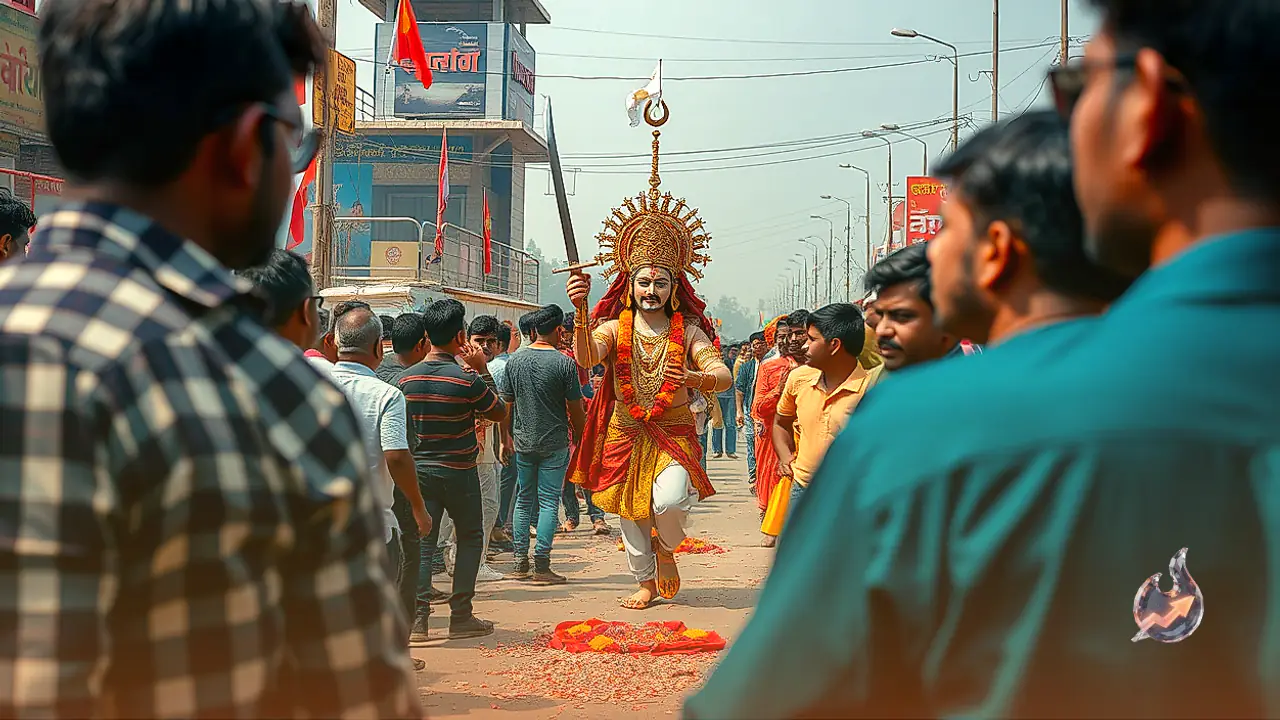


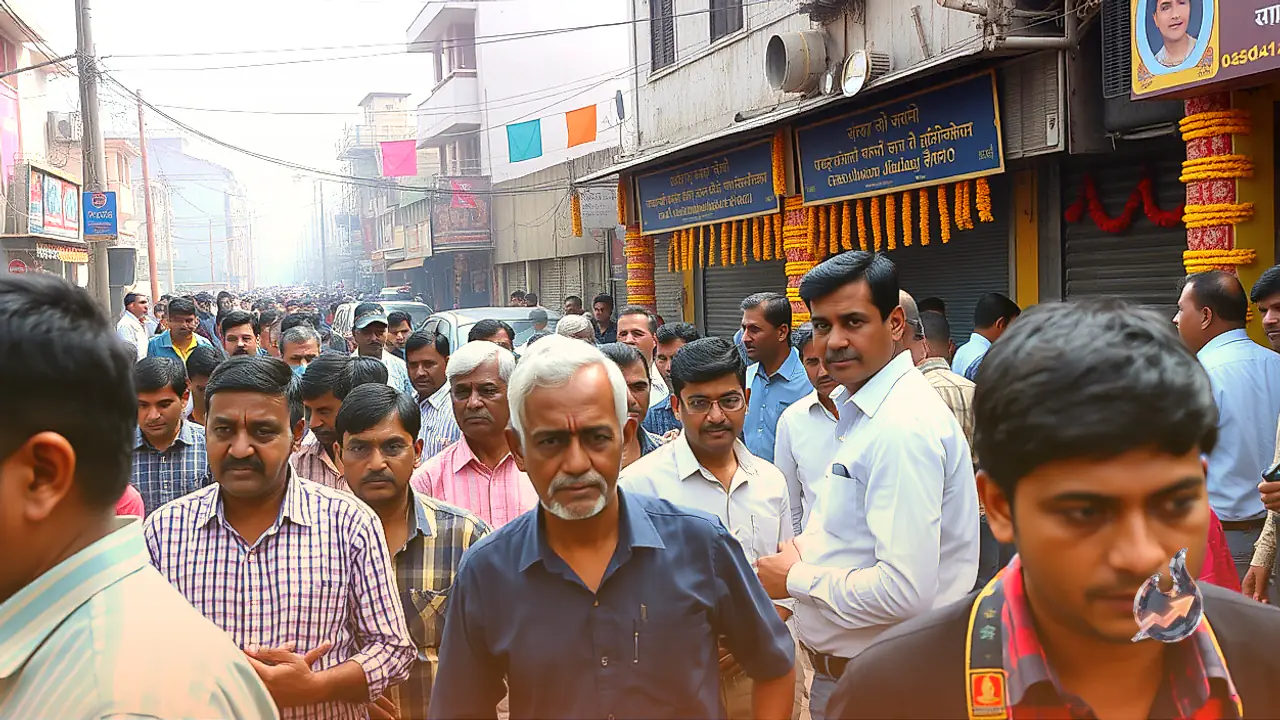














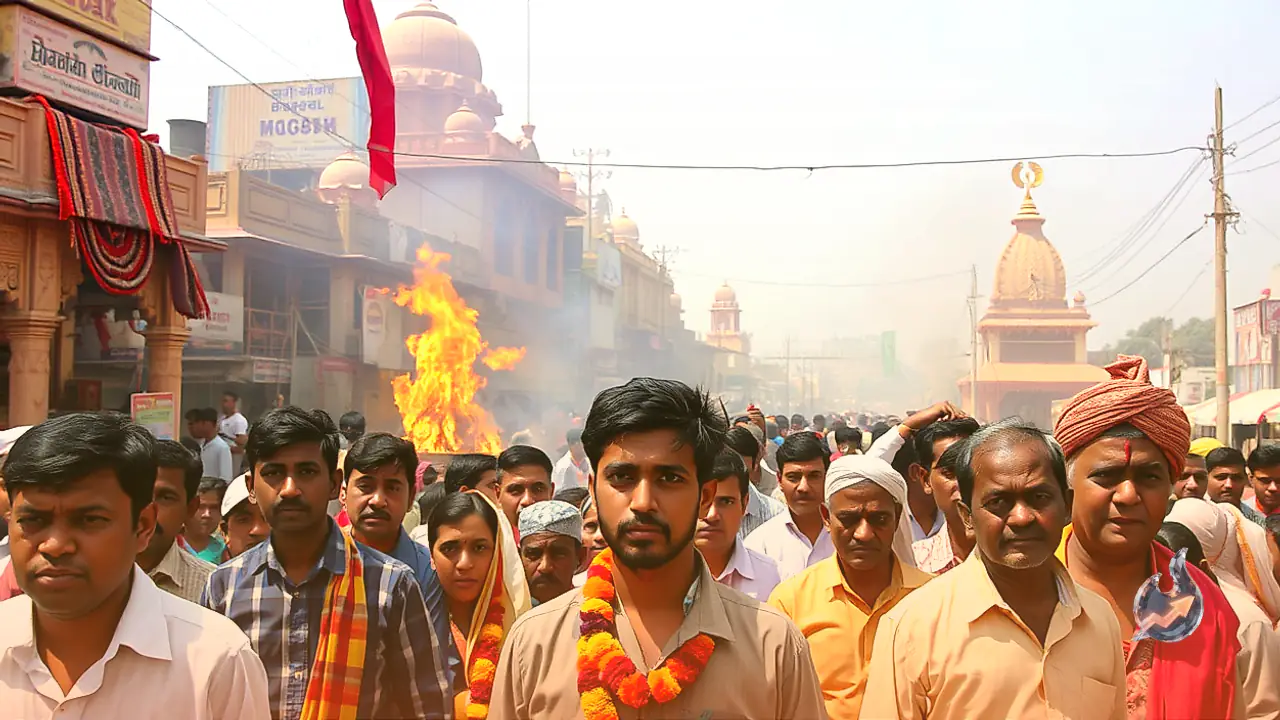

While the rest of the country celebrates Vijayadashami as the victory of good over evil by burning massive effigies of Ravana, the sun city of Jodhpur is home to a community that observes mourning on this very day. This unique tradition is closely tied to the Godha gotra of the Godha Shrimali Brahmin community. Members of this community consider Ravana as their ancestor and regard Mandore as his matrimonial home. According to local beliefs, the marriage of Ravana and Mandodari took place in Mandore, and the structure known as Ravana ki Chawri on the Mandore hill is seen as their wedding pavilion. Due to this deep-rooted belief, families belonging to this community view the burning of Ravana on Dussehra as an occasion of grief. On this day, they follow a tradition of taking a holy bath, changing their sacred thread, and offering prayers to Ravana.
The Temple at the Foothills of Mehrangarh Fort
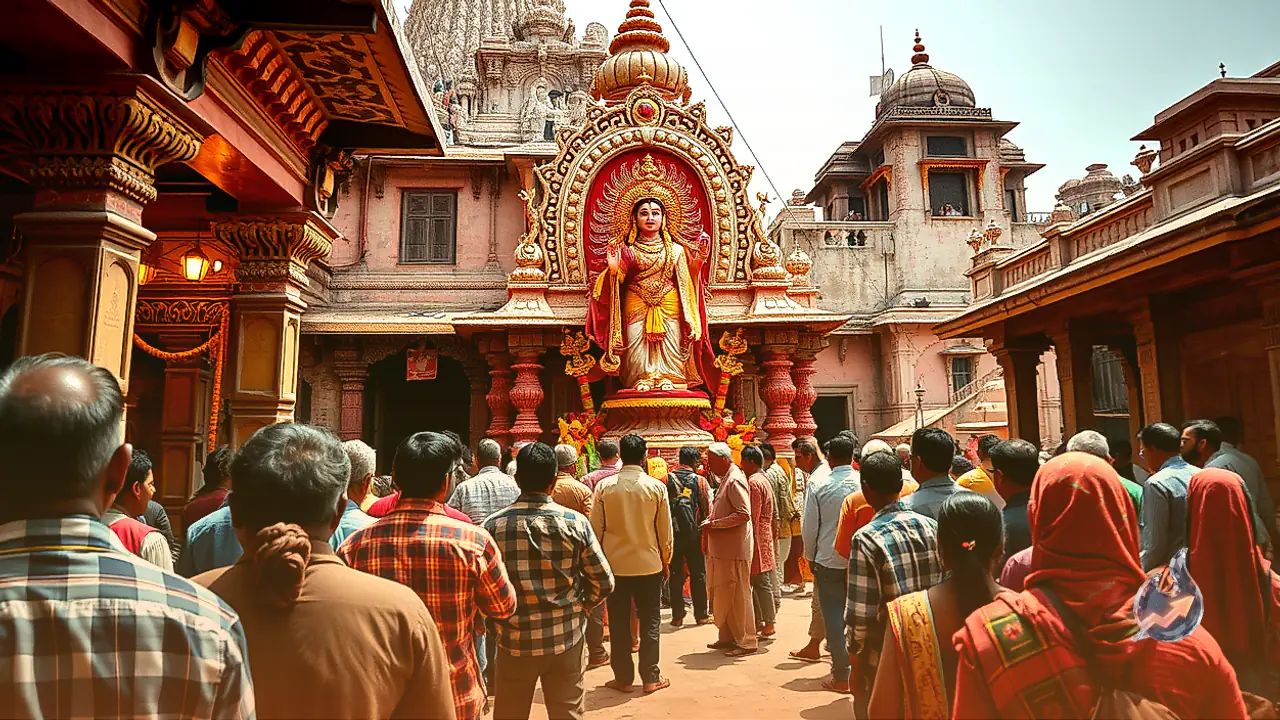
Located at the foothills of the historic Mehrangarh Fort, the Ravana temple serves as the primary center for this tradition. It is widely regarded as the first Ravana temple in northern India. Inside the shrine, large idols of Ravana and Mandodari are installed alongside an idol of Goddess Kharanna. According to community priests and scholars, Ravana is remembered not merely as a mythological antagonist, but as a supreme scholar, a devoted follower of Lord Shiva, an accomplished musician, and an expert in astrology.
An Eleven-Foot Tall Statue Carved in Stone
Mandore in Jodhpur is traditionally known as the maternal home of Mandodari. In the year 2008, a temple dedicated to Dashanan was built a short distance away from the Mehrangarh Fort. Descendants of Ravana and various other devotees frequently visit this site to seek blessings. The temple houses an 11-foot-tall and 2,000-kilogram statue of Ravana carved out of local Jodhpur stone. The statue depicts Ravana in a posture offering water to a Shiva lingam, while the idol of Mandodari stands directly in front of him, highlighting his profound devotion to Lord Shiva.
Descendants Observe Mourning on Dussehra
According to the temple priest, descendants of Ravana stay inside the temple premises to observe mourning on the day of Dussehra. When smoke from burning effigies becomes visible from the temple roof, they perform ritual baths, offer libations, change their sacred threads, and conduct special prayers. Tradition dictates that Shrimali Brahmins of the Godha gotra originally came from Lanka as part of the wedding procession and eventually settled in the region. Today, around 100 families in Jodhpur and 60 families in Phalodi consider themselves descendants of Ravana, continuing to revere him as a scholar, musician, and devotee of Shiva.