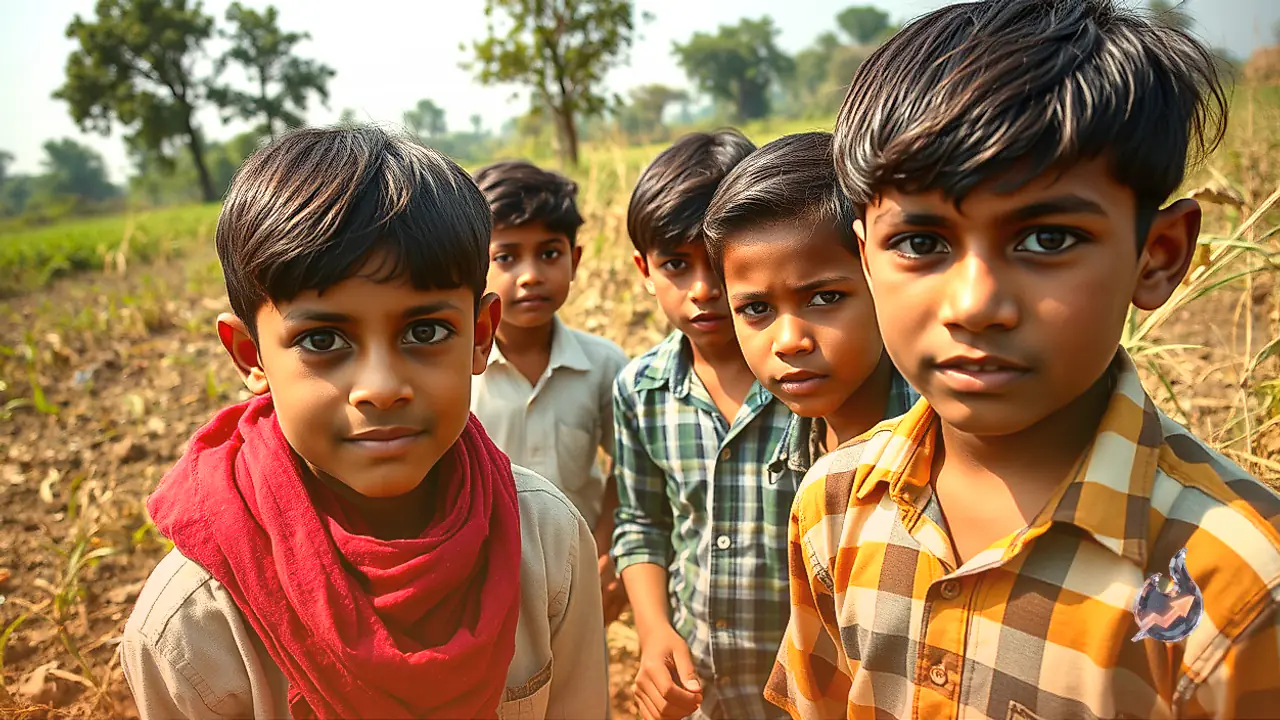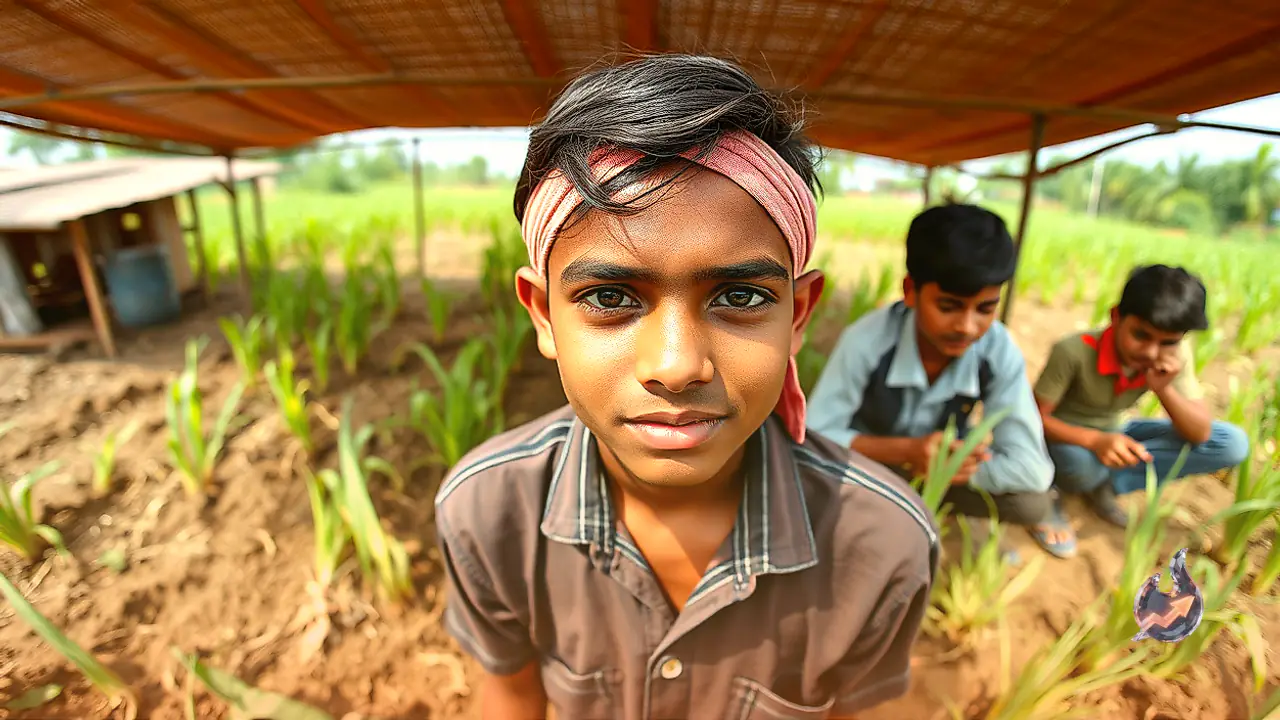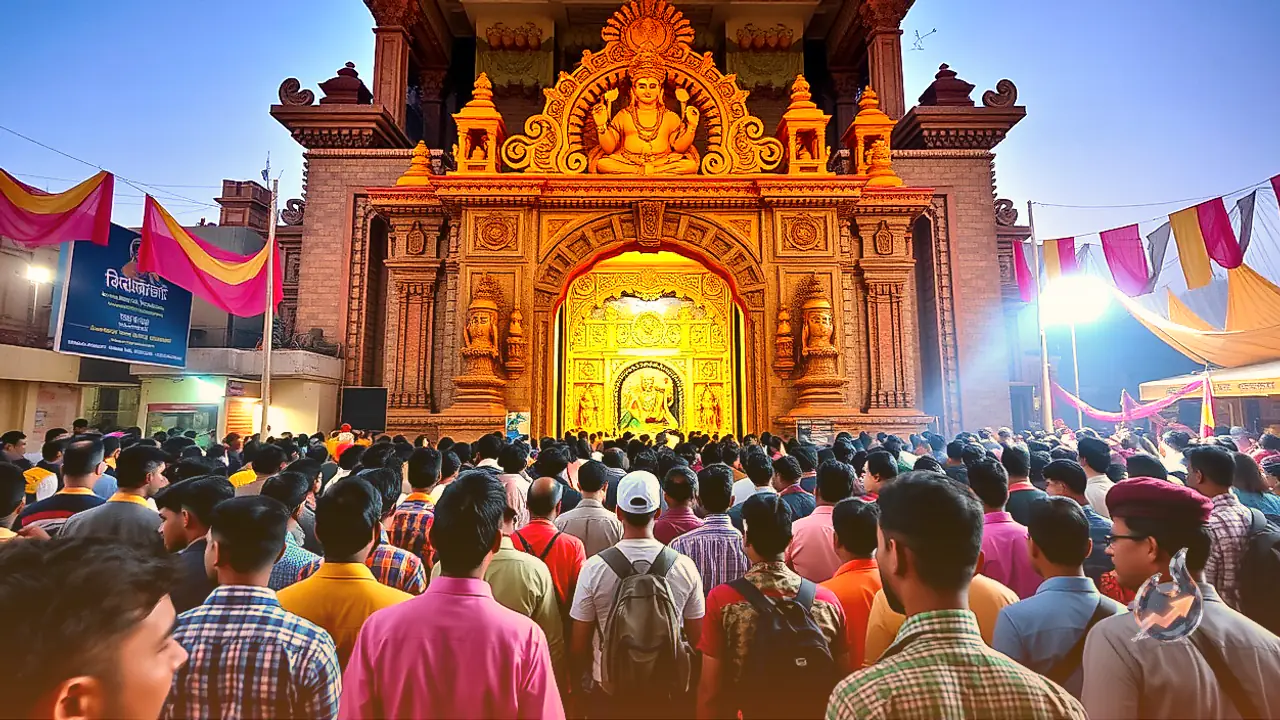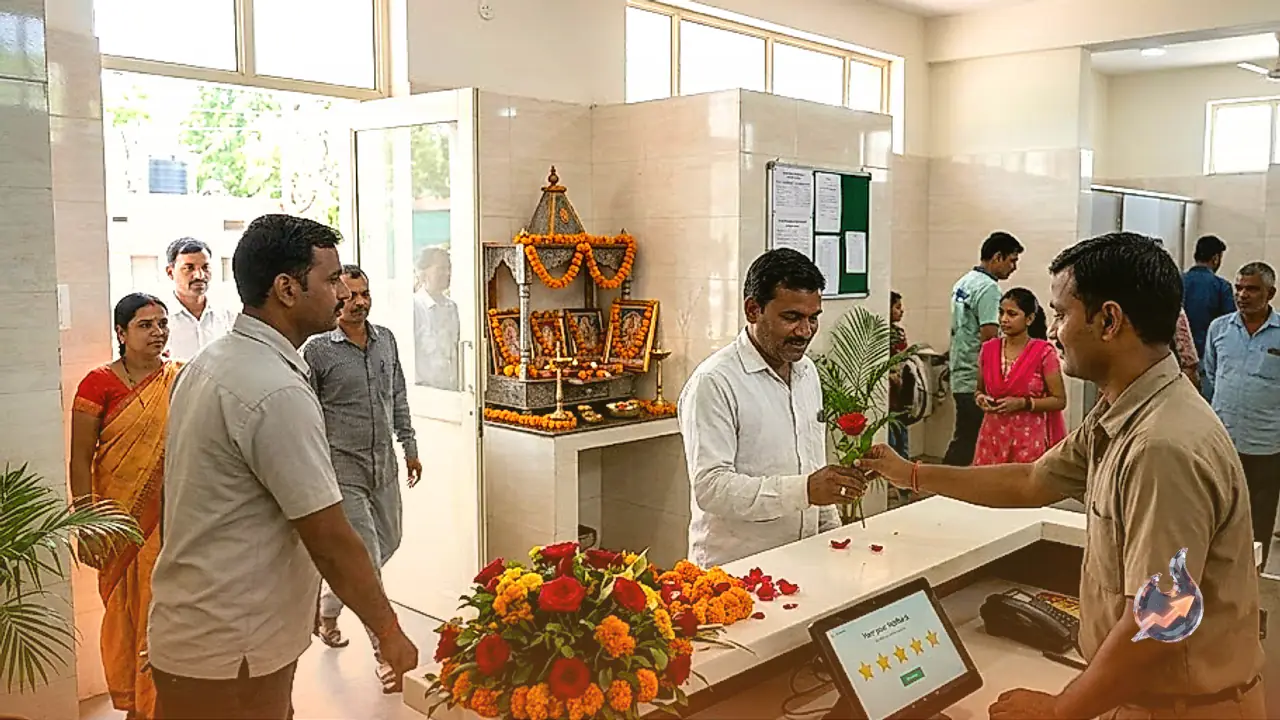
























The tribal culture of Bastar features several distinct rituals during its famous Dussehra festival, with the Bel Puja in Sargipal village standing out as a prime example. Located roughly five kilometers away from the main town, an ancient Bel tree naturally produces joined twin fruits. According to regional beliefs, these paired fruits embody the divine energies of Shiva and Shakti. Villagers and priests gather to perform sacred rites on these specific fruits before they are transported for subsequent festival ceremonies.
A Legend Dating Back Two and a Half Centuries
This long-standing custom traces its origins to a mythological account that is approximately 250 years old. Oral history maintains that a historical ruler of Bastar arrived in the Sargipal area while hunting. During that excursion, Goddess Danteshwari and Goddess Manikeshwari reportedly manifested before the monarch in the form of two young girls. The legend adds that both deities vanished into the earth right beneath this very Bel tree. Ever since that era, the joined Bel fruits have been revered as physical manifestations of the goddesses and brought into the Bastar Dussehra celebrations.
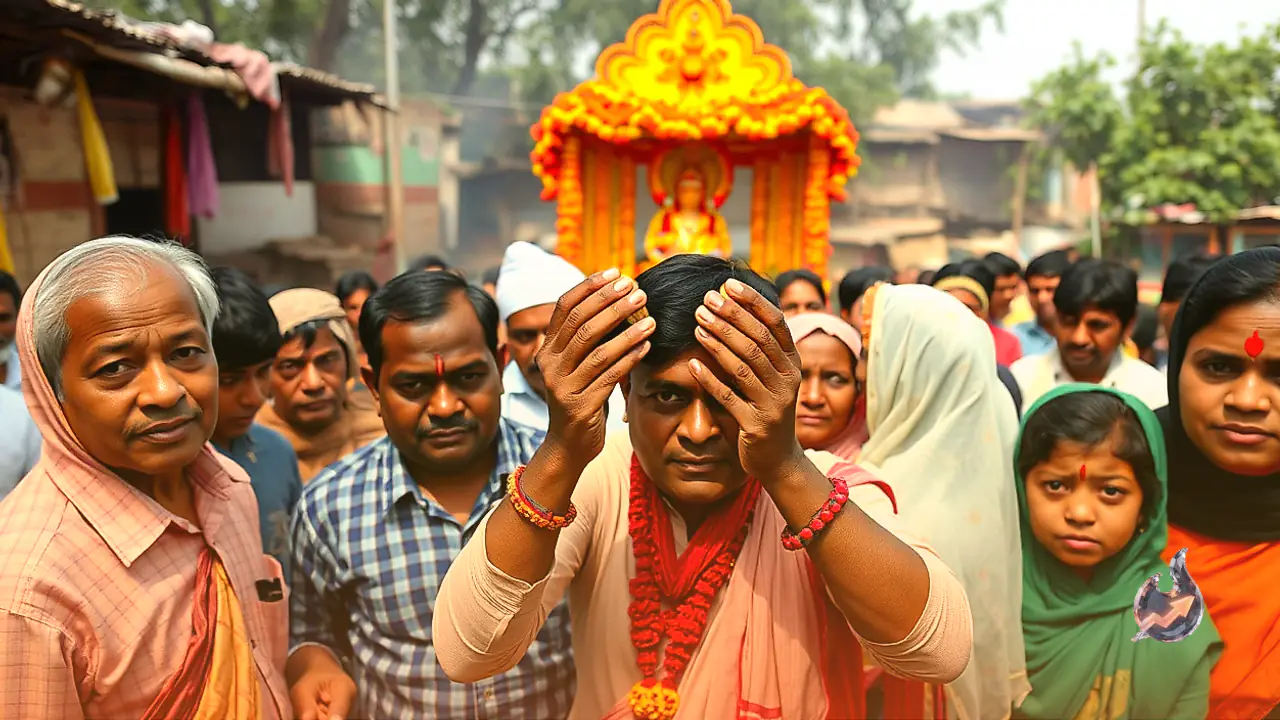
Following the completion of the worship ceremony, the joined Bel fruits are carefully harvested from the tree branches. A vibrant procession featuring traditional musical instruments accompanies the journey as the fruits are transported toward the revered Danteshwari temple in Jagdalpur. Upon arrival, the items are formally installed with proper religious rites at the shrine, where numerous regional deities from surrounding villages gather for communal veneration.
Insights from Royalty and Temple Priests
Royal family member Kamalchandra Bhanjdev explained that representatives personally identify the paired Bel and arrive to collect it, noting that this custom has been preserved across generations. He added that the joined fruit is regarded as a symbol of immense divine power. Meanwhile, Danteshwari temple head priest Krishna Kumar Padhhi stated that the ritual dates back to the princely era. Padhhi noted that after the worship concludes, the local villagers bid farewell to the paired fruit with the same emotional sentiment given to a daughter departing after her wedding.