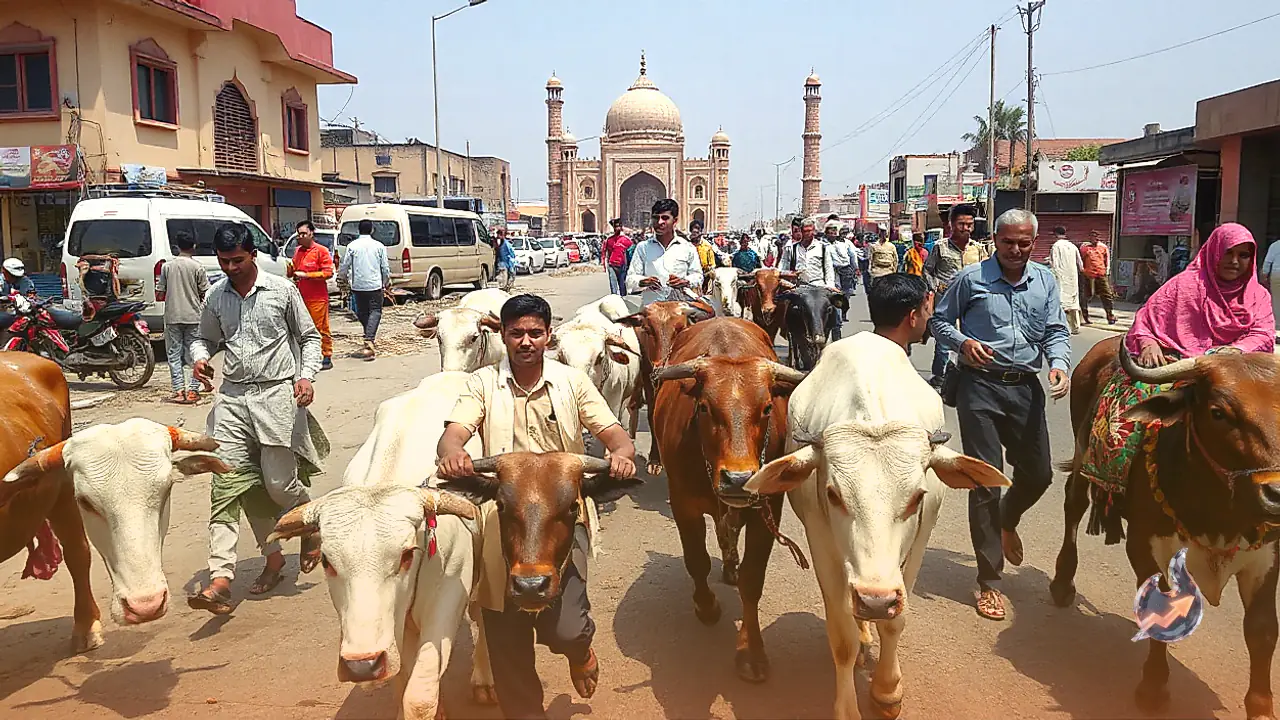




















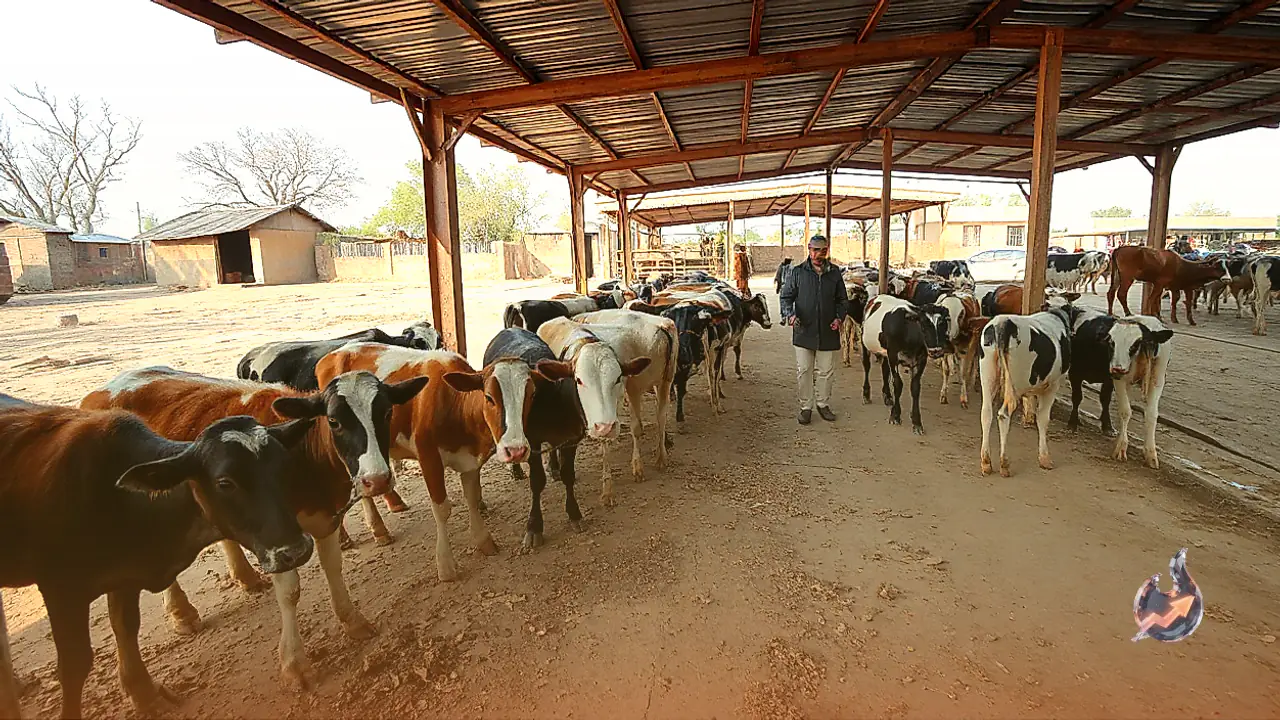

As the winter season begins in Bhilwara, livestock owners frequently face the challenge of declining milk production in their animals. The dipping temperatures directly affect the daily routine, feeding habits, and physical activity of cows, buffaloes, and goats. In many cases, a lack of adequate nutrition and proper care leads these animals to yield significantly less milk than usual, which in turn impacts the livelihood and income of farmers. However, by adopting simple home remedies and proper management practices, milk yield can be sustained to a large extent even during peak winter.
Achieving this requires shielding the livestock from extreme cold while paying close attention to their daily diet. Farmers can ensure superior nutrition using readily available green fodder, dry fodder, balanced feed, and clean water at home. Additionally, housing the animals in warm and comfortable shelters is critical. A little caution and regular upkeep can minimize the seasonal drop in dairy output.
Providing Nutritious Diet and Balanced Feed
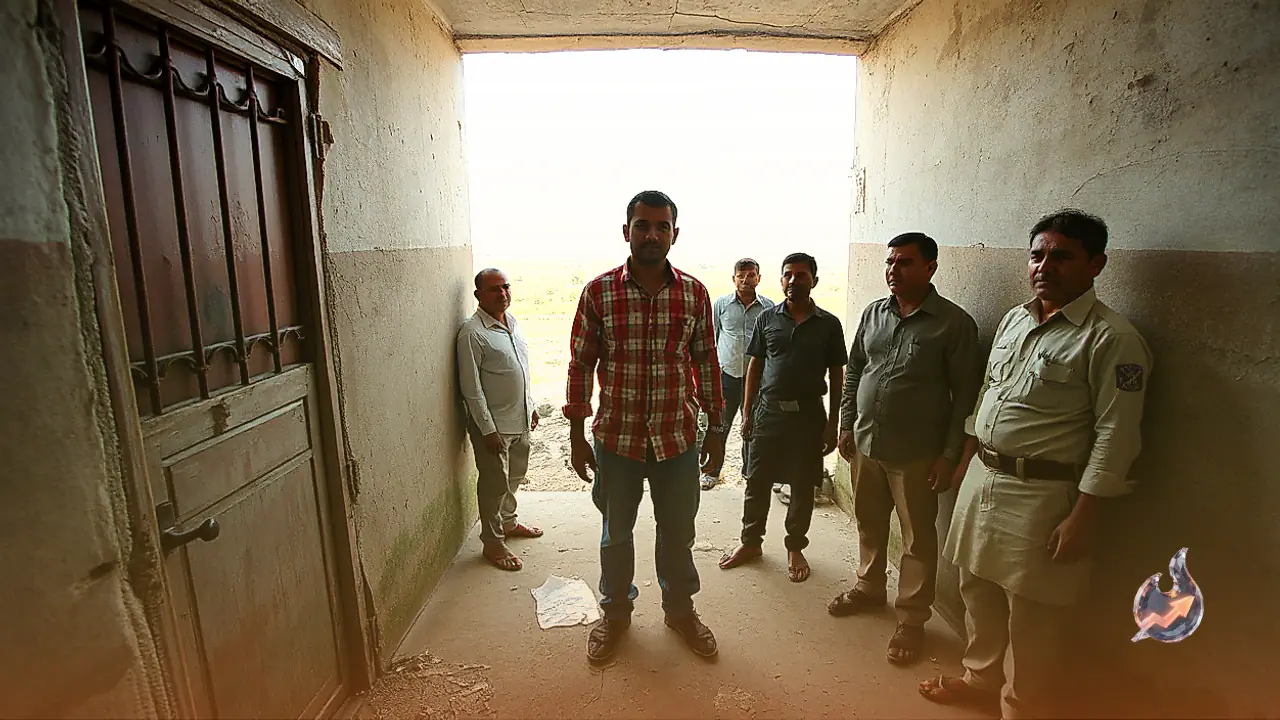
Local livestock owner Shyamlal explained that numerous issues surface among animals with the onset of winter, the most prominent being the drop in milk production. During the cold months, animals must receive an adequate quantity of nutritious feed. Feeding cows and buffaloes a combination of green fodder, dry fodder, and a balanced grain mix proves highly beneficial. Sudden changes in the feed composition should be avoided. Concentrates like mustard cake, cottonseed cake, and bran can be provided under the guidance of a veterinarian or nutrition expert, ensuring the animals receive all essential nutrients.
Offering Clean and Normal Temperature Water
Animals tend to avoid very cold water during winter, which can drastically reduce their daily water intake. Therefore, farmers must supply clean water at a normal temperature, or slightly lukewarm water when necessary. Water should remain accessible to the animals throughout the day, as adequate internal hydration is vital for sustaining milk production. Livestock must be kept away from open drafts of cold wind and damp environments. Their housing should be clean, dry, and well-ventilated. Curtains or coverings can be placed over doors and windows at night to block chilly winds, while spreading dry straw on the floor offers considerable comfort against the cold ground.
Sunlight Exposure and Regular Health Monitoring
Shyamlal further noted that the mild morning sun during winter is immensely beneficial for livestock. Whenever weather conditions permit, animals should be kept out in the sunlight for some time, which provides physical comfort and maintains their active routine. The diet must incorporate appropriate amounts of mineral mixture and salt, as calcium, phosphorus, and other trace minerals are critical for overall health and milk output. Furthermore, timely vaccinations, deworming treatments, and health check-ups must be prioritized. If an animal experiences a sudden drop in milk yield or shows swelling in the udder, a veterinarian must be consulted immediately. By implementing this combination of balanced nutrition, proper hydration, cold protection, and vigilant care, farmers can successfully maintain high milk production in cows, buffaloes, and goats all winter long.