






















As the winter season begins in Nagaur, livestock owners face the critical responsibility of protecting the health of their dairy animals, young calves, and weaker cattle. A sharp drop in temperatures and harsh cold winds take a heavy toll on livestock, significantly increasing the risk of colds, coughs, fever, and respiratory ailments. By exercising a little caution and improving daily management, farmers can effectively shield their animals from illnesses while maintaining optimal milk production levels throughout the cold months.
Protecting Livestock From Cold Drafts And Damp Flooring
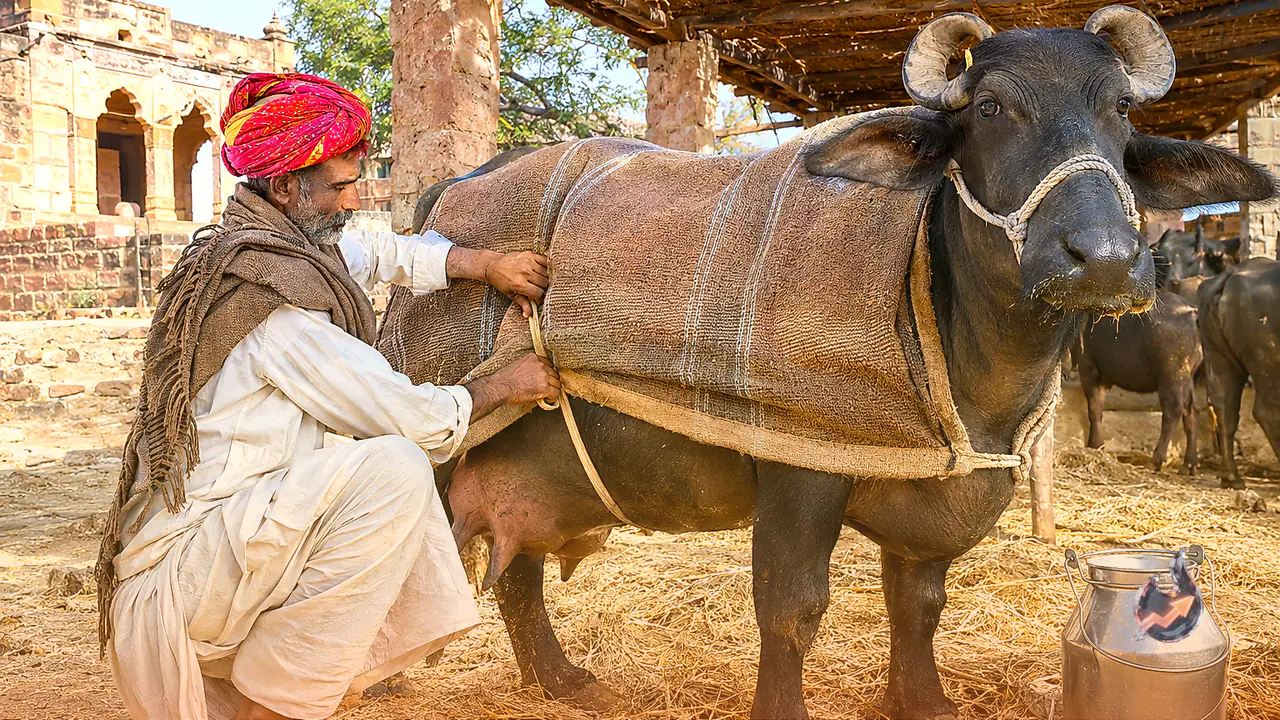
Shielding animals from biting cold drafts is the single most important step during winter. The animal shed should be securely covered on all sides using tarpaulins, sacks, or other suitable materials to block direct chilly winds from entering. At the same time, proper ventilation must be maintained inside the enclosure so that fresh air can circulate. Farmers should strictly avoid making animals sit on cold, bare floors. Thick layers of dry straw or bedding should be spread underneath them and replaced periodically, as damp and moist environments dramatically raise the chances of infections among livestock.
Making Necessary Adjustments To Animal Diets
Veterinarian Vishal Prajapati explained that animals require significantly more energy during the winter season to maintain their internal body temperature. Consequently, it is vital to make balanced modifications to their daily feed. Livestock should be provided with an appropriate mix of green fodder, dry roughage, and nutritious cattle feed. Furthermore, based on the recommendations of a veterinarian or animal nutrition expert, items like jaggery, oilcake, and mineral mixtures can be incorporated into their diet. This ensures that the animals receive essential nutrients and maintain their physical stamina. Milking animals must be fed a balanced diet precisely proportional to their individual milk-yielding capacity.
Providing Clean And Lukewarm Water For Better Digestion
During winter months, animals frequently drink less water due to the cold weather, which can adversely affect their digestion and overall health. It is therefore essential to provide regular access to clean and fresh drinking water. When the weather turns extremely cold, offering slightly lukewarm water to the animals serves as an excellent alternative. Regular cleaning of water troughs is equally important to prevent the accumulation of dirt, grime, and harmful bacteria.
Allowing Sun Exposure And Caring For Newborn Calves
The veterinarian noted that during the winter season, whenever the sun comes out in the morning or afternoon, animals should be let out into open spaces to bask in the sunlight. This provides much-needed relief from the cold and warms up their bodies naturally. Special attention must be given to young calves and weak animals. Newborn calves must be kept completely protected from cold drafts and moisture by housing them in warm, dry environments.
Prioritizing Vaccination, Hygiene, And Early Treatment
With changing weather patterns, the threat of various livestock diseases increases manifold, making timely vaccinations an absolute necessity for farmers. Sheds must be cleaned regularly to prevent manure and filth from accumulating. If any animal displays persistent symptoms such as continuous coughing, nasal discharge, fever, loss of appetite, or lethargy, owners should avoid home remedies and immediately consult a qualified veterinarian.