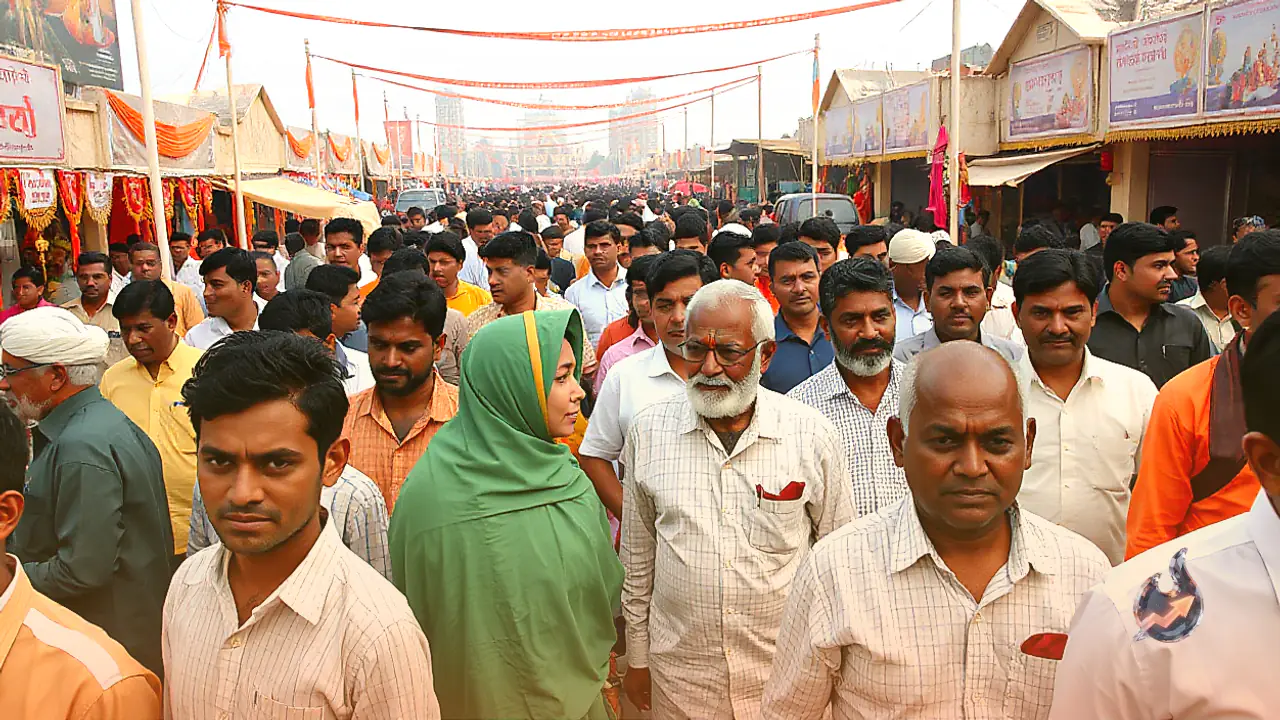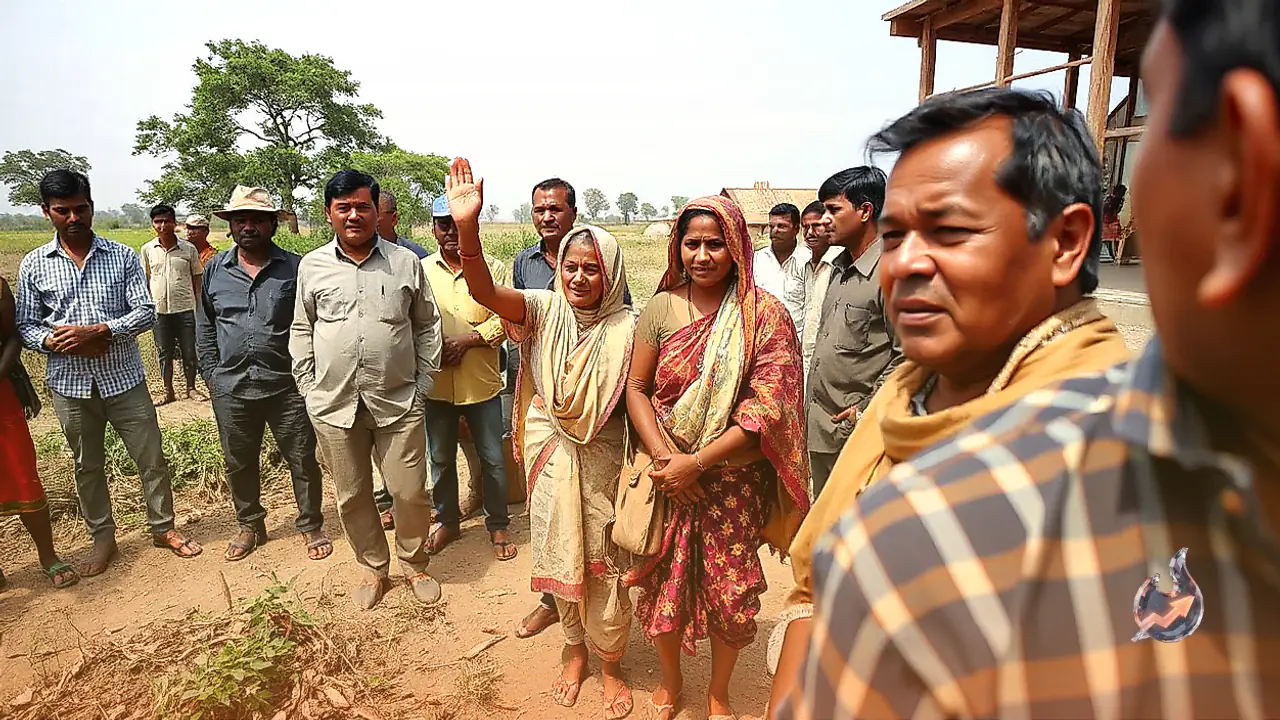

Farmers in Jhunjhunu who are accustomed to spending long hours standing in serpentine queues outside shops and distribution centres are finally set to receive major relief. Starting November 25, the entire fertilizer distribution system across the district is scheduled to undergo a complete transformation. Farmers will now be required to secure advance online bookings through a mobile application before they can purchase urea and DAP fertilizers. Once booked, cultivators will be able to collect their supplies from their preferred retail shop within a strict window of 48 hours. What makes this initiative notable is that farmers will be able to check from the comfort of their homes which nearby shops currently have fertilizer stocks available.
This digital shift is designed to eliminate the exhausting routine of running from one shop to another and standing in endless lines. To bring transparency to fertilizer distribution and provide accurate stock information directly to cultivators, the agriculture department is rolling out this FFS app-based system. The framework has already been operational across 18 districts of the state since November 20. Now, sales through this app will commence in Jhunjhunu and 23 other districts starting November 25.
Fertilizer booking structured like gas cylinders
Under the new protocol, farmers must download the FFS app on their smartphones. After entering their respective location, the application will display a comprehensive list of nearby fertilizer vendors. Shops with active stock will display a green indicator next to their names. Farmers can review availability, select a convenient vendor according to their preference, and book either urea or DAP directly. This eliminates the traditional hassle of wandering from one retailer to another just to check if supplies are in stock.
Collection mandatory within 48 hours of booking
Upon completing the online booking, the farmer will receive a unique QR code or a booking number. This credential must be presented to the chosen fertilizer dealer to collect the supplies within 48 hours. The allocated quantity of fertilizer will be determined strictly based on the farmer's agricultural land holding and official eligibility criteria. For instance, a farmer owning one hectare of agricultural land will be eligible to receive five bags of urea and three bags of DAP during a single agricultural season. Farmers can choose to collect their allotted quota all at once or in separate intervals according to their operational needs.
Online monitoring spanning from stock to sales
With this digital framework in place, every aspect of fertilizer inventory, sales, and distribution will be recorded online. This will enable the department to maintain real-time tracking of exact stock levels at every individual retail shop and monitor how much has already been distributed. Farmers will also gain advance visibility into stock status. Industry observers believe this system will successfully curb black marketing and irregular distribution practices, while simultaneously injecting transparency into the supply chain and easing unnecessary crowd congestion at retail points.
E-mitra assistance available for non-smartphone users
Farmers who do not own a smartphone will not be left behind or inconvenienced by the transition. Such individuals can visit their nearest E-mitra centre and complete their fertilizer bookings with the assistance of their Aadhaar cards. Essential prerequisites for this offline booking include a Farmer ID or Aadhaar card, agricultural land documentation, and details regarding the sown crop. Furthermore, if a farmer is unable to collect the fertilizer personally, they can authorize a trusted representative to do so on their behalf. This requires registering the representative's name, Aadhaar card details, and mobile number. Jhunjhunu Agriculture Department Joint Director Dr. Mohan Dadarwal stated that booking through the FFS app will commence across the district on November 25, adding that the measure will spare farmers from waiting in long lines and render the fertilizer distribution framework considerably more organized and transparent.