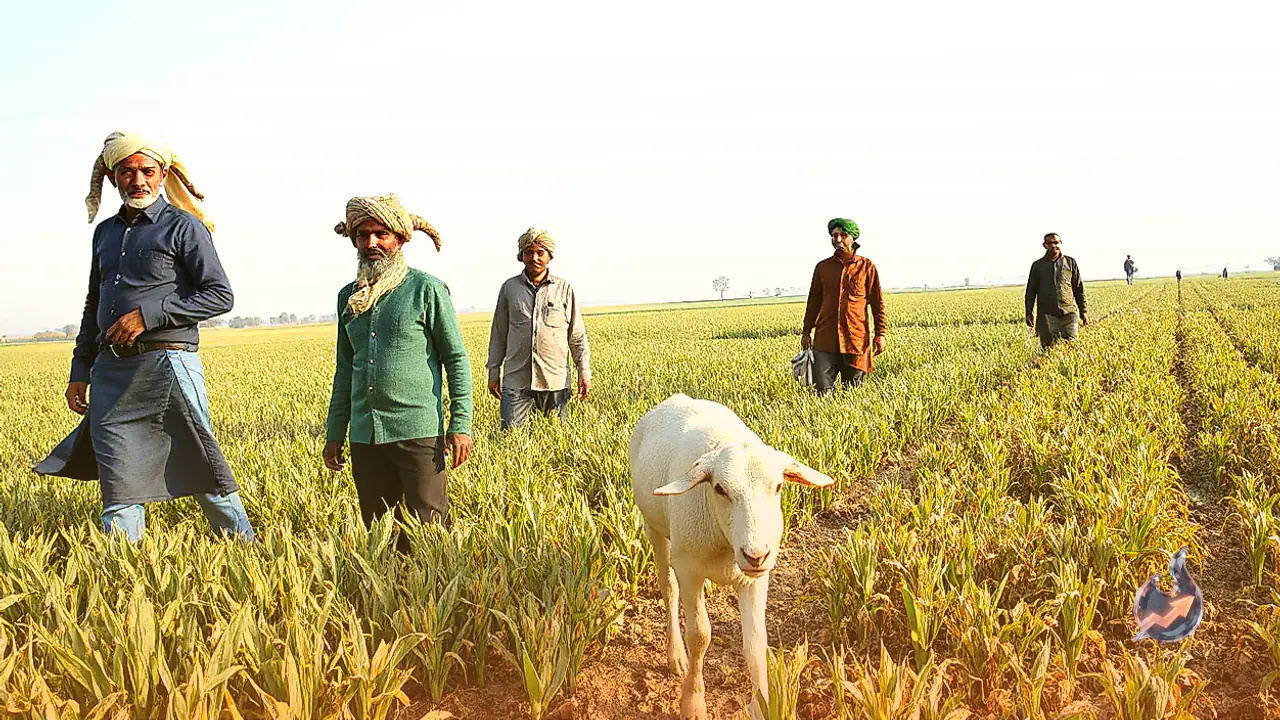

With the arrival of the winter season, agricultural activities for Rabi crops are in full swing across the country. Modern farmers constantly look for crop varieties that require minimal investment while delivering solid financial returns in a short span. For those seeking to boost their income quickly, cultivating bathua has emerged as a highly promising option. The standout advantage of this crop is that it does not demand vast acres of land or massive fields, allowing individuals to grow it successfully in small plots or vacant spaces near their homes.
Low Investment and Minimal Effort Required
Unlike many traditional farming ventures, growing bathua neither requires grueling physical labor nor a heavy financial investment. For cultivators aiming to supplement their primary income streams during the colder months, this leafy green proves exceptionally lucrative. Ram Prasad, a farmer from Bhilwara, noted that bathua cultivation serves as an excellent channel for generating extra income with minimal input costs. The crop thrives primarily during the winter months, making the cold season the ideal window for its production.
Soil Preparation and Sowing Guidelines
Bathua is a widely consumed green leafy vegetable heavily used in households to prepare traditional dishes like saag, raita, parathas, and various other delicacies, which keeps its market demand consistently high throughout the winter. Growers can cultivate it on small patches of land, home gardens, or any unused soil around their residential areas. The farming process begins with thorough soil preparation, where the earth is tilled until it becomes loose and crumbly, followed by mixing well-decomposed cow dung manure to enrich fertility. Once the soil is ready, the seeds are sown, and the crop requires regular irrigation based on moisture needs, alongside periodic weeding to ensure healthy and unhindered plant growth.
Market Demand and Supplementary Earnings
The bathua crop matures rapidly, and its tender leaves can be harvested as needed and dispatched directly to the market for sale. Farmers can easily market their produce through local vegetable mandis, neighborhood retailers, or direct vendors, creating a steady stream of secondary income alongside their primary harvests. However, the final financial return from this venture depends on several factors, including the available land area, weather conditions, overall crop yield, and prevailing market prices. For anyone wanting to maximize earnings on a small scale with tight budgets, growing bathua remains a practical and rewarding choice.