






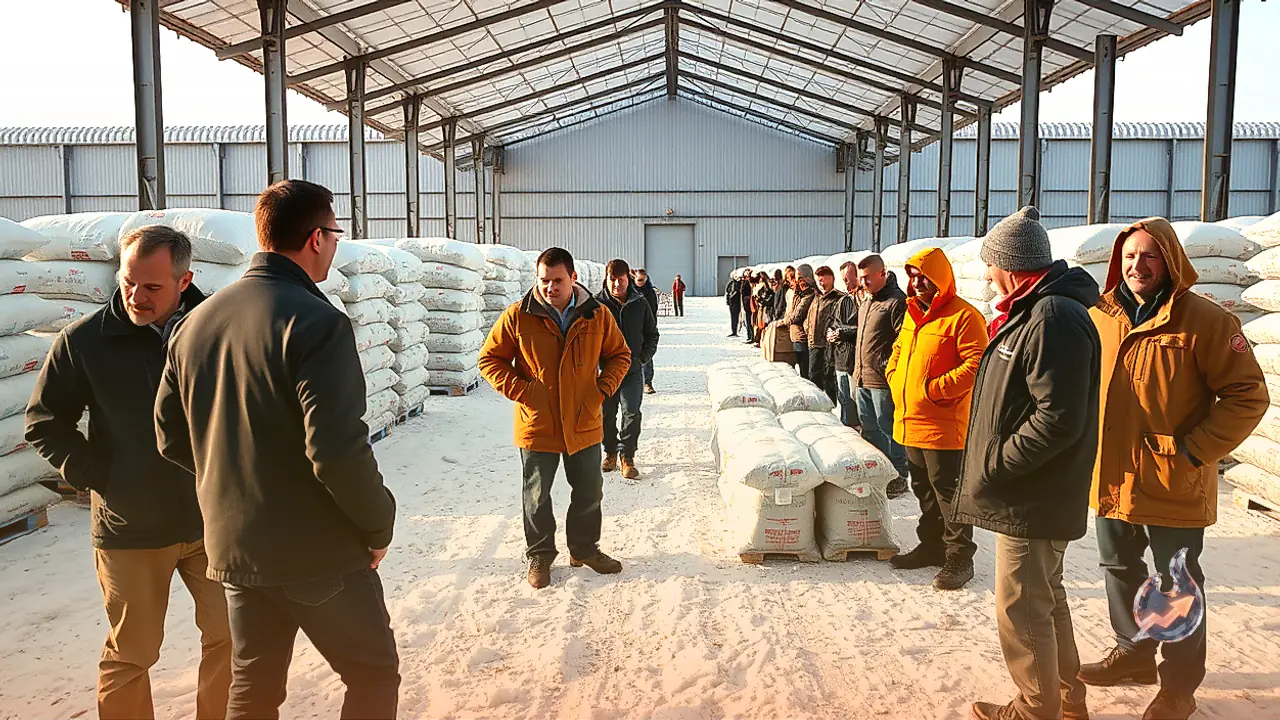














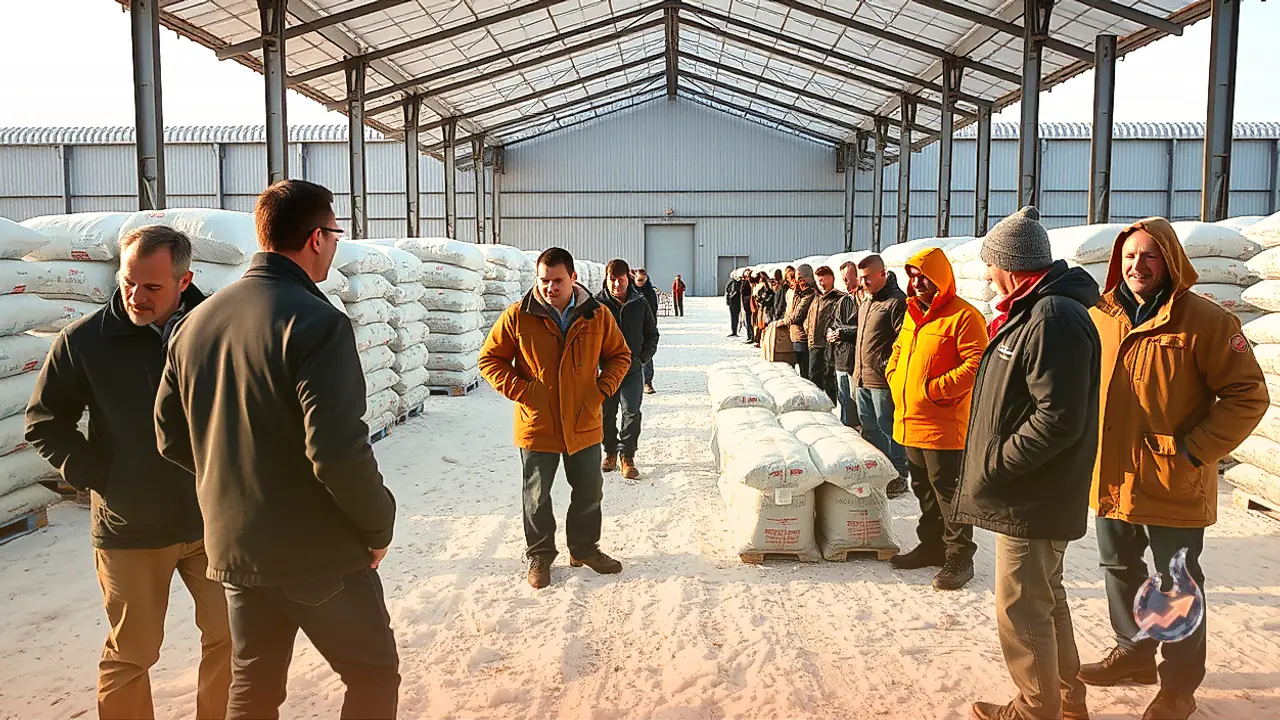

If you are planning to launch your own business venture, setting up a cold storage facility can prove to be a highly lucrative option. Farmers and aspiring entrepreneurs can utilize cold storage units to provide safe preservation facilities for agricultural produce, fresh fruits, vegetables, and other temperature-sensitive products. The demand for such storage infrastructure remains consistently high not only in the agricultural sector but also across food processing industries and the medical field. However, before stepping into this commercial sector, it is essential to thoroughly understand the initial investment, required land space, cooling technology, and prevailing market demand.
Understanding Setup Costs and Infrastructure Requirements
The total cost involved in establishing a cold storage unit depends heavily on its overall storage capacity, land acquisition, civil construction, heavy machinery, and the specific cooling technology deployed. Building such a facility requires specialized insulated walls, precise temperature-control machinery, robust electrical systems, safety apparatus, and various other infrastructural developments. There is a substantial financial difference between building a small-scale cold storage plant and a large-scale commercial unit. Therefore, preparing a detailed project report before commencing operations is vital. This assessment must accurately account for construction expenses alongside operational overheads such as electricity consumption, staff salaries, regular maintenance, and other recurring costs.
Government Subsidies and Financial Assistance Available
To encourage entrepreneurs, the central government provides financial assistance and grants for establishing cold storage businesses. Under the Mission for Integrated Development of Horticulture scheme, eligible cold storage projects with a capacity of up to 5,000 metric tons can receive a capital investment subsidy of up to 35 percent of the total project cost in general areas for construction, expansion, and modernization. This financial aid is linked with institutional bank loans and is disbursed in stages according to prescribed terms and conditions. Since Rajasthan falls under the general area category, the standard assistance rate here is up to 35 percent. Conversely, in the northeastern region and designated hilly or scheduled categories, the subsidy rate can reach up to 50 percent. For larger eligible projects ranging between 5,000 metric tons and 20,000 metric tons capacity, assistance is also facilitated through National Horticulture Board schemes. The exact subsidy amount ultimately depends on government cost norms, project eligibility, and formal approval.
Widespread Applications in Food and Medical Sectors
Cold storage operator Kamlesh Kumawat explained that these facilities are primarily utilized across the food industry, the medical sector for pharmaceuticals, and blood bank storage requirements. Different stored products demand distinct temperature settings and specialized environmental controls to remain completely fresh and safe. Consequently, determining the precise intended sector of application before setting up the facility is a critical step in the planning phase.
Key Factors to Consider Before Launching the Venture
Prior to setting up a cold storage facility, promoters must evaluate local market demand, uninterrupted power availability, reliable transportation access, and potential clientele. Additionally, entrepreneurs should engage industry experts to draft precise technical blueprints and comprehensive project reports. Before applying for government subsidies, it is equally important to gather thorough information regarding current guidelines, eligibility criteria, and mandatory documentation from the concerned department.