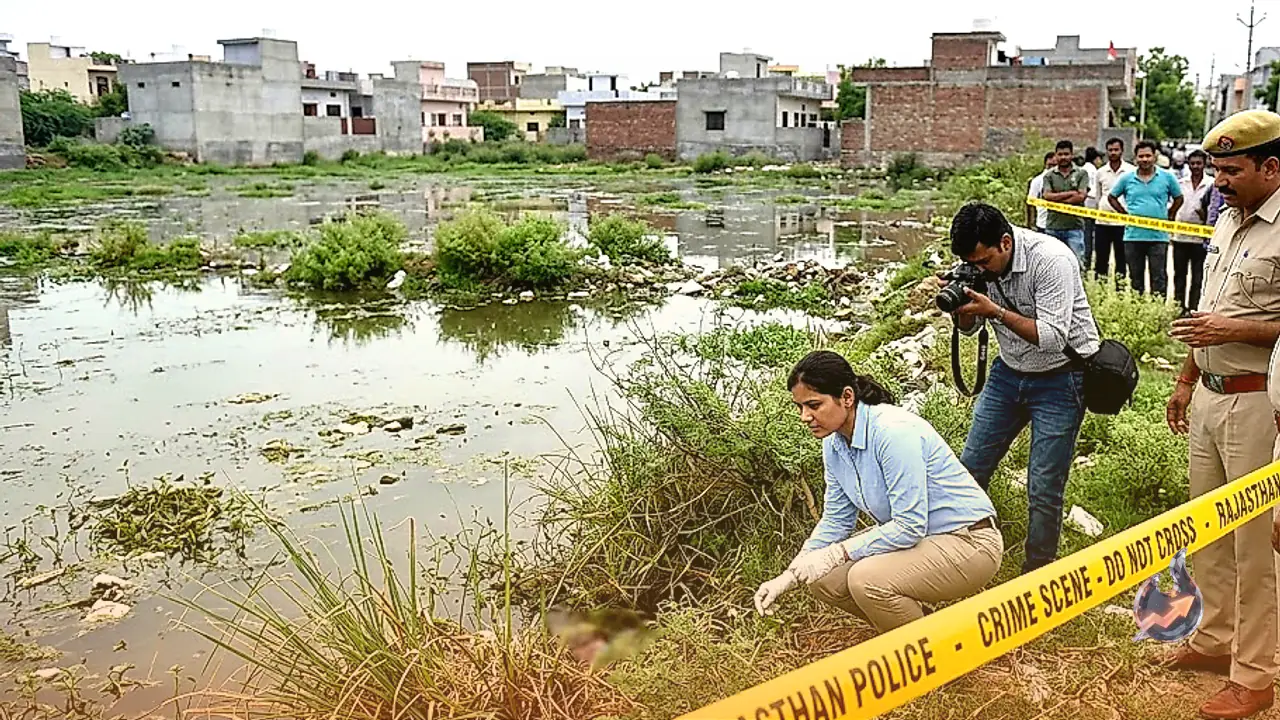







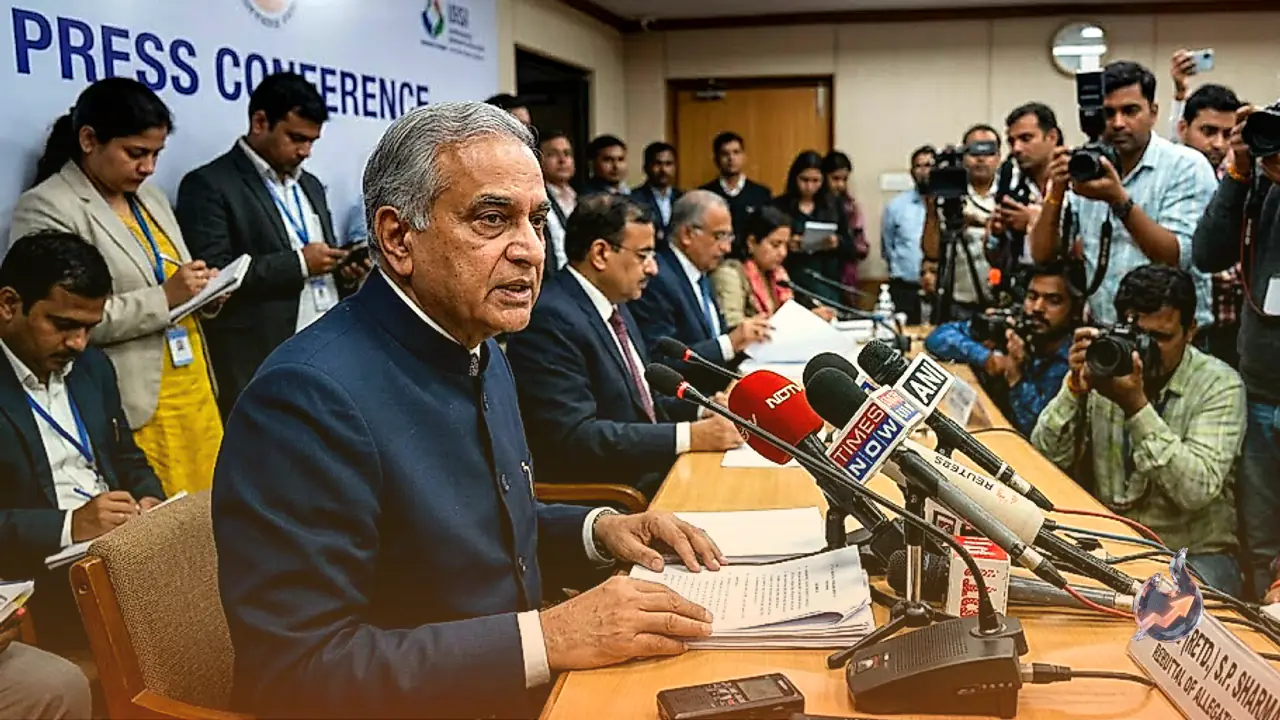
















A high-profile dispute within the higher judiciary has come into sharp focus following remarks by former acting Chief Justice Sanjeev Prakash Sharma of the Rajasthan High Court, who retired from service last week. Addressing allegations raised by Supreme Court judge Justice Sandeep Mehta regarding his administrative conduct, Sharma completely refuted the charges and suggested that professional jealousy might lie behind the accusations. He asserted that any Supreme Court judge seeking to intervene in the internal functioning of a High Court must exercise such authority strictly within institutional boundaries. Emphasizing protocol, Sharma stated that if there were genuine grievances against him, they ought to have been raised through recognized judicial channels rather than informal routes, adding that he should be granted an opportunity to cross-examine Justice Sandeep Mehta on the matter.
The controversy traces its roots back to August, when Justice Sandeep Mehta addressed a series of communications to the Chief Justice of India. In those letters, Mehta raised questions regarding Sharma's integrity and pointed to alleged misuse of administrative authority. He formally urged the transfer of Sharma away from the Rajasthan High Court and recommended the prompt appointment of a regular Chief Justice to head the institution. Shortly thereafter, the Supreme Court Collegium recommended the appointment of Justice Sanjay K. Agrawal of the Chhattisgarh High Court as the Chief Justice of the Rajasthan High Court. This chain of events unfolded alongside substantial agitation by local advocates, during which Sharma went on leave.
Refuting Accusations of Roster Manipulation and Administrative Bias
Dismissing allegations that he favoured influential litigants, manipulated case rosters, meddled in administrative inquiries against judicial officers, or orchestrated selective transfers, Sharma insisted that each judge possesses an individual style of administration. A variation in administrative approach, he noted, does not indicate that one particular methodology is wrongful. Defending his stewardship, Sharma highlighted significant administrative accomplishments during his roughly eleven-and-a-half-month tenure as acting Chief Justice, noting that long-pending promotions and transfers were resolved and state budget allocations for the judicial infrastructure were substantially increased.
Sharma confirmed that he has submitted exhaustive point-by-point replies to all four letters sent by Justice Mehta to the Chief Justice of India. Furthermore, he addressed his own formal correspondence to the Chief Justice of India, directly raising the institutional question of whether a sitting Supreme Court judge possesses the legal and administrative mandate to intervene in the internal affairs of a High Court in this manner.
Lawyers Agitation and Reference to Landmark 1997 Judgment
Addressing the widespread protests by lawyers in Rajasthan that preceded his departure, Sharma alleged that an atmosphere of resistance was generated following remarks made by Justice Mehta. Placing his administrative record in perspective, he pointed out that throughout the nearly eleven-and-a-half months of his tenure as acting Chief Justice, the state had not witnessed a single strike or boycott by advocates until that flashpoint occurred.
Underlining the necessity of institutional discipline, Sharma cited the 1997 Supreme Court ruling in State of Rajasthan versus Prakash Chand, which established that administrative differences and disputes among judges must be handled strictly through defined institutional channels rather than aired in public forums or across social media networks. Preserving public confidence in the judicial establishment, he observed, remains vital above all else.
Clarifications on Udaipur Case, Private Interactions and Career Milestones
Sharma also addressed specific accusations concerning his interactions with a litigant hailing from Bundi. He clarified that the individual is related to his wife's family and had merely accompanied him to visit a temple during vacation time. Offering factual clarity, Sharma stated that the litigation involving this person had been pending before the courts since 1992, and the particular application referenced in the accusations had been dismissed well before he assumed the responsibilities of acting Chief Justice. Regarding the reshuffling of lower court officers, he explained that transfers across Rajasthan are routinely executed under standardized administrative procedures and were not the product of personal discretion.
On the matter of roster allocation, Sharma emphasized that a Chief Justice holds exclusive administrative authority to assign benches and distribute portfolios. Roster modifications, he explained, depend on multifaceted institutional considerations, including the sheer volume of pending litigation, logistical challenges faced by practicing advocates, and inputs submitted by the government. He specifically defended his decision to adjudicate the multi-crore Udaipur Development Authority matter, noting that three preceding judges had recused themselves from hearing the proceedings, prompting the Advocate General to personally request him to take up the appeal.
Reflecting upon his broader judicial career spanning nearly nine and a half years, Sharma noted that he disposed of more than 88,000 cases, with many of his judgments subsequently tested and affirmed by the Supreme Court. Recalling their shared professional trajectory, he pointed out that both he and Justice Sandeep Mehta were designated as senior advocates at the same time in 2011, and claimed that impediments had previously been placed in his path regarding elevations to Chief Justice positions, which informed his view on professional rivalry. Expressing personal anguish over the entire episode, Sharma affirmed that judges must conduct themselves according to legal principles and established judicial processes rather than seeking to appease the bar.