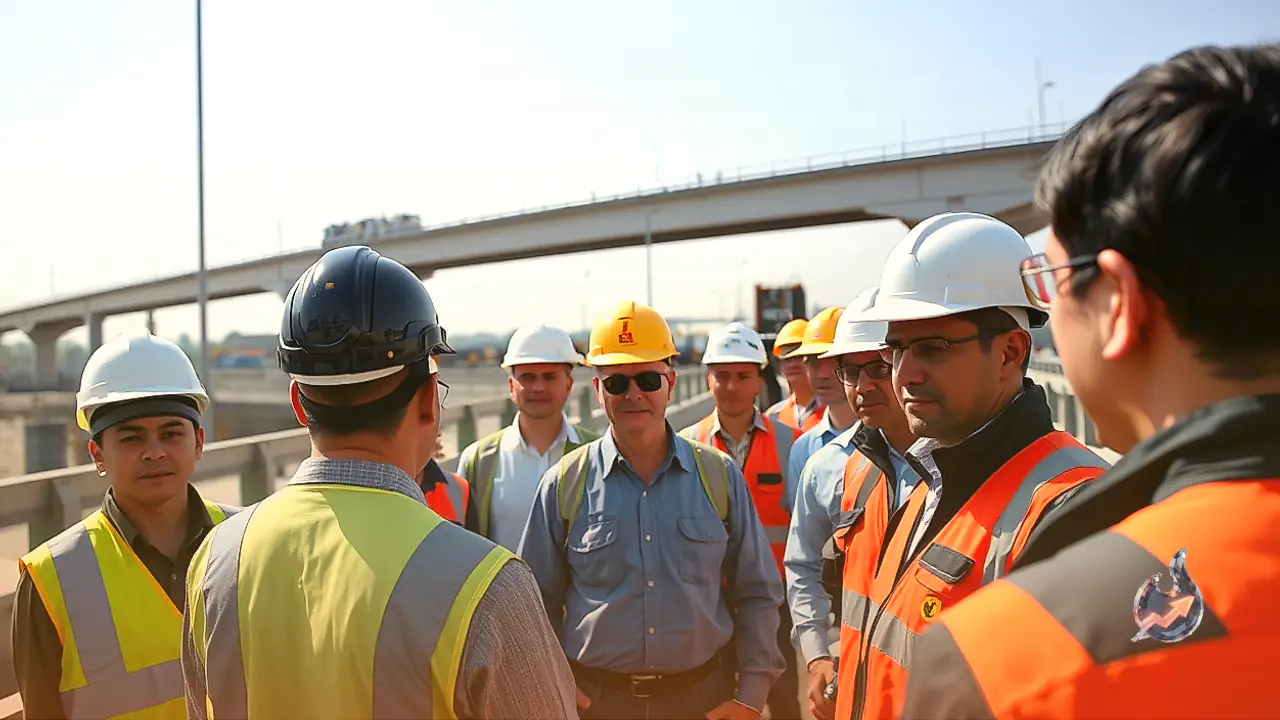






















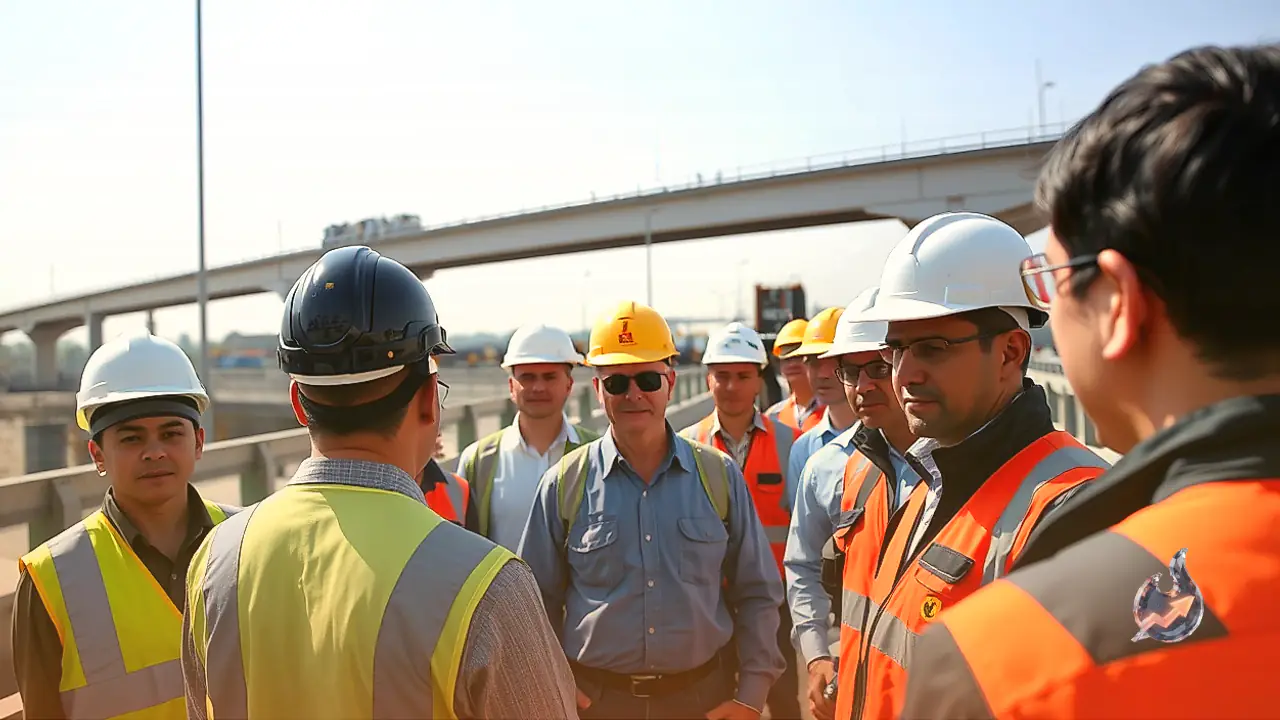

The rapid expansion of national highways and expressways across India is fundamentally reshaping the operational priorities of transportation infrastructure management. As the physical road footprint widens, the regular structural monitoring and maintenance of bridges and flyovers have become increasingly critical. Inspecting the undersides, massive load-bearing beams, and expansion joints of these colossal structures presents severe logistical hazards when approached through conventional access methods. To solve this operational bottleneck, specialised mobile bridge inspection units are emerging as an essential engineering tool and a viable commercial enterprise. These custom-engineered rigs provide civil engineers and technical inspectors with direct, safe physical access to previously unreachable bridge sections for thorough defect evaluation.
Austrian Engineering Mounted on Heavy Commercial Platforms
The core mechanical and hydraulic components of this specialised unit are imported directly from Austria and subsequently assembled within domestic facilities in India. To ensure mechanical resilience and stability during complex field operations, the complete apparatus is mounted onto heavy-duty automotive platforms, including robust Tata or Prima chassis. Building an operational unit requires a substantial capital commitment ranging between 4 and 4.5 crore rupees. Despite the high entry cost, fleet owners are not restricted to internal assignments; the machinery can be actively leased out to bridge contractors, highway concessionaires, and public infrastructure developers. In the prevailing market, rental rates for a mobile bridge inspection unit range from 40,000 to 50,000 rupees per day.
Revenue Potential and Operating Expense Dynamics
Evaluating the commercial feasibility of this asset shows significant top-line earnings potential under regular field deployment. If the machine operates for 25 days in a month at a median daily lease rate of 45,000 rupees, it produces a monthly gross rental turnover of approximately 11.25 lakh rupees. Maintaining this operational tempo across 300 active working days in a calendar year elevates total gross annual rental collections to around 1.35 crore rupees. Asset managers must note, however, that these projections represent top-line gross receipts. Net operational margins depend on deducting specialized technician salaries, diesel fuel consumption, heavy transport logistics, scheduled preventative maintenance, comprehensive insurance premiums, regulatory taxes, and ongoing commercial debt servicing.
Pan-India Operational Footprint and Market Due Diligence
Tarun Tiwari, who has worked continuously in the bridge inspection industry since 2015, stated that these specialised vehicles are being systematically deployed for vital highway and bridge integrity evaluations across diverse regions of the country. His field work has spanned geographically diverse corridors, extending from the mountainous heights of Leh-Ladakh down to Kerala, and stretching horizontally from Gujarat to West Bengal. Given the perpetual addition of major bridge and elevated corridor projects nationwide, statutory safety audits will remain a permanent structural necessity. Investing in specialised inspection hardware to provide rental equipment within the infrastructure services domain offers an innovative enterprise pathway, though experts emphasize that thorough due diligence regarding regional demand, contract pipelines, and real operational overheads must precede any capital deployment.