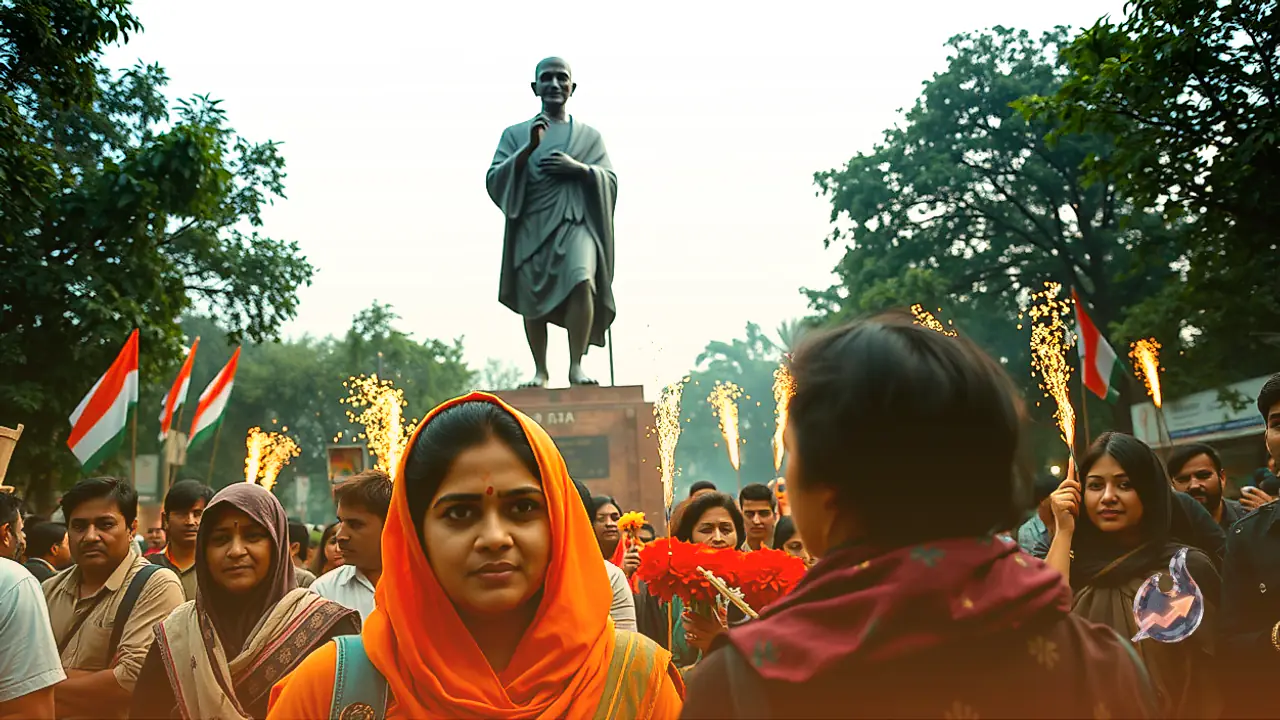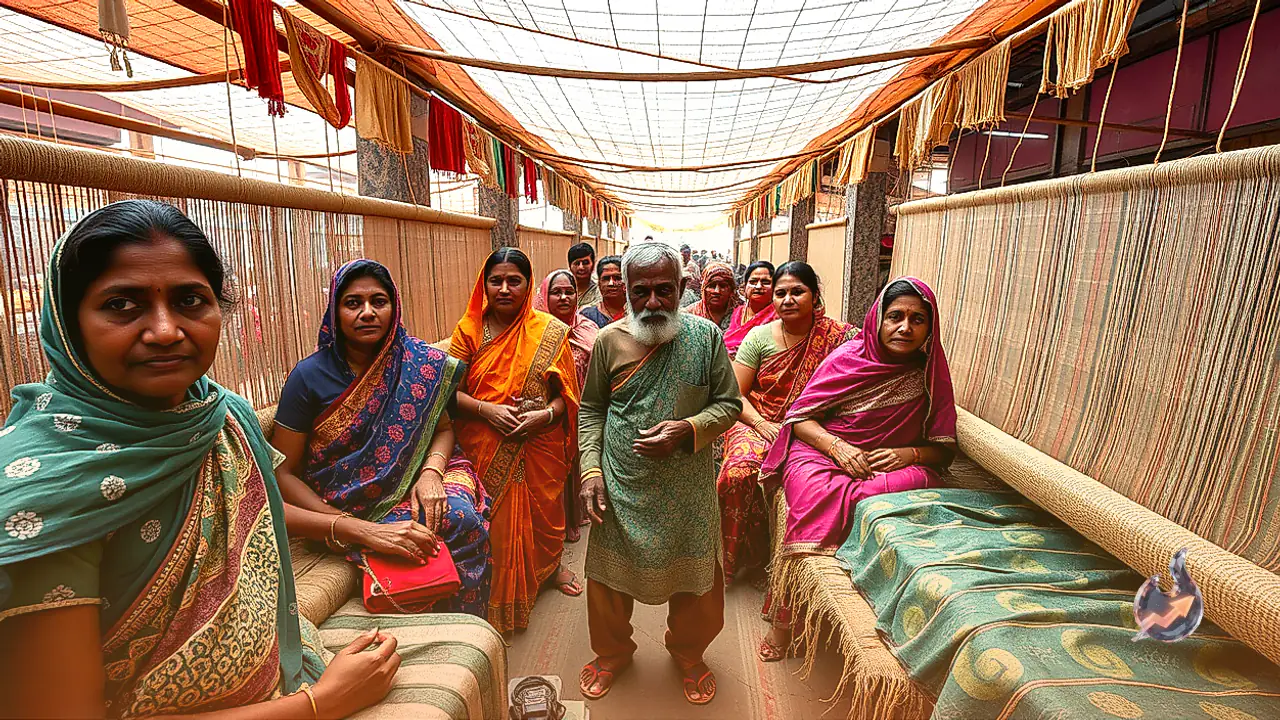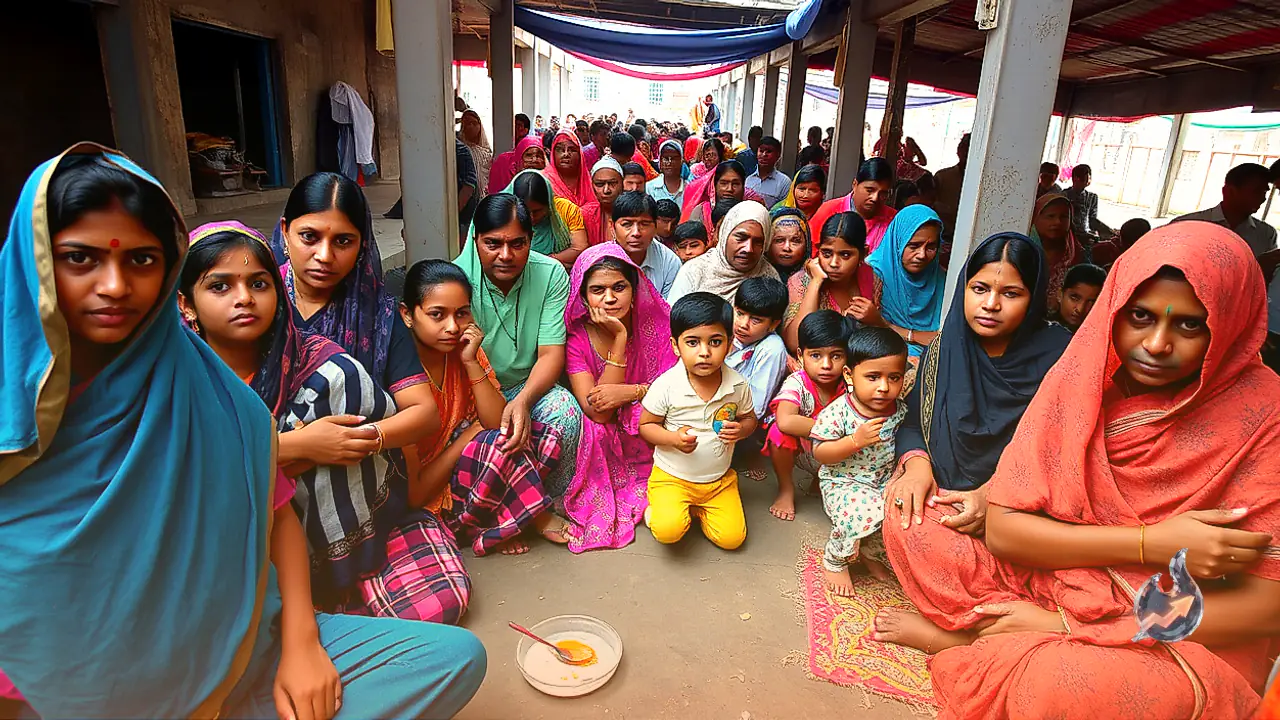























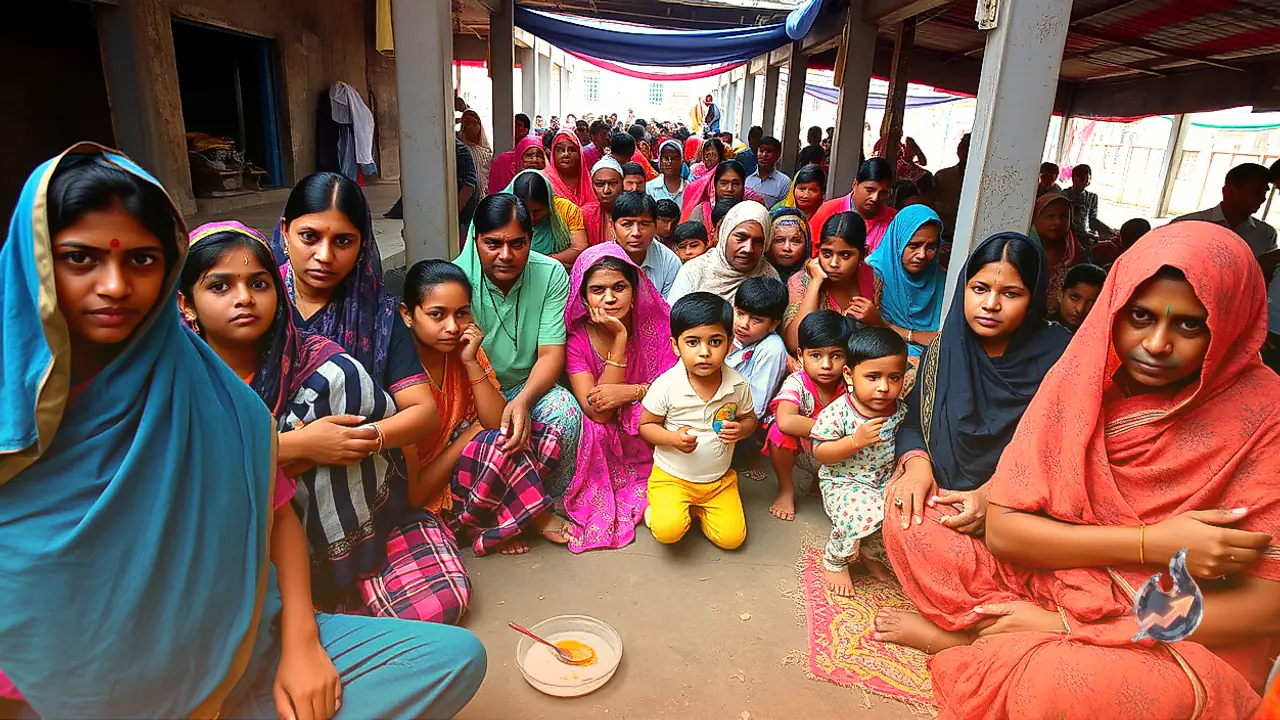

Mothers across regions are observing the sacred Jitiya festival, also known as Jivitputrika, dedicating a rigorous waterless fast to the longevity, sound health, and enduring prosperity of their children. The observance represents deep maternal devotion, where women fast through day and night without consuming food or even a drop of water. Addressing calendar ambiguities regarding the exact date, astrologer Pt. Rakesh Pandey pointed out that the Ashtami tithi of the Krishna Paksha in the month of Ashwin coincides with the Pradosh period on Saturday, making that day the most appropriate choice for the rituals.
Scriptural Guidance and Date Selection via Nirnayasindhu
According to Pt. Rakesh Pandey, traditional guidelines documented in Nirnayasindhu mandate worshipping Jimutavahana during the Ashtami tithi when it overlaps with the Pradosh window. Because this specific alignment falls on Saturday, astrological calculations place the primary fast firmly on this day. The solemn ceremony is believed to shield children from adversities and foster sustained familial harmony.
Auspicious Evening Worship Window Under Ardra Nakshatra
The consecrated timeframe for evening prayers on Saturday has been scheduled between 4:52 PM and 6:20 PM. Astrological charts indicate that Ardra Nakshatra will prevail throughout this worship period. Fasting women perform systematic rituals during this interval, paying homage to the benevolent figure of Jimutavahana. Traditional belief holds that prayers made during this specific alignment invoke blessings of vitality, safety, and all-round wellness for sons and future generations.
Preparation Timeline and Essential Ritual Elements
Preparation for the Jivitputrika observance commences a day earlier during the pre-dawn hours of Brahmamuhurta, when women consume a morning meal consisting of water, grains, and fruits. Once the Ashtami phase begins, women transition into an unyielding Nirjala fast spanning the entire day and night, abstaining completely from both solid nourishment and liquids.
For the ceremonial worship, an effigy of King Jimutavahana is sculpted out of sacred Kusha grass. Offerings presented before the altar include fresh water, Panchamrit, protective sacred threads, sandalwood paste, fragrant flowers, unbroken rice grains, incense, illuminated lamps, and ceremonial food offerings. Additionally, folk customs require fashioning small clay and cow-dung statues depicting an eagle and a female jackal. Worshippers apply vermilion marks to the foreheads of both animal figures before concluding the prayer rites.
Story Recitation of King Jimutavahana and Charitable Offerings
Following the setup and ceremonial offerings, mothers gather to listen attentively to the sacred fast narrative. The lore recounts the supreme sacrifice, righteousness, and mercy of King Jimutavahana in safeguarding the serpent lineage from destruction. Hearing this narrative with pure devotion is considered an essential part of blessing children and grandchildren with expansive lifespans. After concluding the reading, tradition calls for giving alms and monetary donations to Brahmins, serving as an act of gratitude to ensure domestic peace and child welfare.
Breaking the Fast on Sunday Morning
The stringent twenty-four-hour fast concludes with the formal ritual of Parana on the following morning. Fasting participants are advised to break their fast on Sunday after 7:27 AM. Because astronomical variations occur across different geographical coordinates, observers are encouraged to confirm precise timing against their local Panchang before breaking their fast.