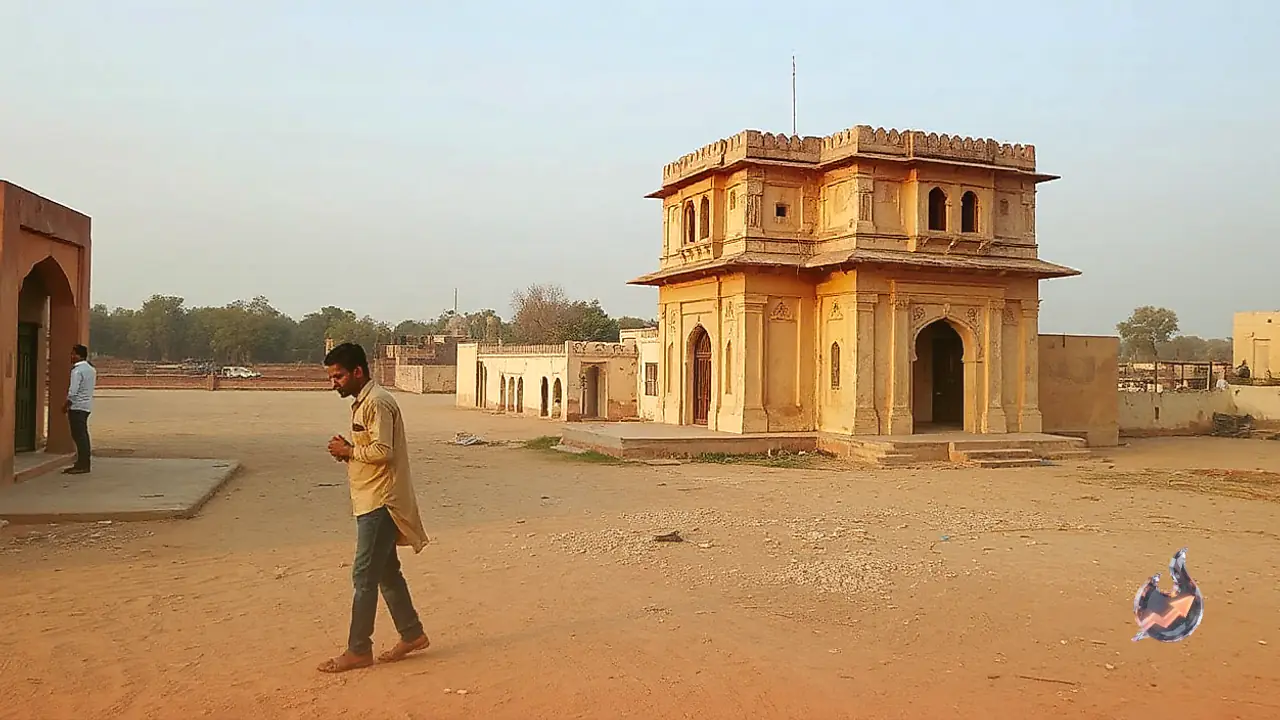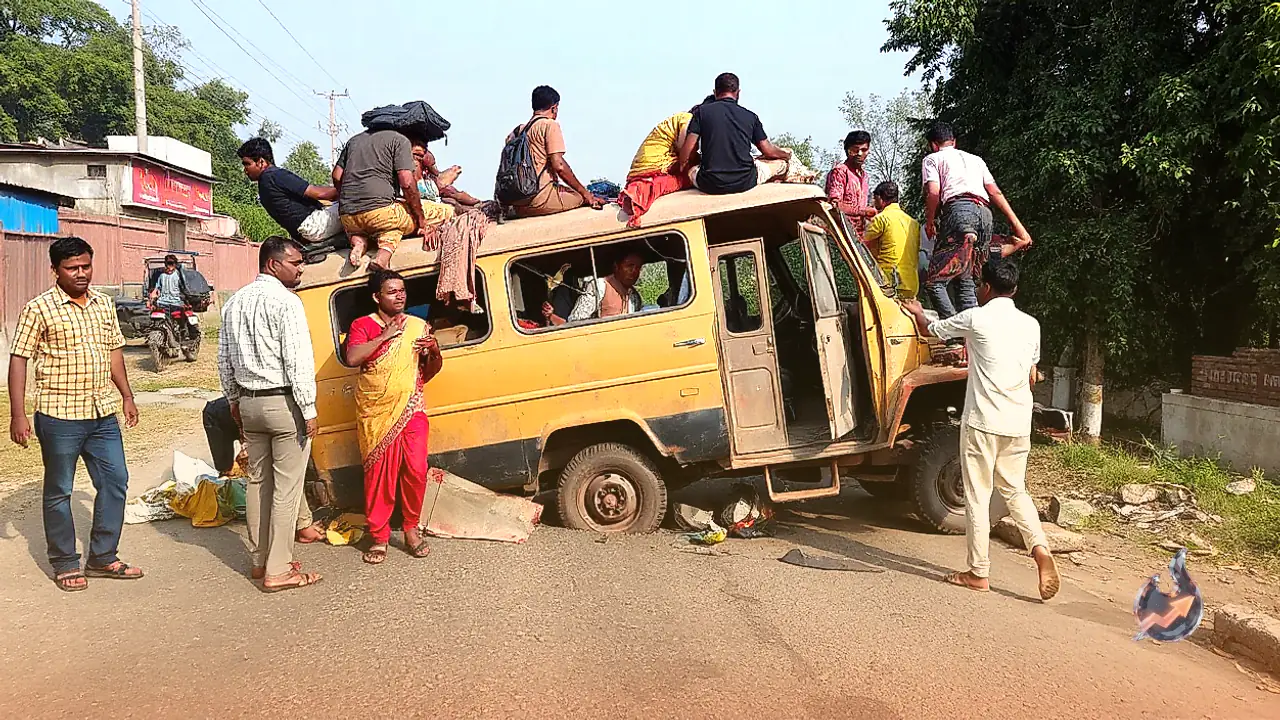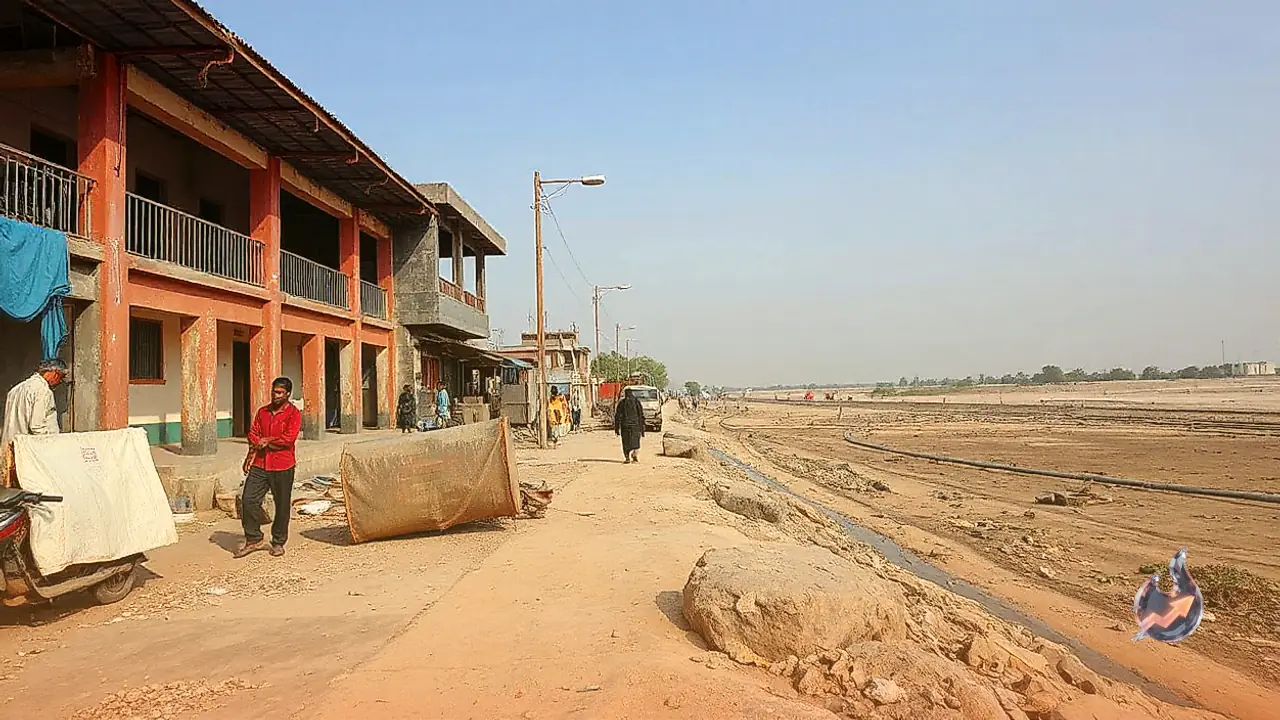

A severe health crisis has gripped the village of Girdharpura near Kota, where a rising number of jaundice cases has triggered serious alarm among residents and health authorities. The continuous emergence of new infections has forced the Medical and Health Department into high alert mode. So far, active health surveys across the village have identified 70 people suffering from jaundice, with 10 patients testing positive for viral hepatitis A. Contaminated drinking water is being considered the primary suspect behind the outbreak, as broken water supply pipelines running directly through dirty drains and debris have made the situation increasingly critical.
CMHO Inspects Affected Area and Directs Officials
In response to the gravity of the situation, Chief Medical and Health Officer Dr. Narendra Nagar visited the affected Girdharpura village to personally assess ground conditions. He visited the homes of patients to check on their well-being and gathered detailed feedback from medical officers regarding the infection spread. Dr. Nagar issued immediate directives to the concerned departments to implement necessary measures without delay in order to curb further transmission of the disease.
Extensive Health Surveys and Door-to-Door Screening
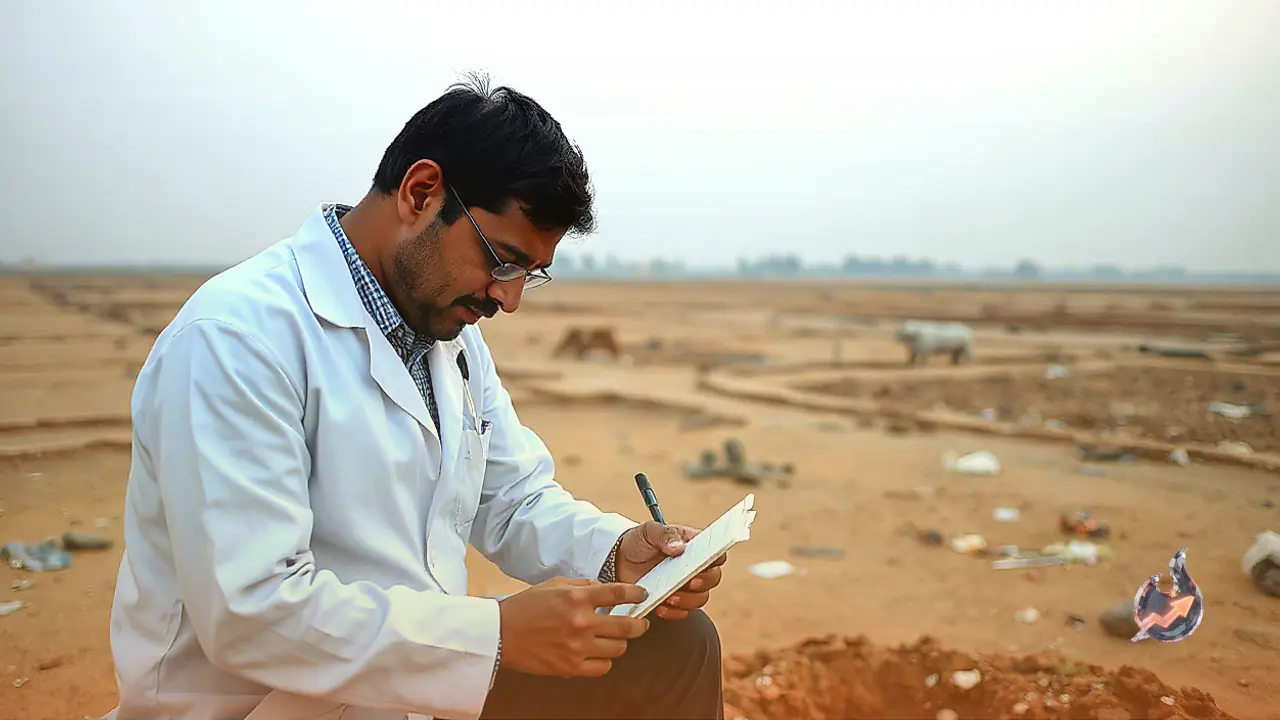
To identify jaundice cases and monitor the infection status closely, the health department has deployed 16 dedicated teams in the village. These teams are conducting door-to-door health screenings to examine villagers and track symptoms early. A total of 1,103 houses have undergone repeated surveys so far, during which the 70 jaundice patients were officially identified. All patients are currently undergoing treatment, while medical teams remain in constant touch with affected households to ensure timely detection of any new cases.
Hepatitis A Confirmed in Lab Samples as Water Quality Faces Scrutiny
To pinpoint the exact cause of the outbreak, health authorities collected 17 water samples and 17 blood samples from the affected zone. Laboratory results confirmed that 10 samples tested positive for viral hepatitis A, while two reports came back negative, with the remaining results still awaited. The department is monitoring both patient blood profiles and water quality simultaneously. The drinking water infrastructure in Girdharpura has come under heavy criticism, as locals report that water pipelines pass through garbage dumps and open drains in multiple locations. Broken pipelines have raised strong fears that contaminated wastewater is seeping into the drinking supply. Villagers have also expressed deep concern over the safety of local well water, although the definitive source of the infection will only be confirmed following complete test evaluations.
Food Safety Checks and Action From Water Supply Authorities
In addition to water checks, the food safety team collected suspicious food samples from the locality to investigate secondary causes. Authorities also halted the operations of an illegal medical practitioner operating in the area and demanded his credentials. The CMHO instructed public health engineering department officials to prioritize the repair of damaged water pipelines and guarantee clean drinking water supply throughout the village. Teams from the health and water resources departments continue to maintain round-the-clock surveillance. Villagers are being strongly advised to boil drinking water, use clean sources, and maintain proper hygiene around their homes.
The health department has urged residents not to ignore early symptoms of jaundice and to seek immediate medical consultation. The 70 cases reported in Girdharpura have exposed critical infrastructure flaws in the local water distribution network. While health authorities are currently striving to bring the outbreak under control, the pressing question remains regarding how quickly officials can fix the compromised water lines and restore safe drinking water to the local population.