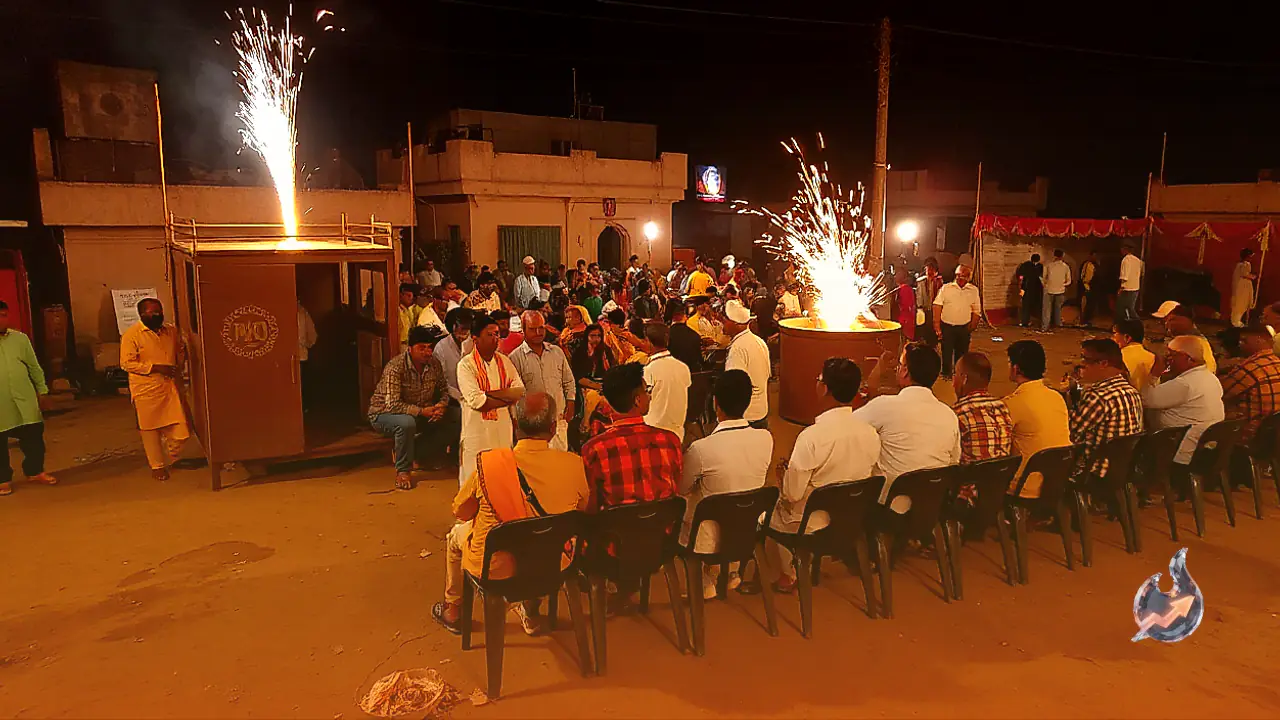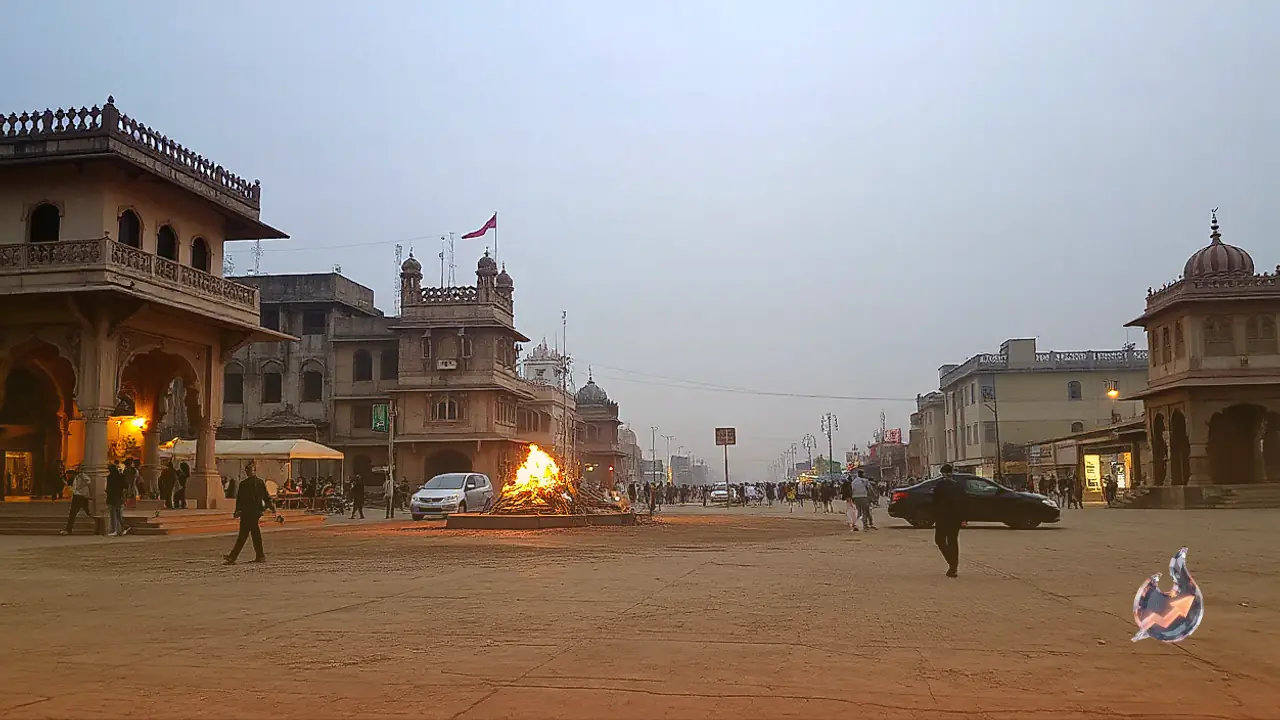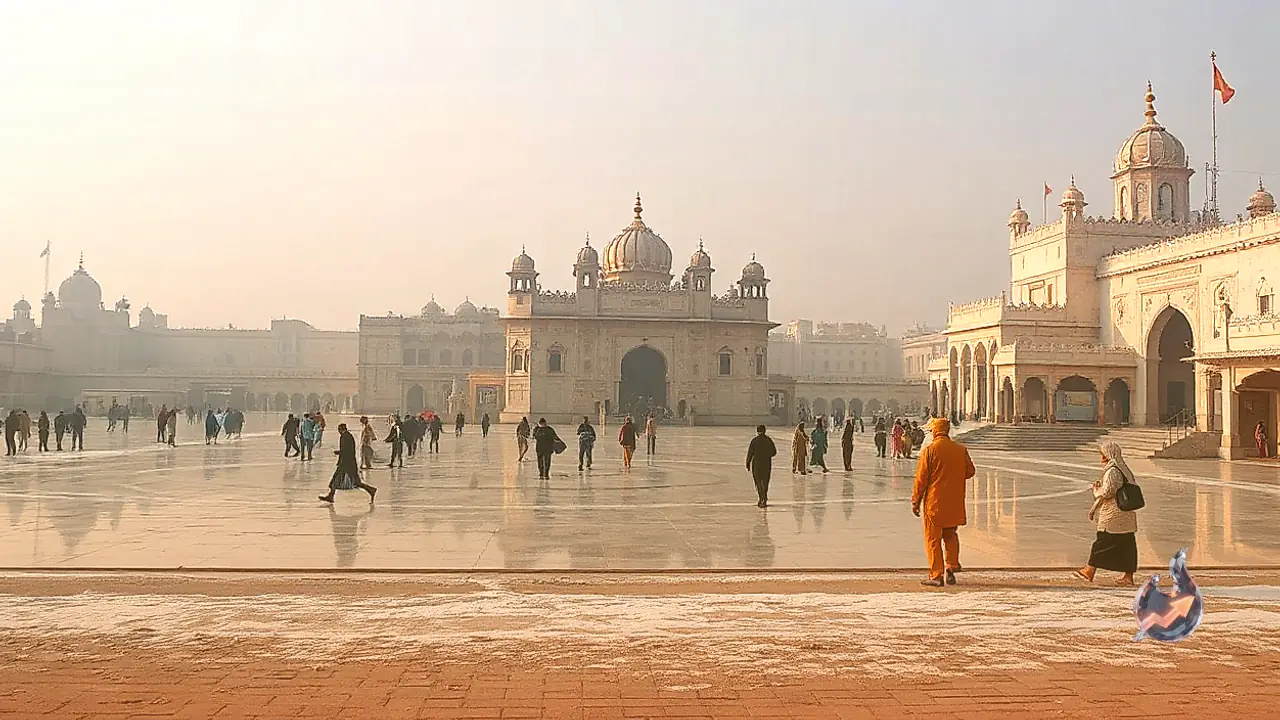

Long before the sun decides to break the horizon and while the crisp winter chill still blankets quiet streets, a familiar and soulful sound begins to echo from the distance. Voices chanting verses like 'Karan Taran Gurunanak Aaya' or 'Nanak Kahat Jagat Sab Mithiha' slowly draw closer as a group of devoted followers marches ahead. Carrying Nishan Sahib in their hands and singing Gurbani shabads with utmost dedication, people of all ages, including children, elders, women, and men, walk with a visible sense of peace and enthusiasm on their faces. This serene sight marks the commencement of Prabhat Pheris, held in the days leading up to the birth anniversary of Baba Guru Nanak Dev Ji, a tradition witnessed across numerous neighborhoods nationwide.
Beneath the peaceful rhythm of these morning processions lies a profound social and humanitarian message. The core teaching reminds humanity that every individual should love one another, discard all forms of discrimination, and dedicate their lives to the welfare of others. This foundational philosophy forms the very essence of Guru Nanak's teachings, which remain deeply relevant in today's complex world.
Preparations and processions through Prabhat Pheris typically begin roughly a fortnight before the main Prakash Perv. Early in the morning, devotees gather and step out of local gurdwaras, walking through nearby residential colonies and lanes while singing soulful hymns. Residents often step forward to welcome the procession with deep reverence. This vibrant tradition serves as a beautiful medium to connect communities closer to the spiritual and moral teachings of their Guru.
The hymns and shabads chanted during these morning walks are far more than traditional religious verses. They offer practical guidance on how to live a purposeful and righteous life. Gurbani constantly reminds humanity that a person's true worth is defined solely by their actions and deeds, rather than by their accumulated wealth, social titles, caste, or worldly prestige. If an individual lacks honesty towards others, usurps someone else's rightful share, or exploits the vulnerable, merely performing external religious rituals cannot make them a good human being.
The core philosophy of Baba Nanak is often simplified into three fundamental guiding principles known as Naam Japo, Kirat Karo, and Wand Chhako. These tenets urge believers to remember the Creator, earn an honest living through dedicated labor, and share their earnings with those in need. Prof. Harmeet Singh, an eminent scholar of Sikh theology, notes that Naam Japo extends far beyond merely twisting prayer beads or repeatedly reciting the divine name. It carries the expansive meaning of cultivating noble thoughts within one's mind, staying far away from ego, and feeling the constant presence of the Almighty in every action. Similarly, Kirat Karo instructs believers that true success and fulfillment in life must always be attained through absolute honesty and hard work.
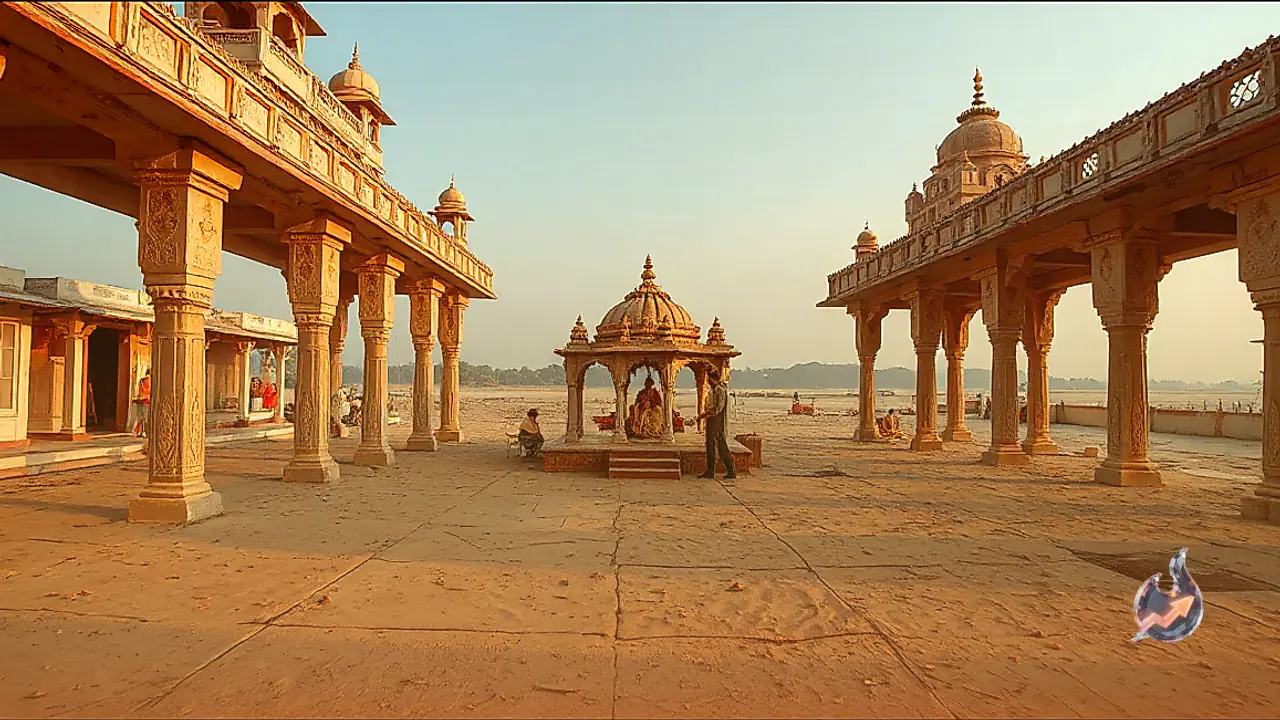
Gurdwara Darbar Sahib Kartarpur, situated in the Narowal district of Pakistan, holds immense historical and spiritual significance for followers around the globe.
The principle of Wand Chhako, which emphasizes sharing resources and joy with others, holds unique importance in contemporary society. When disparities leave some individuals with an abundance of wealth while others struggle with severe scarcity, society bears a collective duty to support those facing hardship. This egalitarian philosophy shines brightly through the enduring institution of the community kitchen known as langar in gurdwaras. Here, individuals from all walks of life sit together on the floor to partake in meals without any discrimination whatsoever. No one asks about the religion, caste, or community background of the person sitting next to them, proving that hunger, compassion, and human dignity transcend all artificial labels.
Furthermore, Baba Nanak consistently championed gender equality and raised a strong voice for the rights and respect of women. During an era when women faced severe social and religious restrictions, he challenged society by questioning why women should ever be considered inferior. Verses recorded in the Sri Guru Granth Sahib beautifully highlight and honor the dignity and vital role of women in society.
A remarkable aspect of these Prabhat Pheris is how they bring spirituality out of the enclosed walls of homes and gurdwaras directly into the heart of society. As the kirtan procession passes through residential lanes, residents emerge from their houses to greet the devotees. In many areas, locals make thoughtful arrangements for tea, water, and prasad. Thus, a purely spiritual observance effortlessly transforms into a powerful instrument of social bonding and communal harmony, drawing enthusiastic participation not only from the Sikh community but from people of various other faiths as well.
When participating devotees march forward in the early dawn hours chanting 'Satnam Waheguru', it feels as though they are not merely celebrating a historical birth anniversary, but actively renewing a solemn pledge to embed those timeless ideals into their everyday lives.
The universal message imparted by Baba Nanak does not belong to any single religion or community; it belongs to the entirety of humankind. His teachings demonstrate that achieving true righteousness does not require elaborate rituals. Working honestly, empathizing with the suffering of others, assisting the needy, and treating every human being with equal respect constitute the highest form of devotion.
Therefore, the next time a Prabhat Phery passes by your neighborhood on a chilly morning and the sweet strains of Gurbani fill the air, pausing for a few moments to listen closely can be deeply rewarding. Those hymns might just offer a timeless lesson that helps improve not only your own life but the lives of those around you. Ultimately, this remains the eternal essence of Guru Nanak's teachings: love for all, respect for everyone, and an unwavering spirit of service towards every single person in need.